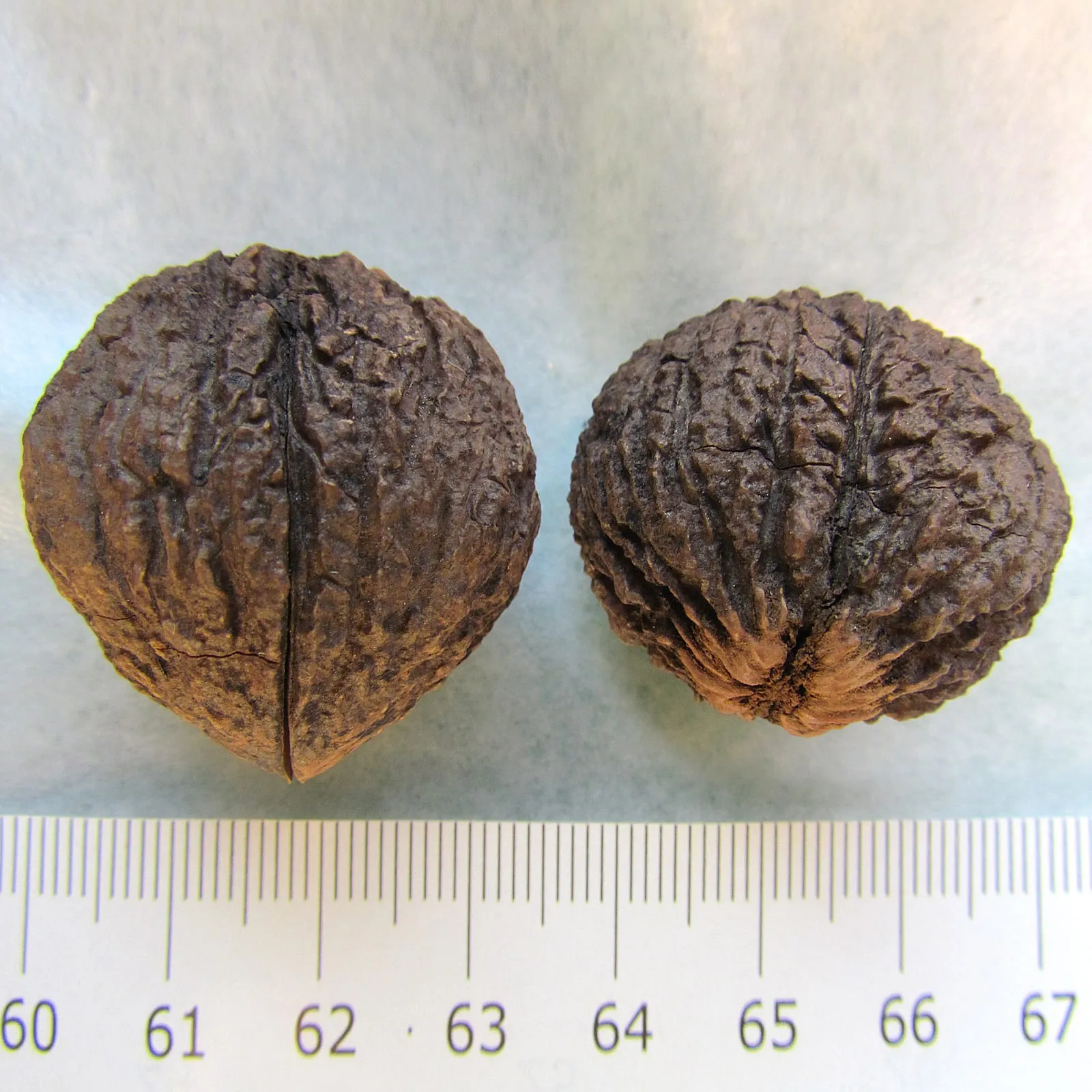
nut in zone 6a
Growing black walnut in zone 6a
Juglans nigra
- Zone
- 6a -10°F to -5°F
- Growing season
- 180 days
- Chill needed
- 700 to 1500 below 45°F
- Suitable varieties
- 4
- Days to harvest
- 150 to 200
The verdict
Black walnut is well-matched to zone 6a. The species is native across much of the eastern United States and tolerates winter minimums of -10 to -5°F without difficulty. Its chill hour requirement of 700 to 1,500 hours aligns comfortably with what zone 6a winters typically deliver, generally 1,000 to 1,400 hours depending on site and year. This is not a marginal zone. Zone 6a falls near the sweet spot of the species' range, providing enough cold to satisfy dormancy requirements without the extended deep freezes that can occasionally damage cambium in zone 5 and colder.
Varieties like Thomas and Emma K were selected partly for performance in this region and will break dormancy reliably when temperatures warrant. The principal weather risk is a late cold snap after budbreak, but black walnut leafs out relatively late in spring compared to other hardwoods, which provides a natural buffer against most frost events that damage stone fruit in the same zone.
Recommended varieties for zone 6a
4 cultivars suited to this zone, with disease-resistance and zone-fit annotations.
| Variety | Notes | Zone fit | Disease resistance |
|---|---|---|---|
| Thomas fits zone 6a | Bold, intense, distinctively earthy black-walnut flavor; baking (cookies, cakes, ice cream), fudge. The heritage productive variety, large nuts with thicker shells than English walnut. Self-fertile but better with a partner. | | none noted |
| Sparrow fits zone 6a | Bold, rich black-walnut flavor; baking and confections. Early-ripening selection that finishes before first frost in zones 5-6. Cracks easier than most black walnuts. | | none noted |
| Emma K fits zone 6a | Bold, intensely flavored, very large kernels; baking and shelling. High kernel-to-shell ratio for a black walnut, productive Missouri selection. | | none noted |
| Sparks 127 fits zone 6a | Bold, classic black-walnut flavor, medium kernels; baking. Compact tree (40-50 ft mature) suitable for smaller landscapes where standard black walnut would dominate. | | none noted |
Critical timing for zone 6a
In zone 6a, black walnut typically breaks dormancy in late April to early May, later than many co-occurring hardwoods. Catkins and pistillate flowers emerge roughly simultaneously, usually after the main frost risk window has passed. This late leafout is a practical advantage: the species avoids most of the spring frost events that damage peach buds and other stone fruit in the same region.
Harvest falls between mid-September and late October depending on variety and seasonal heat accumulation. Thomas and Sparks 127 tend toward earlier ripening; Emma K and Sparrow typically run one to two weeks later. The 180-day growing season in zone 6a provides adequate time for all four varieties to mature nuts fully. Nuts drop naturally when ripe and should be collected within a few days to limit husk mold.
Common challenges in zone 6a
- ▸ Brown rot in stone fruit
- ▸ Japanese beetles
- ▸ Spring frost damage to peach buds
Disease pressure to watch for
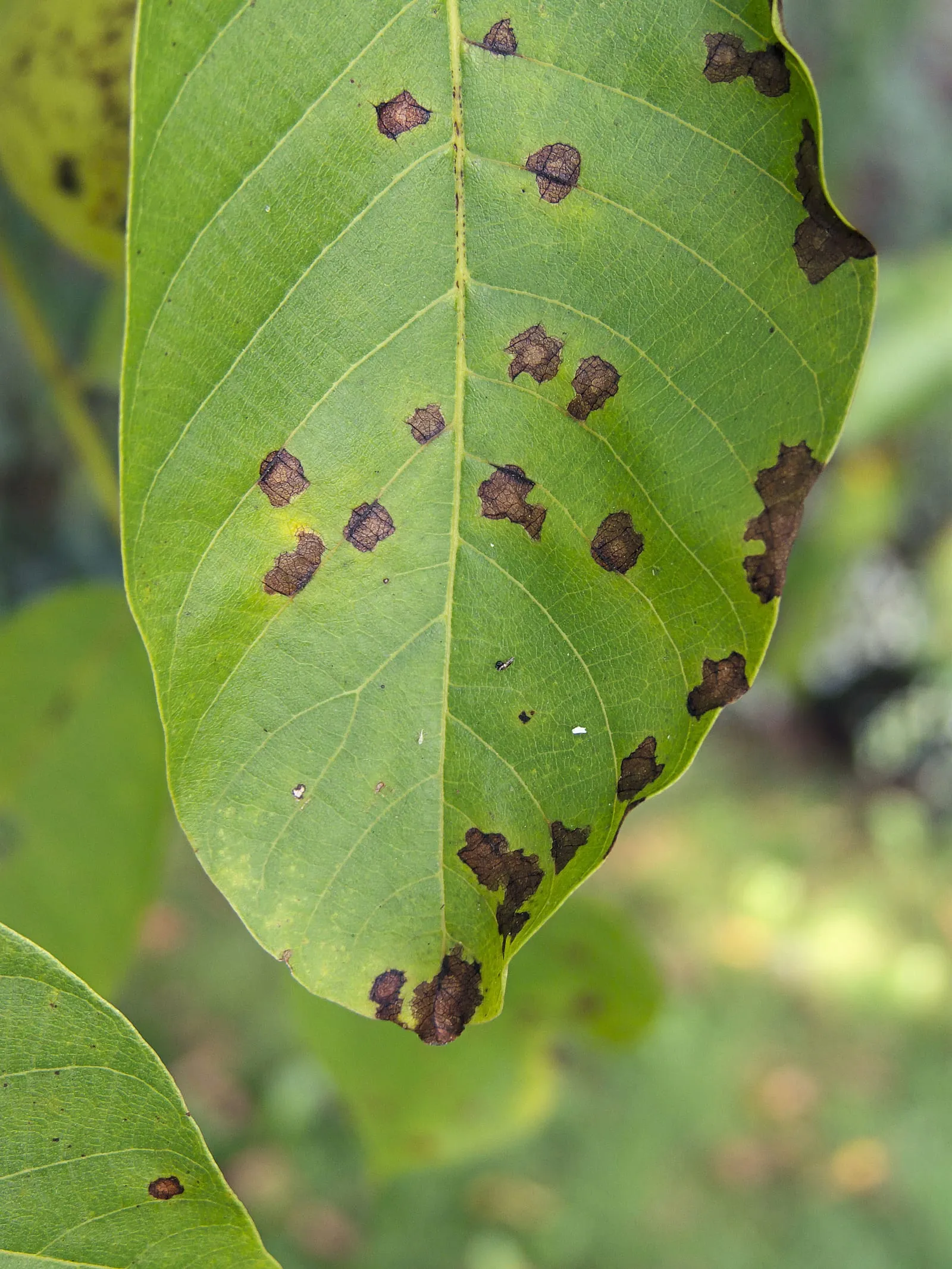
Ophiognomonia leptostyla
Fungal leaf disease causing premature defoliation in wet seasons, weakening trees over consecutive years and reducing kernel fill.
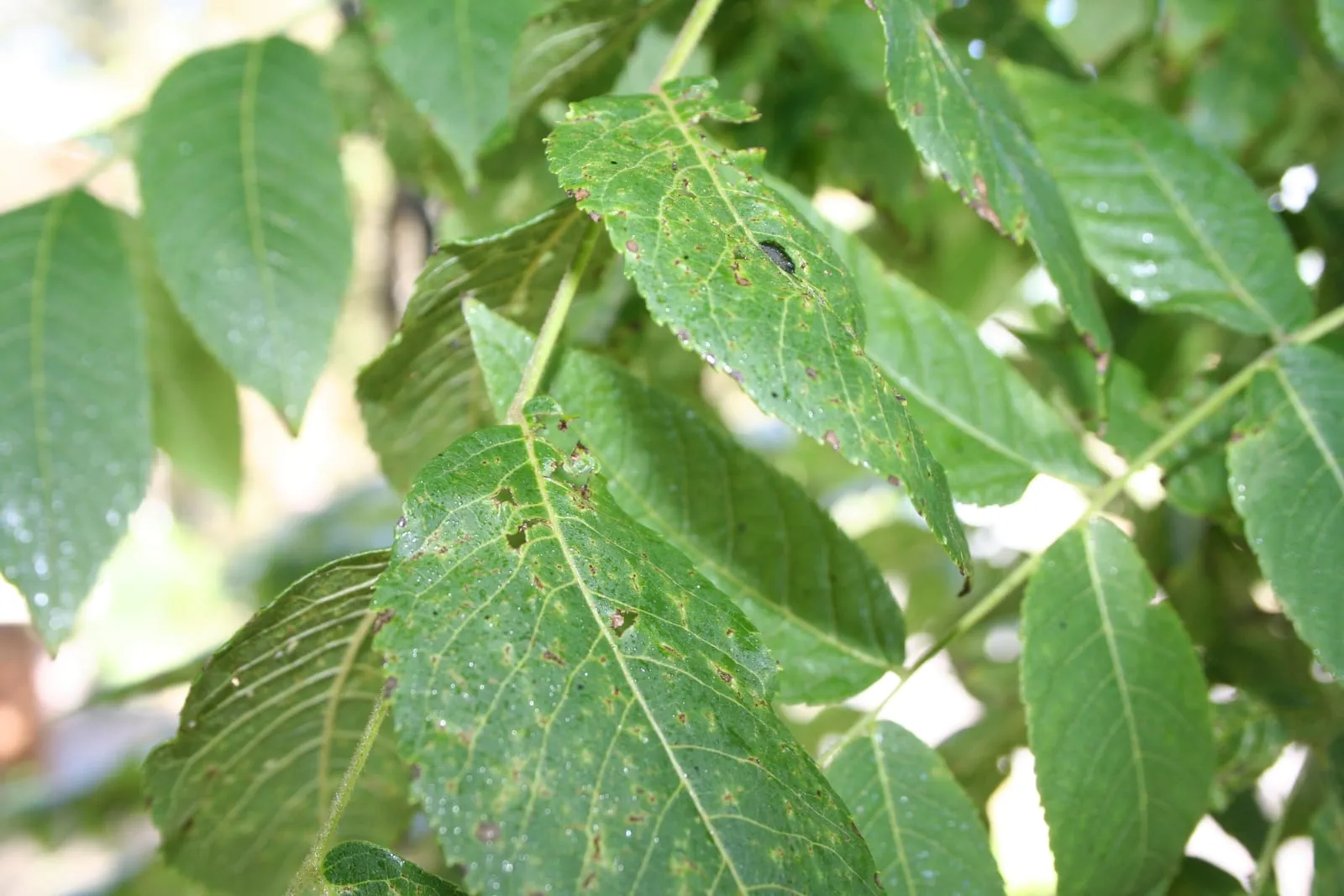
Geosmithia morbida (vectored by Pityophthorus juglandis)
Fatal disease of black walnut caused by a fungus vectored by the walnut twig beetle. Spreading eastward from the western US, devastating native black walnut stands.
Modified care for zone 6a
Black walnut requires little adjustment for zone 6a compared to the rest of its range. No supplemental winter protection is needed for established trees. Walnut Anthracnose causes premature defoliation in wet summers but rarely threatens tree survival; raking and removing fallen leaves reduces overwintering inoculum and is the primary management step.
Thousand Cankers Disease is present in parts of the mid-Atlantic and Midwest. When sourcing planting stock, purchase from nurseries that certify disease-free material and avoid moving wood from regions where the disease is confirmed. Japanese beetles are a notable pressure in zone 6a, feeding on foliage through late June and July. Established trees tolerate moderate defoliation; young trees in their first two to three seasons benefit from physical exclusion netting during peak beetle activity. No shade or irrigation modifications are typically required beyond standard establishment-year watering.
Black Walnut in adjacent zones
Image: "Juglans nigra nuts", by Gmihail at Serbian Wikipedia, via Wikimedia Commons, licensed under CC-BY Source.

Related