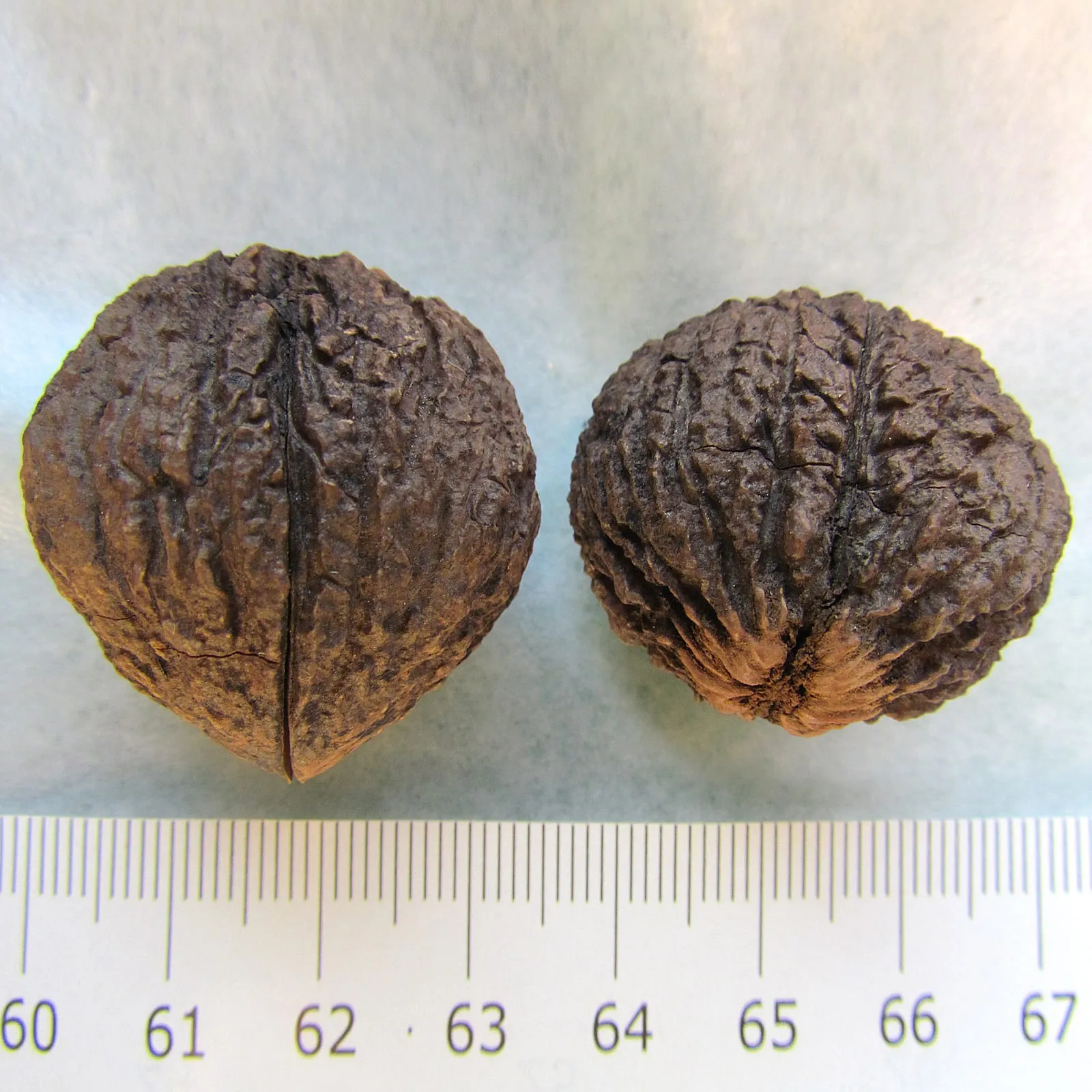
nut in zone 6b
Growing black walnut in zone 6b
Juglans nigra
- Zone
- 6b -5°F to 0°F
- Growing season
- 190 days
- Chill needed
- 700 to 1500 below 45°F
- Suitable varieties
- 4
- Days to harvest
- 150 to 200
The verdict
Zone 6b sits near the center of black walnut's native range across the eastern and central United States, making it a reliable, non-marginal zone for the species. The crop's chill hour requirement of 700 to 1,500 hours is comfortably met in zone 6b, where most winters accumulate well above the lower threshold. Winter minimums of -5 to 0°F pose no serious threat to established trees; black walnut tolerates temperatures into the -20°F range across its colder native territory.
Named selections bred for nut production, including Thomas, Sparrow, Emma K, and Sparks 127, were largely developed and tested in climates similar to zone 6b, so performance data for these varieties translates directly here. The 190-day growing season provides adequate time for nut fill and shell hardening before fall frosts arrive. Growers in zone 6b are not working against the crop's natural preferences.
Recommended varieties for zone 6b
4 cultivars suited to this zone, with disease-resistance and zone-fit annotations.
| Variety | Notes | Zone fit | Disease resistance |
|---|---|---|---|
| Thomas fits zone 6b | Bold, intense, distinctively earthy black-walnut flavor; baking (cookies, cakes, ice cream), fudge. The heritage productive variety, large nuts with thicker shells than English walnut. Self-fertile but better with a partner. | | none noted |
| Sparrow fits zone 6b | Bold, rich black-walnut flavor; baking and confections. Early-ripening selection that finishes before first frost in zones 5-6. Cracks easier than most black walnuts. | | none noted |
| Emma K fits zone 6b | Bold, intensely flavored, very large kernels; baking and shelling. High kernel-to-shell ratio for a black walnut, productive Missouri selection. | | none noted |
| Sparks 127 fits zone 6b | Bold, classic black-walnut flavor, medium kernels; baking. Compact tree (40-50 ft mature) suitable for smaller landscapes where standard black walnut would dominate. | | none noted |
Critical timing for zone 6b
Black walnut breaks dormancy late relative to most fruit trees, with catkins shedding pollen and leaves expanding in late April to early May across zone 6b. This delayed leafout works in the crop's favor: by the time female flowers are receptive, the risk of damaging frost has largely passed in most zone 6b locations, reducing the late-frost vulnerability that affects earlier-blooming species.
Nut maturation follows a long arc through summer. The green husk begins loosening in September, and most nuts fall naturally through October. Harvest timing is largely self-managing: fallen nuts are ready to process. Husking promptly after collection prevents staining and allows shells to cure properly before storage. The 190-day growing season provides sufficient time for full kernel development in all but the coolest zone 6b microclimates.
Common challenges in zone 6b
- ▸ Cedar-apple rust
- ▸ Fire blight
- ▸ Stink bugs
Disease pressure to watch for
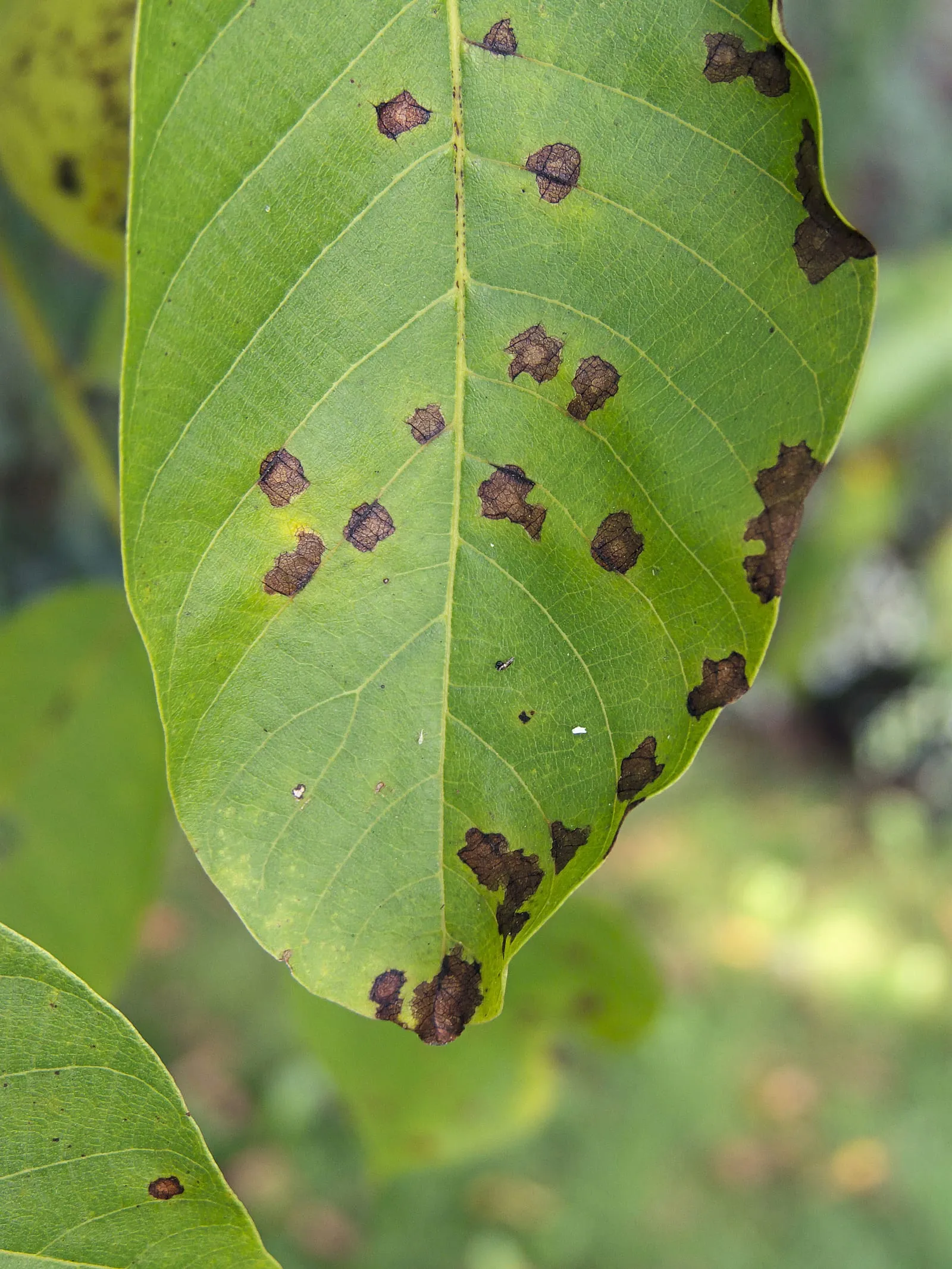
Ophiognomonia leptostyla
Fungal leaf disease causing premature defoliation in wet seasons, weakening trees over consecutive years and reducing kernel fill.
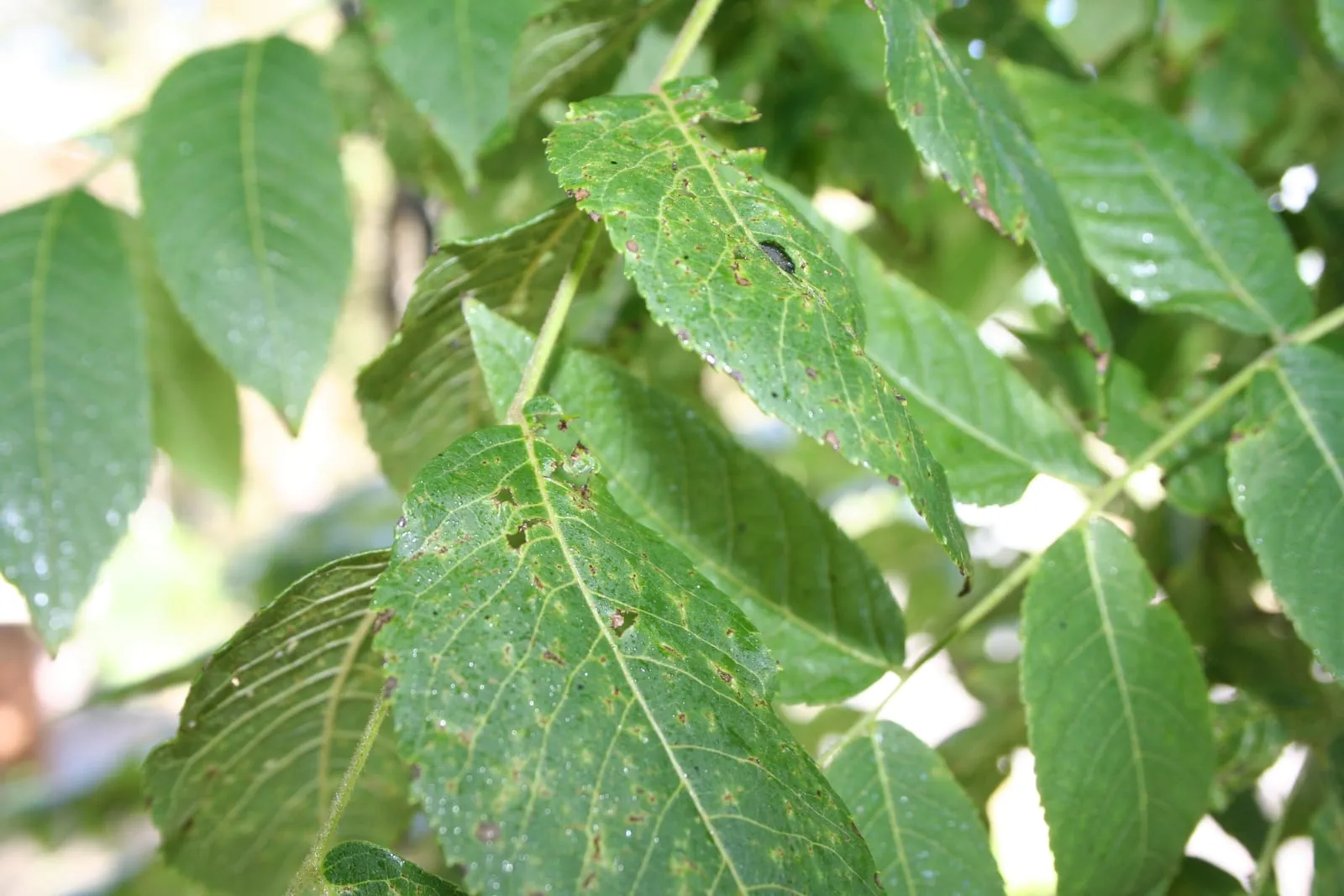
Geosmithia morbida (vectored by Pityophthorus juglandis)
Fatal disease of black walnut caused by a fungus vectored by the walnut twig beetle. Spreading eastward from the western US, devastating native black walnut stands.
Modified care for zone 6b
Walnut Anthracnose is the primary disease concern in zone 6b. Cool, wet springs promote early-season infection, leading to premature defoliation and reduced nut set in severe years. Planting in sites with good air circulation and avoiding low-lying areas where moisture lingers reduces exposure. Thousand Cankers Disease, vectored by the walnut twig beetle, has been confirmed in parts of the eastern US and warrants ongoing attention in zone 6b. There is no effective treatment once a tree is infected; buying bare-root stock from reputable regional nurseries and avoiding the movement of walnut wood from affected areas are the practical safeguards.
Stink bugs, including the brown marmorated stink bug now established across much of zone 6b, feed on developing nuts and cause shriveled kernels. Exclusion netting is impractical on mature trees. Monitoring populations during early nut development and directing any intervention to that window offers the most leverage.
Black Walnut in adjacent zones
Image: "Juglans nigra nuts", by Gmihail at Serbian Wikipedia, via Wikimedia Commons, licensed under CC-BY Source.

Related