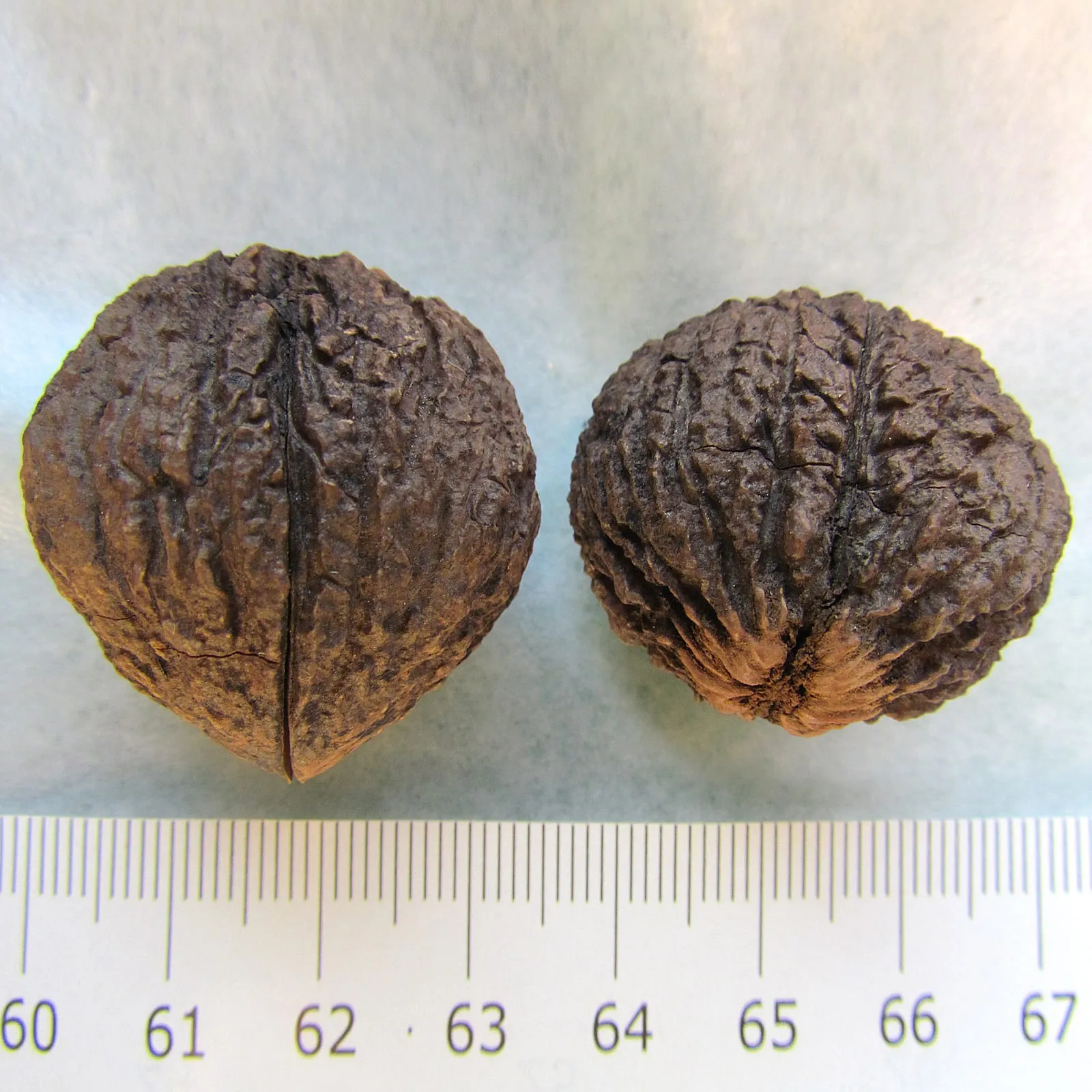
nut in zone 7a
Growing black walnut in zone 7a
Juglans nigra
- Zone
- 7a 0°F to 5°F
- Growing season
- 210 days
- Chill needed
- 700 to 1500 below 45°F
- Suitable varieties
- 4
- Days to harvest
- 150 to 200
The verdict
Zone 7a sits comfortably within black walnut's range. The minimum winter temperatures of 0 to 5°F are well above the tree's cold tolerance, and the 210-day growing season provides ample time for the nuts to develop and cure on the tree before first fall frost. The more critical variable is chill-hour accumulation. Black walnut requires 700 to 1,500 hours below 45°F depending on the variety, and zone 7a typically delivers 800 to 1,200 hours across most winters. That puts standard selections like Thomas and Sparks 127 well within range, though in the warmer pockets of zone 7a, particularly in the Mid-Atlantic coastal plain, growers should track their local chill accumulation before planting. This is not a marginal zone for black walnut. The combination of adequate chilling, long season, and moderate winters makes zone 7a a reliable growing region for most named varieties.
Recommended varieties for zone 7a
4 cultivars suited to this zone, with disease-resistance and zone-fit annotations.
| Variety | Notes | Zone fit | Disease resistance |
|---|---|---|---|
| Thomas fits zone 7a | Bold, intense, distinctively earthy black-walnut flavor; baking (cookies, cakes, ice cream), fudge. The heritage productive variety, large nuts with thicker shells than English walnut. Self-fertile but better with a partner. | | none noted |
| Sparrow fits zone 7a | Bold, rich black-walnut flavor; baking and confections. Early-ripening selection that finishes before first frost in zones 5-6. Cracks easier than most black walnuts. | | none noted |
| Emma K fits zone 7a | Bold, intensely flavored, very large kernels; baking and shelling. High kernel-to-shell ratio for a black walnut, productive Missouri selection. | | none noted |
| Sparks 127 fits zone 7a | Bold, classic black-walnut flavor, medium kernels; baking. Compact tree (40-50 ft mature) suitable for smaller landscapes where standard black walnut would dominate. | | none noted |
Critical timing for zone 7a
Black walnut breaks dormancy and begins catkin elongation in early to mid April in zone 7a, with pistillate flowers appearing shortly after. Zone 7a's average last frost falls between late March and mid April, which means late cold snaps can occasionally clip early bloom. The damage is usually minor since walnut flowers are wind-pollinated and bloom over a window of several days, but hard freezes at 28°F or below after bud break can reduce nut set in poor years. Nut development runs through summer, with hull split and harvest arriving in late September through October, typically before the first fall frost. Gathering nuts promptly after hull split reduces mold and staining.
Common challenges in zone 7a
- ▸ Cedar-apple rust
- ▸ Brown rot
- ▸ Fire blight
- ▸ High humidity disease pressure
Disease pressure to watch for
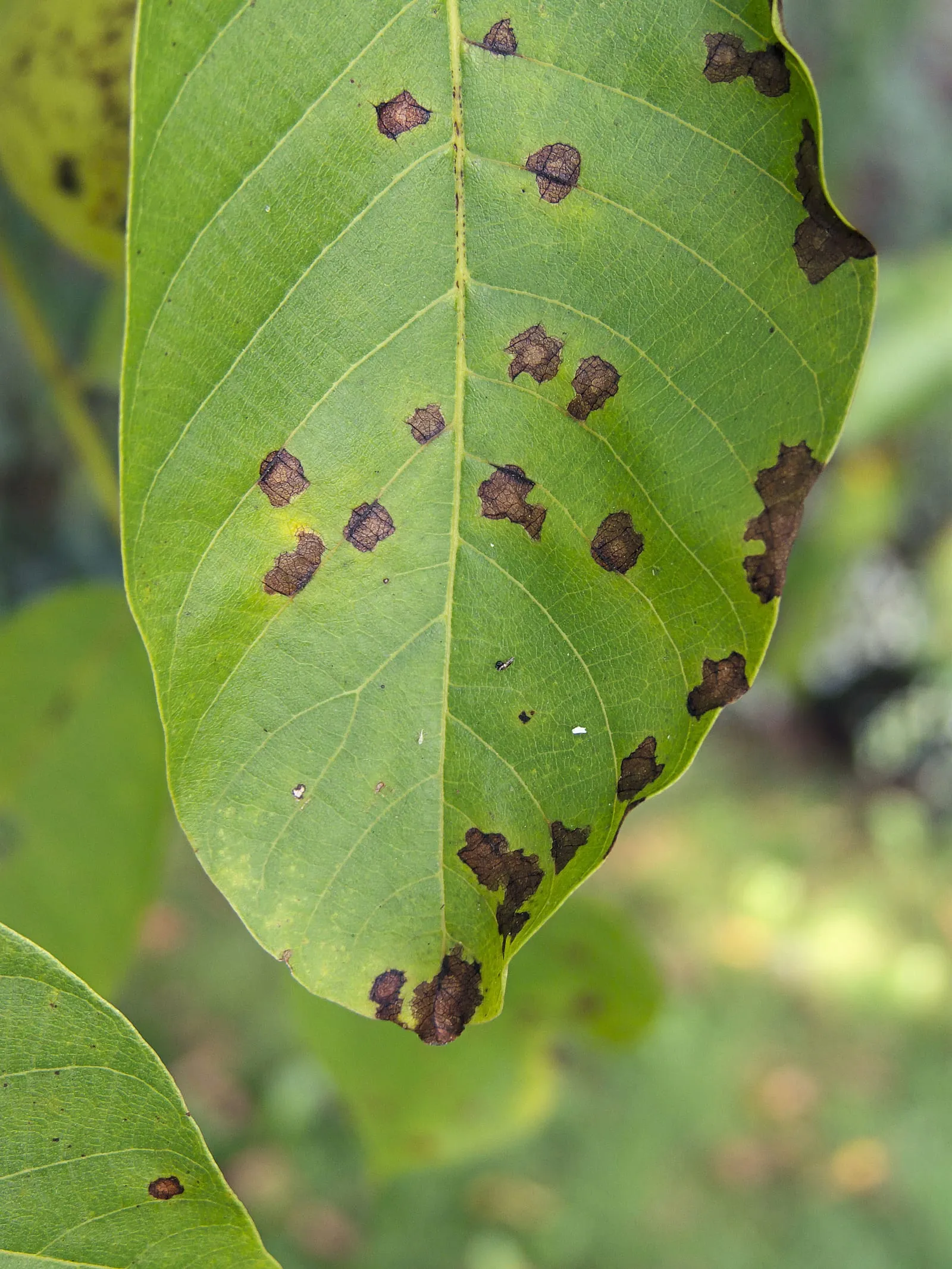
Ophiognomonia leptostyla
Fungal leaf disease causing premature defoliation in wet seasons, weakening trees over consecutive years and reducing kernel fill.
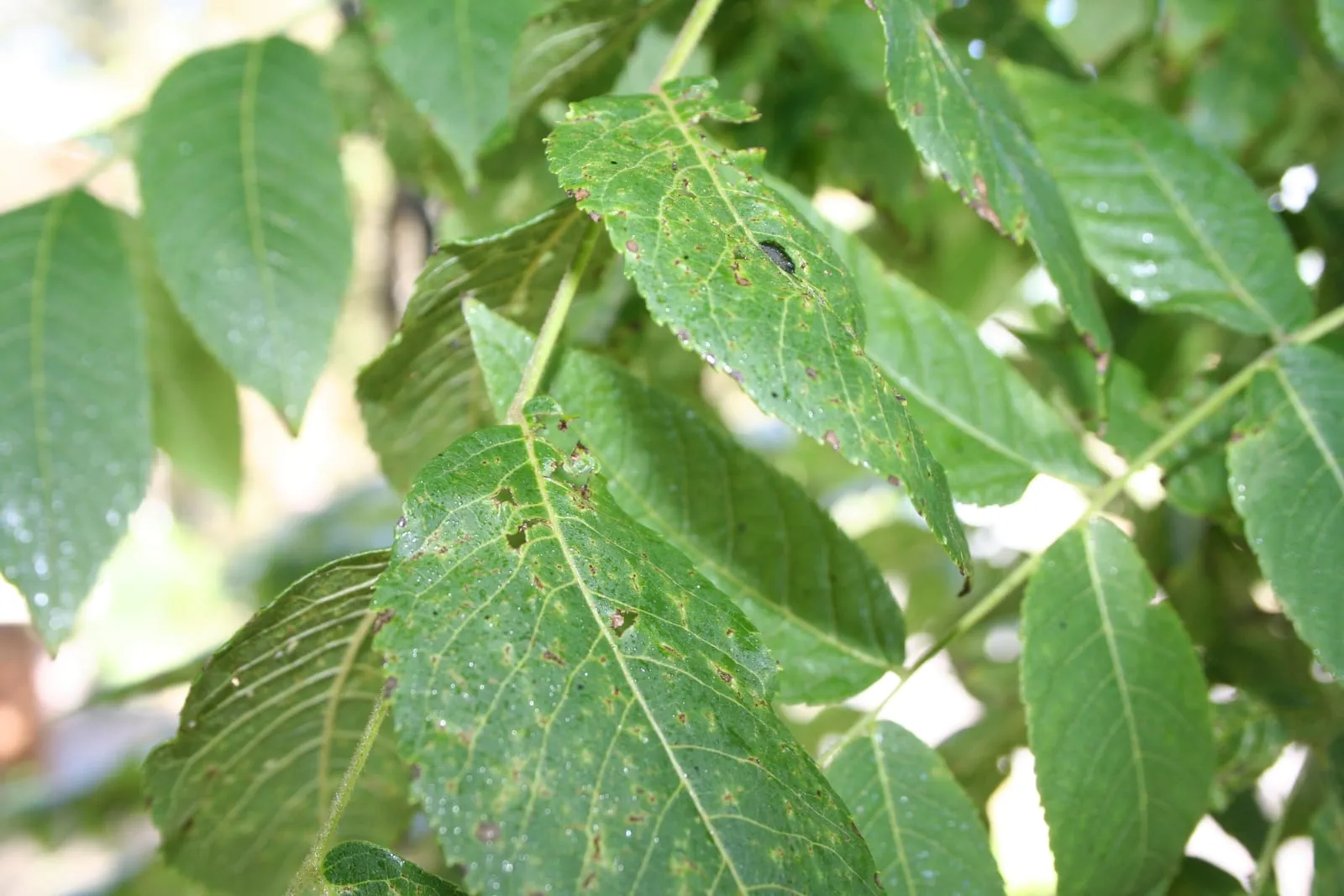
Geosmithia morbida (vectored by Pityophthorus juglandis)
Fatal disease of black walnut caused by a fungus vectored by the walnut twig beetle. Spreading eastward from the western US, devastating native black walnut stands.
Modified care for zone 7a
The primary adjustment in zone 7a is managing disease pressure under high summer humidity. Walnut anthracnose thrives in warm, wet conditions and causes premature defoliation; in zone 7a, extended periods of humidity from June through August make anthracnose a near-annual concern rather than an occasional one. Pruning for an open canopy structure and avoiding overhead irrigation significantly reduce the leaf wetness duration that drives infection. Thousand Cankers Disease, caused by the walnut twig beetle and an associated fungus, has expanded its range into the Southeast; growers should inspect branch diapause wounds annually and avoid introducing wood from infected regions. No extra winter protection is needed in zone 7a for established trees, but young transplants benefit from mulching the root zone in their first winter to protect the shallow feeder roots from freeze-thaw heaving.
Frequently asked questions
- Does black walnut get enough chill hours in zone 7a?
Most of zone 7a accumulates 800 to 1,200 chill hours in a typical winter, which falls within black walnut's 700 to 1,500 hour requirement. Named varieties like Thomas and Sparks 127 perform reliably here. In warmer microclimates near the zone's lower edge, tracking actual chill hours before planting is worthwhile.
- When should black walnut nuts be harvested in zone 7a?
Nuts are ready to harvest when the outer hull softens and begins to turn from green to yellowish-brown, typically late September through October. Collecting them promptly after they fall reduces surface mold and staining from the hulls.
- Is walnut anthracnose a serious problem in zone 7a?
It can be. The high humidity of zone 7a summers creates favorable conditions for anthracnose, which causes dark lesions on leaves and early defoliation. Repeated severe infections weaken the tree over time. An open canopy that promotes air circulation is the main cultural defense; there are no practical spray programs at the home orchard scale.
+−
+−
+−
Black Walnut in adjacent zones
Image: "Juglans nigra nuts", by Gmihail at Serbian Wikipedia, via Wikimedia Commons, licensed under CC-BY Source.

Related