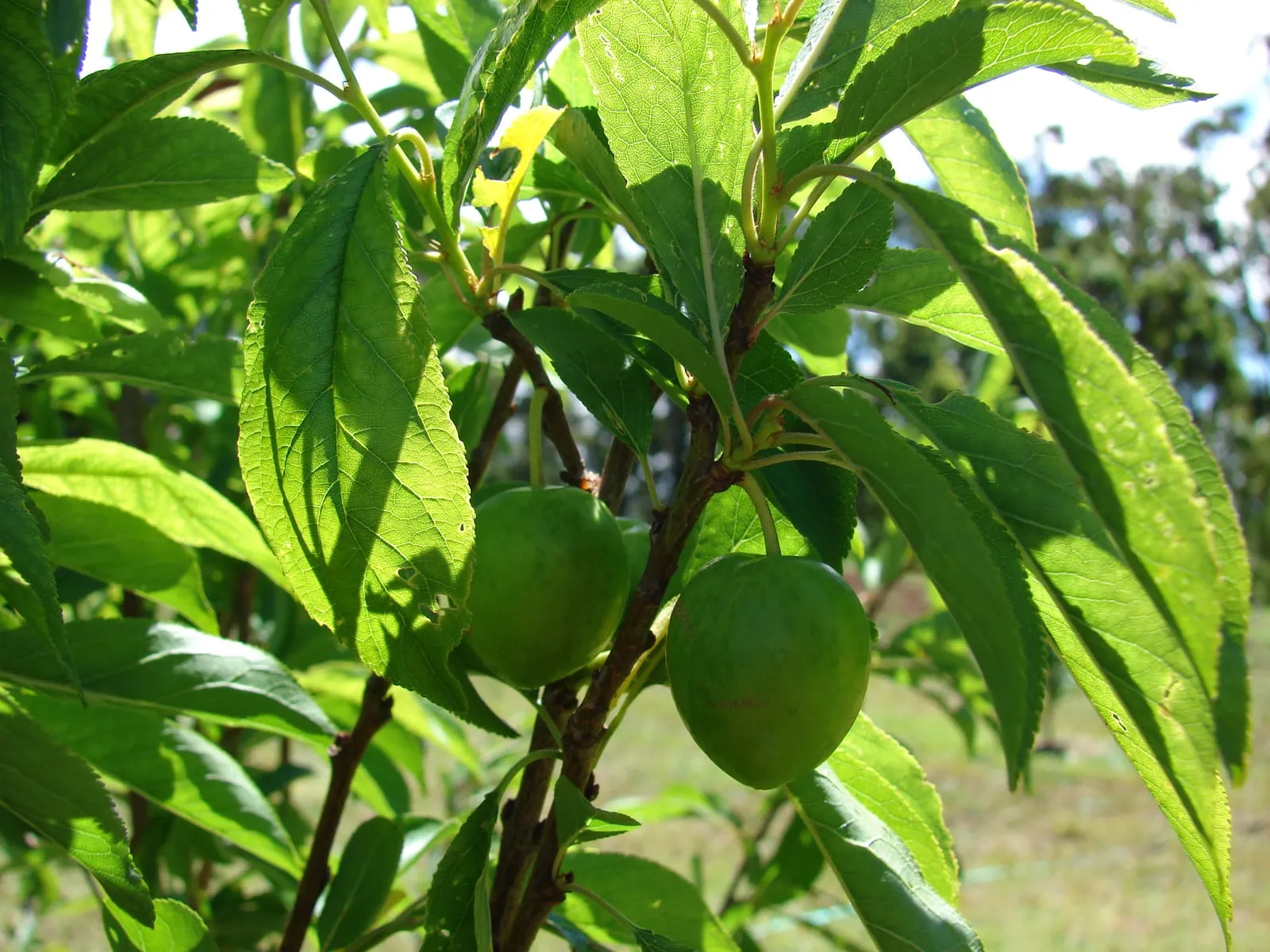
fruit tree in zone 6a
Growing japanese plum in zone 6a
Prunus salicina
- Zone
- 6a -10°F to -5°F
- Growing season
- 180 days
- Chill needed
- 500 to 900 below 45°F
- Suitable varieties
- 3
- Days to harvest
- 120 to 150
The verdict
Zone 6a sits comfortably within Japanese plum's preferred range, closer to a sweet spot than a marginal case. Chill hour accumulation in zone 6a typically runs 1,000 to 1,400 hours per winter, well above the 500 to 900 hours most Japanese plum varieties require. That surplus means trees break dormancy reliably and set fruit consistently, without the underchill problems that affect Japanese plum in zones 8 and warmer.
The real constraint in zone 6a is not cold tolerance but bloom timing. Japanese plum flowers early, and zone 6a's last frost often falls in mid-April, creating a direct conflict with the bloom window. Variety selection is the primary tool for managing that risk. Methley is partially self-fertile and among the more frost-tolerant options at bloom. Santa Rosa tends to bloom slightly later, which can help sidestep the coldest late-frost events. Shiro performs well in zone 6a but requires a compatible pollinator planted nearby. Zone 6a's 180-day growing season is sufficient for all three to ripen fully.
Recommended varieties for zone 6a
3 cultivars suited to this zone, with disease-resistance and zone-fit annotations.
| Variety | Notes | Zone fit | Disease resistance |
|---|---|---|---|
| Methley fits zone 6a | Very sweet, juicy, dark red flesh and skin; outstanding fresh-eating plum, juice runs down your chin. Self-fertile and broadly adapted. | | none noted |
| Santa Rosa fits zone 6a | Sweet-tart with rich complex flavor, juicy, deep red skin and amber flesh; the classic California fresh-eating plum, also excellent for jam. | | none noted |
| Shiro fits zone 6a | Sweet, mild, juicy, yellow skin and flesh; fresh eating and good for cooking. Heavy producer, often the first plum to ripen. | | none noted |
Critical timing for zone 6a
Japanese plum blooms in late March to early April in zone 6a, one of the earliest stone fruits to flower. Zone 6a's average last frost falls around April 10 to 15, depending on local topography and elevation, which puts the bloom window directly inside the frost risk period. A single frost at 28°F or below during full bloom can eliminate the majority of a season's fruit set.
Harvest timing varies by variety. Methley is among the earliest to ripen, typically ready in late June to early July. Santa Rosa follows in mid-July. Shiro peaks in late July to early August. All three reach maturity well before zone 6a's first fall frost, so late-season ripening is not a concern. The main timing challenge is entirely at the front end of the season.
Common challenges in zone 6a
- ▸ Brown rot in stone fruit
- ▸ Japanese beetles
- ▸ Spring frost damage to peach buds
Disease pressure to watch for
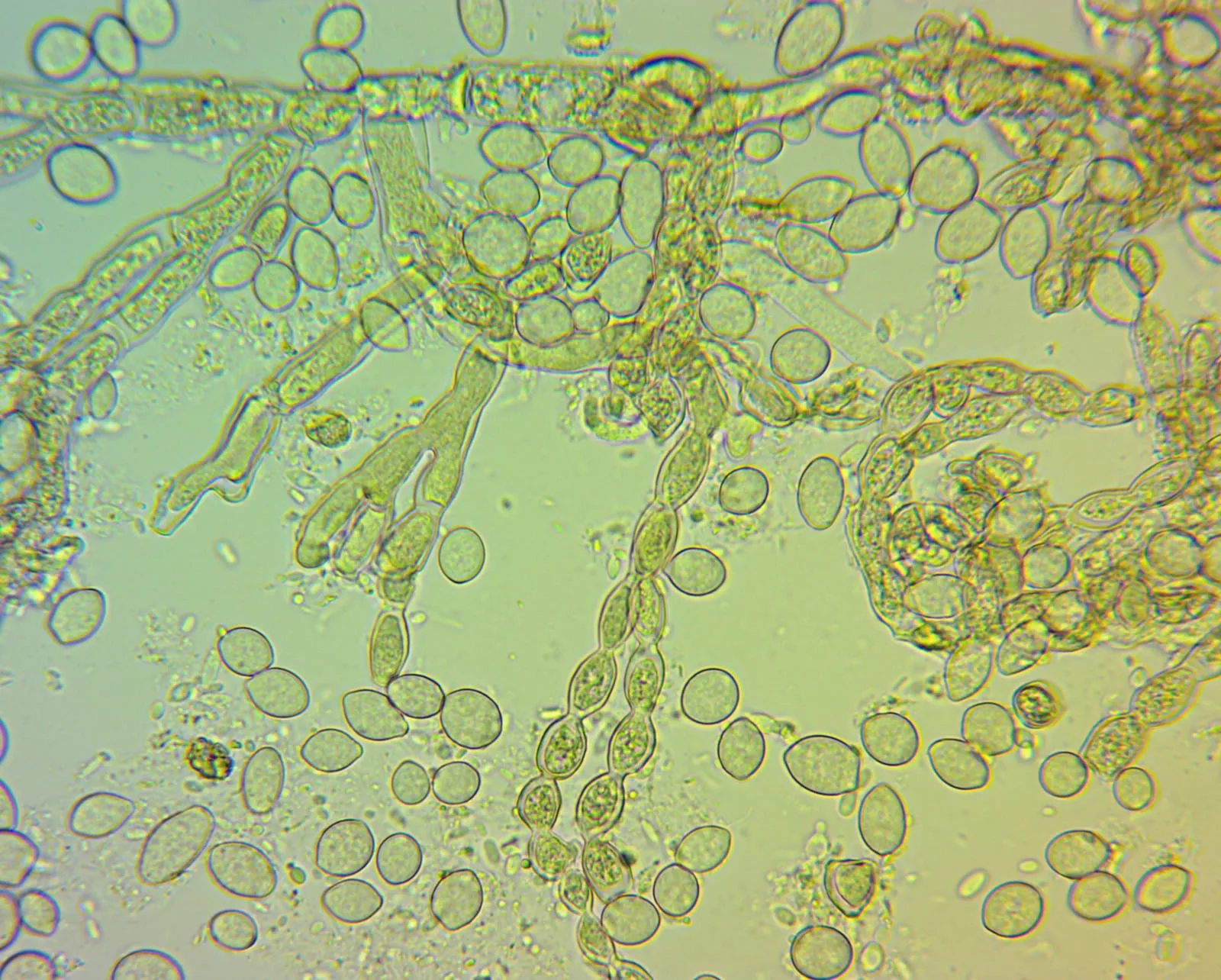
Monilinia fructicola
The most damaging stone-fruit and almond disease, causing blossom blight and fruit rot.
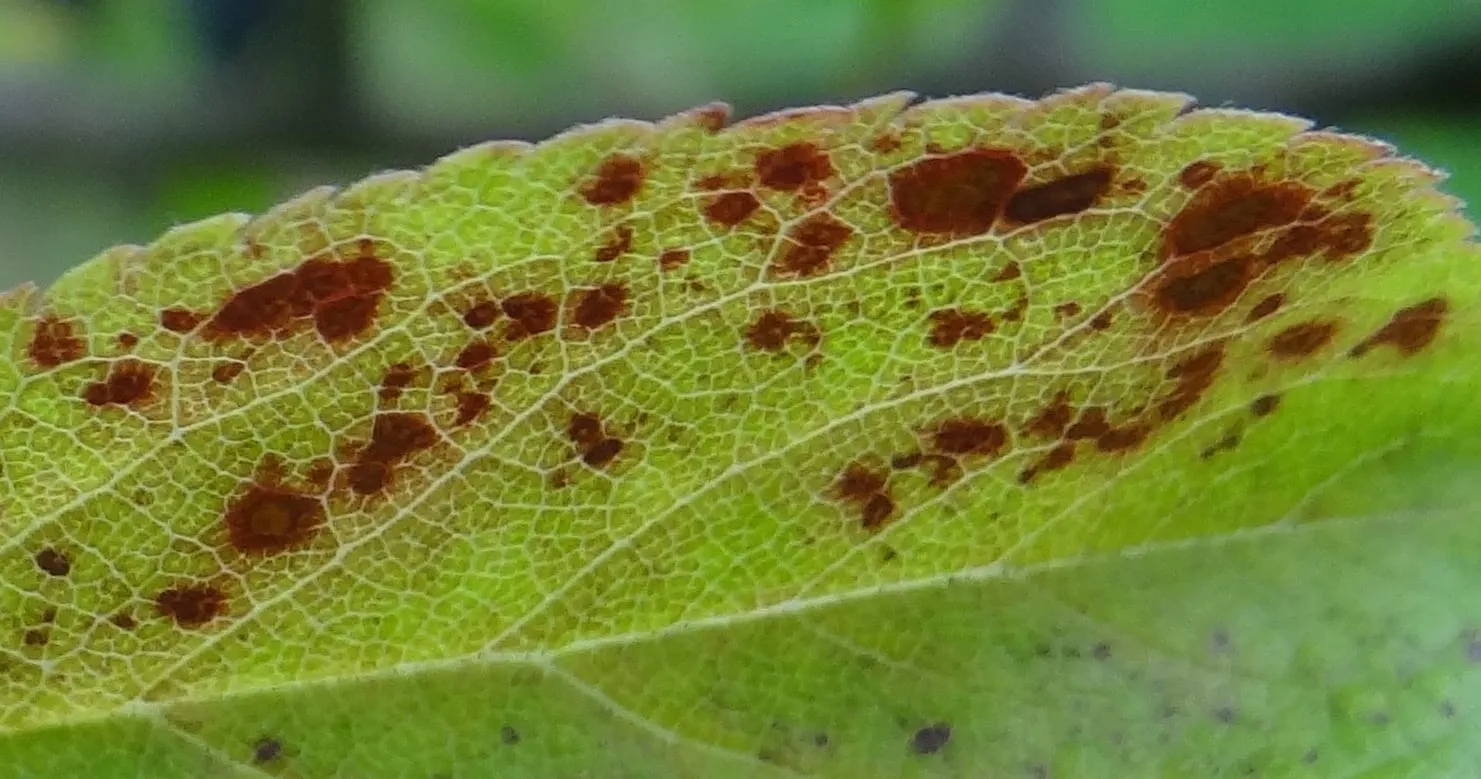
Xanthomonas arboricola pv. pruni
Bacterial disease causing leaf spots and fruit blemishes, severe in warm humid regions.
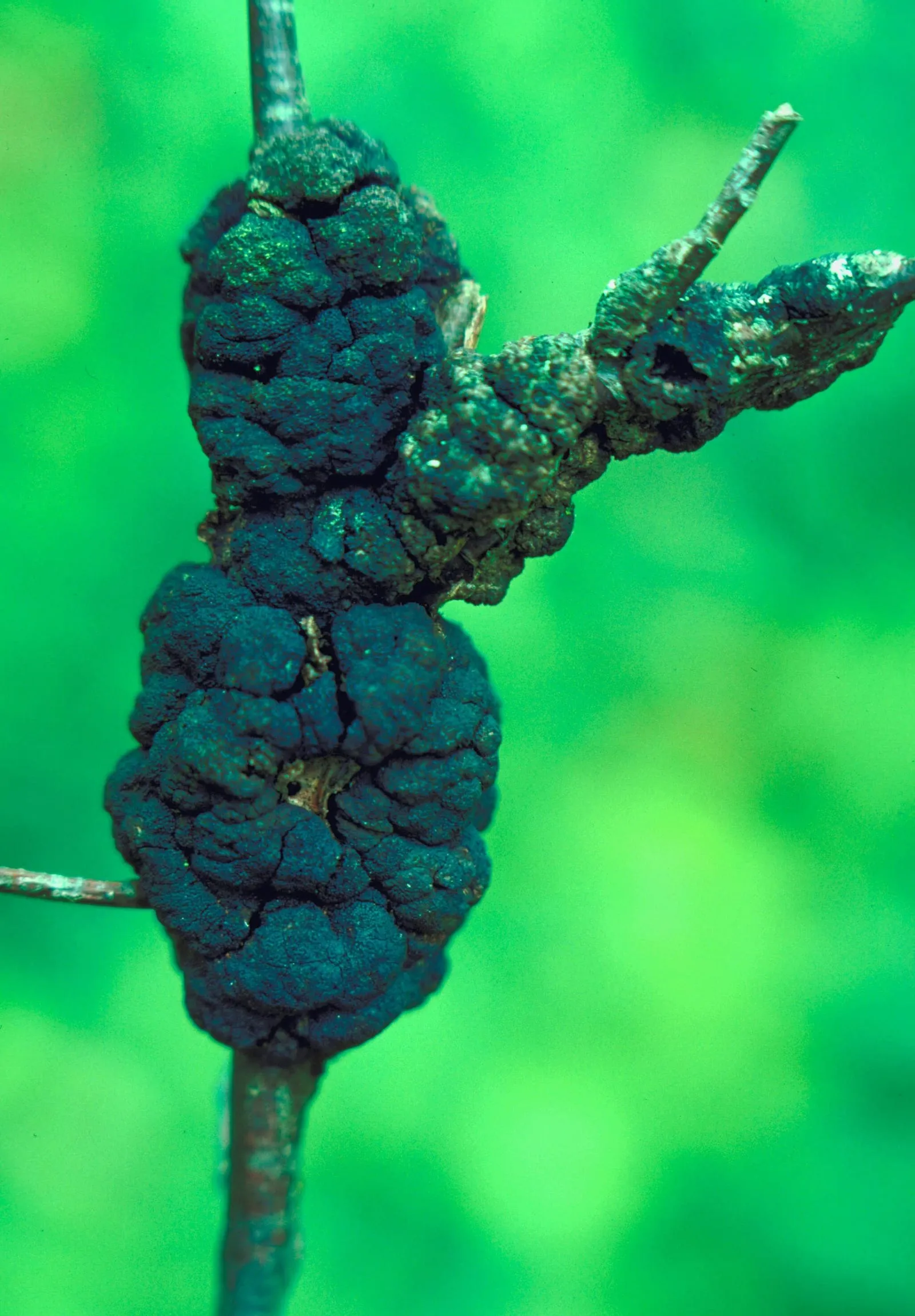
Apiosporina morbosa
Fungal disease producing characteristic black warty galls on plum and cherry branches.
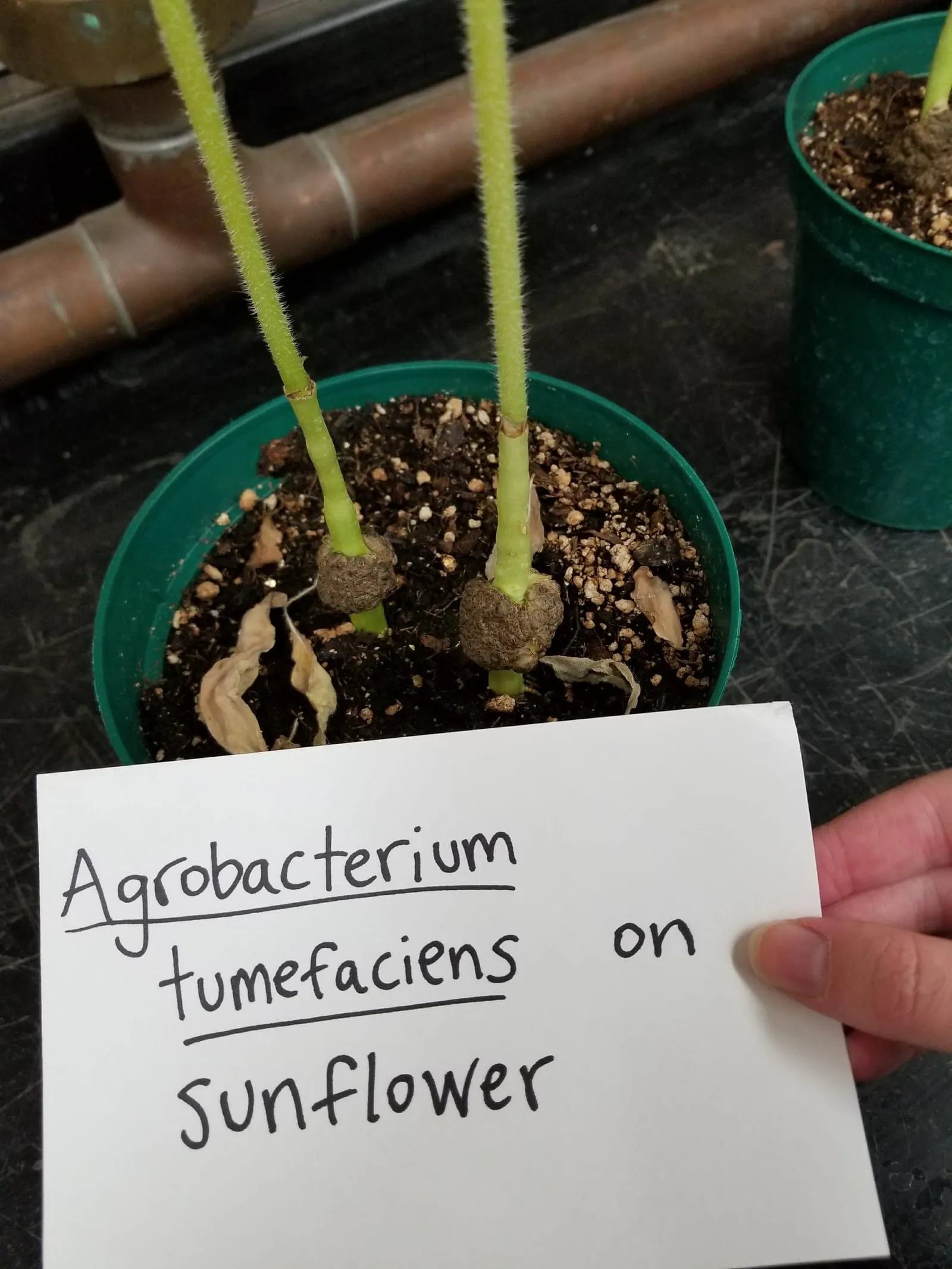
Agrobacterium tumefaciens
Soil-borne bacterium that enters plants through wounds and induces tumor-like galls on roots, crown, and lower stems. Galls reduce vigor and shorten plant lifespan; on Rubus the disease is often fatal.
Modified care for zone 6a
The most important adaptation in zone 6a is protecting open flowers from late frosts. For small plantings, frost cloth applied when temperatures are forecast to drop below 28°F during bloom can prevent significant crop loss. Site selection provides a passive version of the same protection: planting on a north-facing slope or slightly elevated position delays bloom by several days and reduces frost exposure without any active intervention.
Brown rot is the dominant disease threat for stone fruit in humid zone 6 climates. Pruning to an open canopy structure improves airflow and reduces the warm, wet conditions brown rot requires. Removing mummified fruit at the end of each season eliminates the primary overwintering inoculum. Bacterial spot, which favors warm wet springs, responds to copper sprays applied before bud swell. Japanese beetle pressure in July overlaps with early harvest for Methley; perimeter trapping and early-morning hand removal are more targeted than broad-spectrum insecticides that reduce beneficial insect populations.
Frequently asked questions
- Do Japanese plums need a pollinator in zone 6a?
It depends on the variety. Methley is partially self-fertile and will produce a crop on its own, though yields improve with a pollinator nearby. Santa Rosa and Shiro both produce better with a compatible second variety planted within 50 feet. Most Japanese plums cross-pollinate well with each other as long as bloom times overlap.
- How much cold can Japanese plum buds survive in zone 6a?
Open flowers are damaged at around 28°F and killed outright below 25°F. Tight pink-bud stage offers slightly more protection, surviving to around 22 to 24°F. Zone 6a winters rarely threaten the trees themselves, but late spring frosts during bloom are the primary cause of crop failure in this zone.
- Is brown rot a serious problem for Japanese plum in zone 6a?
Yes. Brown rot (Monilinia fructicola) is the most consistent disease problem for stone fruit in zone 6a's humid climate. It strikes ripening fruit quickly during warm, wet periods in late June and July. Good canopy airflow, prompt harvest, and removal of mummified fruit at season's end significantly reduce pressure without relying on fungicide schedules.
+−
+−
+−
Japanese Plum in adjacent zones
Image: "Starr 080405-3957 Prunus salicina", by Forest & Kim Starr, via Wikimedia Commons, licensed under CC-BY Source.

Related