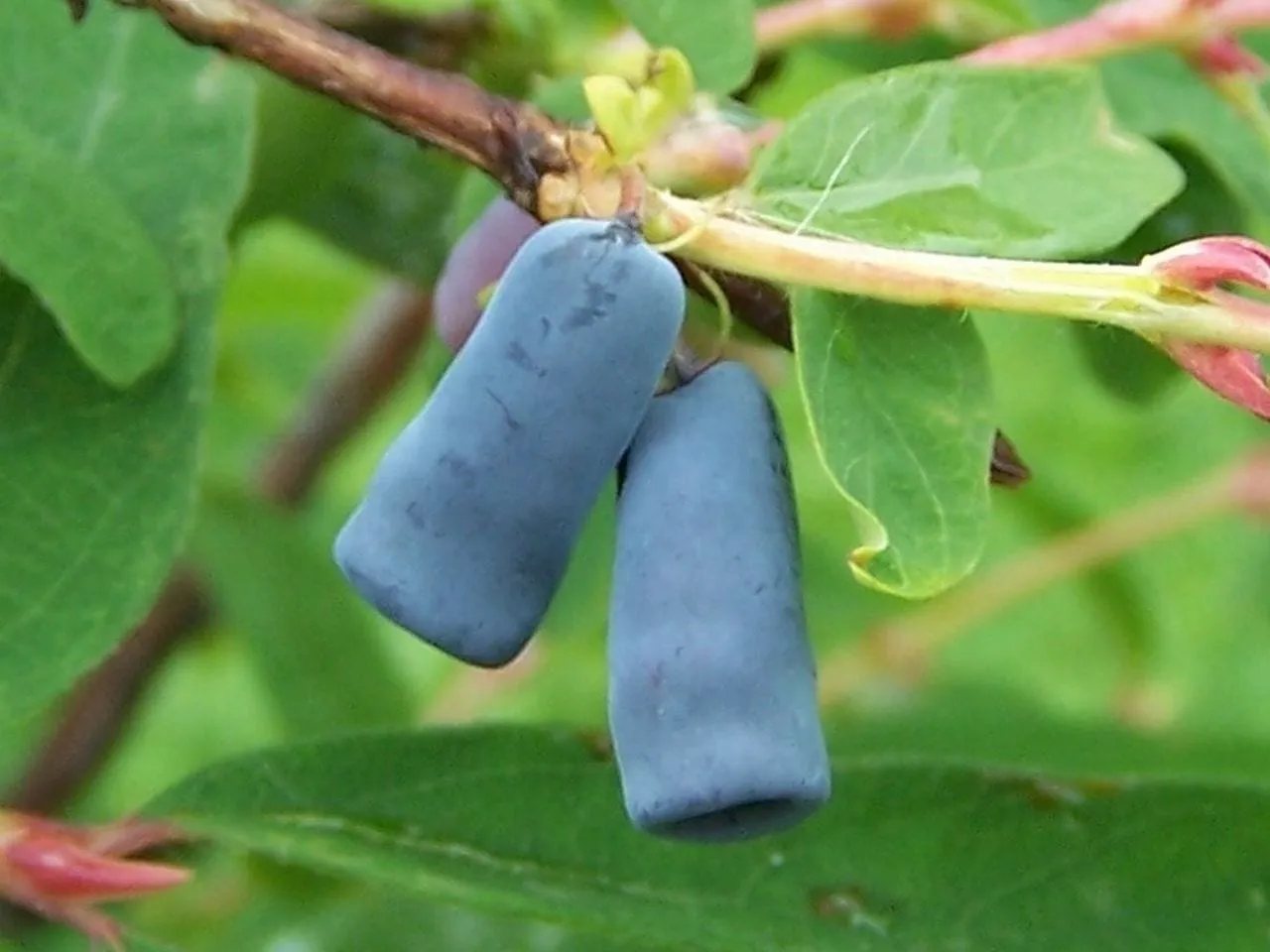
berry in zone 6a
Growing honeyberry (haskap) in zone 6a
Lonicera caerulea
- Zone
- 6a -10°F to -5°F
- Growing season
- 180 days
- Chill needed
- 1500 to 2000 below 45°F
- Suitable varieties
- 4
- Days to harvest
- 30 to 50
The verdict
Zone 6a is workable for honeyberry but sits at the warmer edge of the crop's preferred range. The plants themselves are exceptionally cold-hardy, surviving winters well below the zone's -10 to -5°F floor without injury. The more relevant question is chill-hour accumulation. At a requirement of 1,500 to 2,000 hours, honeyberry pushes against what many zone 6a sites reliably deliver. Northern-exposure slopes, higher elevations, and sites in the northern tier of zone 6a states typically accumulate 1,200 to 1,500 hours in most winters, making adequate chill plausible but not guaranteed in mild years. Warmer valley floors or sites in the southern portion of the zone may fall short in warm winters. Among the compatible varieties, Borealis and Tundra carry high-latitude genetics and tend to perform more consistently at the lower end of the chill range. Aurora and Indigo Treat are better suited to sites that routinely hit the upper end. This is not a marginal zone for plant survival, but it can be marginal for full productive potential depending on the specific site and winter.
Recommended varieties for zone 6a
4 cultivars suited to this zone, with disease-resistance and zone-fit annotations.
| Variety | Notes | Zone fit | Disease resistance |
|---|---|---|---|
| Aurora fits zone 6a | Sweet-tart, complex blueberry-grape-raspberry flavor, soft elongated dark-blue berries; fresh, jam, baking, freezing. University of Saskatchewan release, large fruit, productive. Pairs with Borealis. | | none noted |
| Borealis fits zone 6a | Sweet-tart, intense flavor with raspberry-blueberry notes, large soft berries; fresh, jam, syrup. Saskatchewan release, the standard pollinator partner for Aurora. | | none noted |
| Tundra fits zone 6a | Sweet-tart, balanced flavor, firmer than other haskaps; fresh, processing, mechanical harvest. Productive Saskatchewan release, holds quality on the bush. | | none noted |
| Indigo Treat fits zone 6a | Sweet-tart, rich complex flavor; fresh and jam. Cornell-evaluated cultivar with reliable productivity in northeastern conditions. Pairs with Indigo Gem. | | none noted |
Critical timing for zone 6a
Honeyberry blooms earlier than nearly any other fruiting shrub, typically in late February to mid-March in zone 6a. That timing creates a direct conflict with the zone's frost calendar: last frost dates in zone 6a generally fall between late March and mid-April, meaning open blooms are present during periods when hard freezes remain likely. A single night at 28°F or below during full bloom can eliminate the season's fruit set entirely. Harvest follows roughly six to eight weeks after bloom, placing ripe berries in May to early June, well before Japanese beetle pressure peaks and before most summer disease conditions develop. That compressed early season is both the crop's appeal and its primary vulnerability in zone 6a.
Common challenges in zone 6a
- ▸ Brown rot in stone fruit
- ▸ Japanese beetles
- ▸ Spring frost damage to peach buds
Disease pressure to watch for
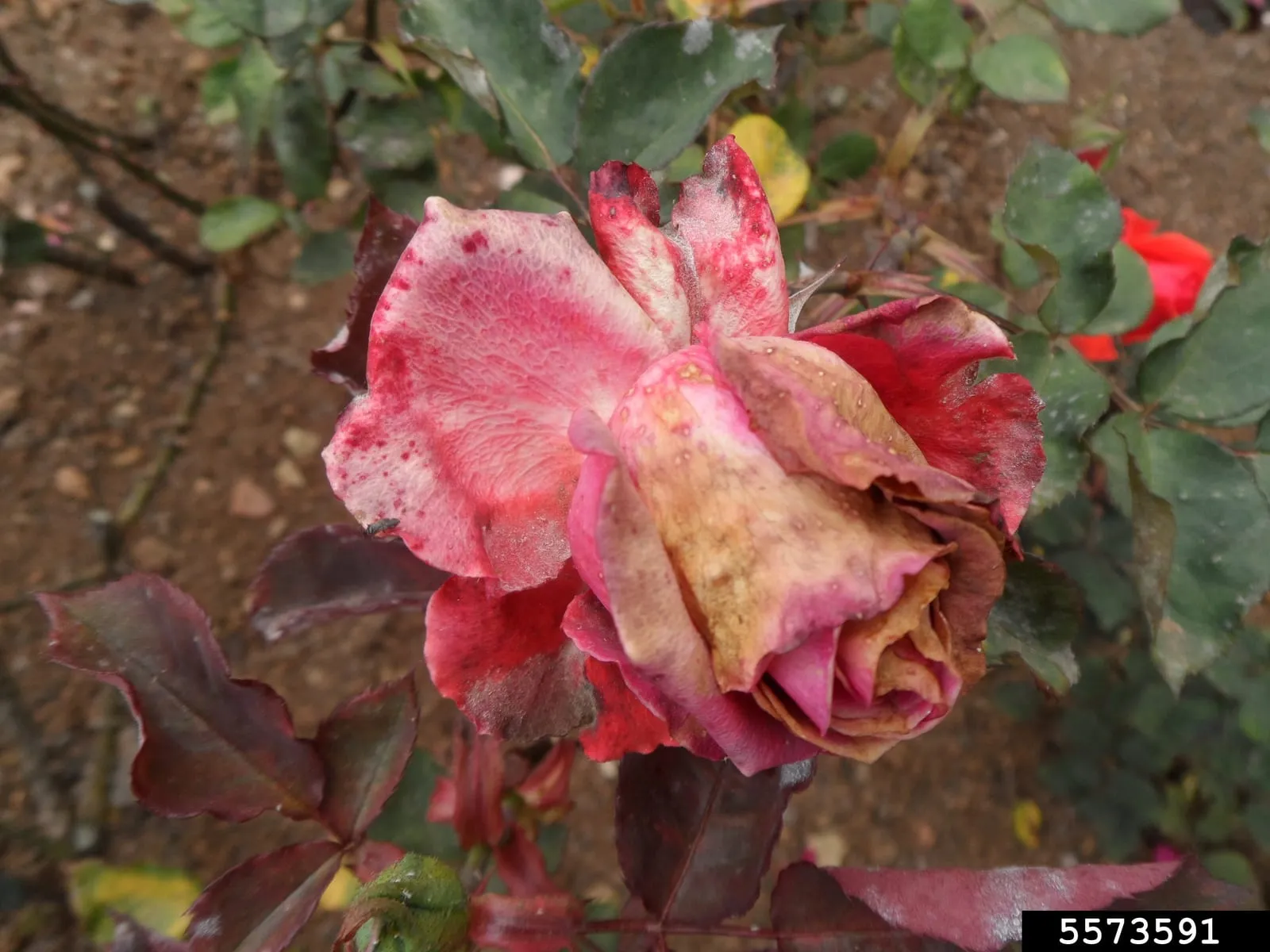
Botrytis cinerea
Ubiquitous fungal disease that causes fruit rot during cool wet weather, often the dominant berry disease in humid regions.
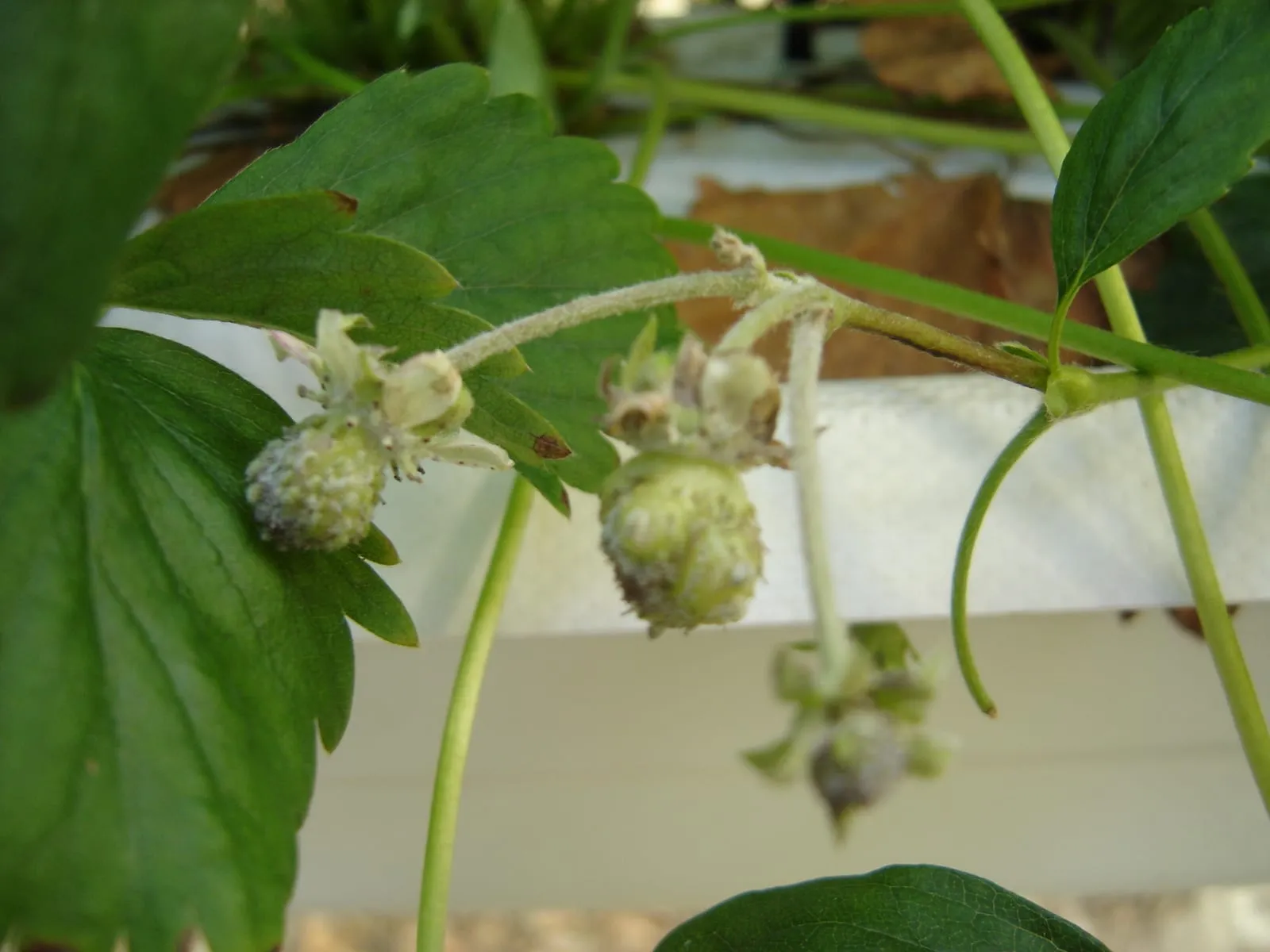
Podosphaera and Sphaerotheca species
Surface-feeding fungal disease producing white powdery growth on leaves and fruit, particularly damaging on gooseberries.
Modified care for zone 6a
The most consequential management decision in zone 6a is site selection for frost avoidance. North-facing aspects delay bloom by a week or more compared to south-facing exposures, reducing overlap with hard-frost nights. Avoid low-lying frost pockets where cold air pools. The plants need no winter mulching or wrapping; that effort is better spent on site drainage and air circulation. Gray Mold (Botrytis) is the primary disease concern, and it thrives in the cool, wet springs typical of zone 6a's bloom period. Keeping canopy open through annual renewal pruning reduces humidity inside the plant and limits infection. Berry Powdery Mildew is a secondary risk during dry stretches in June. Japanese beetles arrive in July, after harvest is complete, but heavy pressure can defoliate plants in late summer; hand-picking or perimeter traps are sufficient at the scale of a home planting.
Frequently asked questions
- Will honeyberry actually produce fruit in zone 6a, or is it too warm?
Most zone 6a sites can support honeyberry production, but results depend heavily on winter chill accumulation at the specific location. Northern exposures and elevated sites within zone 6a are more reliable than warm valley floors. Varieties with high-latitude genetics like Borealis and Tundra are the safer starting point.
- Does honeyberry need a pollination partner in zone 6a?
Yes. Honeyberry is largely self-incompatible and requires two or more genetically distinct varieties blooming simultaneously for reliable fruit set. All four compatible varieties listed here overlap in bloom time, so any two of them planted together will cross-pollinate.
- How do I protect honeyberry blooms from late frosts?
Site selection is the first line of defense: north-facing slopes delay bloom and reduce frost exposure. When a hard freeze is forecast during bloom, a single layer of floating row cover draped loosely over the shrub overnight provides 4 to 6 degrees of protection, which is often enough to save the crop.
- When is honeyberry ripe in zone 6a?
Expect ripe berries in May to early June, roughly six to eight weeks after bloom. Color alone is unreliable; the berries turn blue before they are fully ripe. Taste-test before harvesting, as fully ripe fruit has noticeably lower astringency than fruit picked a week early.
+−
+−
+−
+−
Honeyberry (Haskap) in adjacent zones
Image: "Lonicera coerulea a3", by Opioła Jerzy (Poland), via Wikimedia Commons, licensed under CC-BY Source.

Related