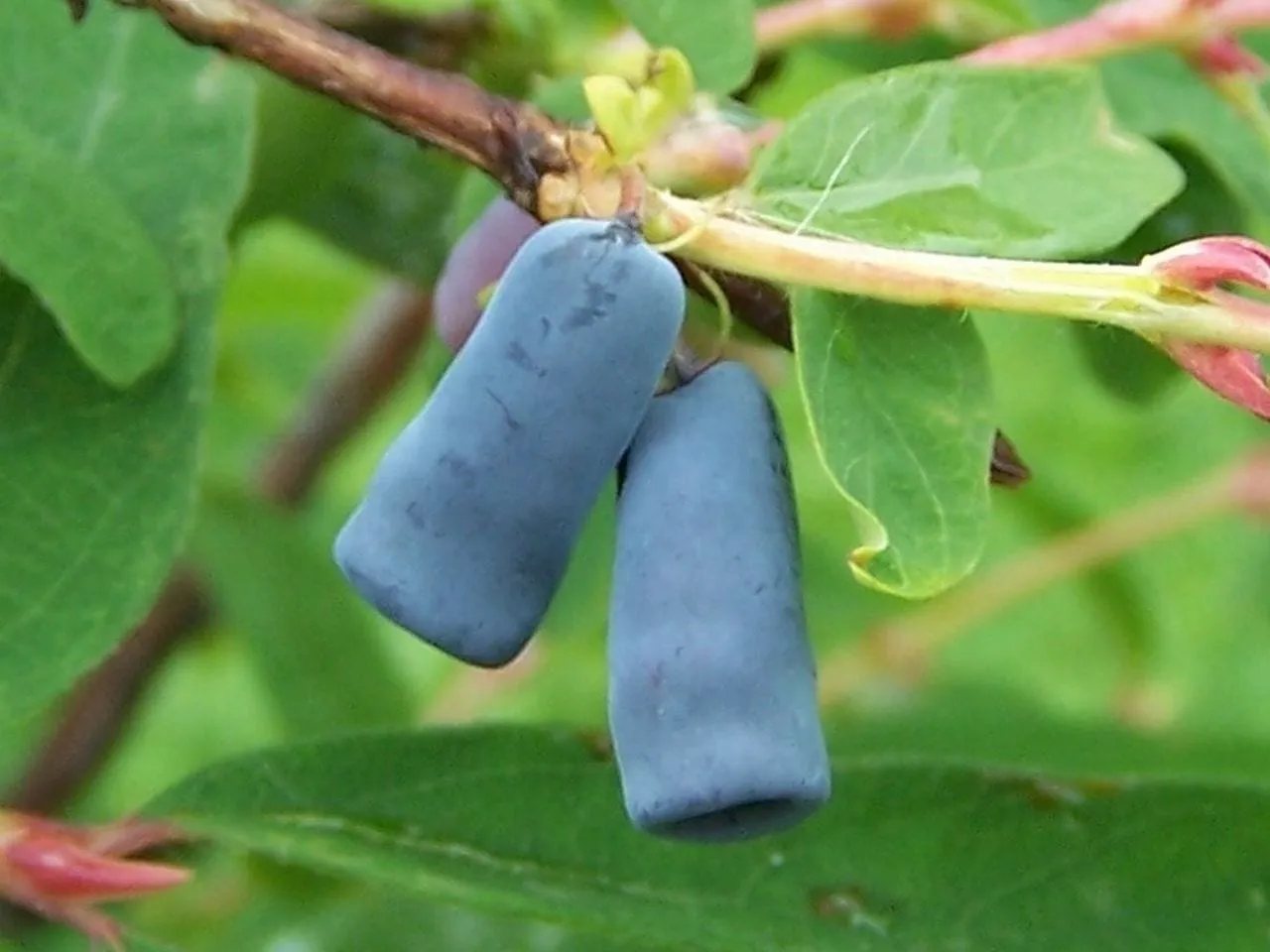
berry in zone 6b
Growing honeyberry (haskap) in zone 6b
Lonicera caerulea
- Zone
- 6b -5°F to 0°F
- Growing season
- 190 days
- Chill needed
- 1500 to 2000 below 45°F
- Suitable varieties
- 3
- Days to harvest
- 30 to 50
The verdict
Zone 6b sits at the warm edge of honeyberry's productive range. The crop's chill-hour requirement of 1,500 to 2,000 hours is the binding variable here. Northern zone 6b locations, particularly in the upper Midwest and New England, typically accumulate sufficient cold hours in a normal winter. Southern zone 6b sites, such as parts of the Mid-Atlantic and upper South, can fall 200 to 400 hours short in mild winters, which reduces fruit set even when plants leaf out and bloom normally.
The minimum temperatures of -5 to 0°F are not a concern for plant survival: honeyberry (haskap) is cold-hardy to approximately -40°F, and the named varieties Aurora, Borealis, and Indigo Treat all handle zone 6b winters without damage. The risk is at the warm end of the range, not the cold end. Treat zone 6b as workable but not a sweet spot. Growers in cooler microclimates, north-facing slopes, or at higher elevations within the zone will see more consistent yields than those on warm, south-facing sites.
Recommended varieties for zone 6b
3 cultivars suited to this zone, with disease-resistance and zone-fit annotations.
| Variety | Notes | Zone fit | Disease resistance |
|---|---|---|---|
| Aurora fits zone 6b | Sweet-tart, complex blueberry-grape-raspberry flavor, soft elongated dark-blue berries; fresh, jam, baking, freezing. University of Saskatchewan release, large fruit, productive. Pairs with Borealis. | | none noted |
| Borealis fits zone 6b | Sweet-tart, intense flavor with raspberry-blueberry notes, large soft berries; fresh, jam, syrup. Saskatchewan release, the standard pollinator partner for Aurora. | | none noted |
| Indigo Treat fits zone 6b | Sweet-tart, rich complex flavor; fresh and jam. Cornell-evaluated cultivar with reliable productivity in northeastern conditions. Pairs with Indigo Gem. | | none noted |
Critical timing for zone 6b
Honeyberry blooms unusually early, often in late February through late March in zone 6b, making it one of the first fruiting crops to flower each season. The zone's average last frost date typically falls between mid-April and early May, which means open flowers regularly overlap with late-season freezes. A single night below 28°F during bloom can eliminate most of the crop.
Fruit development is rapid: berries typically ripen within 45 to 60 days of pollination, putting harvest in late May to mid-June across most zone 6b sites. This compressed window is actually an advantage, as the harvest is often complete before peak summer heat arrives. The 190-day growing season is far more than the crop requires.
Common challenges in zone 6b
- ▸ Cedar-apple rust
- ▸ Fire blight
- ▸ Stink bugs
Disease pressure to watch for
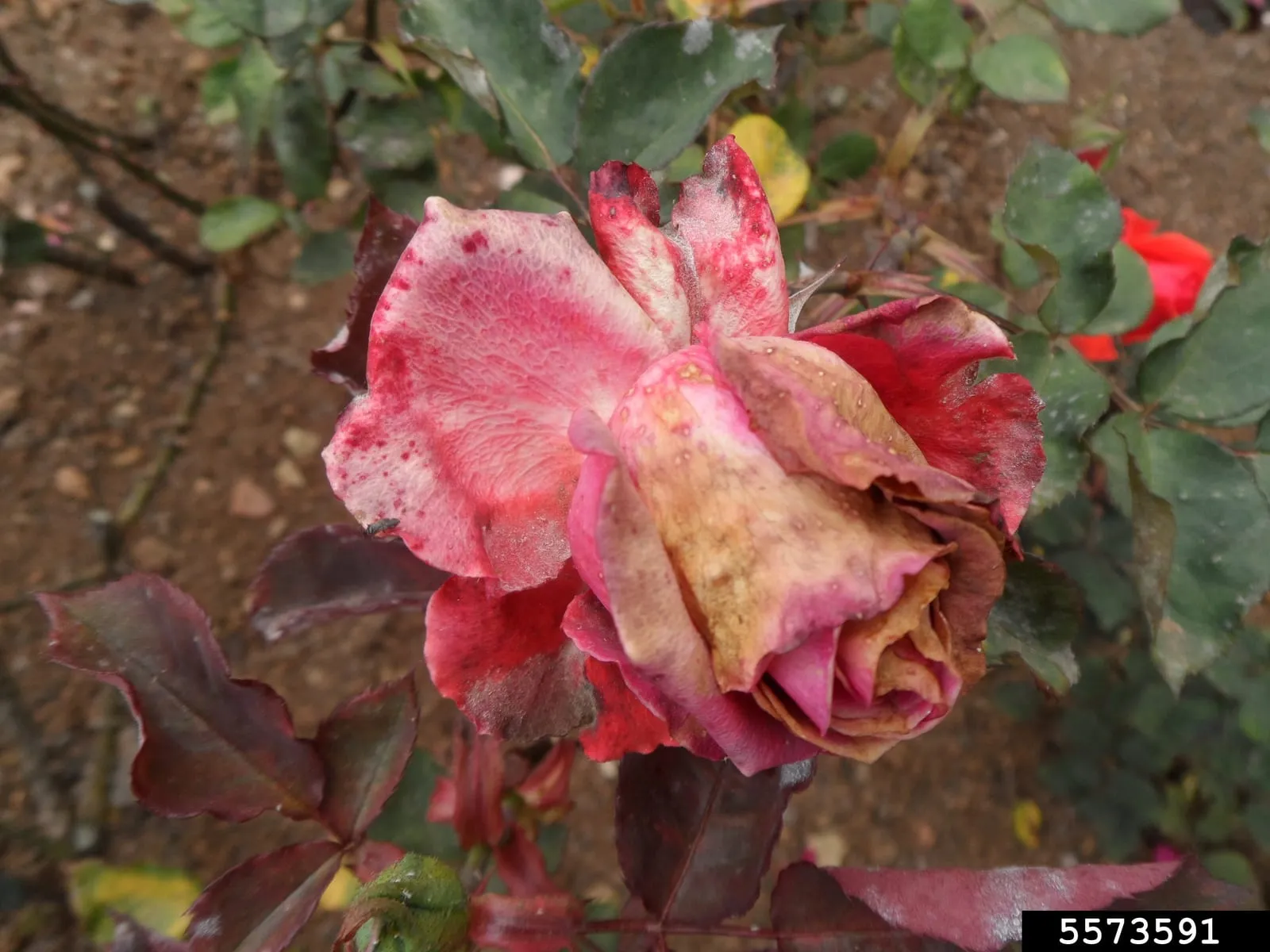
Botrytis cinerea
Ubiquitous fungal disease that causes fruit rot during cool wet weather, often the dominant berry disease in humid regions.
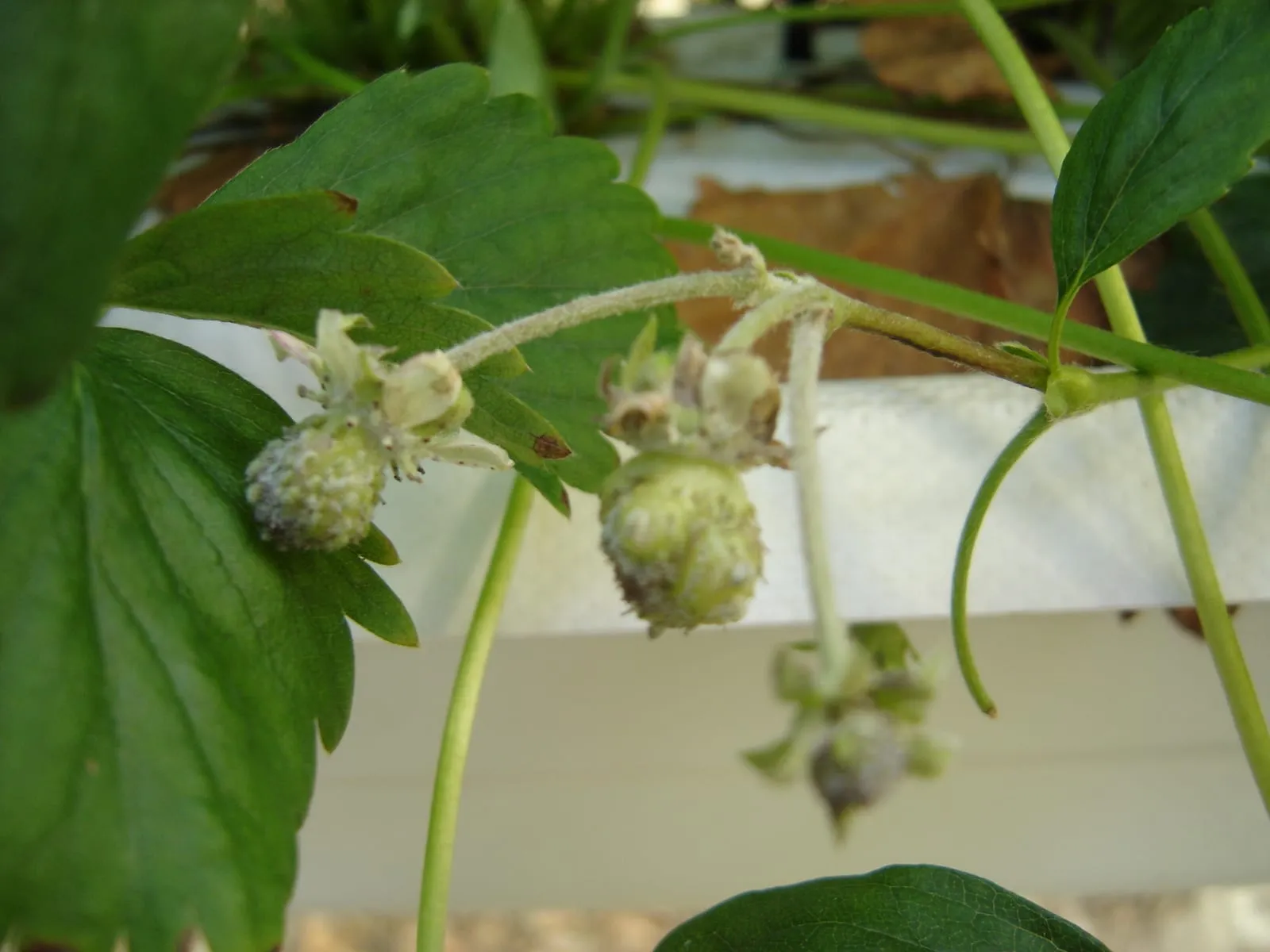
Podosphaera and Sphaerotheca species
Surface-feeding fungal disease producing white powdery growth on leaves and fruit, particularly damaging on gooseberries.
Modified care for zone 6b
The most important management adjustment in zone 6b is protecting early bloom from late frosts. Lightweight row cover or frost cloth applied when temperatures drop below 28°F during bloom can preserve fruit set. Permanent overhead structures are rarely practical for shrubs, so a supply of row cover stored close at hand is the realistic approach.
In the warmer, more humid parts of zone 6b, Gray Mold (Botrytis) is the primary disease concern. It spreads rapidly in wet spring conditions when flowers and developing berries are densely packed. Spacing plants at least four to five feet apart improves air circulation and measurably reduces infection rates. Berry Powdery Mildew is less prevalent but worth monitoring after humid summers. Stink bugs cause direct berry damage during the ripening window, particularly in Mid-Atlantic zone 6b sites; exclusion netting is effective where pressure is high.
Frequently asked questions
- Will honeyberry grow in zone 6b?
Yes, with caveats. Varieties like Aurora, Borealis, and Indigo Treat survive zone 6b winters without difficulty. The real risk is chill-hour shortfall in mild winters, which can reduce fruit set, and the crop's early bloom window often overlaps with late spring frosts in zone 6b.
- How many chill hours does honeyberry need, and does zone 6b provide them?
Honeyberry requires 1,500 to 2,000 chill hours annually. Northern zone 6b sites typically meet this threshold; southern zone 6b sites may fall short in mild winters. Tracking actual chill-hour accumulation at your location over two or three seasons gives a more reliable picture than zone averages alone.
- When does honeyberry fruit ripen in zone 6b?
Expect harvest from late May through mid-June in most zone 6b locations. Honeyberry is among the earliest fruiting shrubs, and the berries typically ripen before summer heat peaks, which is one of the crop's practical advantages in this zone.
- What diseases affect honeyberry in zone 6b?
Gray Mold (Botrytis) is the primary concern, especially in wet springs. Good air circulation through proper spacing reduces risk substantially. Berry Powdery Mildew can appear in humid summers but is generally less damaging than Botrytis.
+−
+−
+−
+−
Honeyberry (Haskap) in adjacent zones
Image: "Lonicera coerulea a3", by Opioła Jerzy (Poland), via Wikimedia Commons, licensed under CC-BY Source.

Related