berry in zone 7a
Growing honeyberry (haskap) in zone 7a
Lonicera caerulea
- Zone
- 7a 0°F to 5°F
- Growing season
- 210 days
- Chill needed
- 1500 to 2000 below 45°F
- Suitable varieties
- 0
- Days to harvest
- 30 to 50
The verdict
Honeyberry (haskap) is native to cold-climate regions of Russia, Japan, and Canada, and most commercial varieties were selected for zones 2 through 6. Zone 7a sits at the warm edge of the crop's plausible range, and the limiting factor is not cold hardiness. Haskap tolerates winter lows well below 0°F, so the zone's minimum temperature range of 0 to 5°F presents no direct threat to the plant.
The real constraint is chill-hour accumulation. Haskap requires 1,500 to 2,000 hours of temperatures between 32°F and 45°F to break dormancy and set fruit reliably. Most of zone 7a accumulates 800 to 1,200 chill hours in a typical winter, well short of that threshold. In warm winters, accumulation can fall even lower. The result: inconsistent fruiting, reduced yield, and in poor chill years, bloom that is sparse or mistimed. Zone 7a is a marginal zone for haskap, not a sweet spot. Success is possible in cooler microclimates within the zone, but growers should expect the crop to underperform relative to its potential in zones 4 through 6.
Critical timing for zone 7a
Haskap blooms exceptionally early, often before any other woody fruit crop in the garden. In zone 7a, warm spells in January and February can push flower buds toward opening well before spring is reliably established. Bloom can occur as early as late January in mild winters, though late February to early March is more typical.
Zone 7a carries meaningful late frost risk through late March and occasionally into early April. A hard frost after haskap bloom can eliminate the entire fruit set for the season. Fruit development, once set is established, proceeds quickly. Haskap ripens about 45 to 60 days after bloom, placing harvest in April or May in zone 7a. The zone's 210-day growing season is more than adequate for the crop itself; the bloom-frost intersection is the primary timing risk growers need to monitor.
Common challenges in zone 7a
- ▸ Cedar-apple rust
- ▸ Brown rot
- ▸ Fire blight
- ▸ High humidity disease pressure
Disease pressure to watch for
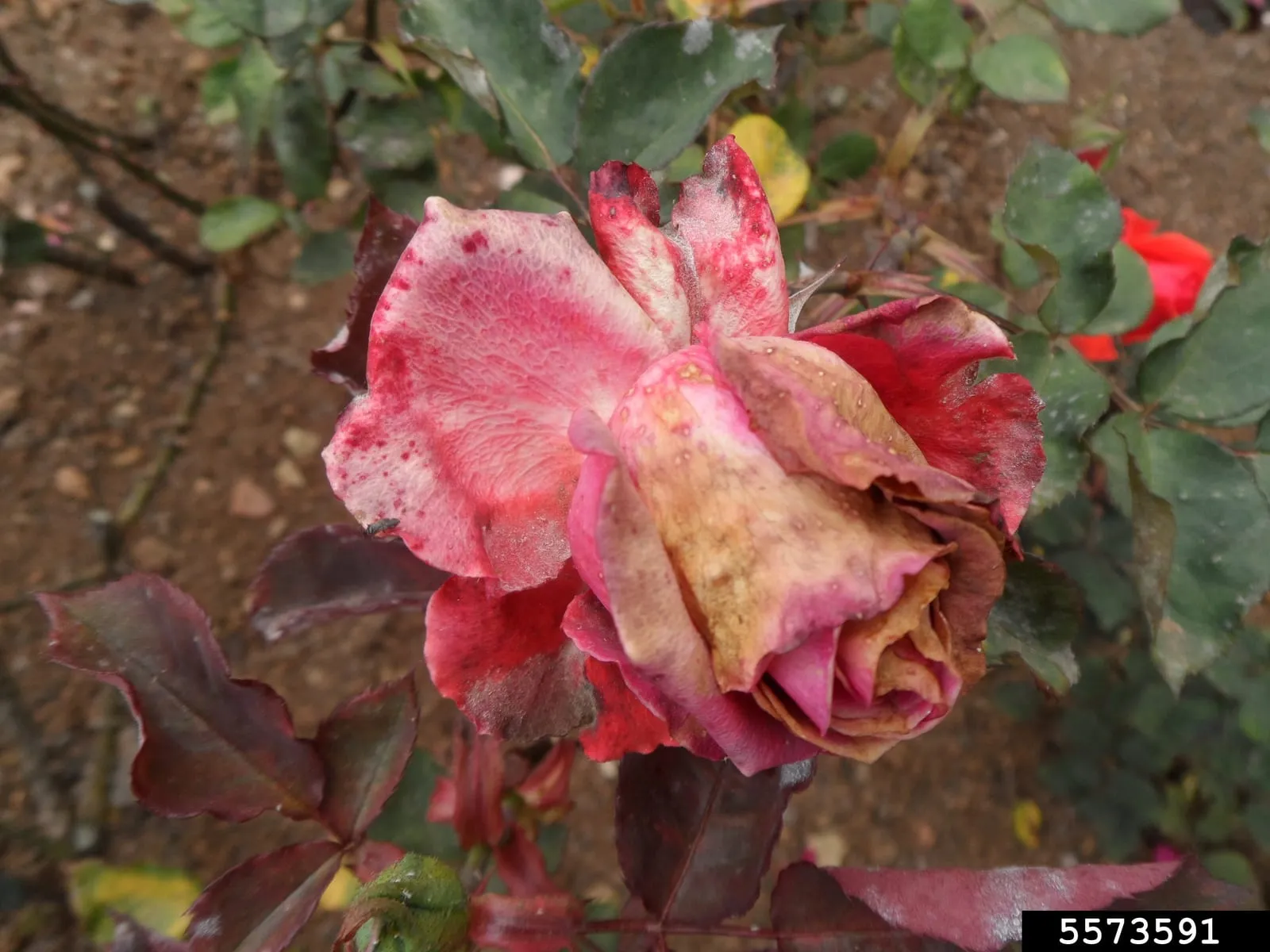
Botrytis cinerea
Ubiquitous fungal disease that causes fruit rot during cool wet weather, often the dominant berry disease in humid regions.
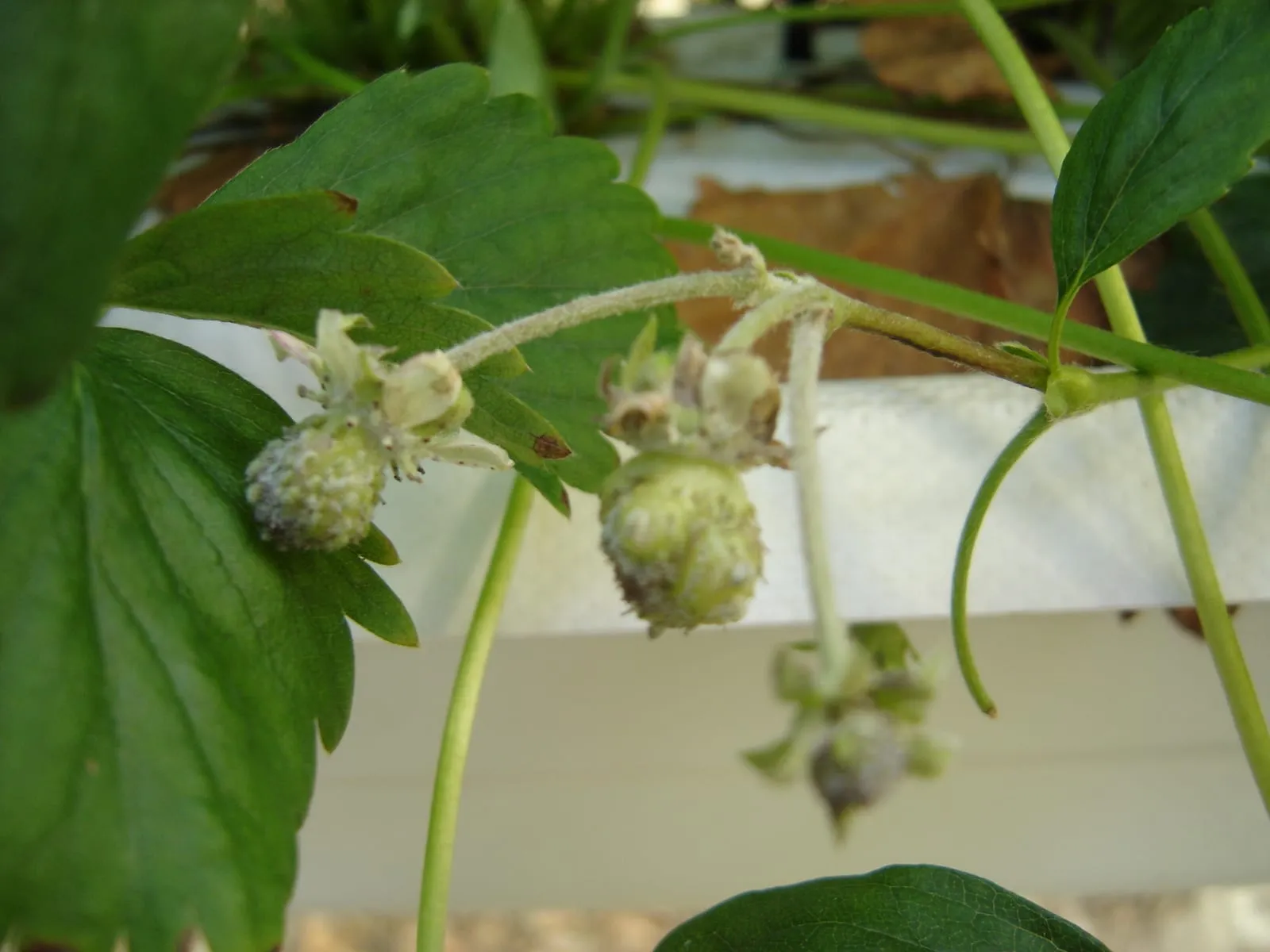
Podosphaera and Sphaerotheca species
Surface-feeding fungal disease producing white powdery growth on leaves and fruit, particularly damaging on gooseberries.
Modified care for zone 7a
In cooler parts of the haskap range, chill hours arrive reliably and bloom timing is predictable. In zone 7a, neither is guaranteed. North-facing slopes and sites with delayed solar exposure can moderate bloom timing by a week or more, which reduces frost exposure risk without requiring active intervention.
Disease pressure increases substantially relative to northern growing regions. Gray mold (Botrytis) thrives under the humid conditions common across zone 7a, particularly during the cool, wet bloom and fruit development period. Pruning for open canopy structure and maintaining ground-level airflow are more critical here than in drier climates. Berry powdery mildew can develop during warm, humid stretches in late spring. Avoid overhead irrigation and time any fungicide applications to the earliest signs of infection. Fertilization should be conservative. Pushing vegetative growth in zone 7a extends the period of soft, mildew-susceptible tissue.
Honeyberry (Haskap) in adjacent zones
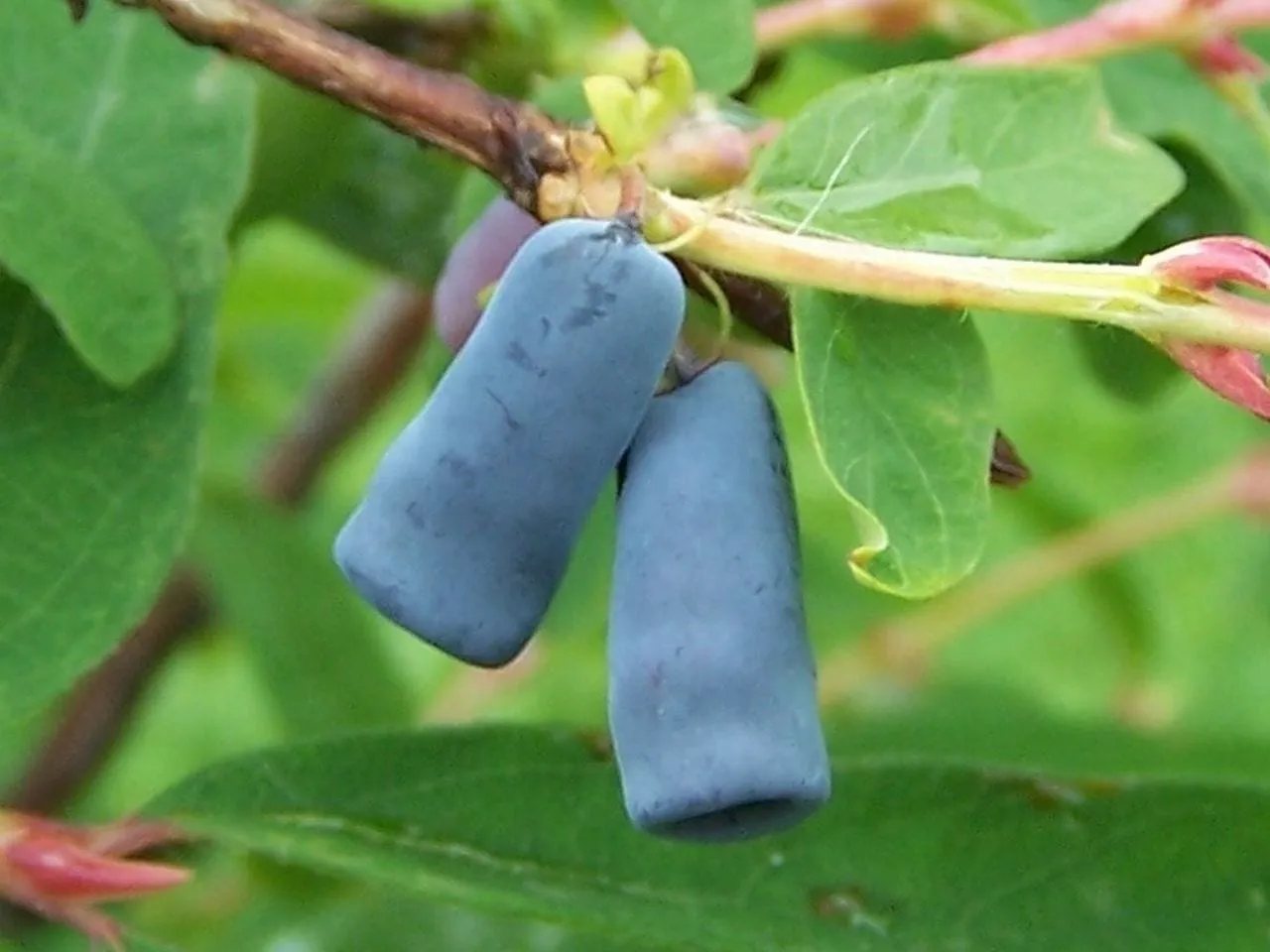
Image: "Lonicera coerulea a3", by Opioła Jerzy (Poland), via Wikimedia Commons, licensed under CC-BY Source.

Related