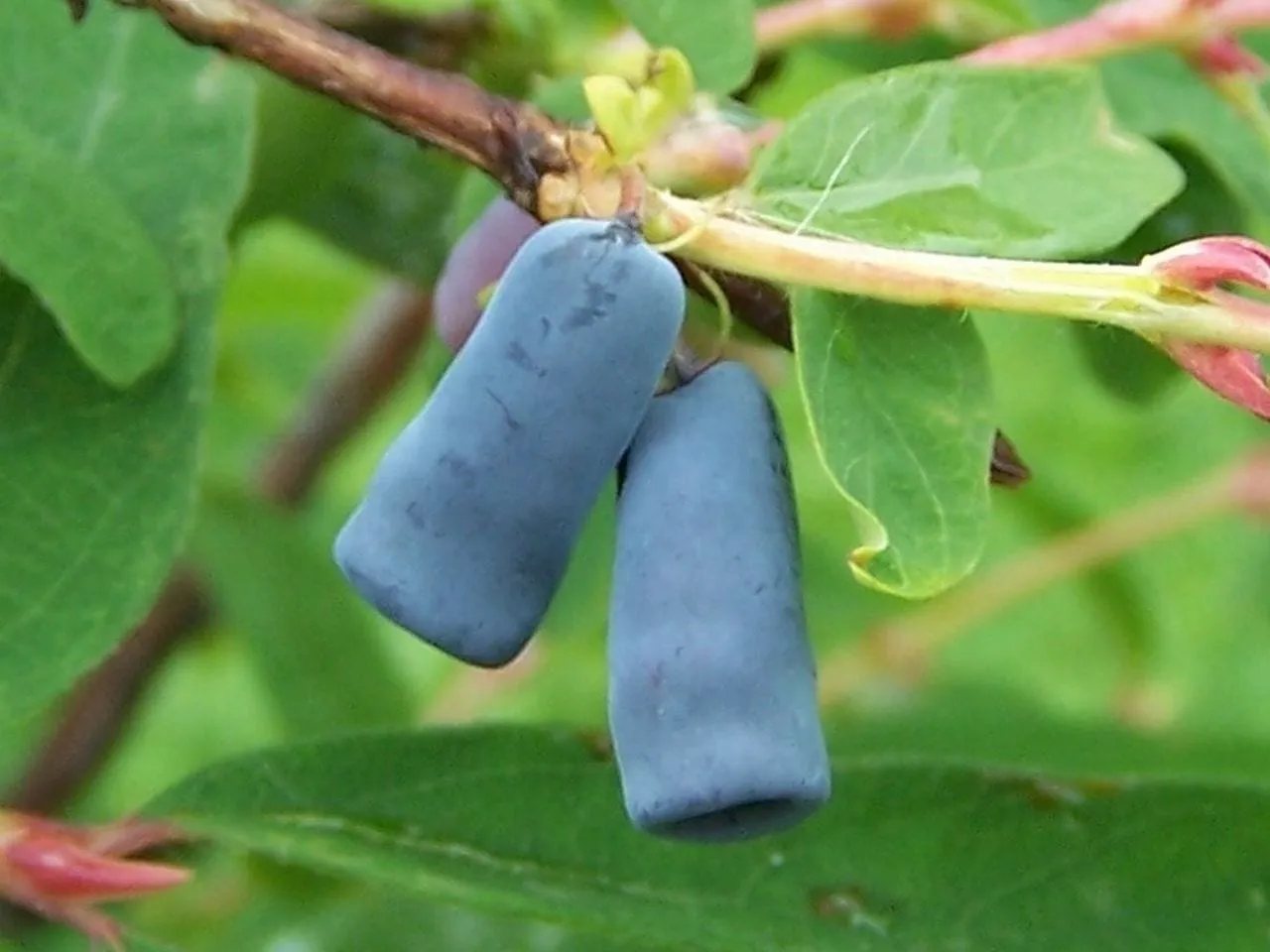
berry
Honeyberry (Haskap)
Lonicera caerulea
USDA hardiness range
- Zones
- 3a–7a
- Chill hours
- 1500 to 2000 below 45°F
- Days to harvest
- 30 to 50
- Sun
- Full
- Water
- Moderate
- Lifespan
- 30 to 50 years
Growing honeyberry (haskap)
Honeyberry (haskap) is among the hardiest small fruits in cultivation, reliably productive in zones 3a through 7a where most other Vaccinium and Prunus crops struggle or fail outright. The plant tolerates winter temperatures down to -40°F, and flowers that have already opened can survive brief temperature drops to around 20°F, making it well-suited to short-season climates across the northern US and Canada.
Fruit ripens in 30 to 50 days from bloom, typically late May to mid-June across zones 5 and 6. That timing places harvest ahead of nearly every other fresh berry, which matters both for home gardeners seeking early-season production and for small market growers filling a gap before strawberries and blueberries come in.
Performance declines noticeably as conditions approach zone 7a. The crop requires 1,500 to 2,000 chill hours below 45°F, and in warmer winters that threshold may not be reliably met in zone 7. Growers at the southern edge of the range should verify local chill-hour records before planting.
The factor that most consistently separates productive plantings from failed ones is pollination. Honeyberries are not self-fertile. Planting two or more compatible varieties with overlapping bloom windows is a prerequisite, not an option. The University of Saskatchewan Haskap Program has released variety combinations such as Aurora and Borealis specifically paired for cross-pollination efficiency, and following those recommendations at planting avoids one of the most common and frustrating causes of poor yield.
Recommended varieties
See all 4 →4 cultivars for home growers, with notes on flavor, ripening, and disease resistance.
| Variety | Notes | Zone fit | Disease resistance |
|---|---|---|---|
| Aurora | Sweet-tart, complex blueberry-grape-raspberry flavor, soft elongated dark-blue berries; fresh, jam, baking, freezing. University of Saskatchewan release, large fruit, productive. Pairs with Borealis. | | none noted |
| Borealis | Sweet-tart, intense flavor with raspberry-blueberry notes, large soft berries; fresh, jam, syrup. Saskatchewan release, the standard pollinator partner for Aurora. | | none noted |
| Tundra | Sweet-tart, balanced flavor, firmer than other haskaps; fresh, processing, mechanical harvest. Productive Saskatchewan release, holds quality on the bush. | | none noted |
| Indigo Treat | Sweet-tart, rich complex flavor; fresh and jam. Cornell-evaluated cultivar with reliable productivity in northeastern conditions. Pairs with Indigo Gem. | | none noted |
Soil and site requirements
Honeyberries tolerate a broader soil pH range than blueberries, performing well from roughly 5.5 to 7.0. Heavy clay or poorly drained soils are a consistent failure point regardless of pH. The plant establishes slowly but is long-lived (30 to 50 years), so thorough soil preparation before planting, including breaking up any hardpan and incorporating organic matter into heavy soils, pays dividends for decades.
Full sun is required for productive fruiting. Plants in partial shade may survive but yield drops meaningfully and berry size is reduced. Aspect matters in cold climates: south and southeast-facing slopes warm earliest in spring and accelerate bloom timing, which is generally an advantage in zones 5 and 6. In zones 4 and colder, where late frost risk extends into May, a north or northeast-facing slope can delay bloom by a week or more, reducing exposure to post-bloom cold events.
Standard spacing is 4 to 6 feet within the row and 10 to 12 feet between rows. Plant at least two compatible varieties within 50 feet of each other. Interspersing varieties throughout the planting rather than massing single varieties in separate blocks improves cross-pollination and fruit set across the entire planting.
Common diseases
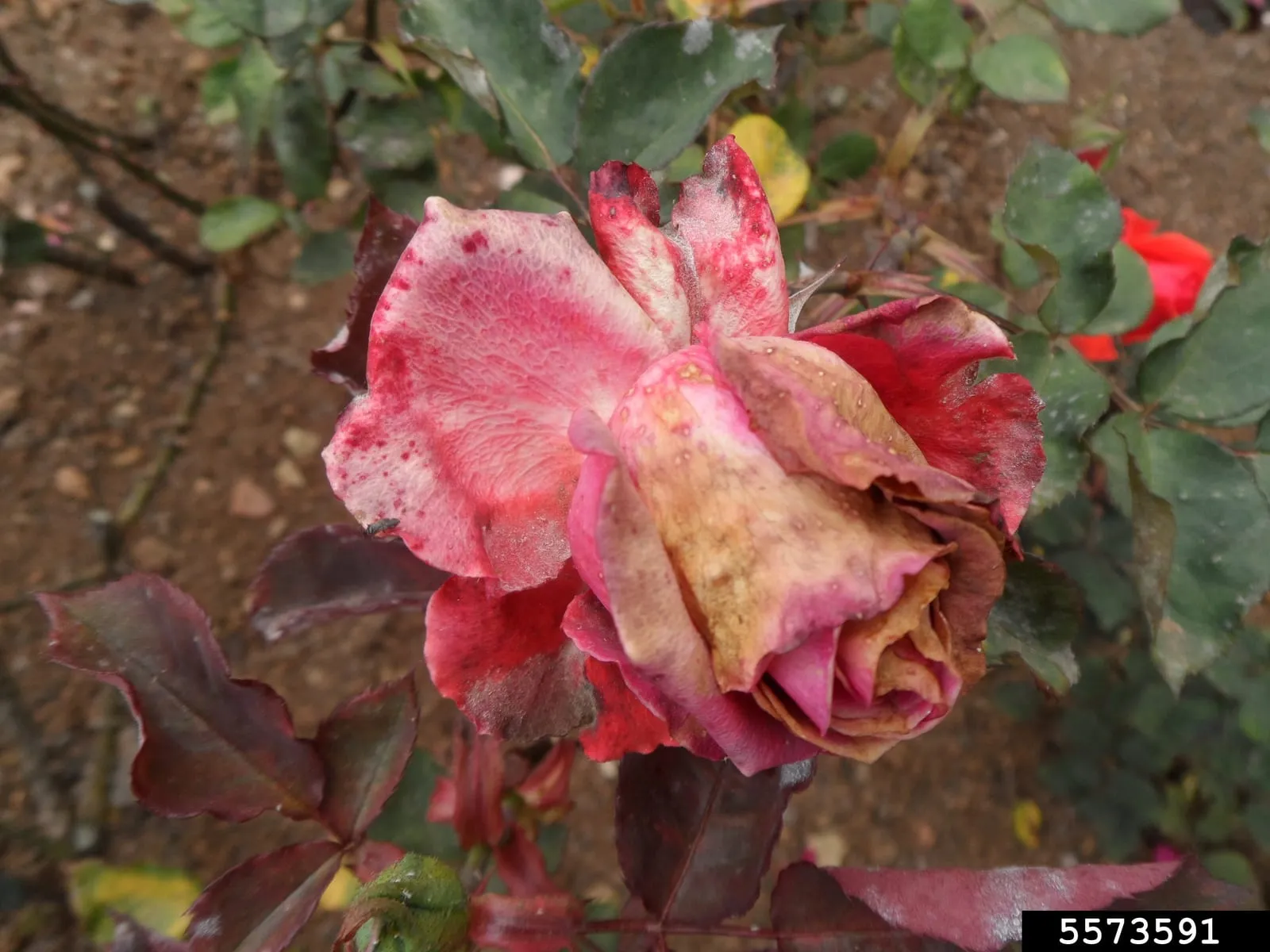
Botrytis cinerea
Ubiquitous fungal disease that causes fruit rot during cool wet weather, often the dominant berry disease in humid regions.
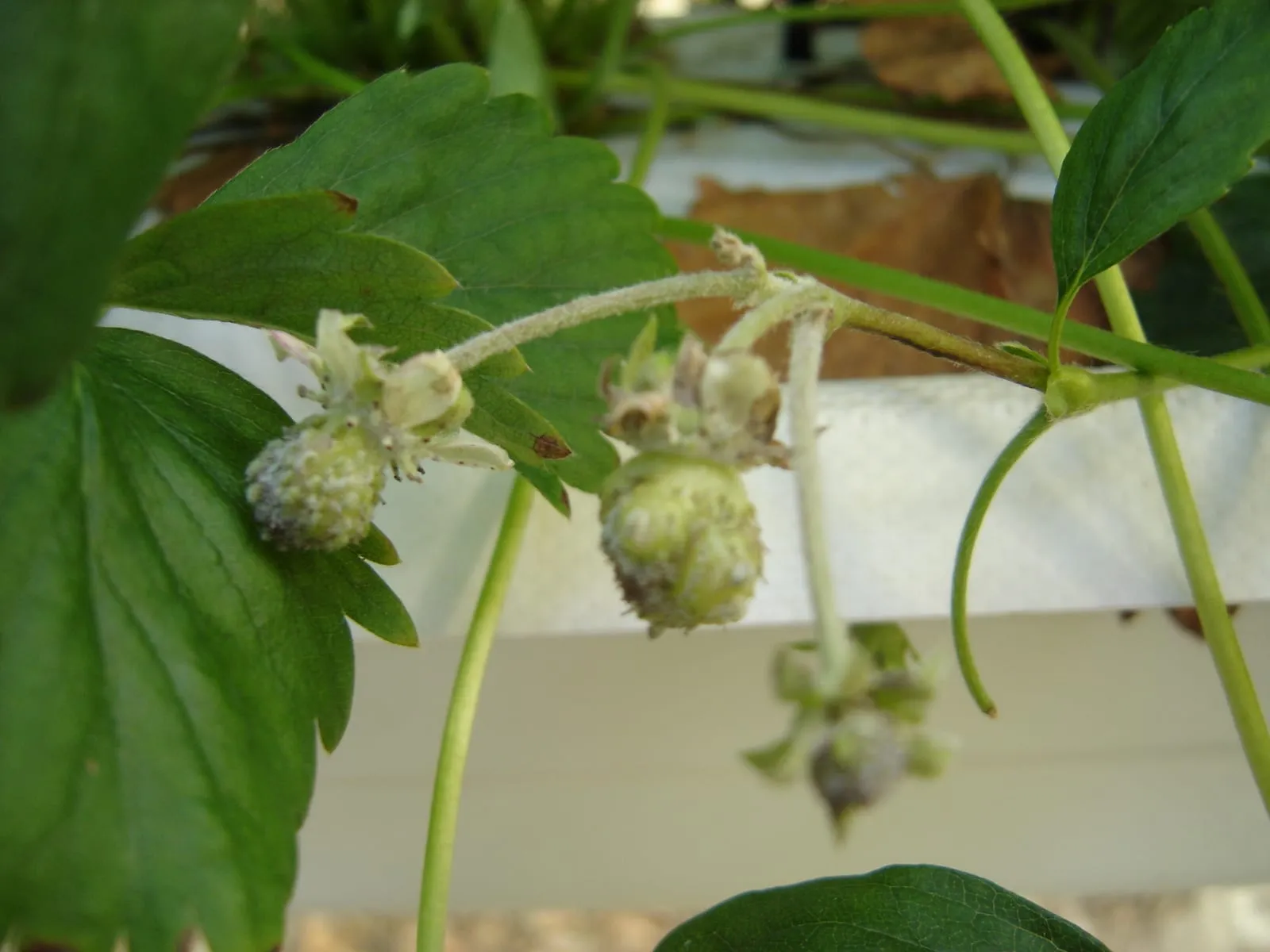
Podosphaera and Sphaerotheca species
Surface-feeding fungal disease producing white powdery growth on leaves and fruit, particularly damaging on gooseberries.
Common pests
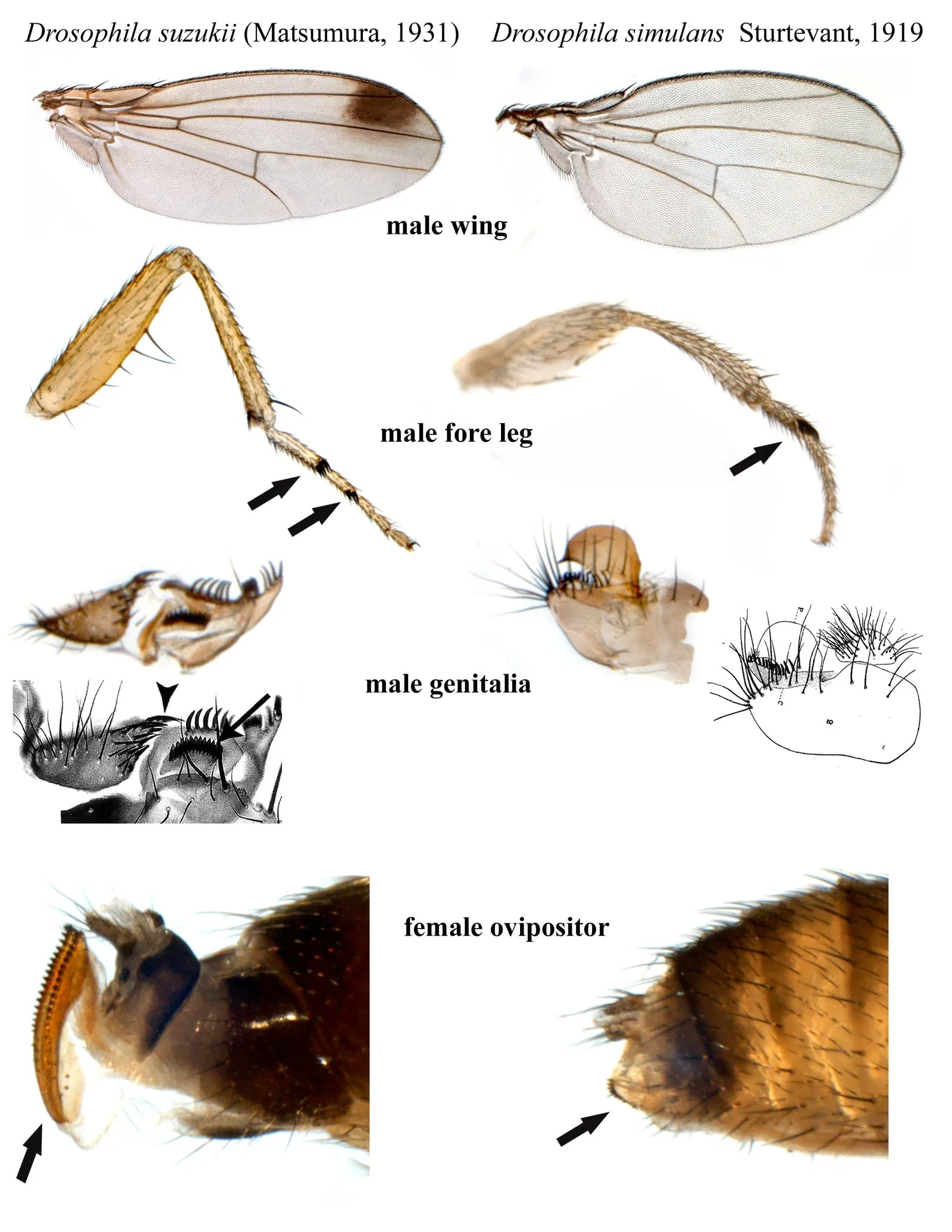
Drosophila suzukii
Invasive vinegar fly that attacks ripening soft fruit, unlike native Drosophila species which target overripe fruit. Now the dominant berry-and-cherry pest across the US.
Multiple species
Robins, catbirds, mockingbirds, starlings, cedar waxwings and other songbirds can strip ripening berry and fruit crops in days. Crows and blackbirds also damage fresh sweet corn ears in milk stage. The single biggest yield-loss factor in unprotected home plantings.
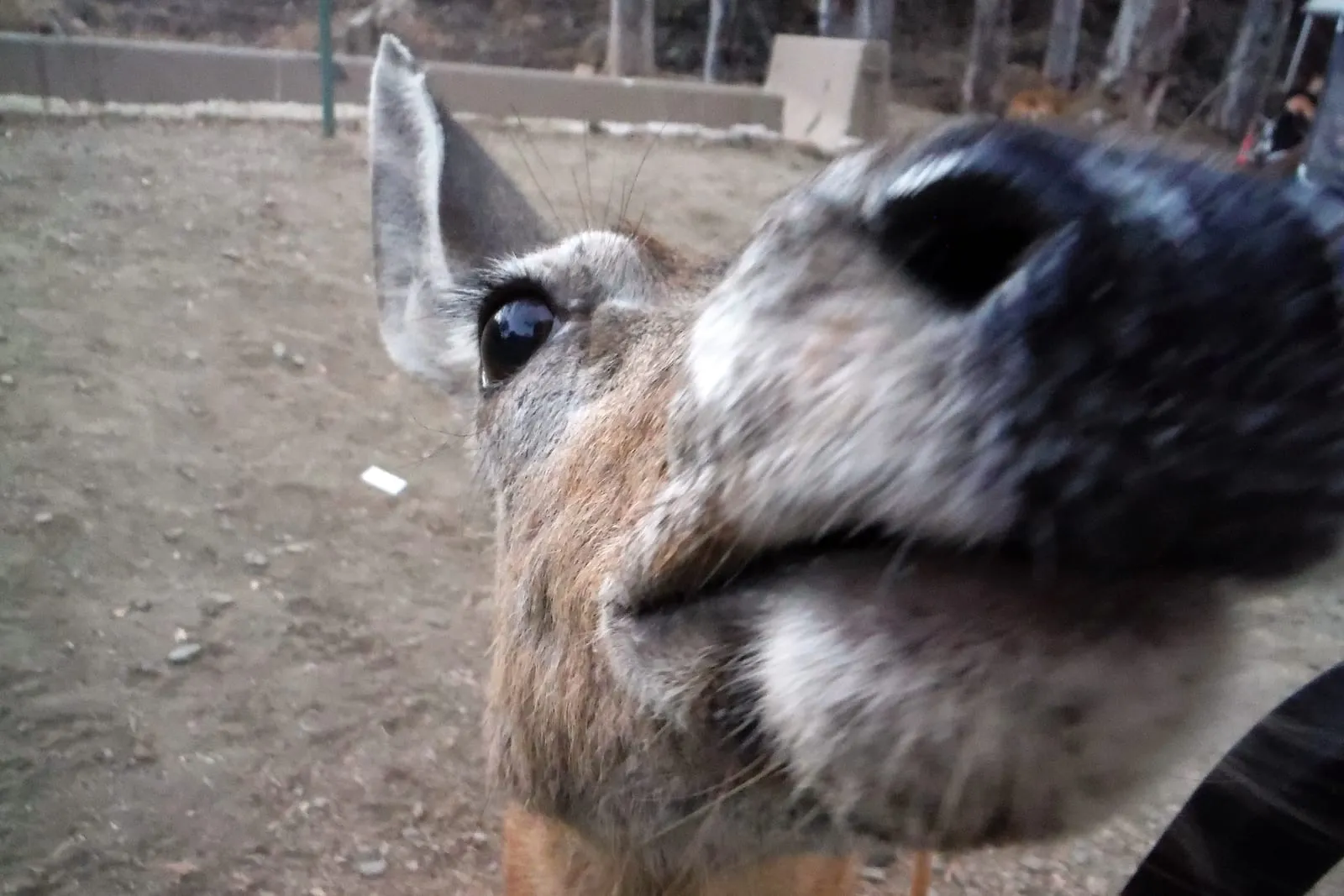
Odocoileus species
Whitetail and mule deer browse can devastate orchards and gardens, particularly in winter when food is scarce. Antler rub on young trunks kills saplings outright.
Common challenges
The most reliably preventable failure is planting a single variety. Honeyberries require cross-pollination from a genetically distinct variety with overlapping bloom time. A lone plant may bloom, produce minimal fruit, and perplex the grower for years before the cause is identified. Buying named compatible pairs, such as Aurora and Borealis from the University of Saskatchewan Haskap Program, eliminates this at the time of planting.
Early bloom timing creates a secondary risk. In zones 5 and 6, flowers typically open in mid to late April. While open flowers can tolerate brief dips to around 20°F, prolonged cold after petal fall reduces fruit set. Growers in frost-prone low-lying sites should consider elevated planting locations or north-facing aspects that delay bloom by several days, past the window of hardest late-spring frosts.
Spotted Wing Drosophila (SWD) is the most damaging pest in most regions. The berries are soft and ripen early, conditions that strongly favor SWD infestation before growers realize the harvest window is open. Monitoring with baited traps from the point of first berry color change and covering plants with fine-mesh exclusion netting are the most reliable management approaches. The harvest window for honeyberries is short and compressed, making chemical timing difficult to optimize against a pest that moves fast.
Companion plants
Frequently asked questions
- How many chill hours do honeyberries require?
Honeyberries require 1,500 to 2,000 hours of winter temperatures below 45°F. That requirement is met comfortably in zones 3 through 6 but is marginal in zone 7a, where chill-hour accumulation varies by site and winter severity. Growers near the zone 7 boundary should review local chill-hour averages before planting.
- How long does it take for honeyberries to ripen after bloom?
Honeyberries typically reach harvest in 30 to 50 days after bloom, making them one of the earliest-ripening small fruits available. In zones 5 and 6, that generally means late May to mid-June, depending on the variety and local spring conditions.
- What USDA zones are suitable for growing honeyberries?
Honeyberries grow reliably in zones 3a through 7a. Cold hardiness is exceptional, with plants tolerating winter temperatures down to -40°F. Performance declines at the warmer end of the range because adequate chill-hour accumulation becomes less certain in mild winters.
- Do honeyberries need a pollinator plant?
Yes. Honeyberries are not self-fertile. Two or more genetically distinct varieties with overlapping bloom periods must be planted within approximately 50 feet of each other to achieve adequate fruit set. Named pairs such as Aurora and Borealis, both University of Saskatchewan releases, are selected specifically for cross-pollination compatibility.
- What is the most common disease problem with honeyberries?
Gray mold (Botrytis cinerea) is the most frequently reported fungal disease, particularly in wet springs or when harvest is delayed. The soft berry texture makes honeyberries susceptible once fruit begins to soften. Adequate plant spacing for air circulation and prompt harvest at peak ripeness reduce Botrytis pressure substantially.
- How long does a honeyberry plant live?
Honeyberry shrubs are long-lived, with productive lifespans of 30 to 50 years under good site conditions. Establishment is slow in the first two to three years after planting, but once mature the plants require minimal intervention and continue producing for decades.
- Can honeyberries be grown successfully in zone 7?
Zone 7a is at the warm edge of the viable range. Plants can survive and produce, but chill-hour accumulation is less reliable than in zones 4 through 6. In mild winters, reduced chill hours lead to poor fruit set even when pollination is adequate. A north-facing site with consistent cold air drainage improves the odds in marginal locations.
+−
+−
+−
+−
+−
+−
+−
Sources
Image: "Lonicera coerulea a3", by Opioła Jerzy (Poland), via Wikimedia Commons, licensed under CC-BY. Source.

Honeyberry (Haskap) by zone
Related