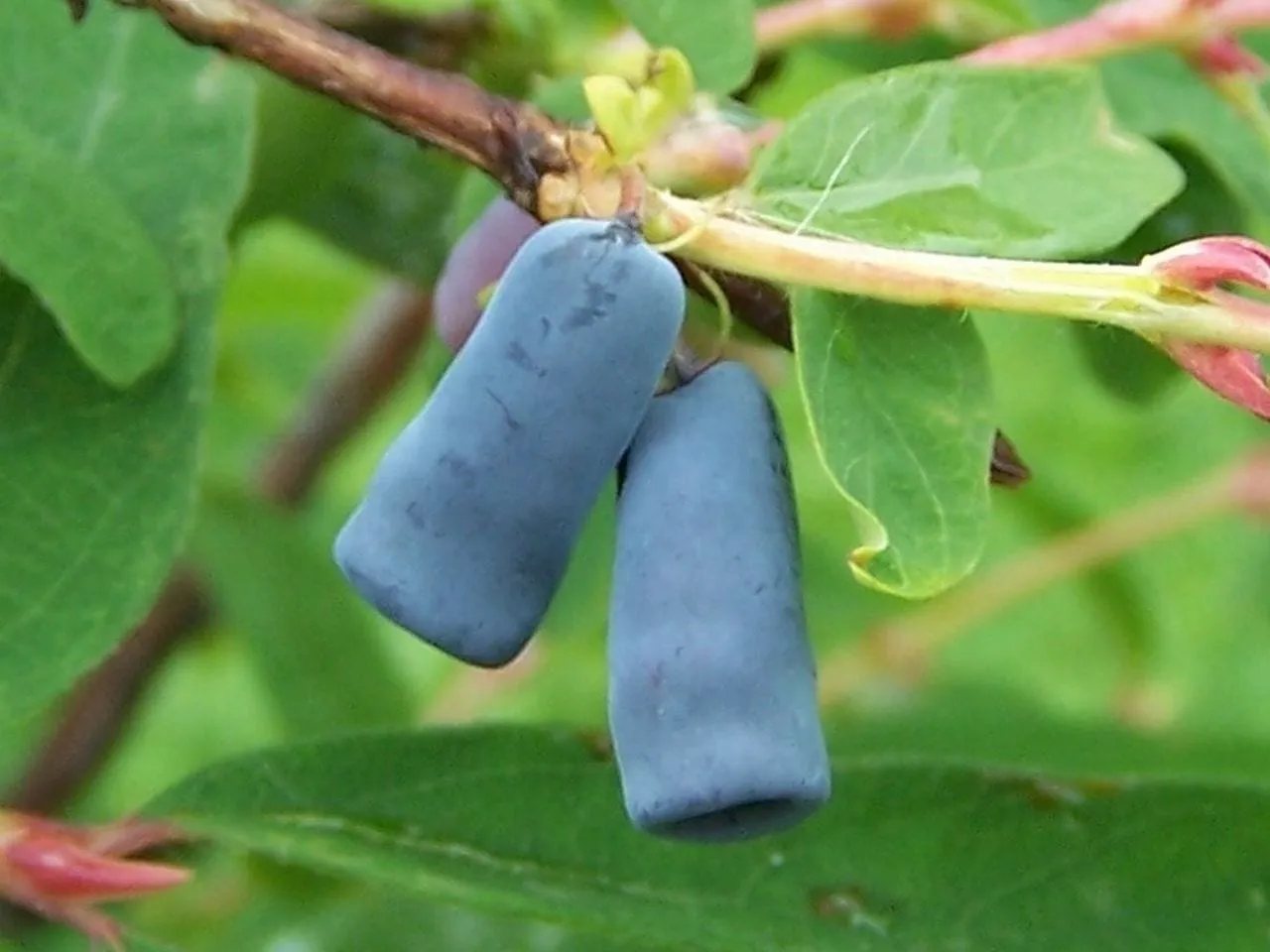
berry in zone 4a
Growing honeyberry (haskap) in zone 4a
Lonicera caerulea
- Zone
- 4a -30°F to -25°F
- Growing season
- 120 days
- Chill needed
- 1500 to 2000 below 45°F
- Suitable varieties
- 4
- Days to harvest
- 30 to 50
The verdict
Zone 4a is a genuine sweet spot for honeyberry, not a marginal one. The crop's chill-hour requirement of 1,500 to 2,000 hours is met comfortably in a zone where winter temperatures regularly drop to -30°F. Most zone 4a locations accumulate well over 2,000 chilling hours between October and March, so insufficient chilling is not a concern here.
Honeyberries (Lonicera caerulea) are native to Siberia and northern Japan, environments that match zone 4a's conditions closely. The plants tolerate dormant-season temperatures well below -40°F in varieties bred for northern production. Aurora, Borealis, Tundra, and Indigo Treat were all developed with cold continental climates in mind. The 120-day growing season in zone 4a is sufficient because honeyberries complete fruiting quickly, often within 90 days of bloom. Growers in warmer zones sometimes struggle with insufficient chilling; that is simply not a problem here.
Recommended varieties for zone 4a
4 cultivars suited to this zone, with disease-resistance and zone-fit annotations.
| Variety | Notes | Zone fit | Disease resistance |
|---|---|---|---|
| Aurora fits zone 4a | Sweet-tart, complex blueberry-grape-raspberry flavor, soft elongated dark-blue berries; fresh, jam, baking, freezing. University of Saskatchewan release, large fruit, productive. Pairs with Borealis. | | none noted |
| Borealis fits zone 4a | Sweet-tart, intense flavor with raspberry-blueberry notes, large soft berries; fresh, jam, syrup. Saskatchewan release, the standard pollinator partner for Aurora. | | none noted |
| Tundra fits zone 4a | Sweet-tart, balanced flavor, firmer than other haskaps; fresh, processing, mechanical harvest. Productive Saskatchewan release, holds quality on the bush. | | none noted |
| Indigo Treat fits zone 4a | Sweet-tart, rich complex flavor; fresh and jam. Cornell-evaluated cultivar with reliable productivity in northeastern conditions. Pairs with Indigo Gem. | | none noted |
Critical timing for zone 4a
Honeyberry is among the earliest-blooming small fruits, a trait that carries real risk in zone 4a. Bloom typically opens in late April to early May, when hard frosts remain possible across most of the zone. The zone 4a challenge of late frosts damaging early bloomers applies directly here. An overnight drop to 28°F during open bloom can cause significant crop loss.
Harvest follows roughly 45 to 60 days after bloom, placing the pick window in late June through mid-July for most zone 4a sites. This is earlier than blueberries and strawberries, which makes honeyberry useful for extending the season. The 120-day growing season is more than adequate; the fruit is off the plant before the bulk of summer heat arrives.
Common challenges in zone 4a
- ▸ Late frosts damage early bloomers
- ▸ Limited peach varieties
Disease pressure to watch for
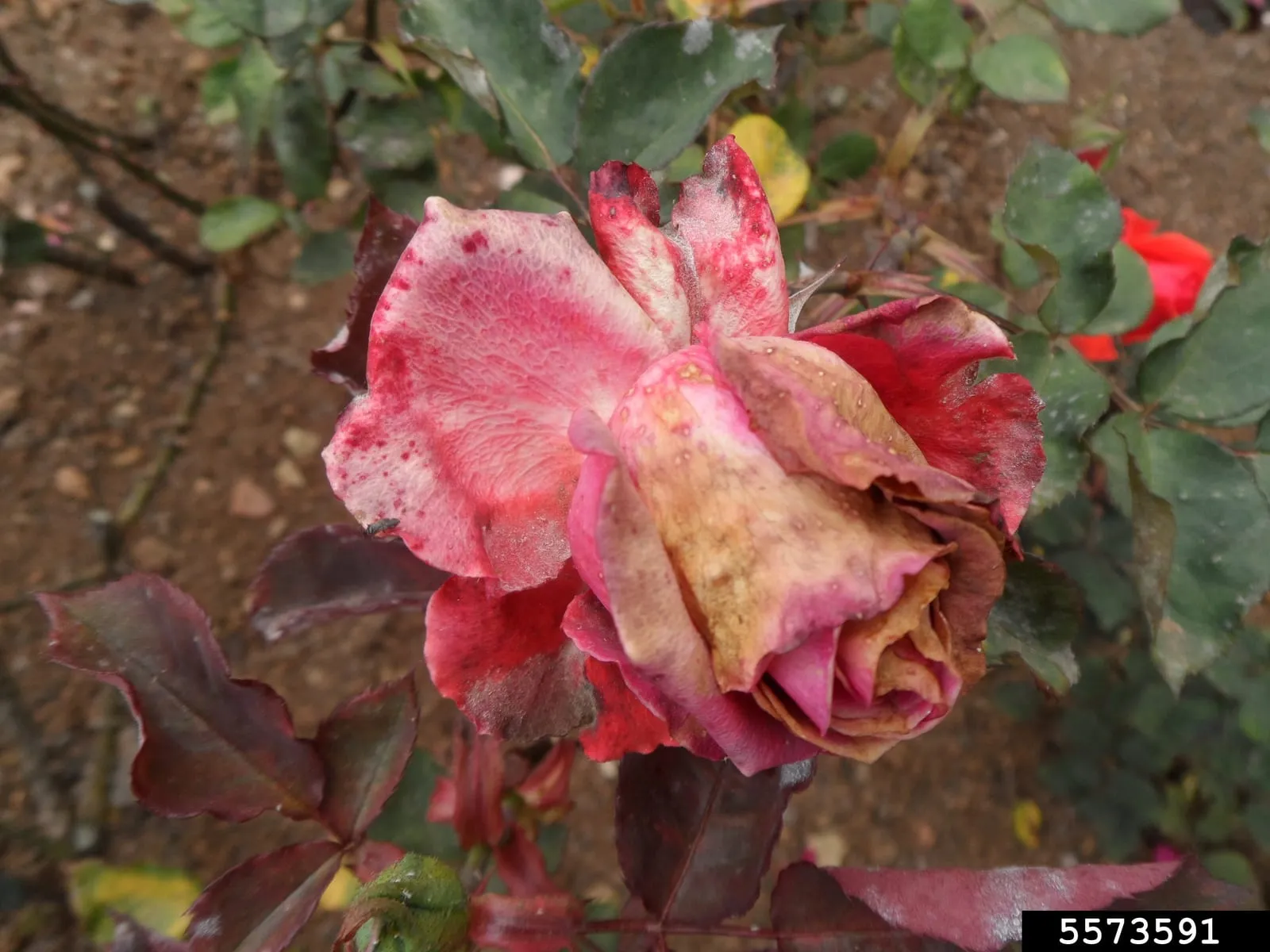
Botrytis cinerea
Ubiquitous fungal disease that causes fruit rot during cool wet weather, often the dominant berry disease in humid regions.
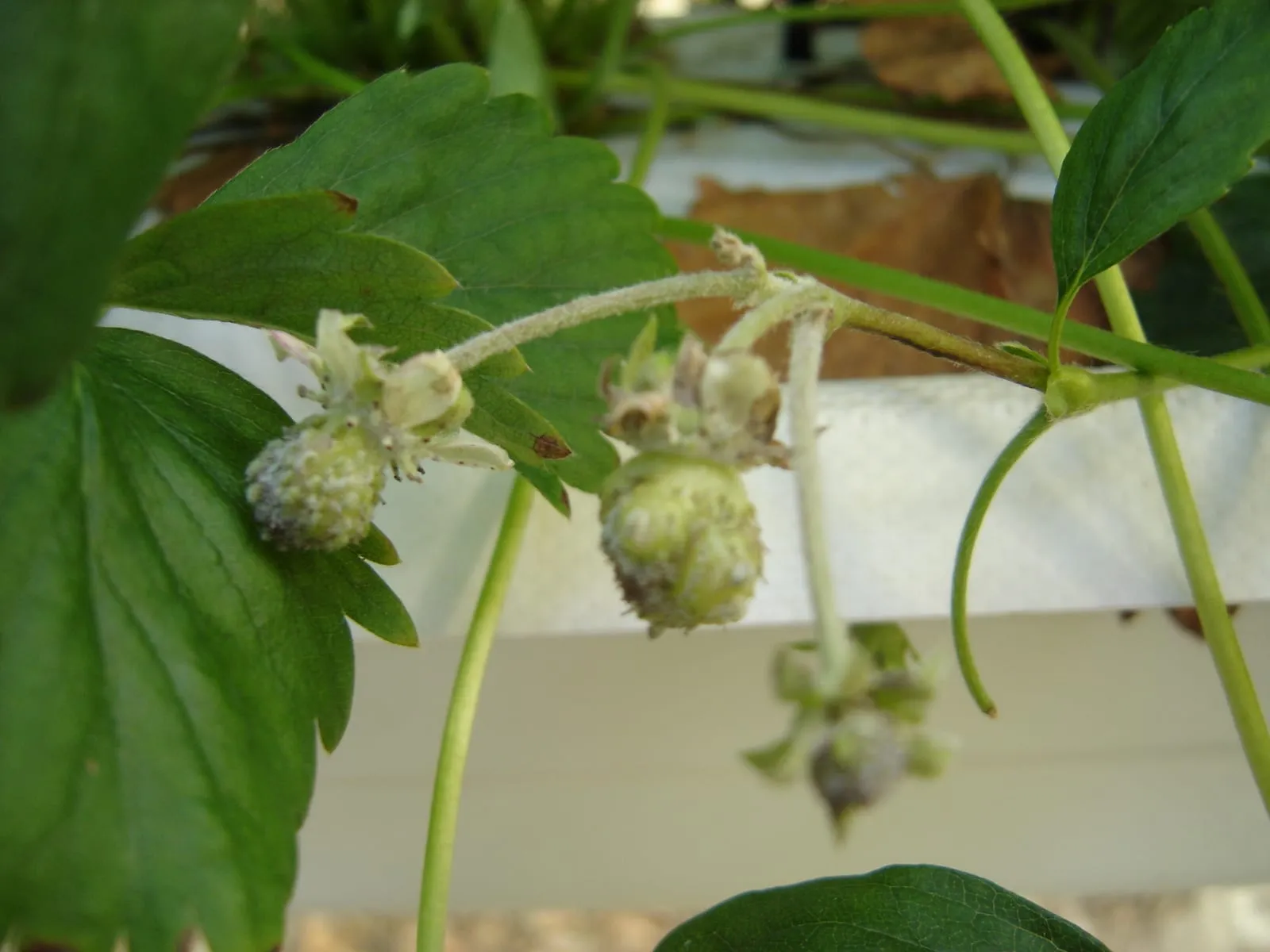
Podosphaera and Sphaerotheca species
Surface-feeding fungal disease producing white powdery growth on leaves and fruit, particularly damaging on gooseberries.
Modified care for zone 4a
Winter hardiness requires no special accommodation in zone 4a. The more practical management concern is frost protection during the early bloom window. Lightweight row cover or frost cloth applied on nights forecast below 30°F during flowering can preserve a full crop that would otherwise be partially lost.
Cross-pollination is required for good yields. Plant at least two genetically distinct varieties within 50 feet of each other. From the compatible list, Borealis and Tundra are a commonly recommended pairing; Aurora and Indigo Treat also work well together.
Gray Mold (Botrytis) pressure increases in wet springs, which are common in zone 4a. Pruning for open canopy structure after harvest improves airflow and reduces infection sites. Berry powdery mildew is less aggressive but worth monitoring in seasons with warm days and cool nights. No zone-specific fertilizer adjustment is needed beyond standard small-fruit protocols.
Honeyberry (Haskap) in adjacent zones
Image: "Lonicera coerulea a3", by Opioła Jerzy (Poland), via Wikimedia Commons, licensed under CC-BY Source.

Related