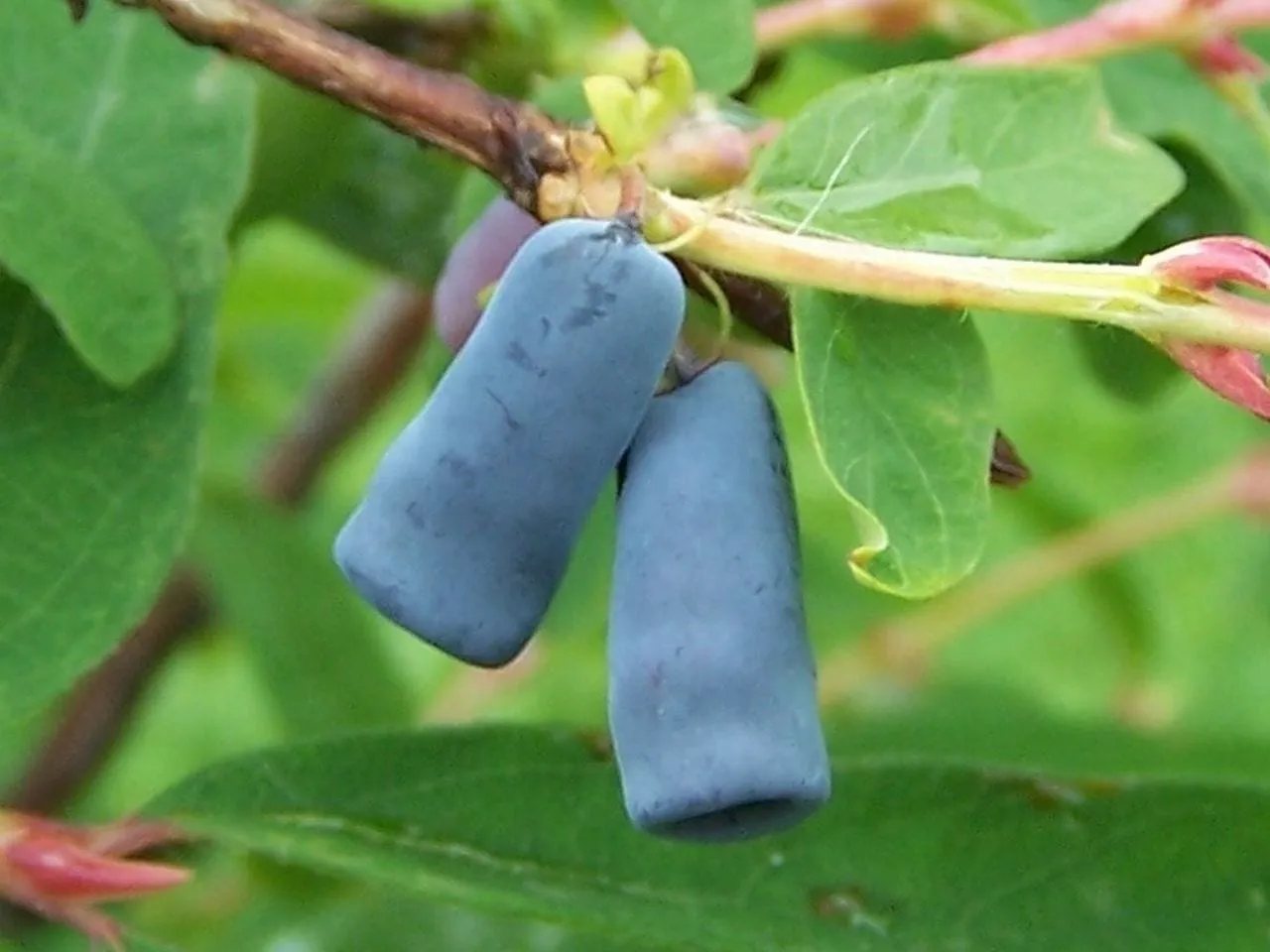
berry in zone 3b
Growing honeyberry (haskap) in zone 3b
Lonicera caerulea
- Zone
- 3b -35°F to -30°F
- Growing season
- 100 days
- Chill needed
- 1500 to 2000 below 45°F
- Suitable varieties
- 4
- Days to harvest
- 30 to 50
The verdict
Zone 3b, with minimum temperatures between -35°F and -30°F, is not a marginal zone for honeyberry. It is closer to a sweet spot. The crop's chill-hour requirement of 1,500 to 2,000 hours aligns well with the long, cold winters typical of zone 3b, where accumulations routinely meet or exceed that range. Honeyberry (Lonicera caerulea) was originally selected from cold-continental Siberian and Japanese ecotypes, and its cold hardiness extends well below what zone 3b typically delivers.
Unlike many fruit crops, honeyberry performs better in high-chill climates than in warmer zones where bloom is triggered too early or chill requirements go unmet. The 100-day growing season is adequate for named varieties bred specifically for northern climates. Aurora, Borealis, Tundra, and Indigo Treat were all selected with short-season, high-chill environments in mind, confirming zone 3b as solidly within the viable range rather than a stretch.
Recommended varieties for zone 3b
4 cultivars suited to this zone, with disease-resistance and zone-fit annotations.
| Variety | Notes | Zone fit | Disease resistance |
|---|---|---|---|
| Aurora fits zone 3b | Sweet-tart, complex blueberry-grape-raspberry flavor, soft elongated dark-blue berries; fresh, jam, baking, freezing. University of Saskatchewan release, large fruit, productive. Pairs with Borealis. | | none noted |
| Borealis fits zone 3b | Sweet-tart, intense flavor with raspberry-blueberry notes, large soft berries; fresh, jam, syrup. Saskatchewan release, the standard pollinator partner for Aurora. | | none noted |
| Tundra fits zone 3b | Sweet-tart, balanced flavor, firmer than other haskaps; fresh, processing, mechanical harvest. Productive Saskatchewan release, holds quality on the bush. | | none noted |
| Indigo Treat fits zone 3b | Sweet-tart, rich complex flavor; fresh and jam. Cornell-evaluated cultivar with reliable productivity in northeastern conditions. Pairs with Indigo Gem. | | none noted |
Critical timing for zone 3b
Honeyberry blooms exceptionally early, often before most other fruiting plants show any activity in zone 3b. Depending on elevation and local cold-air drainage, bloom typically falls between late April and mid-May. The flowers can tolerate brief sub-freezing temperatures, which gives honeyberry a meaningful advantage over other small fruits where late frost is a recurring risk.
Harvest follows 6 to 8 weeks after pollination, landing in late June to mid-July for most varieties. This early window is one of honeyberry's main attractions in a 100-day season, where crops that produce in late summer leave little margin for proper ripening. Two compatible varieties planted together are required for adequate fruit set; single-variety plantings produce poorly regardless of zone.
Common challenges in zone 3b
- ▸ Short season
- ▸ Winter desiccation
- ▸ Site selection critical for fruit trees
Disease pressure to watch for
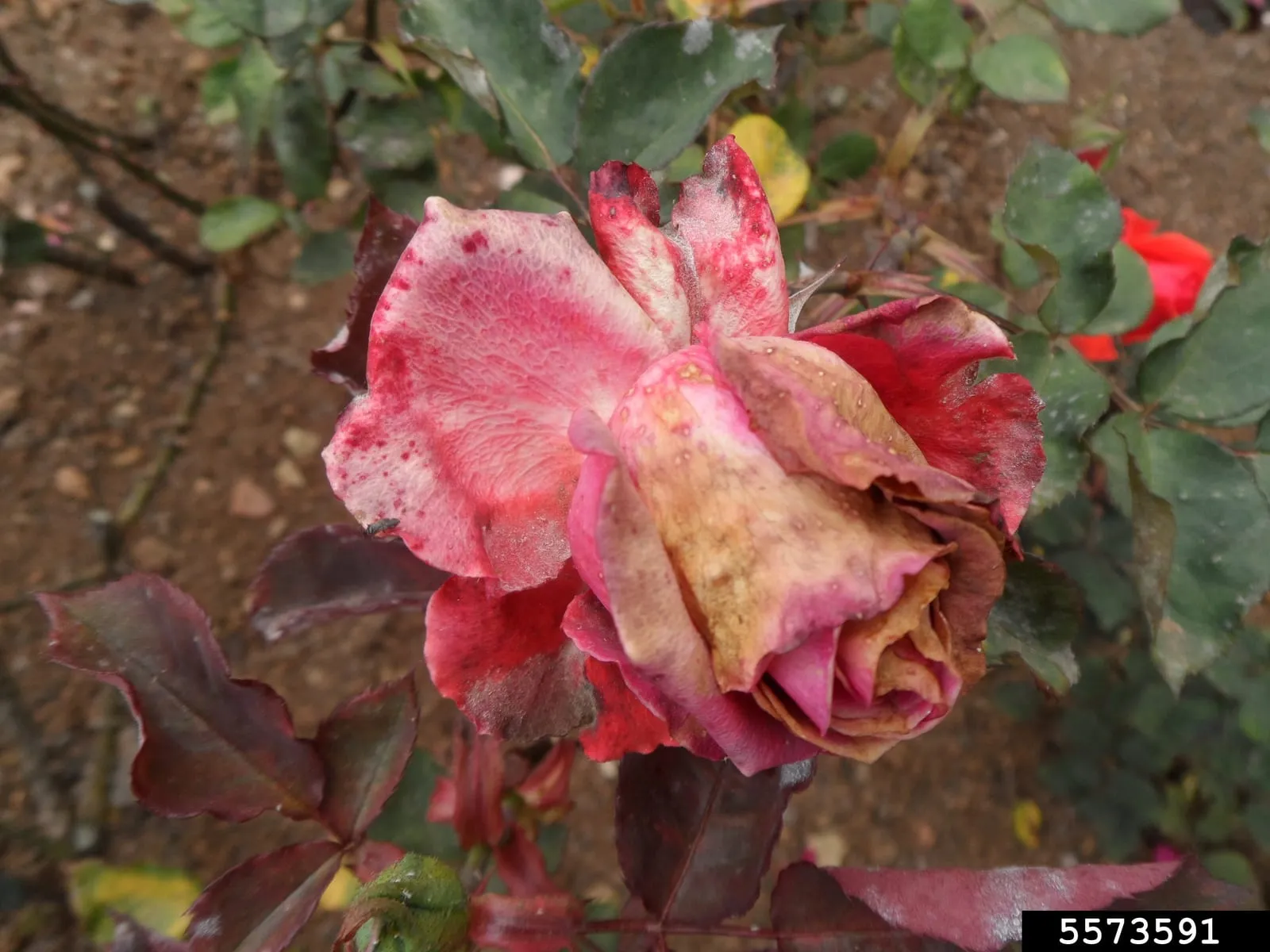
Botrytis cinerea
Ubiquitous fungal disease that causes fruit rot during cool wet weather, often the dominant berry disease in humid regions.
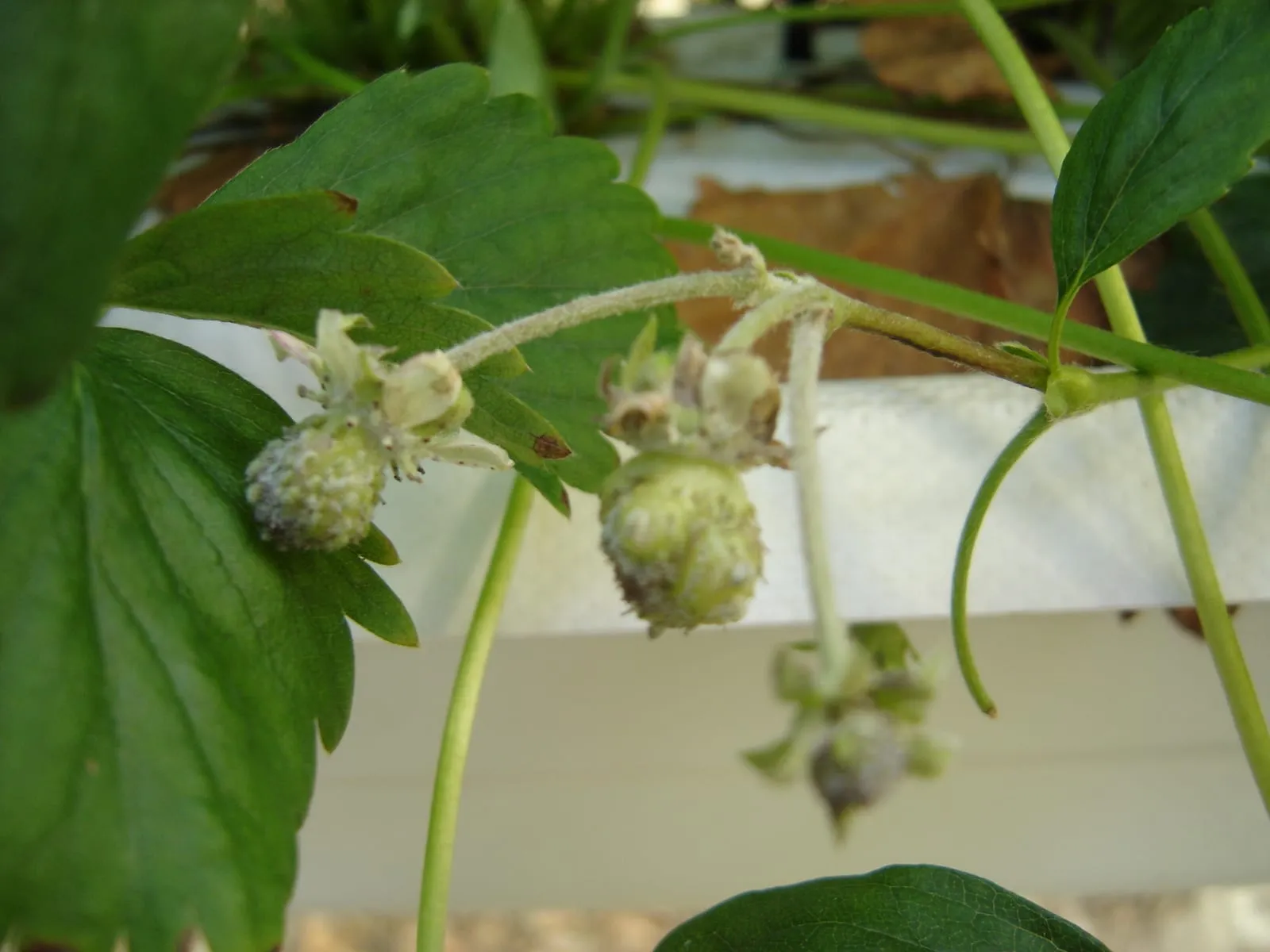
Podosphaera and Sphaerotheca species
Surface-feeding fungal disease producing white powdery growth on leaves and fruit, particularly damaging on gooseberries.
Modified care for zone 3b
Winter desiccation is the primary cold-season threat in zone 3b, and site selection addresses it more effectively than any protective treatment. Planting in a location with reliable snow accumulation and reduced wind exposure will do more to prevent desiccation injury than mulching or wrapping alone. Avoid low-lying frost pockets where cold air settles, but also avoid exposed hilltop positions where drying winter winds are strongest.
Gray Mold (Botrytis) pressure is elevated during the wet, cool springs common in zone 3b. Spacing plants for good air circulation and avoiding overhead irrigation during bloom reduces infection risk without chemical inputs. Berry Powdery Mildew is generally less of a concern in the drier continental air typical of the zone, but becomes relevant in humid summer years. Removing old wood every few seasons keeps canopies open and limits conditions favorable to both diseases.
Honeyberry (Haskap) in adjacent zones
Image: "Lonicera coerulea a3", by Opioła Jerzy (Poland), via Wikimedia Commons, licensed under CC-BY Source.

Related