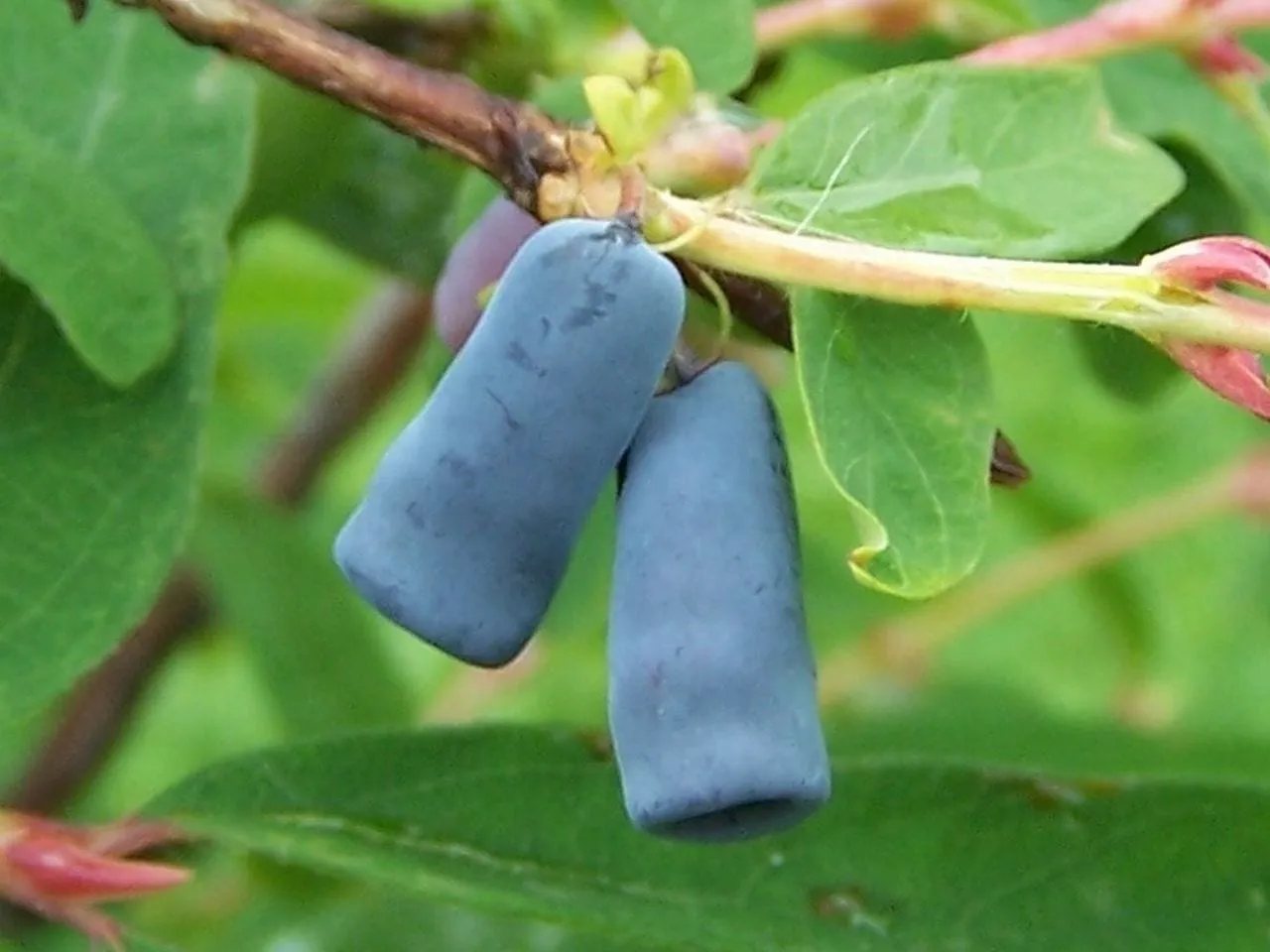
berry in zone 3a
Growing honeyberry (haskap) in zone 3a
Lonicera caerulea
- Zone
- 3a -40°F to -35°F
- Growing season
- 90 days
- Chill needed
- 1500 to 2000 below 45°F
- Suitable varieties
- 3
- Days to harvest
- 30 to 50
The verdict
Zone 3a is genuinely one of the best zones in North America for honeyberry. The crop's chill-hour requirement of 1,500 to 2,000 hours is met comfortably and reliably, and established cultivars like Aurora, Borealis, and Tundra were bred specifically to survive winter lows at or beyond -40°F, which is the floor of zone 3a. Most fruiting plants struggle or fail entirely at this temperature range; honeyberry is a notable exception.
The zone's 90-day growing season is short but well-matched to honeyberry's phenology. It ripens earlier than nearly any other small fruit, typically before midsummer, so harvest is rarely a race against the first fall frost. The real exposure is at the other end of the season: early bloom intersecting with late spring frosts. That risk is real but manageable. Zone 3a is not a marginal zone for honeyberry. It is, for many growers, the sweet spot.
Recommended varieties for zone 3a
3 cultivars suited to this zone, with disease-resistance and zone-fit annotations.
| Variety | Notes | Zone fit | Disease resistance |
|---|---|---|---|
| Aurora fits zone 3a | Sweet-tart, complex blueberry-grape-raspberry flavor, soft elongated dark-blue berries; fresh, jam, baking, freezing. University of Saskatchewan release, large fruit, productive. Pairs with Borealis. | | none noted |
| Borealis fits zone 3a | Sweet-tart, intense flavor with raspberry-blueberry notes, large soft berries; fresh, jam, syrup. Saskatchewan release, the standard pollinator partner for Aurora. | | none noted |
| Tundra fits zone 3a | Sweet-tart, balanced flavor, firmer than other haskaps; fresh, processing, mechanical harvest. Productive Saskatchewan release, holds quality on the bush. | | none noted |
Critical timing for zone 3a
Honeyberry blooms in late April to early May across most of zone 3a, making it one of the first flowering fruit plants to emerge each spring. This early bloom is both its advantage and its vulnerability. Flowers can appear before the average last frost date, which in zone 3a often falls in mid to late May.
Honeyberry blossoms tolerate light frosts better than most fruit crops, surviving brief exposure to around 25°F without complete crop loss, but sustained freezes during open bloom can still cut yields significantly. Harvest typically falls in late June to mid-July, well within the 90-day growing window. Planting on a slightly elevated site or one with good cold-air drainage reduces frost-pocket exposure during the critical bloom period.
Common challenges in zone 3a
- ▸ Very short growing season
- ▸ Late spring frosts
- ▸ Limited fruit-tree options
- ▸ Heavy mulching required
Disease pressure to watch for
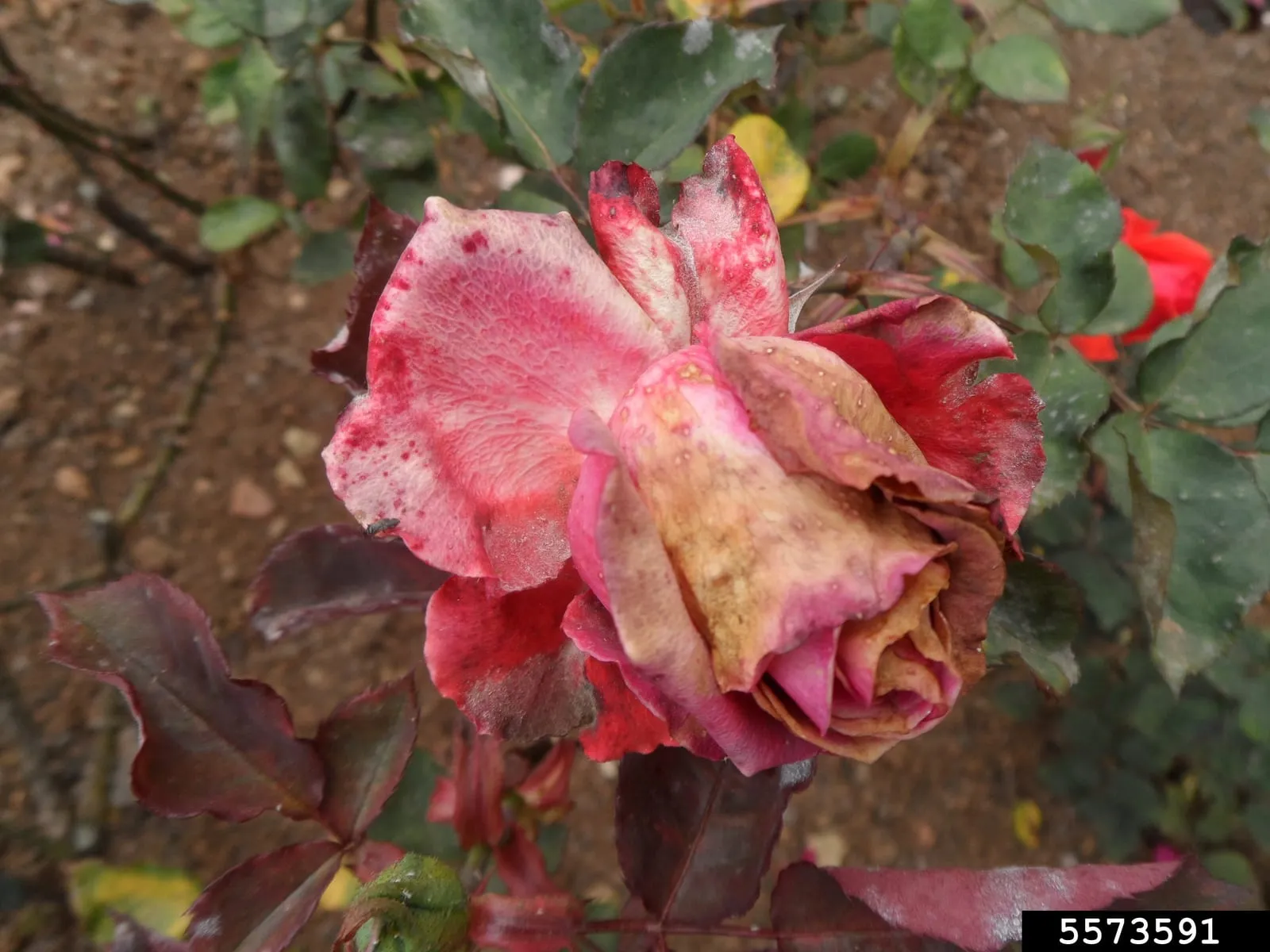
Botrytis cinerea
Ubiquitous fungal disease that causes fruit rot during cool wet weather, often the dominant berry disease in humid regions.
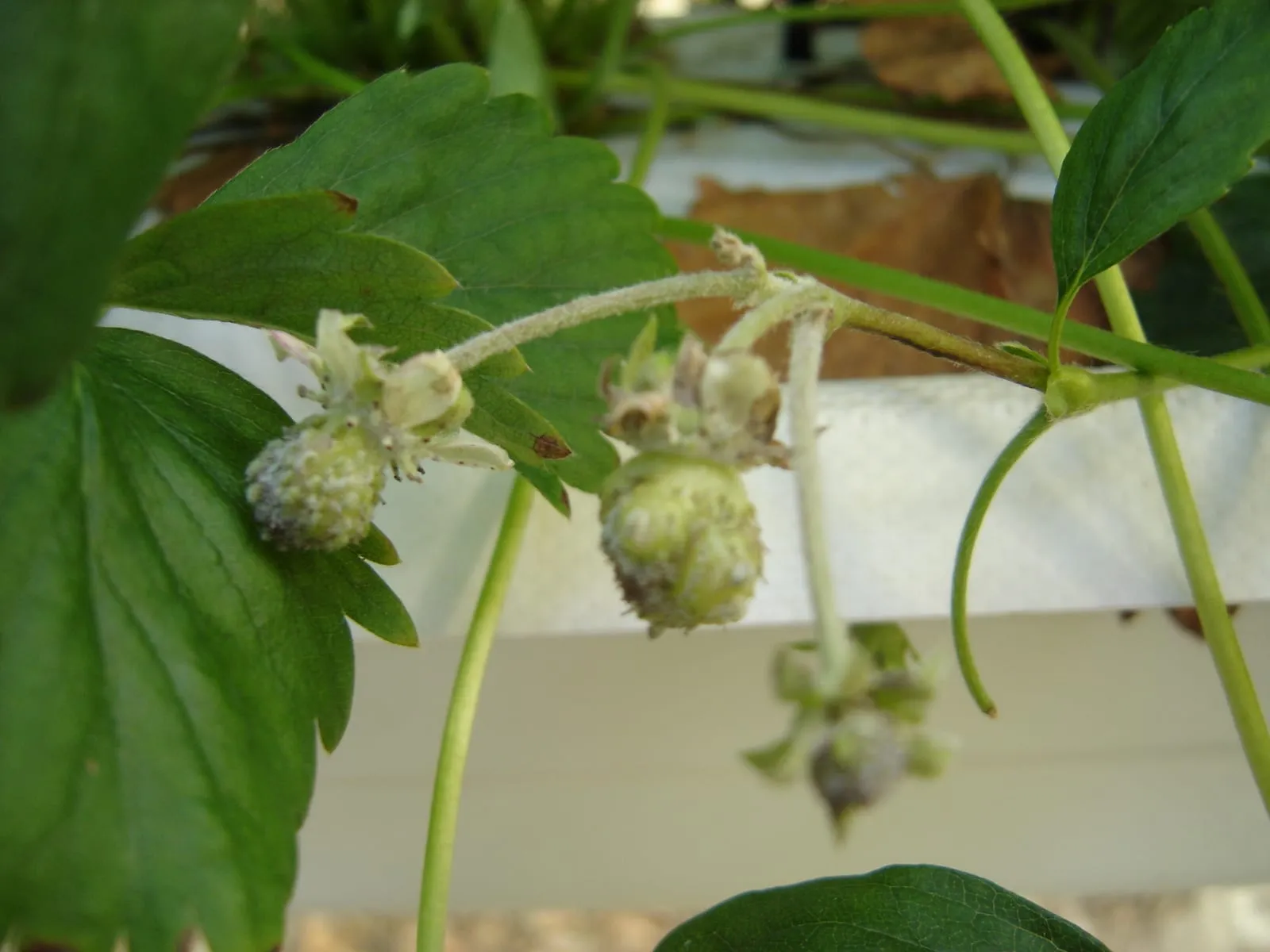
Podosphaera and Sphaerotheca species
Surface-feeding fungal disease producing white powdery growth on leaves and fruit, particularly damaging on gooseberries.
Modified care for zone 3a
The most important adjustment in zone 3a is consistent, heavy mulching. A 4- to 6-inch layer of wood chips or straw around the root zone protects against the freeze-thaw cycles of shoulder seasons, which are often more damaging to roots than the deep winter cold itself. Snow cover provides natural insulation through most of zone 3a, but thin-snowpack winters make the mulch layer critical.
Gray mold (Botrytis) and powdery mildew are the primary disease concerns; both are favored by the cool, humid spring conditions common to this zone. The main management tool is site selection: full sun and good air circulation reduce canopy wetness more reliably than reactive sprays. Planting at least two compatible varieties, such as Borealis and Aurora, is non-negotiable for cross-pollination and should be treated as a baseline requirement rather than an optional improvement.
Frequently asked questions
- Is zone 3a cold enough to damage honeyberry plants in winter?
No. Established honeyberry cultivars bred for northern climates, including Aurora, Borealis, and Tundra, are rated to -40°F or below, which matches zone 3a's minimum temperatures. Winter cold hardiness is not a limiting factor for this crop in zone 3a.
- Does honeyberry need a pollination partner in zone 3a?
Yes, and this applies in every zone. Honeyberry is largely self-incompatible, meaning two distinct compatible varieties are required for reliable fruit set. Borealis and Aurora are a commonly used pairing and both are well-suited to zone 3a conditions.
- Will late spring frosts in zone 3a wipe out the honeyberry crop?
Not necessarily. Honeyberry blossoms are more frost-tolerant than those of most fruit crops and can survive brief dips to around 25°F. Sustained freezes during peak bloom are the real risk. Choosing a site with good cold-air drainage reduces that exposure.
- How long does it take honeyberry to produce fruit after planting?
Most honeyberry plants produce light crops in their second or third year and reach full production around years four to five. The timeline is similar across zones, though plants in zone 3a may establish slightly more slowly due to the short growing season.
+−
+−
+−
+−
Honeyberry (Haskap) in adjacent zones
Image: "Lonicera coerulea a3", by Opioła Jerzy (Poland), via Wikimedia Commons, licensed under CC-BY Source.

Related