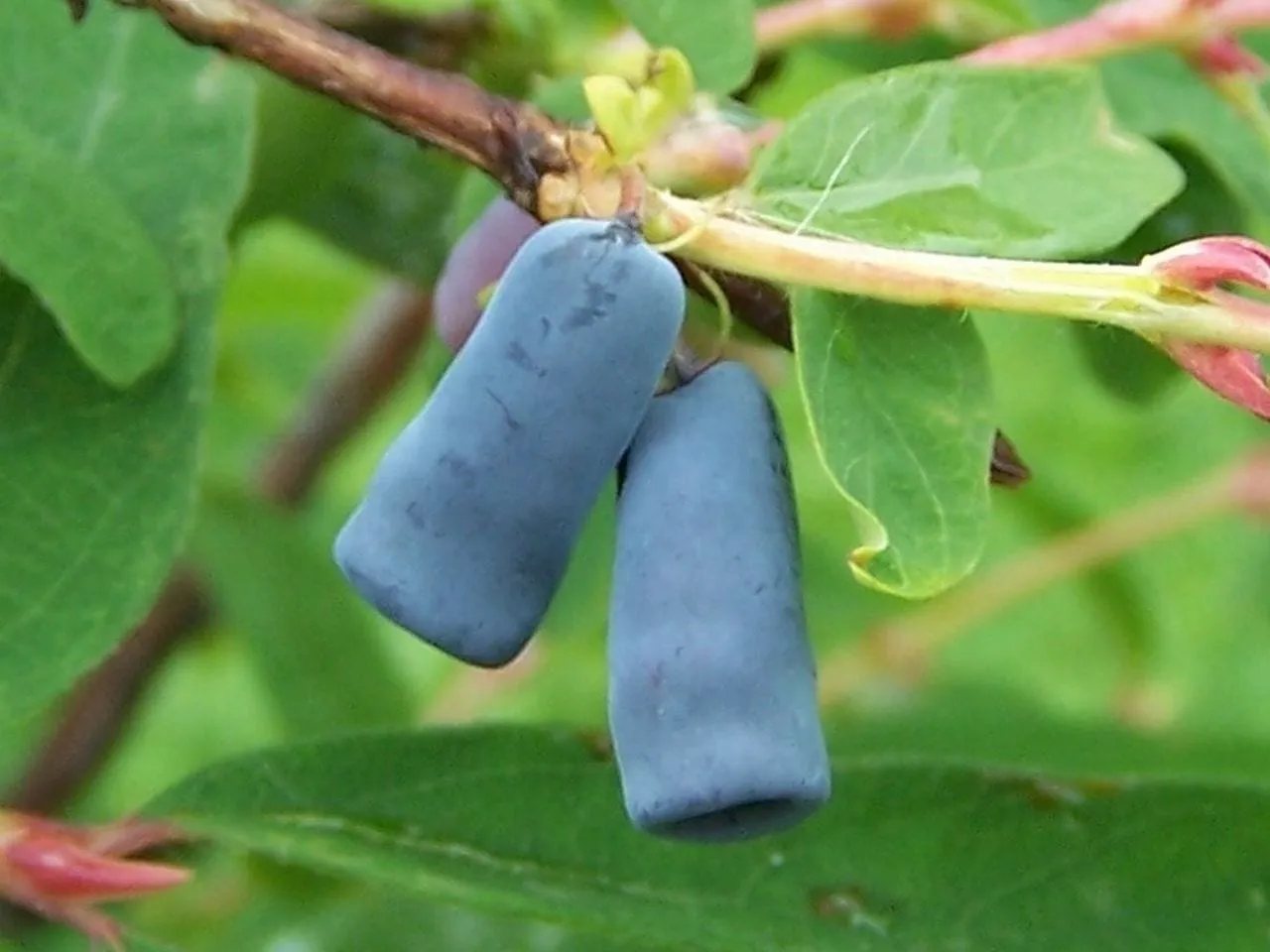
berry in zone 4b
Growing honeyberry (haskap) in zone 4b
Lonicera caerulea
- Zone
- 4b -25°F to -20°F
- Growing season
- 130 days
- Chill needed
- 1500 to 2000 below 45°F
- Suitable varieties
- 4
- Days to harvest
- 30 to 50
The verdict
Zone 4b is a genuine sweet spot for honeyberry, not a marginal case. The crop requires 1,500 to 2,000 chill hours annually, and zone 4b winters (-25 to -20°F) deliver that accumulation reliably. Most of the foundational breeding for modern honeyberry varieties happened in prairie Canada and Hokkaido, Japan, climates that closely resemble zone 4b conditions. The varieties best matched here, including Borealis, Tundra, Aurora, and Indigo Treat, were specifically selected for northern growing conditions and will outperform in this zone compared to warmer regions where mild winters can leave chill requirements unmet.
The 130-day growing season is adequate. Honeyberry's productive window is compact, and the crop is fully harvested before the growing season even reaches its midpoint. Growers in zones 6 and warmer who struggle with heat stress and insufficient chill hours will find honeyberry far more agreeable in zone 4b.
Recommended varieties for zone 4b
4 cultivars suited to this zone, with disease-resistance and zone-fit annotations.
| Variety | Notes | Zone fit | Disease resistance |
|---|---|---|---|
| Aurora fits zone 4b | Sweet-tart, complex blueberry-grape-raspberry flavor, soft elongated dark-blue berries; fresh, jam, baking, freezing. University of Saskatchewan release, large fruit, productive. Pairs with Borealis. | | none noted |
| Borealis fits zone 4b | Sweet-tart, intense flavor with raspberry-blueberry notes, large soft berries; fresh, jam, syrup. Saskatchewan release, the standard pollinator partner for Aurora. | | none noted |
| Tundra fits zone 4b | Sweet-tart, balanced flavor, firmer than other haskaps; fresh, processing, mechanical harvest. Productive Saskatchewan release, holds quality on the bush. | | none noted |
| Indigo Treat fits zone 4b | Sweet-tart, rich complex flavor; fresh and jam. Cornell-evaluated cultivar with reliable productivity in northeastern conditions. Pairs with Indigo Gem. | | none noted |
Critical timing for zone 4b
Honeyberry blooms in late April to early May in zone 4b, making it one of the earliest-blooming small fruits in the garden. That timing is an asset in terms of avoiding summer heat stress, but it puts bloom squarely in the window when late frost events remain a real risk across most of zone 4b. Open blossoms are vulnerable to temperatures below 28°F even though the plants themselves tolerate extreme cold.
Harvest follows within 6 to 8 weeks of bloom, typically landing in late June to mid-July, well ahead of raspberries, blueberries, and most other small fruits. This early ripening window reduces competition for harvest labor, minimizes late-season disease pressure, and gets fruit off the bush before peak summer heat arrives.
Common challenges in zone 4b
- ▸ Spring frost timing
- ▸ Apple scab pressure
- ▸ Cane berry winter dieback
Disease pressure to watch for
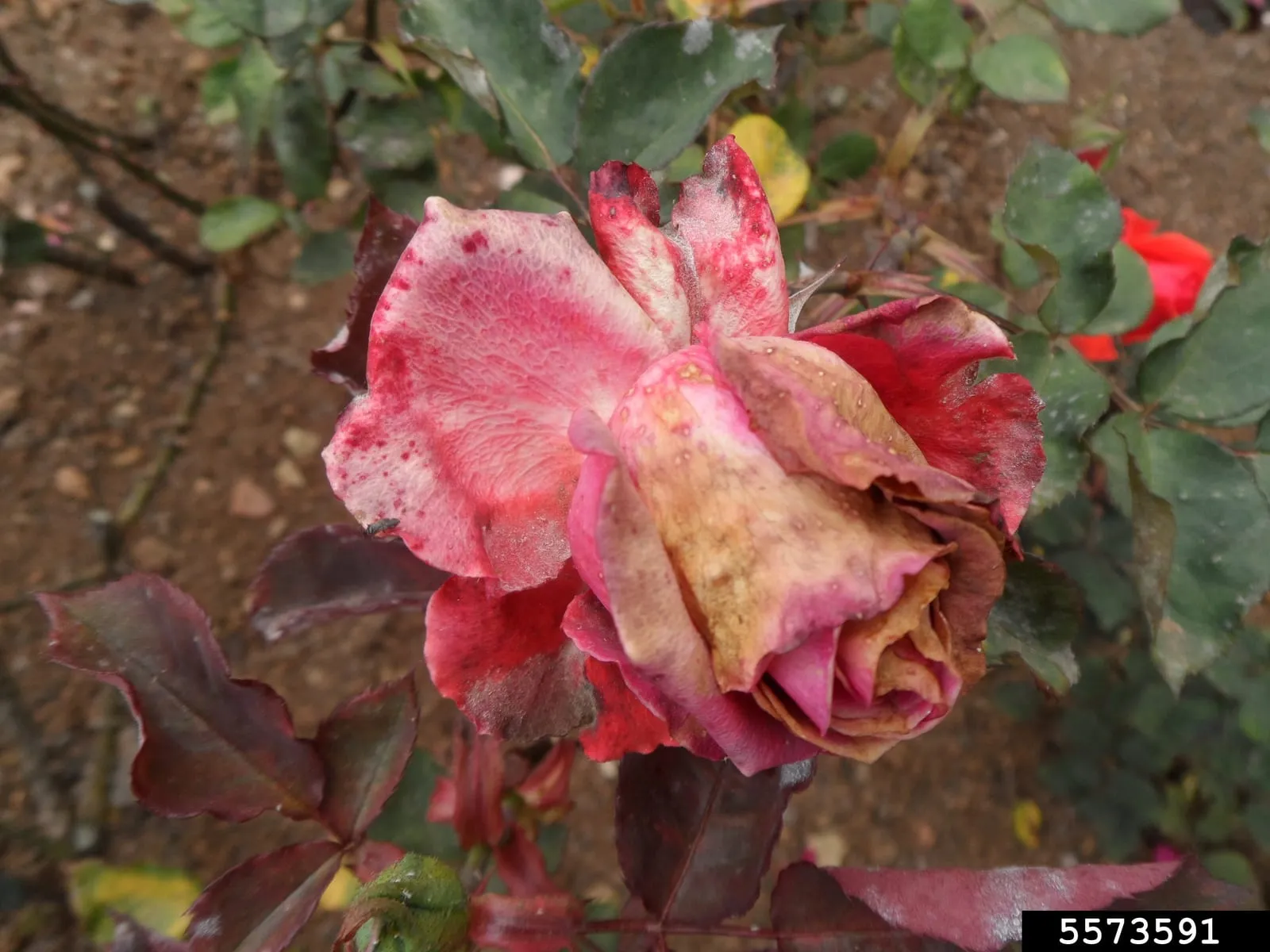
Botrytis cinerea
Ubiquitous fungal disease that causes fruit rot during cool wet weather, often the dominant berry disease in humid regions.
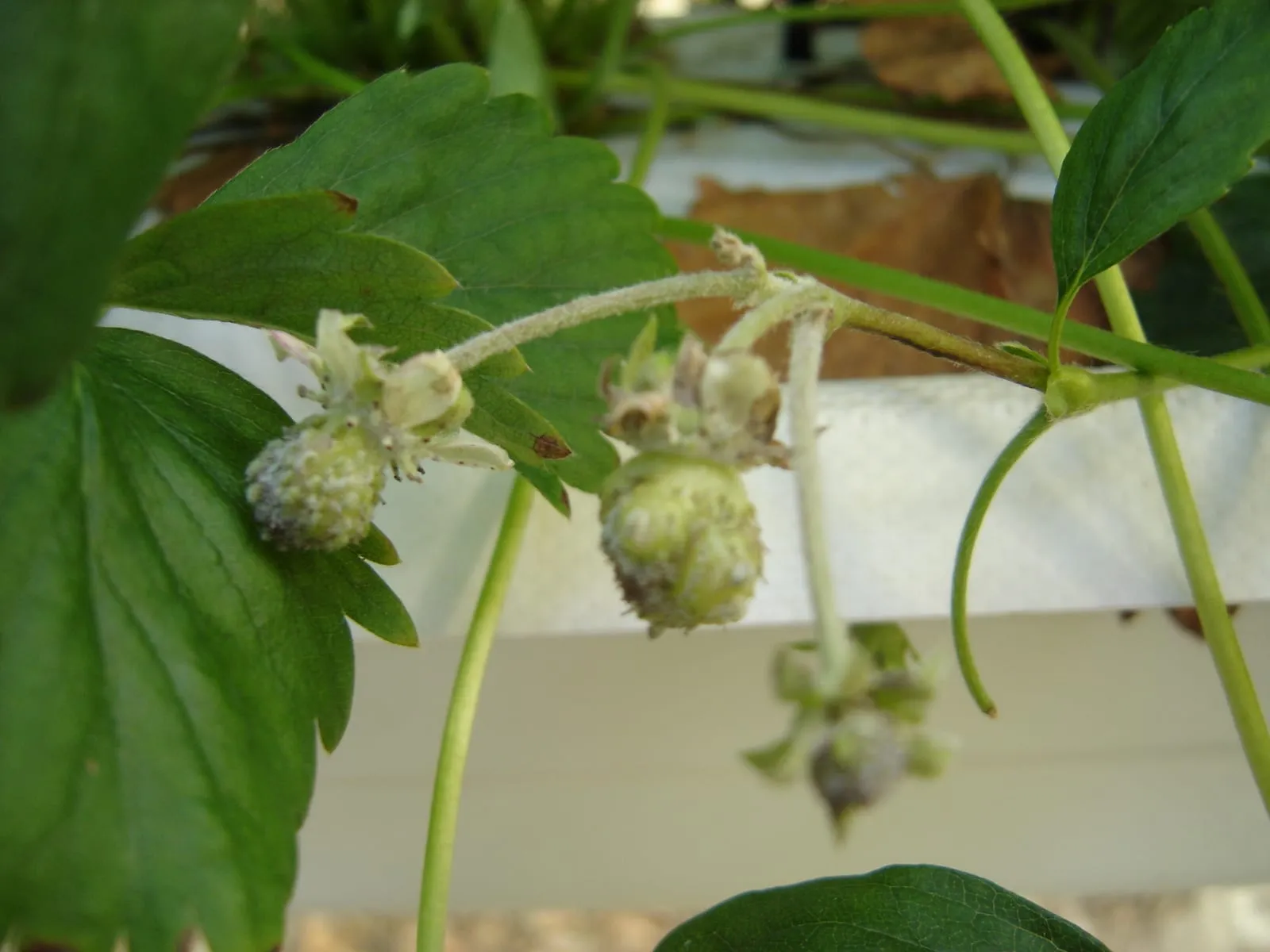
Podosphaera and Sphaerotheca species
Surface-feeding fungal disease producing white powdery growth on leaves and fruit, particularly damaging on gooseberries.
Modified care for zone 4b
The primary zone 4b adjustment is protecting open flowers from late frost. Honeyberry plants themselves are rated to -40°F and need no winter wrapping or mounding in this zone. The vulnerability is narrow: open blossoms from late April through early May can sustain damage at 28°F or colder. Frost cloth or row cover applied during predicted overnight freezes in that window is the most cost-effective protection.
Gray mold (Botrytis) is the disease to watch in wet springs. Adequate plant spacing, at least 5 feet between shrubs, combined with selective pruning to improve airflow through the canopy, reduces incidence without chemical intervention. Powdery mildew is generally minor in zone 4b's drier air but can appear on plants grown in sheltered or shaded sites with restricted air circulation. Siting plants in full sun with good air movement addresses both diseases simultaneously.
Honeyberry (Haskap) in adjacent zones
Image: "Lonicera coerulea a3", by Opioła Jerzy (Poland), via Wikimedia Commons, licensed under CC-BY Source.

Related