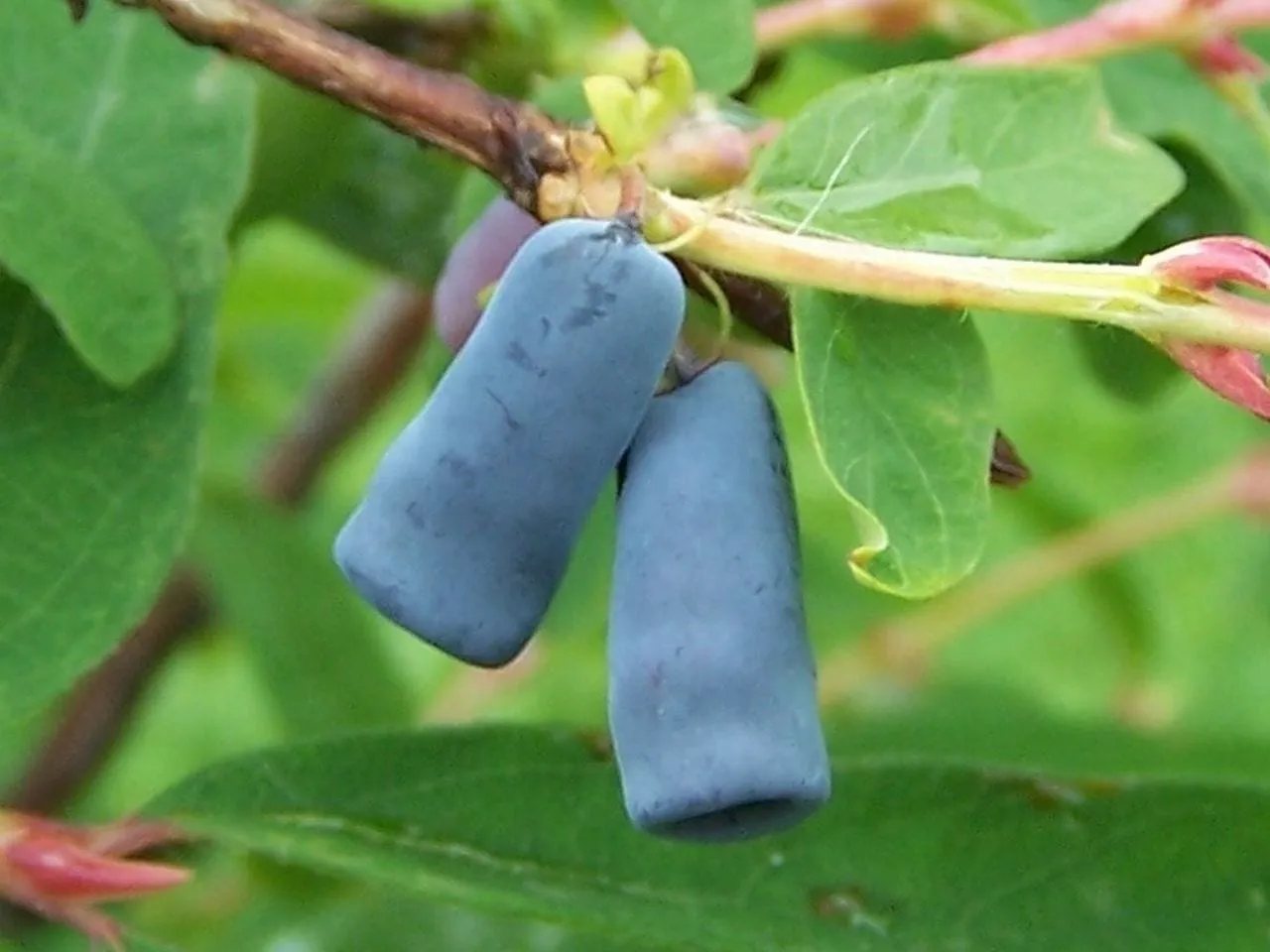
berry in zone 5a
Growing honeyberry (haskap) in zone 5a
Lonicera caerulea
- Zone
- 5a -20°F to -15°F
- Growing season
- 150 days
- Chill needed
- 1500 to 2000 below 45°F
- Suitable varieties
- 4
- Days to harvest
- 30 to 50
The verdict
Zone 5a is a sweet spot for honeyberry (haskap), not a marginal zone. The crop's chill-hour requirement of 1,500 to 2,000 hours aligns well with what a zone 5a winter reliably delivers; most sites in this zone accumulate that range without difficulty. Winter low temperatures of -20 to -15°F are also well within what honeyberry handles. The shrubs are native to boreal and subarctic regions and can survive temperatures below -40°F in hardened conditions, so zone 5a winters pose essentially no cold-damage risk to established plants.
The 150-day growing season in zone 5a is more than sufficient for honeyberry, which completes its entire fruit development cycle by late spring to early summer. Growers at the warmer edge of this range (closer to -15°F minimums) may find slightly earlier bloom timing, but the crop performance difference across zone 5a is minor. For growers in this zone, variety selection matters more for flavor and cross-pollination than for cold hardiness.
Recommended varieties for zone 5a
4 cultivars suited to this zone, with disease-resistance and zone-fit annotations.
| Variety | Notes | Zone fit | Disease resistance |
|---|---|---|---|
| Aurora fits zone 5a | Sweet-tart, complex blueberry-grape-raspberry flavor, soft elongated dark-blue berries; fresh, jam, baking, freezing. University of Saskatchewan release, large fruit, productive. Pairs with Borealis. | | none noted |
| Borealis fits zone 5a | Sweet-tart, intense flavor with raspberry-blueberry notes, large soft berries; fresh, jam, syrup. Saskatchewan release, the standard pollinator partner for Aurora. | | none noted |
| Tundra fits zone 5a | Sweet-tart, balanced flavor, firmer than other haskaps; fresh, processing, mechanical harvest. Productive Saskatchewan release, holds quality on the bush. | | none noted |
| Indigo Treat fits zone 5a | Sweet-tart, rich complex flavor; fresh and jam. Cornell-evaluated cultivar with reliable productivity in northeastern conditions. Pairs with Indigo Gem. | | none noted |
Critical timing for zone 5a
Honeyberry is among the earliest-blooming fruiting shrubs in zone 5a, typically opening flowers in mid-to-late April, several weeks before most tree fruits. This early bloom is one of the crop's defining traits. Harvest follows relatively quickly, usually arriving in late June to early July depending on variety and site, well within the zone's growing season window.
The zone 5a challenge of late spring frosts is worth noting, but honeyberry flowers are notably frost-tolerant compared to tree fruits. Open blooms can withstand brief dips to around 27 to 28°F, which reduces (but does not eliminate) frost damage risk. Sites with cold air drainage or frost pockets may still see partial crop loss in bad frost years. Harvest timing roughly 6 to 8 weeks after bloom means the fruit escapes the bulk of summer stress.
Common challenges in zone 5a
- ▸ Fire blight in pears
- ▸ Cedar-apple rust
- ▸ Late spring frosts
Disease pressure to watch for
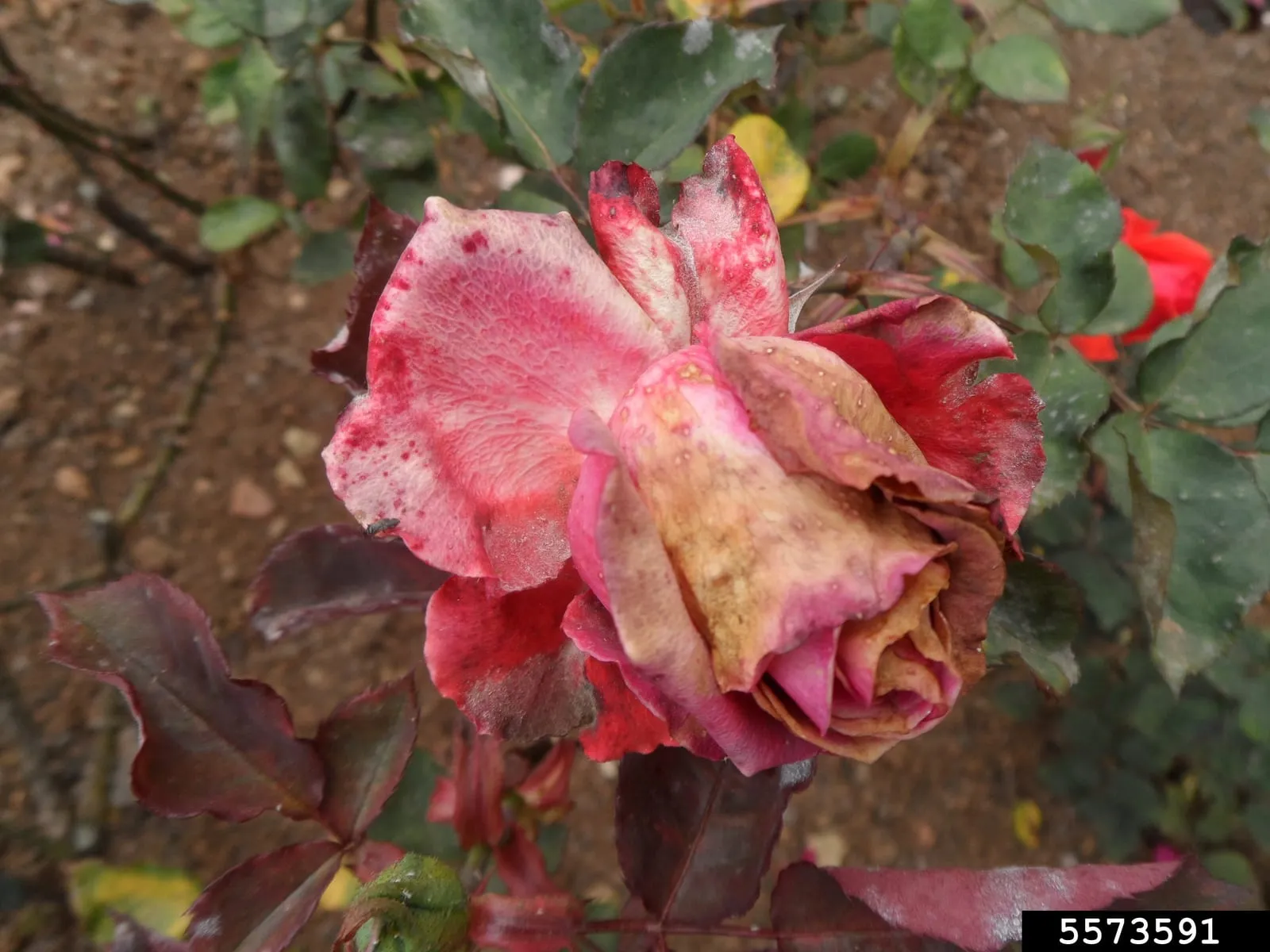
Botrytis cinerea
Ubiquitous fungal disease that causes fruit rot during cool wet weather, often the dominant berry disease in humid regions.
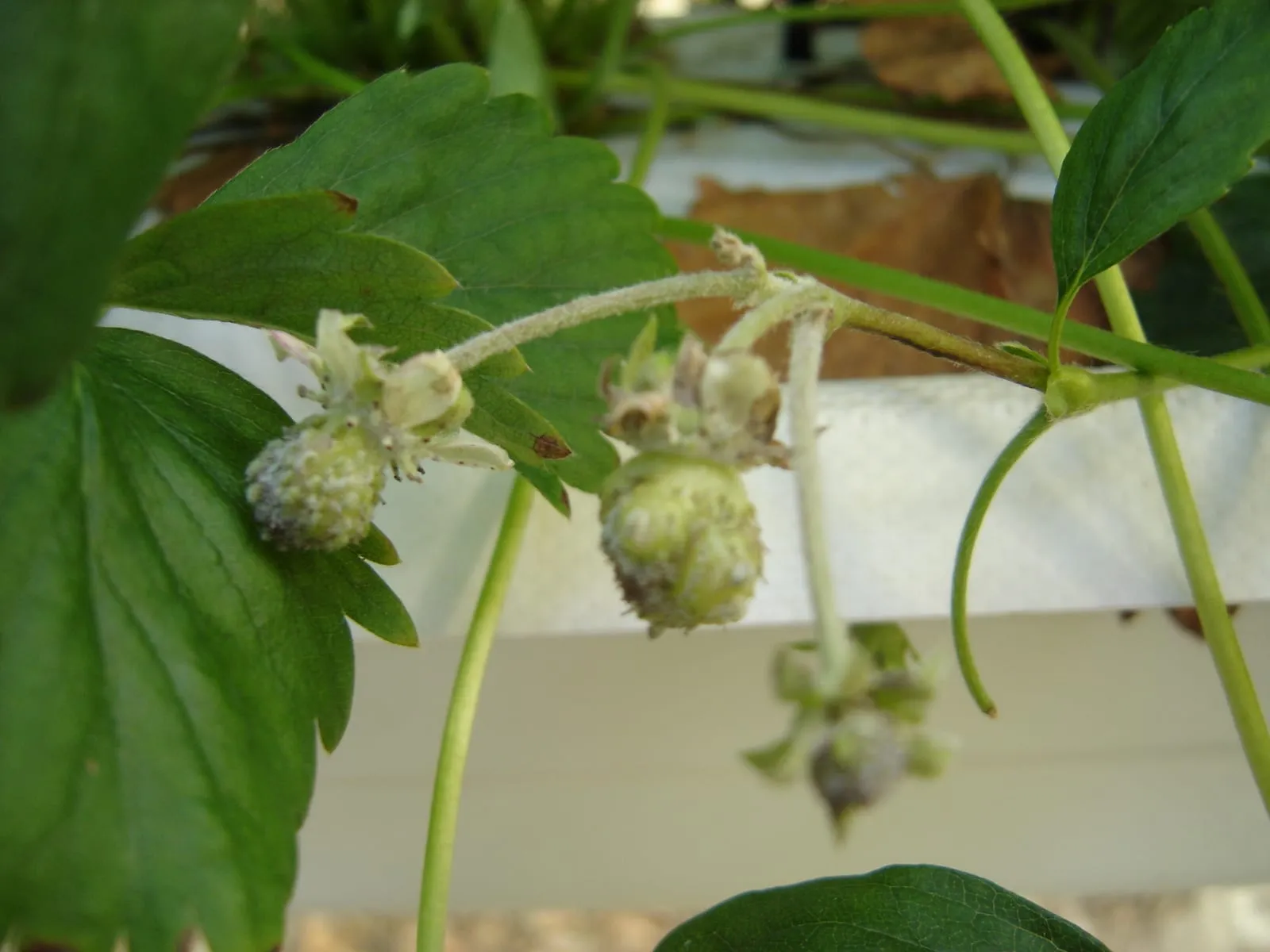
Podosphaera and Sphaerotheca species
Surface-feeding fungal disease producing white powdery growth on leaves and fruit, particularly damaging on gooseberries.
Modified care for zone 5a
Zone 5a does not require significant care adjustments beyond what honeyberry needs across its general range. The main area requiring attention is disease management in spring. Gray mold (Botrytis) can establish in wet, cool conditions during bloom and early fruit set, which are common in zone 5a springs. Pruning for open canopy structure and avoiding dense planting reduces humidity around the fruit clusters.
Berry powdery mildew is less aggressive in cooler climates but worth monitoring in years with warm, dry late-spring conditions. Cross-pollination is essential regardless of zone; at least two compatible varieties are required for fruit set. Among the varieties suited to this zone, Borealis and Tundra tend to be reliable pollinators for Aurora and Indigo Treat. Beyond these considerations, zone 5a growers need not make major adjustments. Established plants require no winter wrapping or extra mulching beyond what is standard for any fruiting shrub.
Frequently asked questions
- Does honeyberry actually need 1,500 to 2,000 chill hours, or is that estimate conservative?
The 1,500 to 2,000 hour range cited for honeyberry reflects its northern origins and is a reasonable working figure. Zone 5a reliably meets this threshold in most winters. Some modern cultivars, including Indigo Treat, may perform with somewhat fewer chill hours, but no variety in this group is suited to zones warmer than 6a.
- Will a single honeyberry plant produce fruit in zone 5a?
No. Honeyberry requires cross-pollination from a second genetically distinct plant flowering at the same time. Planting only one variety results in little to no fruit set regardless of zone. Two or more compatible varieties planted within 6 to 8 feet of each other is the standard recommendation.
- How does zone 5a late spring frost risk affect honeyberry harvest?
Honeyberry flowers tolerate light frosts better than most fruits, surviving brief exposure down to about 27 to 28°F. A hard late frost below that threshold can cause partial bloom loss. Because harvest arrives in late June, the fruit itself faces minimal frost risk in zone 5a.
+−
+−
+−
Honeyberry (Haskap) in adjacent zones
Image: "Lonicera coerulea a3", by Opioła Jerzy (Poland), via Wikimedia Commons, licensed under CC-BY Source.

Related