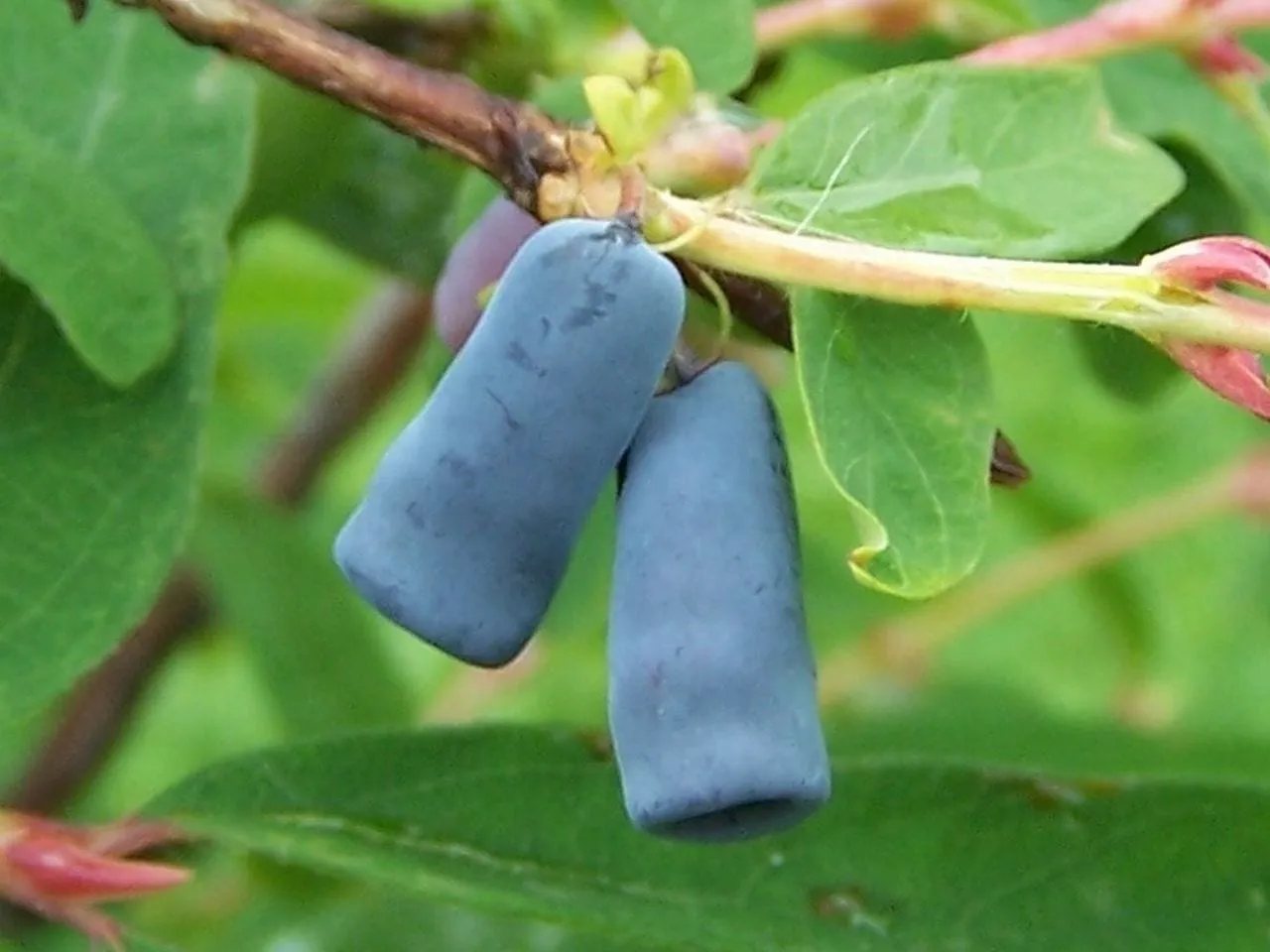
berry in zone 5b
Growing honeyberry (haskap) in zone 5b
Lonicera caerulea
- Zone
- 5b -15°F to -10°F
- Growing season
- 165 days
- Chill needed
- 1500 to 2000 below 45°F
- Suitable varieties
- 4
- Days to harvest
- 30 to 50
The verdict
Zone 5b is a strong fit for honeyberry, not a marginal one. The crop's chill-hour requirement of 1,500 to 2,000 hours is routinely met across most of zone 5b, where winter accumulation typically runs well above that threshold. Native to Siberia, northern Japan, and the boreal forests of Canada, honeyberry evolved in conditions far colder than the -15 to -10°F minimum that defines zone 5b. The shrubs are cold-hardy to around -40°F in dormancy, so winter kill is not a realistic concern here.
Varieties bred for North American production, including Borealis and Tundra (both developed at the University of Saskatchewan), perform reliably through zone 5b winters without supplemental protection. Aurora and Indigo Treat, developed at the University of Guelph, are similarly well-matched. The 165-day growing season in zone 5b comfortably supports the full cycle from early bloom through berry ripening, with no meaningful season-length constraint.
Recommended varieties for zone 5b
4 cultivars suited to this zone, with disease-resistance and zone-fit annotations.
| Variety | Notes | Zone fit | Disease resistance |
|---|---|---|---|
| Aurora fits zone 5b | Sweet-tart, complex blueberry-grape-raspberry flavor, soft elongated dark-blue berries; fresh, jam, baking, freezing. University of Saskatchewan release, large fruit, productive. Pairs with Borealis. | | none noted |
| Borealis fits zone 5b | Sweet-tart, intense flavor with raspberry-blueberry notes, large soft berries; fresh, jam, syrup. Saskatchewan release, the standard pollinator partner for Aurora. | | none noted |
| Tundra fits zone 5b | Sweet-tart, balanced flavor, firmer than other haskaps; fresh, processing, mechanical harvest. Productive Saskatchewan release, holds quality on the bush. | | none noted |
| Indigo Treat fits zone 5b | Sweet-tart, rich complex flavor; fresh and jam. Cornell-evaluated cultivar with reliable productivity in northeastern conditions. Pairs with Indigo Gem. | | none noted |
Critical timing for zone 5b
Honeyberry is among the earliest-blooming small fruits, typically opening flowers in mid-to-late April across zone 5b, before most tree fruits break dormancy. This early timing is both an advantage and a risk: flowers emerge ahead of competition for pollinators, but they can coincide with late frosts. Honeyberry flowers tolerate brief dips to around 24°F (-4°C) at full bloom better than most stone fruits, though extended cold events at bloom time can reduce fruit set.
In zone 5b, last average frost typically falls between late April and mid-May, meaning some overlap with the bloom window is common most years. Harvest follows roughly 6 to 8 weeks after full bloom, generally landing in late June to early July. This makes honeyberry the first fresh fruit of the season in most zone 5b gardens, often ripening a week or two ahead of June-bearing strawberries.
Common challenges in zone 5b
- ▸ Plum curculio
- ▸ Codling moth
- ▸ Cedar-apple rust
Disease pressure to watch for
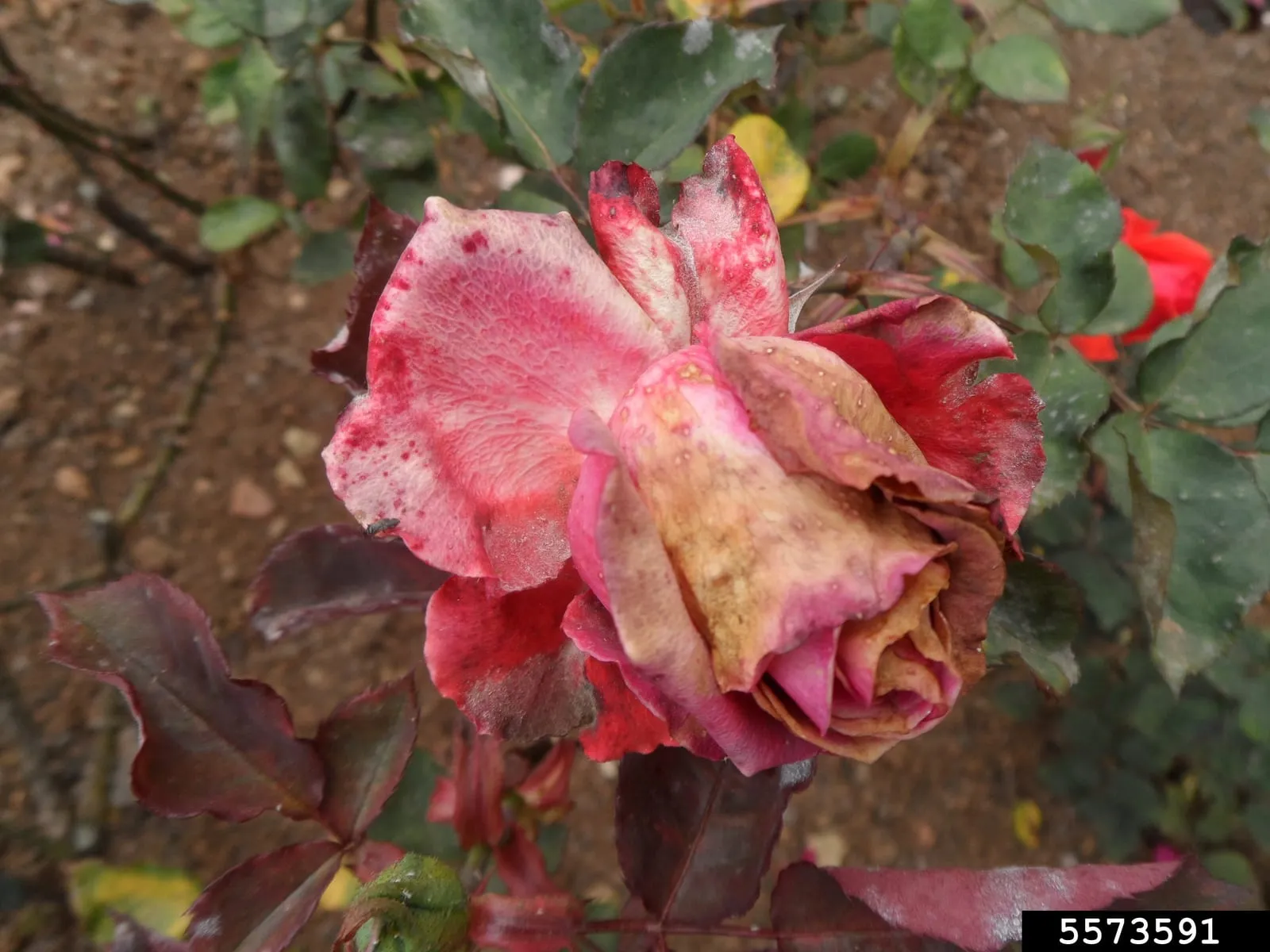
Botrytis cinerea
Ubiquitous fungal disease that causes fruit rot during cool wet weather, often the dominant berry disease in humid regions.
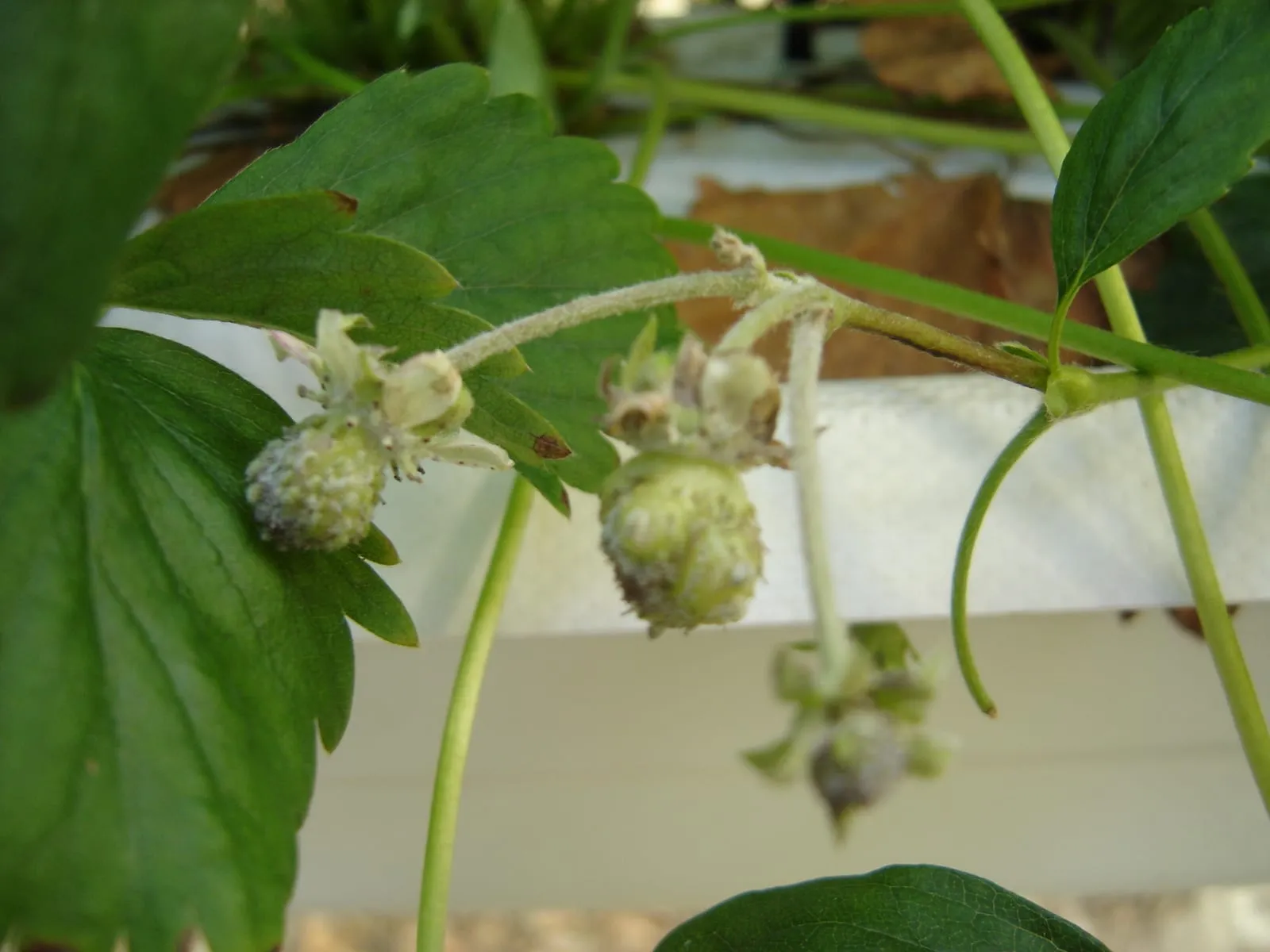
Podosphaera and Sphaerotheca species
Surface-feeding fungal disease producing white powdery growth on leaves and fruit, particularly damaging on gooseberries.
Modified care for zone 5b
Cross-pollination is mandatory for fruit set. At least two compatible varieties are required, planted within roughly 50 feet of each other. Proven pairings include Borealis with Tundra, and Aurora with Indigo Treat. Single-variety plantings will produce little to no fruit regardless of otherwise good conditions.
Gray Mold (Botrytis) can be a problem in cool, wet zone 5b springs, particularly during extended overcast periods at bloom and ripening. Pruning for an open canopy improves airflow and reduces berry-to-berry moisture retention. Berry Powdery Mildew tends to emerge in mid-summer; avoid overhead irrigation once fruit is sizing up. The zone 5b pest pressures listed for this region, plum curculio and codling moth, primarily target tree fruits and are not a significant concern for honeyberry. Bird pressure at harvest typically exceeds insect pressure and warrants netting if berry loss has been a problem in prior seasons.
Honeyberry (Haskap) in adjacent zones
Image: "Lonicera coerulea a3", by Opioła Jerzy (Poland), via Wikimedia Commons, licensed under CC-BY Source.

Related