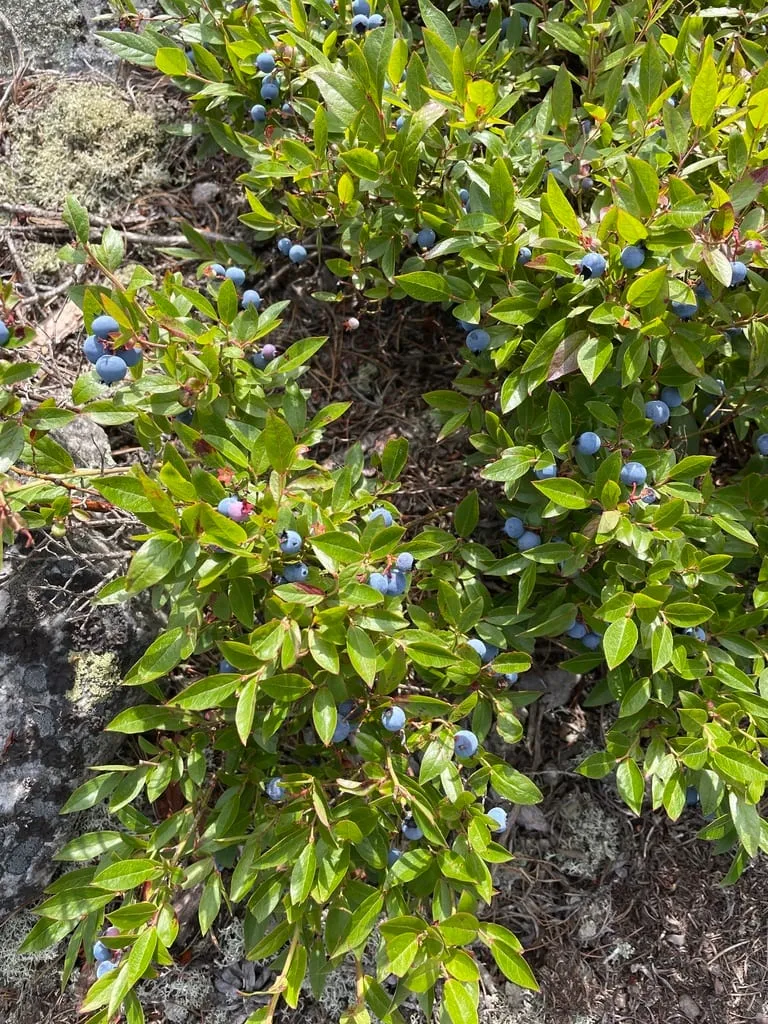
berry in zone 6a
Growing lowbush blueberry in zone 6a
Vaccinium angustifolium
- Zone
- 6a -10°F to -5°F
- Growing season
- 180 days
- Chill needed
- 1000 to 1200 below 45°F
- Suitable varieties
- 2
- Days to harvest
- 70 to 100
The verdict
Lowbush blueberry sits near the warm end of its natural range in zone 6a, which makes this a reliable zone rather than a marginal one. Native to cold northeastern and boreal climates, lowbush types require 1,000 to 1,200 chill hours below 45°F, a threshold that zone 6a winters meet consistently. Minimum temperatures of -10°F to -5°F pose no meaningful threat to established plants, which tolerate far colder conditions without significant cold injury. The 180-day growing season gives adequate time for fruit set and full ripening. Varieties like Top Hat and Burgundy are both well-matched to this zone. The one suitability caveat is the warmer tail of zone 6a winters: an anomalously mild winter could occasionally fall short of the full chill accumulation, delaying or thinning the bloom in that season. This is not the typical pattern, but it is worth tracking in years following unusually warm Decembers and Januaries.
Recommended varieties for zone 6a
2 cultivars suited to this zone, with disease-resistance and zone-fit annotations.
| Variety | Notes | Zone fit | Disease resistance |
|---|---|---|---|
| Top Hat fits zone 6a | Sweet-tart, intensely flavored small berries with classic wild-blueberry punch; fresh, baking, jam. Compact 1-2 ft mound, also ornamental. Self-fertile. | | none noted |
| Burgundy fits zone 6a | Tart, complex, deep wild-blueberry flavor; small premium berries. Spreading groundcover habit, deep burgundy fall color. | | none noted |
Critical timing for zone 6a
Lowbush blueberry blooms in late April to mid-May in zone 6a, after the worst hard-freeze risk has typically passed but not always. Average last frost dates across zone 6a fall between mid-April and early May, varying with elevation and local topography, which means open flowers face occasional late-frost exposure in cold springs. Fruit sets through June and ripens from mid-July into August. The 180-day growing season comfortably accommodates this window, with late-season harvests in cooler or higher-elevation microclimates sometimes extending into early September. Monitoring forecasts during bloom is a reasonable precaution in late-spring years; a single hard frost below 28°F during peak bloom can sharply reduce fruit set.
Common challenges in zone 6a
- ▸ Brown rot in stone fruit
- ▸ Japanese beetles
- ▸ Spring frost damage to peach buds
Disease pressure to watch for
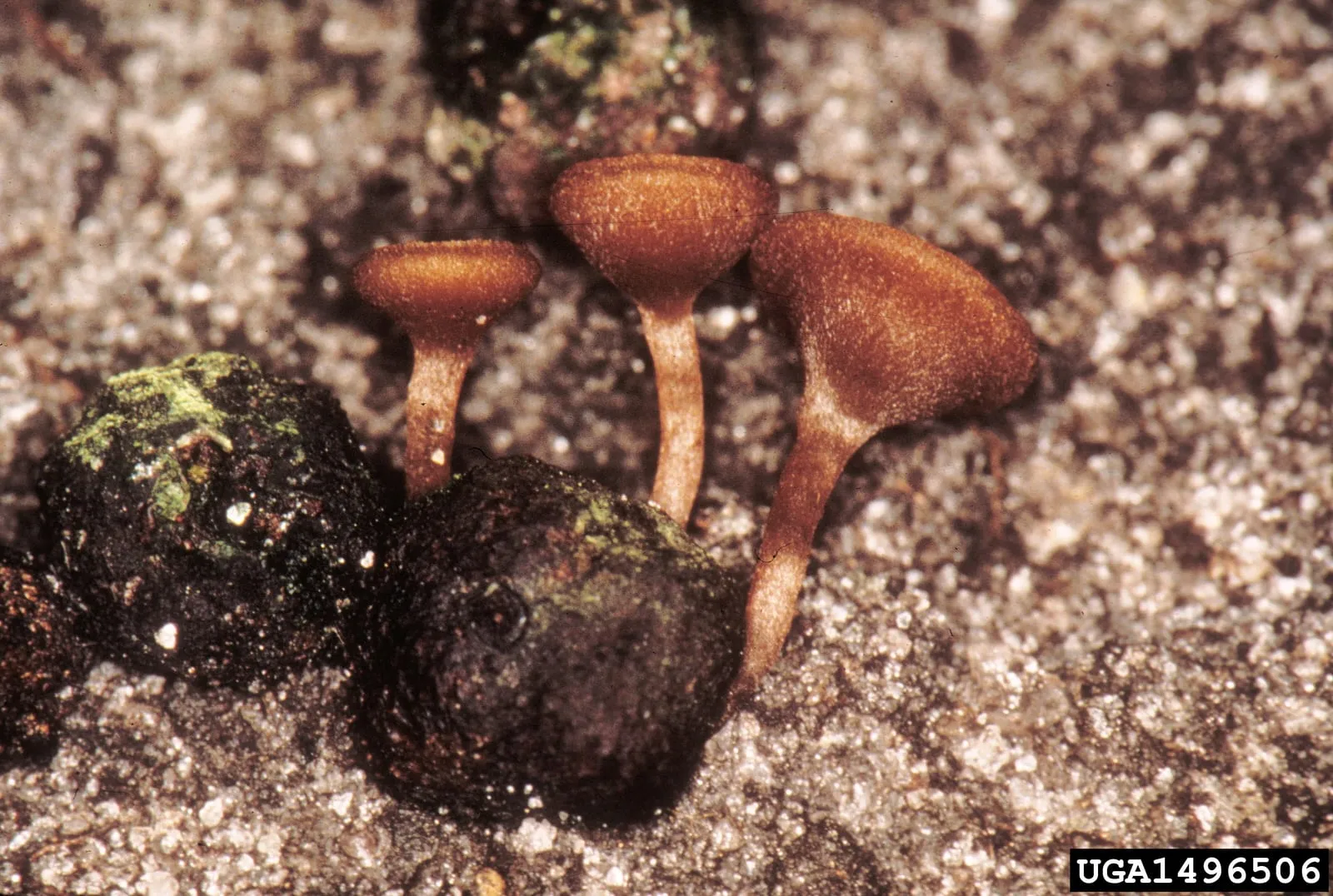
Monilinia vaccinii-corymbosi
The most damaging blueberry disease in the eastern US, killing shoots in spring and mummifying fruit later in the season.
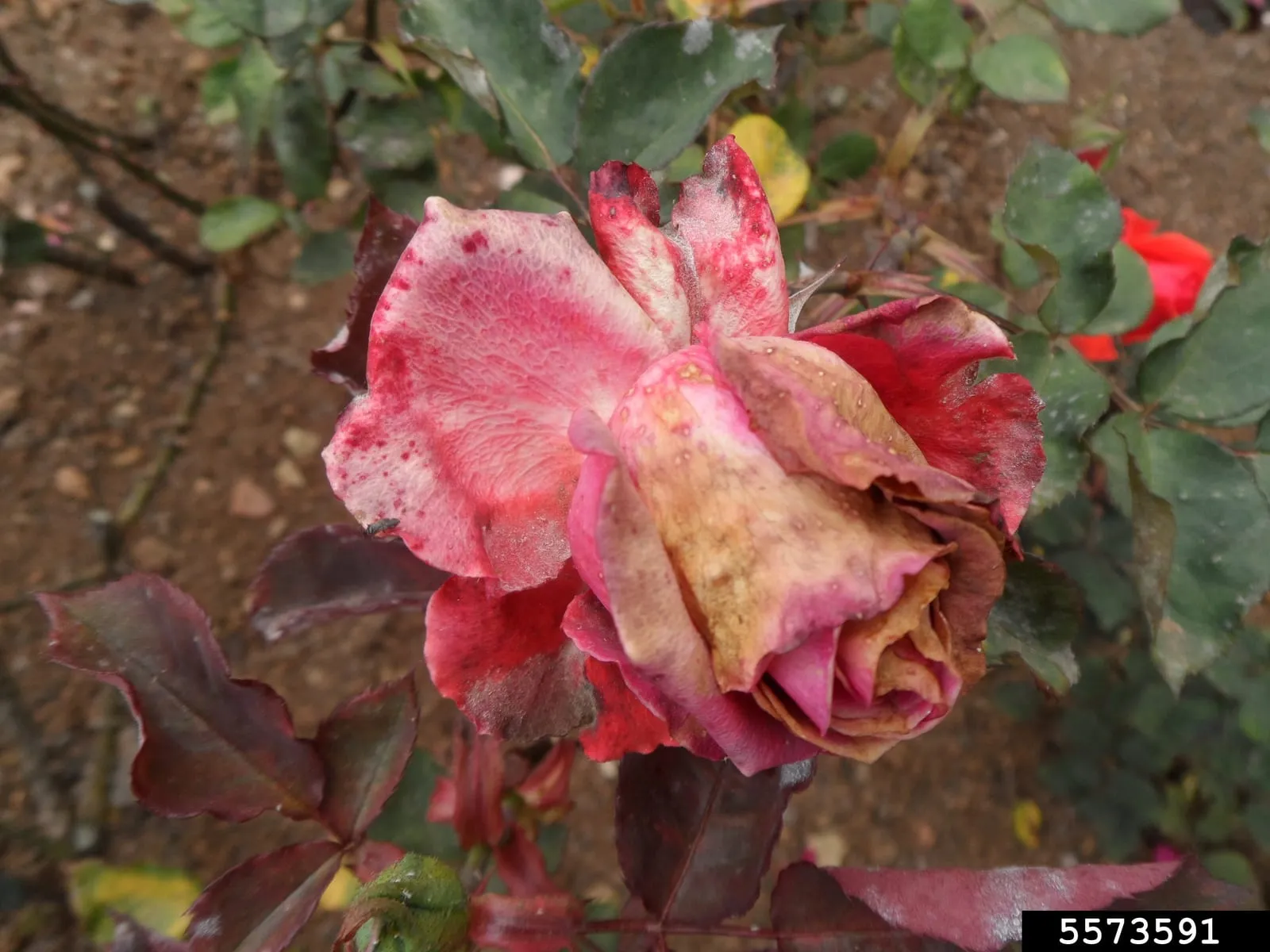
Botrytis cinerea
Ubiquitous fungal disease that causes fruit rot during cool wet weather, often the dominant berry disease in humid regions.
Modified care for zone 6a
Winter protection is not necessary for lowbush blueberry in zone 6a; the plants handle the zone's cold without added mulching for freeze defense, though mulching for soil moisture retention and pH management (target 4.5 to 5.5) remains standard practice regardless. The more consequential adjustments involve disease and insect management. Mummy Berry and Gray Mold (Botrytis) are the primary disease threats, and both intensify during warm, wet springs. Removing infected mummified berries before budbreak and maintaining good air circulation around the low-growing canopy reduces pressure from both pathogens. Japanese beetles, prevalent across zone 6a, feed on blueberry foliage from late June through August; row covers or hand removal are practical for small plantings. Avoid high-nitrogen fertility programs, which promote the soft, dense growth that draws both beetle feeding and fungal infection.
Lowbush Blueberry in adjacent zones
Image: "lowbush blueberry", by no rights reserved, via iNaturalist, licensed under CC0 Source.
Related