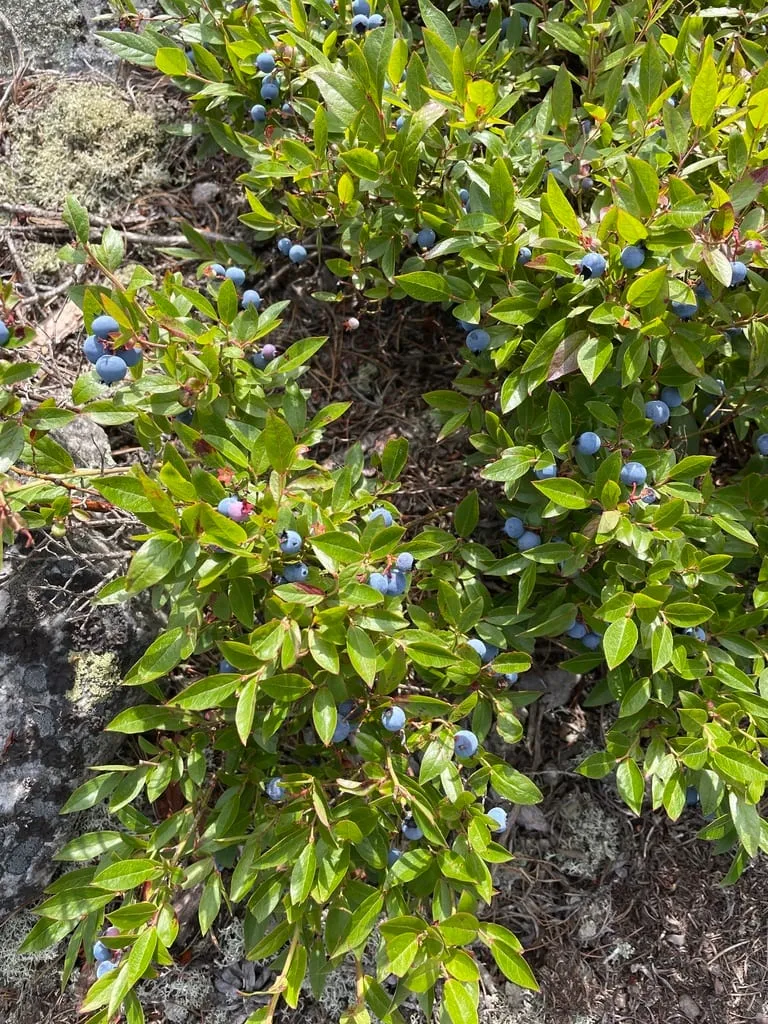
berry in zone 5b
Growing lowbush blueberry in zone 5b
Vaccinium angustifolium
- Zone
- 5b -15°F to -10°F
- Growing season
- 165 days
- Chill needed
- 1000 to 1200 below 45°F
- Suitable varieties
- 4
- Days to harvest
- 70 to 100
The verdict
Zone 5b is a genuine sweet spot for lowbush blueberry, not a marginal case. The crop requires 1,000 to 1,200 chill hours, and zone 5b winters reliably deliver that accumulation and then some. The minimum temperatures of -15 to -10°F are well within the crop's cold tolerance; lowbush blueberry is native to the cold northeastern and Great Lakes regions and handles hard freezes without the root damage that would concern growers working with higher-chill hybrids.
The compatible varieties for zone 5b (Top Hat, Ruby Carpet, Burgundy, Brunswick) are all selected for cold climates. Brunswick in particular has documented winter hardiness into zone 4. Top Hat, while compact in stature, performs reliably in zone 5 conditions when soil pH is kept in range.
The 165-day growing season is adequate for fruit development and ripening. Growers in the warmer pockets of zone 5b (south-facing slopes, urban heat islands) may see slightly earlier harvests, but the crop is not at risk of failing to ripen before first fall frost.
Recommended varieties for zone 5b
4 cultivars suited to this zone, with disease-resistance and zone-fit annotations.
| Variety | Notes | Zone fit | Disease resistance |
|---|---|---|---|
| Top Hat fits zone 5b | Sweet-tart, intensely flavored small berries with classic wild-blueberry punch; fresh, baking, jam. Compact 1-2 ft mound, also ornamental. Self-fertile. | | none noted |
| Ruby Carpet fits zone 5b | Tart-sweet, intense flavor, small dark blue berries; classic Maine wild-blueberry character. Spreading rhizomatous habit, brilliant red fall foliage. | | none noted |
| Burgundy fits zone 5b | Tart, complex, deep wild-blueberry flavor; small premium berries. Spreading groundcover habit, deep burgundy fall color. | | none noted |
| Brunswick fits zone 5b | Sweet-tart, intense flavor; selected from Maine wild stands. Compact spreading habit, productive and reliable in northern climates. | | none noted |
Critical timing for zone 5b
Lowbush blueberry blooms in zone 5b from roughly late April through mid-May, depending on the specific location and the warmth of the preceding weeks. This bloom window overlaps with the tail end of late frost risk in zone 5b, where freezing temperatures can persist into early May in exposed sites. A hard frost during open bloom will damage flowers and reduce fruit set; a light frost (28 to 32°F) may cause partial damage.
Harvest typically falls in mid-July to early August in zone 5b. The fruit develops over 60 to 90 days from bloom, and the relatively cool summers in zone 5b tend to extend the ripening window compared to warmer zones. Staggered ripening across a planting is common and extends the harvest period by two to three weeks.
Common challenges in zone 5b
- ▸ Plum curculio
- ▸ Codling moth
- ▸ Cedar-apple rust
Disease pressure to watch for
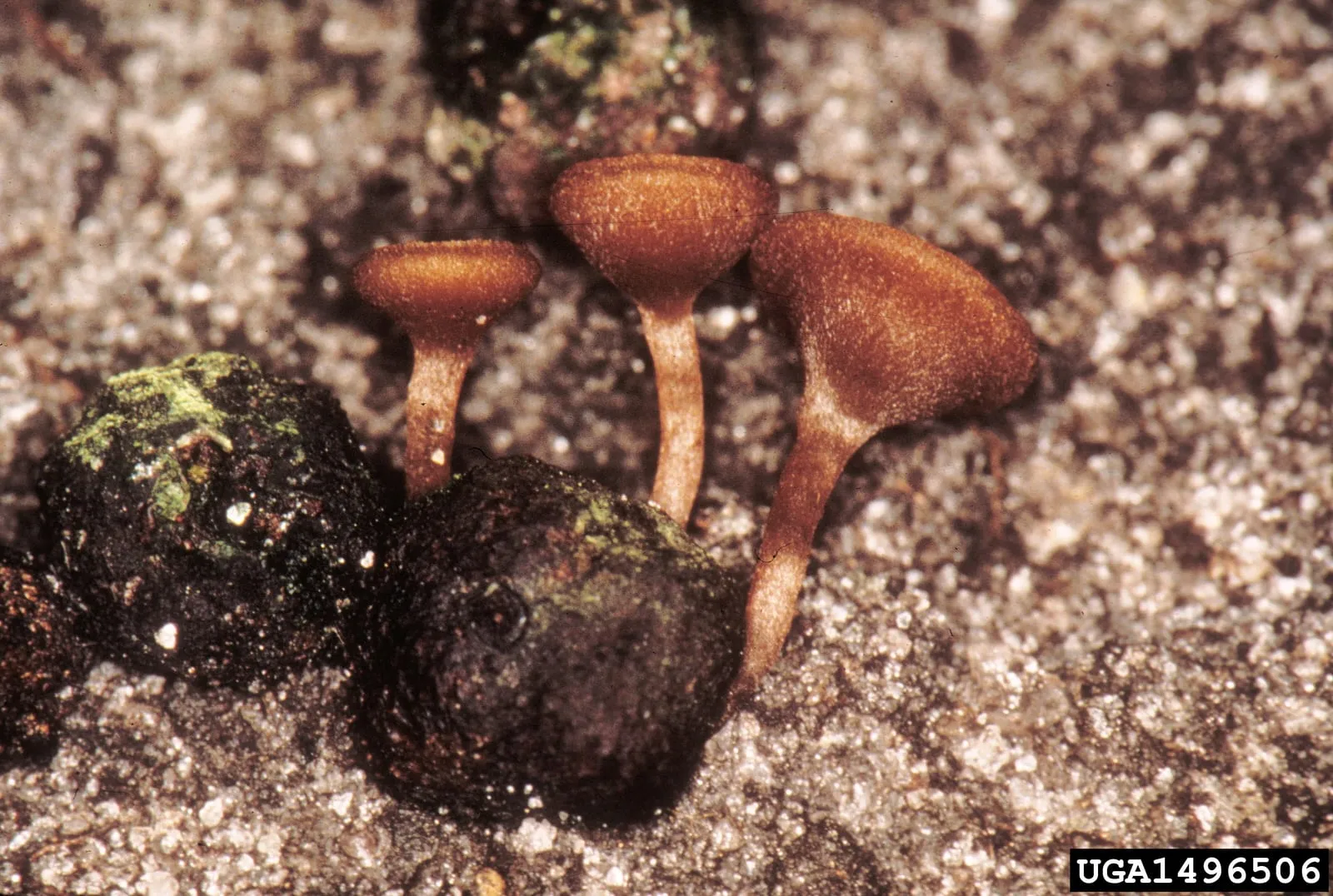
Monilinia vaccinii-corymbosi
The most damaging blueberry disease in the eastern US, killing shoots in spring and mummifying fruit later in the season.
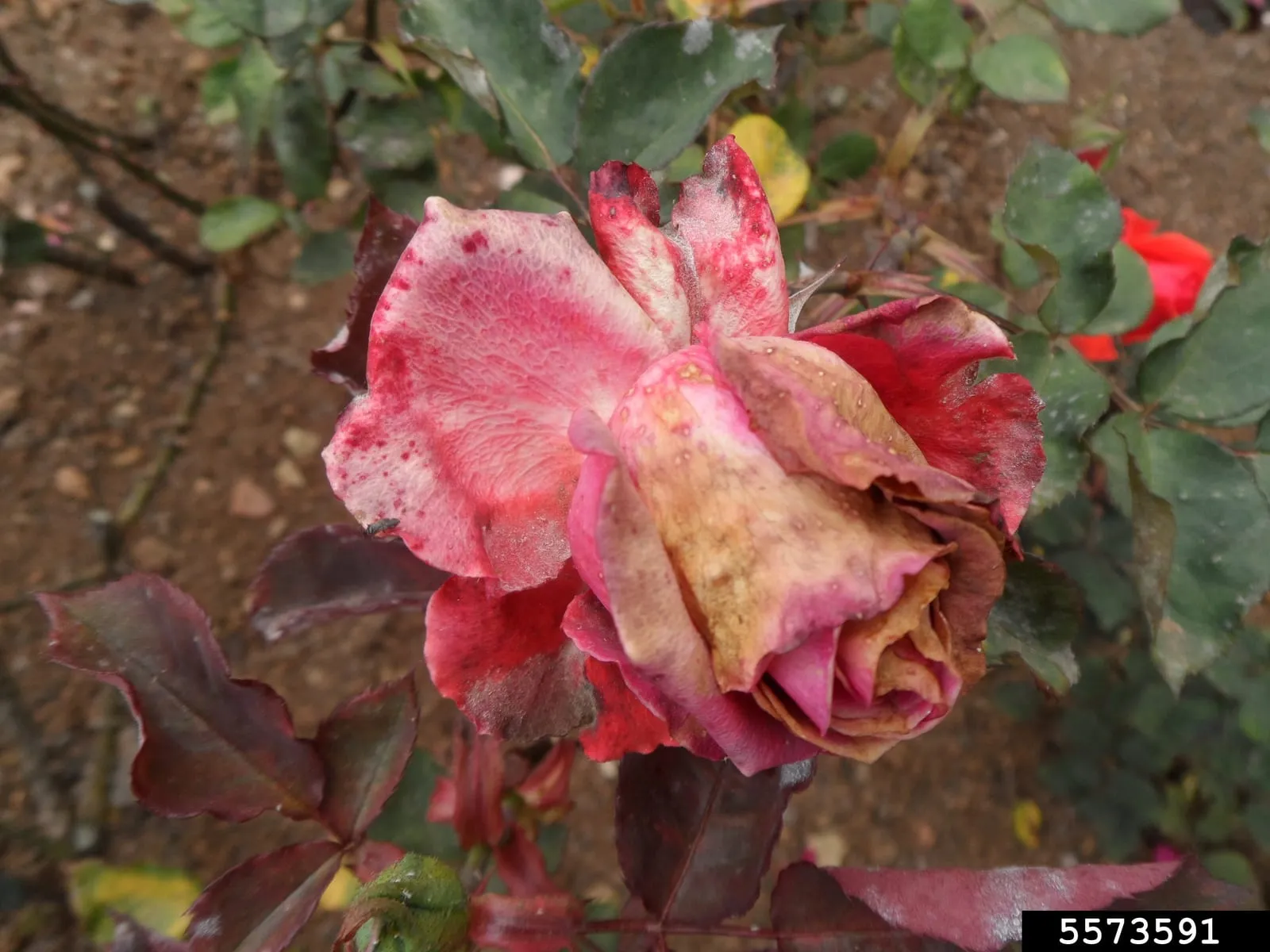
Botrytis cinerea
Ubiquitous fungal disease that causes fruit rot during cool wet weather, often the dominant berry disease in humid regions.
Modified care for zone 5b
The two diseases listed, Mummy Berry and Gray Mold (Botrytis), require different management strategies in zone 5b's climate. Mummy Berry overwinters in infected fruit that drops to the ground; raking and removing litter before bloom, or applying a shallow layer of fresh mulch to bury old mummies, reduces spore load significantly. Gray Mold (Botrytis) is more of a concern in cool, wet springs, which zone 5b growers experience regularly. Adequate plant spacing for air circulation is the most practical cultural control.
Soil pH management is critical regardless of zone. Lowbush blueberry requires a pH of 4.5 to 5.0. Zone 5b soils are often naturally acidic in forested areas but may need amendment in garden settings; test before planting and amend with sulfur if needed.
Winter protection is generally unnecessary. Snow cover, common in zone 5b, insulates shallow roots and crowns. Avoid late-season nitrogen applications, which push tender growth that winter cold can kill.
Lowbush Blueberry in adjacent zones
Image: "lowbush blueberry", by no rights reserved, via iNaturalist, licensed under CC0 Source.
Related