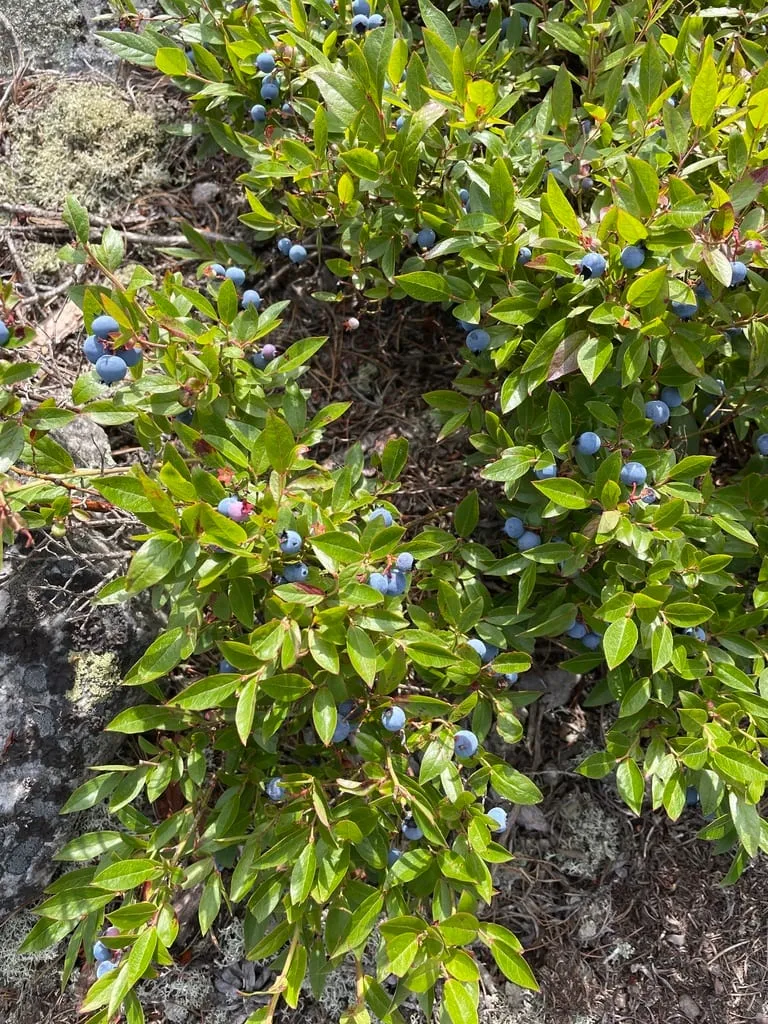
berry in zone 5a
Growing lowbush blueberry in zone 5a
Vaccinium angustifolium
- Zone
- 5a -20°F to -15°F
- Growing season
- 150 days
- Chill needed
- 1000 to 1200 below 45°F
- Suitable varieties
- 4
- Days to harvest
- 70 to 100
The verdict
Zone 5a is squarely within the native range of lowbush blueberry, making it one of the more reliable matches in the hardiness zone spectrum. The crop requires 1,000 to 1,200 chill hours annually, and zone 5a winters, with lows reaching -20 to -15°F, accumulate those hours consistently. Cold hardiness is rarely the limiting factor here. The 150-day growing season is sufficient to carry fruit to full ripeness without the late-season squeeze that warmer zones sometimes face. Varieties bred specifically for compact, spreading growth, such as Brunswick and Burgundy, are well-adapted to zone 5a conditions. Top Hat and Ruby Carpet, both widely grown in this zone, perform reliably without supplemental winter protection in most years. This is a sweet spot for lowbush types, not a marginal situation.
Recommended varieties for zone 5a
4 cultivars suited to this zone, with disease-resistance and zone-fit annotations.
| Variety | Notes | Zone fit | Disease resistance |
|---|---|---|---|
| Top Hat fits zone 5a | Sweet-tart, intensely flavored small berries with classic wild-blueberry punch; fresh, baking, jam. Compact 1-2 ft mound, also ornamental. Self-fertile. | | none noted |
| Ruby Carpet fits zone 5a | Tart-sweet, intense flavor, small dark blue berries; classic Maine wild-blueberry character. Spreading rhizomatous habit, brilliant red fall foliage. | | none noted |
| Burgundy fits zone 5a | Tart, complex, deep wild-blueberry flavor; small premium berries. Spreading groundcover habit, deep burgundy fall color. | | none noted |
| Brunswick fits zone 5a | Sweet-tart, intense flavor; selected from Maine wild stands. Compact spreading habit, productive and reliable in northern climates. | | none noted |
Critical timing for zone 5a
Bloom in zone 5a typically falls in mid to late May, once soil temperatures have stabilized and night temps stay reliably above freezing. Late spring frosts are a documented zone challenge, and a hard frost at petal fall can reduce fruit set significantly. Growers in lower-elevation sites or frost pockets should monitor bloom closely in years with delayed warming. Harvest generally runs from mid-July through August, depending on aspect and microclimate. The 150-day growing season provides enough of a buffer between last frost and first fall frost to bring lowbush fruit to full maturity in most years.
Common challenges in zone 5a
- ▸ Fire blight in pears
- ▸ Cedar-apple rust
- ▸ Late spring frosts
Disease pressure to watch for
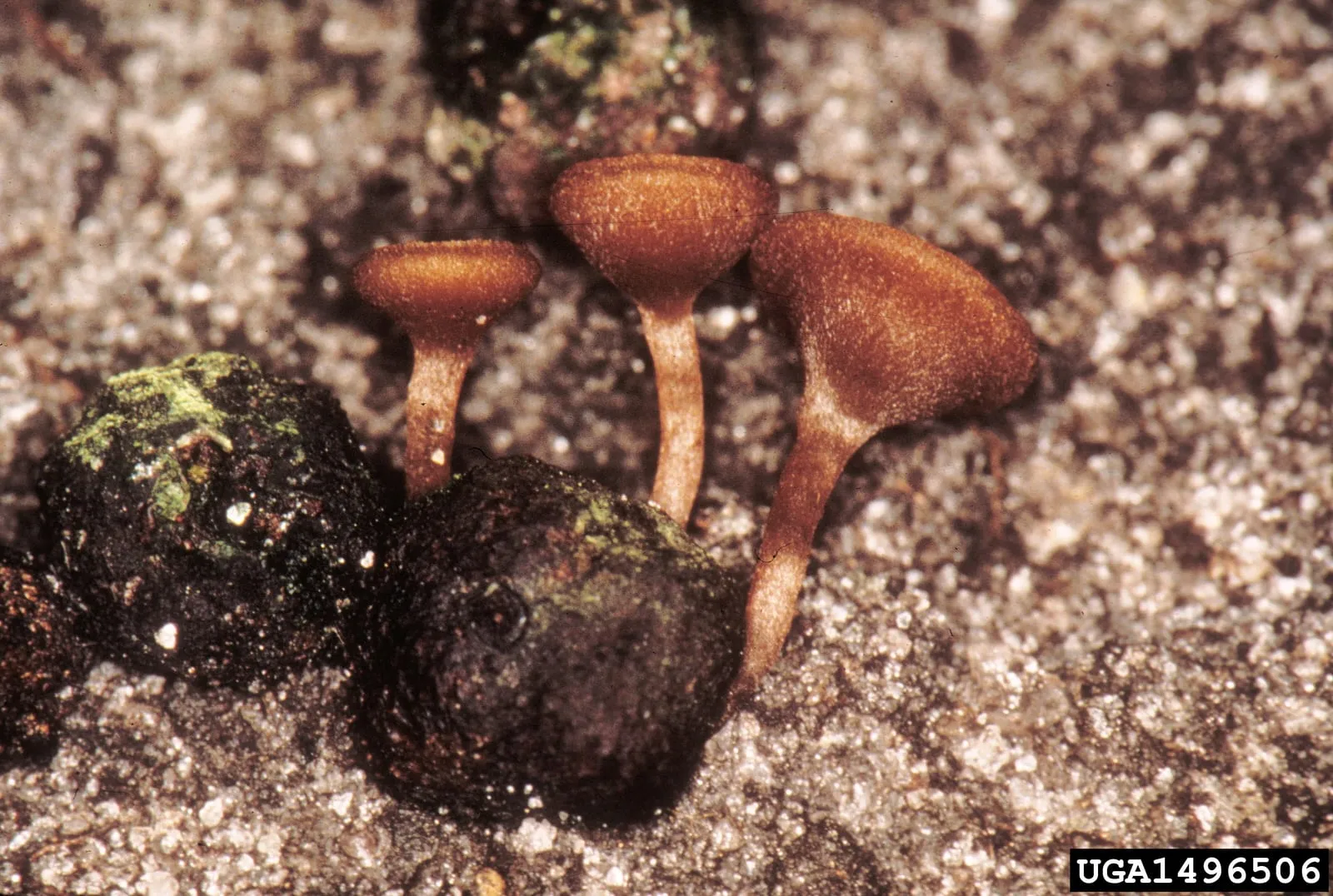
Monilinia vaccinii-corymbosi
The most damaging blueberry disease in the eastern US, killing shoots in spring and mummifying fruit later in the season.
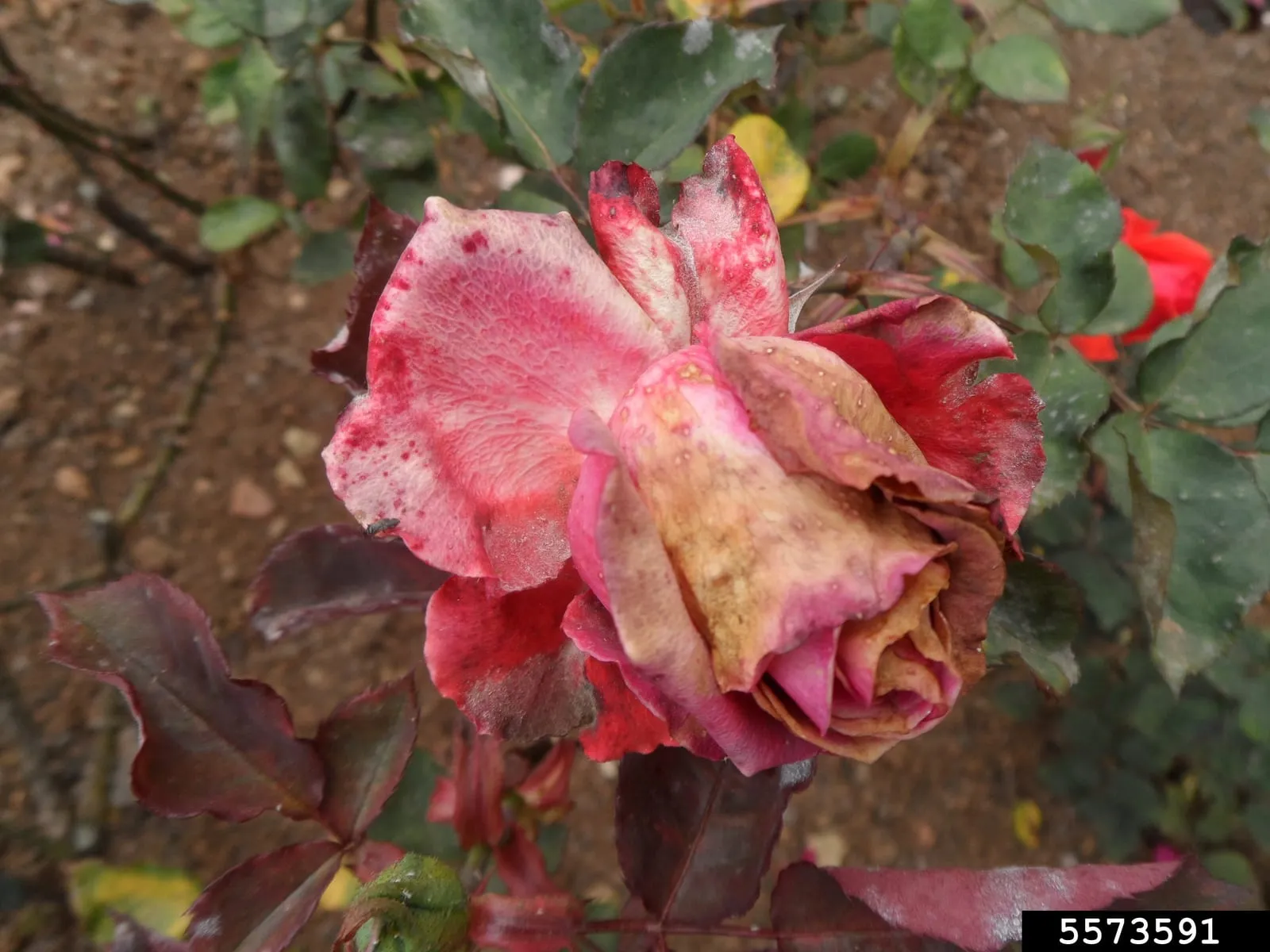
Botrytis cinerea
Ubiquitous fungal disease that causes fruit rot during cool wet weather, often the dominant berry disease in humid regions.
Modified care for zone 5a
Because lowbush blueberry is native to cold northeastern climates, zone 5a requires little modification from standard practice. The primary disease threats to watch are Mummy Berry and Gray Mold (Botrytis), both of which intensify in wet springs. Mummy Berry overwinters in soil as sclerotia and releases spores during bloom; removing leaf litter and applying a shallow layer of fresh mulch in early spring reduces inoculum pressure. Botrytis becomes problematic in dense plantings with poor air circulation. Thinning older stems periodically improves airflow. Snow cover, common in zone 5a, provides additional insulation for shallow roots during hard cold snaps. No supplemental winter mulching is typically needed for established plants, though newly set plants benefit from a light straw cover in their first winter.
Frequently asked questions
- Is zone 5a cold enough to damage lowbush blueberry plants?
Established lowbush blueberry plants are cold-hardy to around -30°F, well below zone 5a's minimum of -20 to -15°F. Cold injury is rarely a problem for adapted varieties. New plantings in their first winter benefit from a light straw mulch as root systems establish.
- Which lowbush blueberry varieties perform best in zone 5a?
Brunswick and Burgundy are reliable producers with strong cold-hardiness. Top Hat is widely grown for its compact form and consistent fruiting in zone 5a. Ruby Carpet spreads well as a ground cover and fruits dependably across most zone 5a sites.
- How serious is Mummy Berry disease in zone 5a?
Mummy Berry can cause significant crop loss in wet springs when spore release coincides with bloom. The pathogen overwinters in soil. Removing old leaf litter, applying fresh mulch in early spring before spore germination, and avoiding overhead irrigation during bloom are the most effective management steps.
+−
+−
+−
Lowbush Blueberry in adjacent zones
Image: "lowbush blueberry", by no rights reserved, via iNaturalist, licensed under CC0 Source.
Related