berry in zone 4b
Growing lowbush blueberry in zone 4b
Vaccinium angustifolium
- Zone
- 4b -25°F to -20°F
- Growing season
- 130 days
- Chill needed
- 1000 to 1200 below 45°F
- Suitable varieties
- 4
- Days to harvest
- 70 to 100
The verdict
Zone 4b sits comfortably within the native range of lowbush blueberry, making this one of the better-matched crop-zone pairings. Lowbush blueberry requires 1,000 to 1,200 chill hours annually, and zone 4b winters, with temperatures regularly reaching -25 to -20°F, deliver that accumulation reliably without any risk of shortfall. This is not a marginal zone for the crop; it is close to the center of the crop's cold tolerance.
The 130-day growing season is sufficient to carry the crop from late bloom to full harvest. Varieties like Brunswick and Ruby Carpet, both selected for northern climates, perform predictably here without needing the extended warm season that lower zones provide. The primary concern in zone 4b is not cold survival but rather the overlap between spring frost timing and the bloom window, which can determine crop load in any given year.
Recommended varieties for zone 4b
4 cultivars suited to this zone, with disease-resistance and zone-fit annotations.
| Variety | Notes | Zone fit | Disease resistance |
|---|---|---|---|
| Top Hat fits zone 4b | Sweet-tart, intensely flavored small berries with classic wild-blueberry punch; fresh, baking, jam. Compact 1-2 ft mound, also ornamental. Self-fertile. | | none noted |
| Ruby Carpet fits zone 4b | Tart-sweet, intense flavor, small dark blue berries; classic Maine wild-blueberry character. Spreading rhizomatous habit, brilliant red fall foliage. | | none noted |
| Burgundy fits zone 4b | Tart, complex, deep wild-blueberry flavor; small premium berries. Spreading groundcover habit, deep burgundy fall color. | | none noted |
| Brunswick fits zone 4b | Sweet-tart, intense flavor; selected from Maine wild stands. Compact spreading habit, productive and reliable in northern climates. | | none noted |
Critical timing for zone 4b
Lowbush blueberry typically breaks dormancy and begins blooming in late May in zone 4b, depending on elevation and microclimate. Zone 4b last frost dates frequently extend into late May as well, meaning bloom and frost can coincide during unfavorable springs. A late frost at full bloom can substantially reduce fruit set even though the plants themselves survive uninjured.
Harvest generally falls between late July and mid-August, well within the 130-day growing season. The interval from bloom to ripe fruit runs roughly 60 to 70 days, leaving a reasonable buffer before first fall frost arrives. In years with delayed bloom from a cold spring, harvest shifts accordingly but rarely runs into frost pressure at the back end.
Common challenges in zone 4b
- ▸ Spring frost timing
- ▸ Apple scab pressure
- ▸ Cane berry winter dieback
Disease pressure to watch for
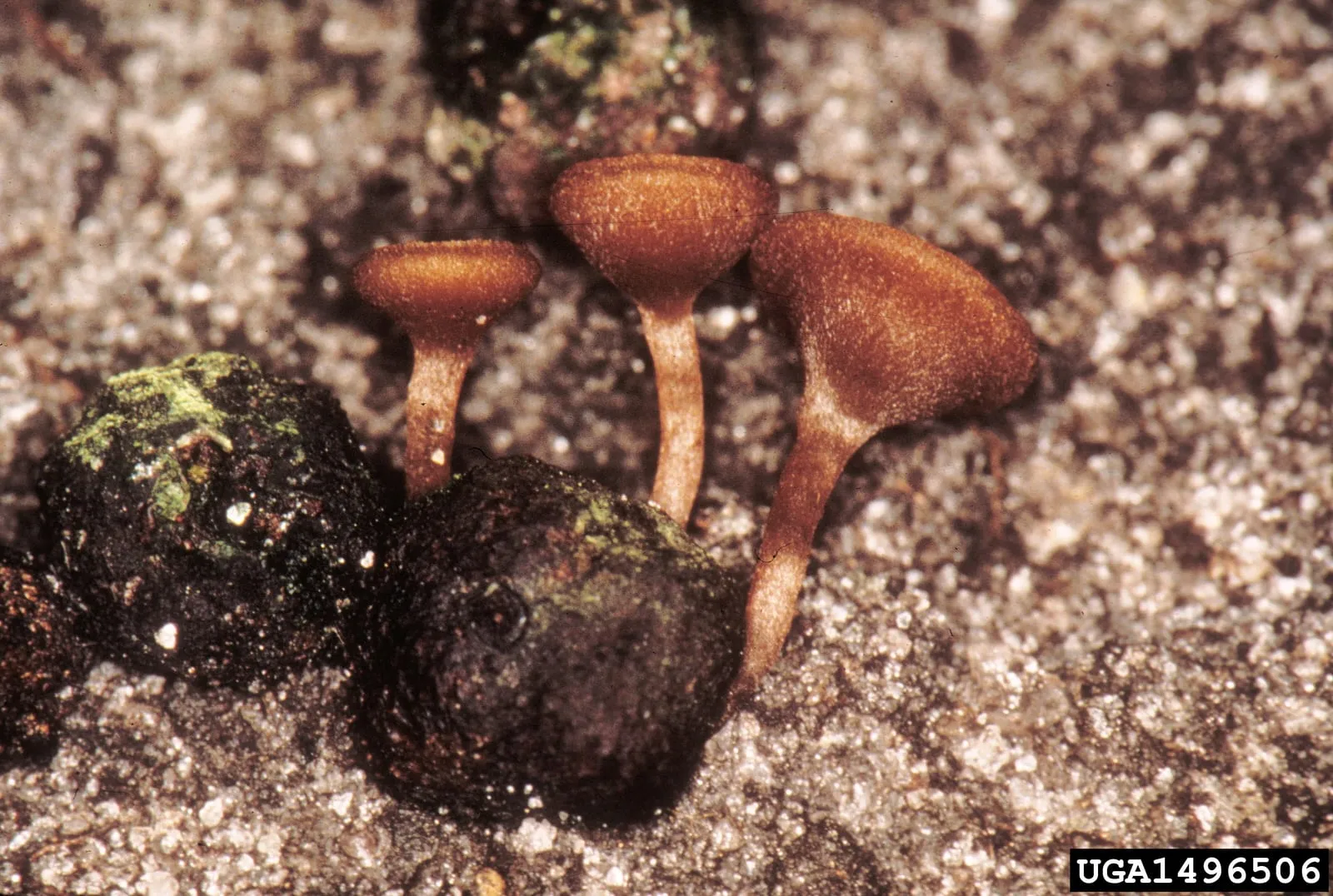
Monilinia vaccinii-corymbosi
The most damaging blueberry disease in the eastern US, killing shoots in spring and mummifying fruit later in the season.
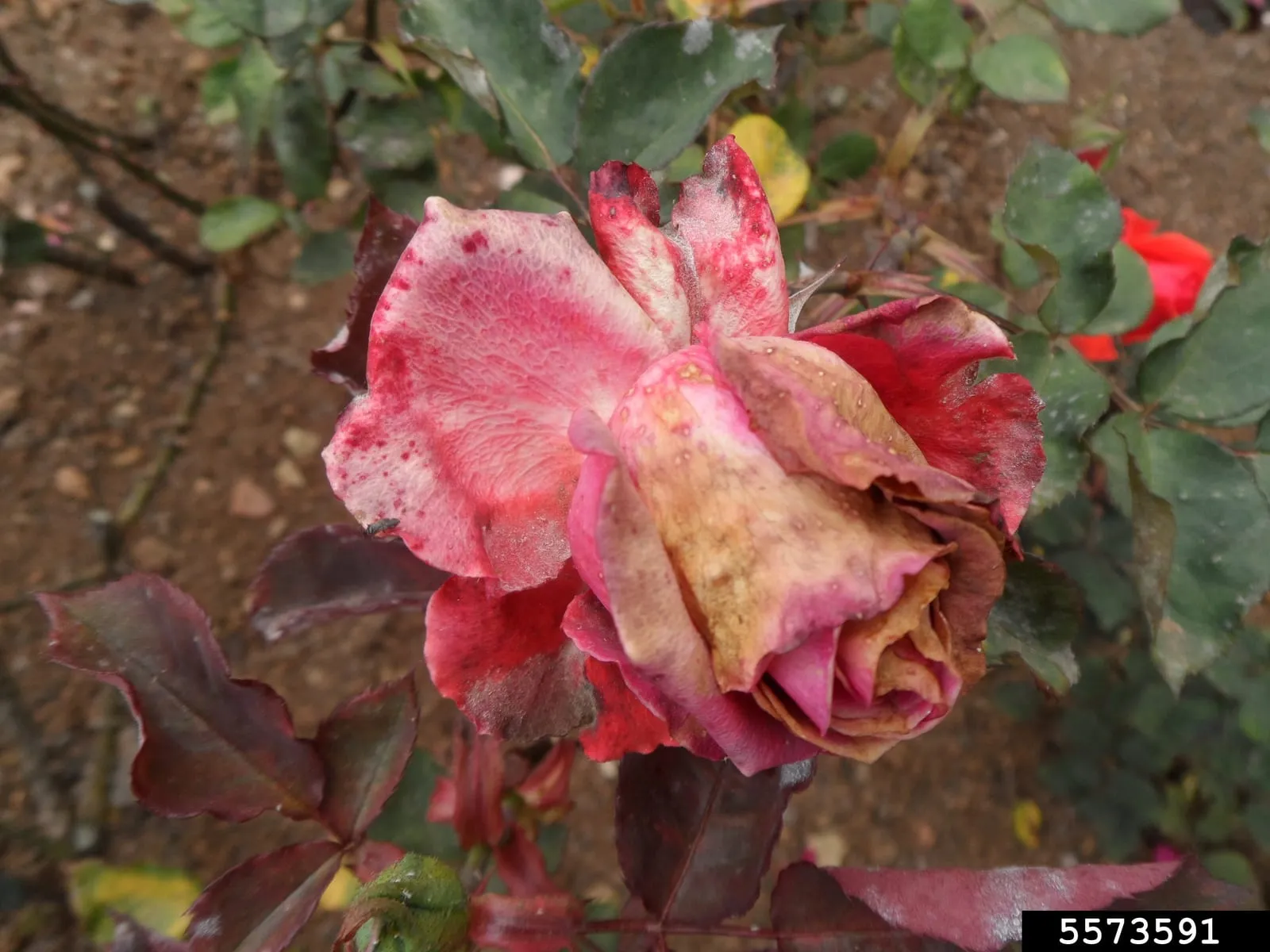
Botrytis cinerea
Ubiquitous fungal disease that causes fruit rot during cool wet weather, often the dominant berry disease in humid regions.
Modified care for zone 4b
Lowbush blueberry in zone 4b requires less winter protection than most other small fruits grown at this latitude. The plants evolved for precisely this climate, and consistent snow cover through winter functions as natural insulation for the low-growing stems. No mounding, wrapping, or microclimate siting adjustments are needed.
Spring frost mitigation deserves more attention. A light frost cloth applied during the bloom window (late May) provides meaningful insurance in years when late frosts threaten. Mummy Berry and Gray Mold (Botrytis) are the significant disease pressures to manage; both intensify when cool, wet conditions coincide with bloom, which is common in zone 4b springs. Pruning or mowing plantings to ground level every two to three years encourages vigorous new growth and reduces disease inoculum buildup. This periodic rejuvenation is standard lowbush management practice across its range and especially worthwhile where Botrytis pressure is consistent.
Lowbush Blueberry in adjacent zones
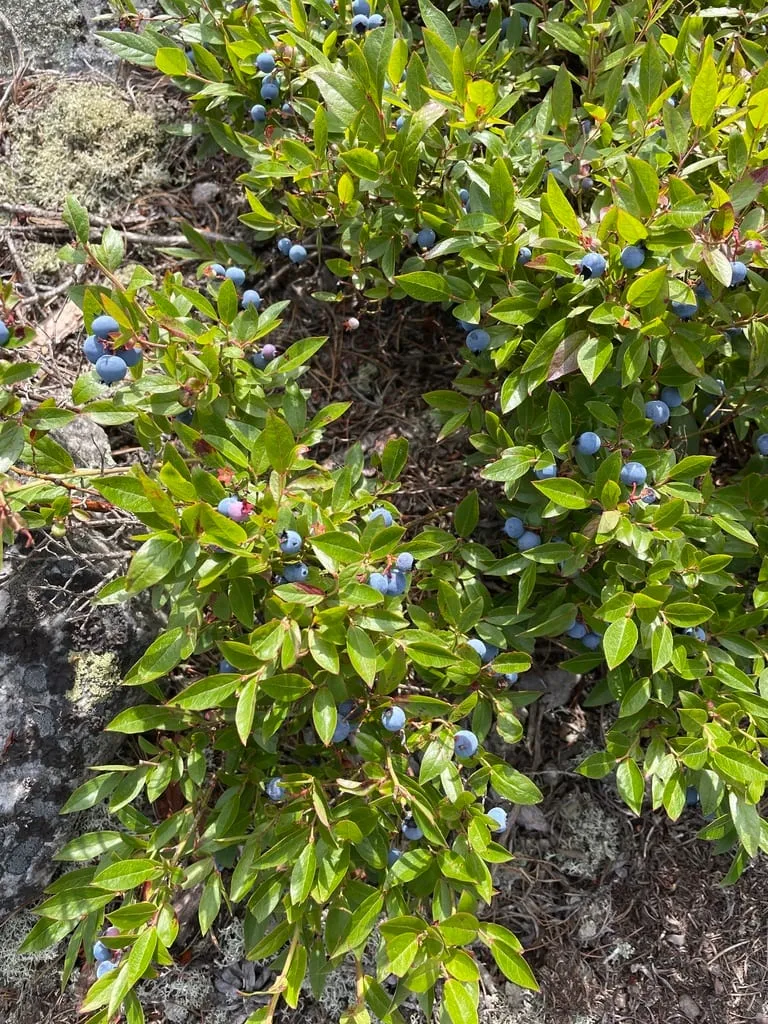
Image: "lowbush blueberry", by no rights reserved, via iNaturalist, licensed under CC0 Source.
Related