berry in zone 4a
Growing lowbush blueberry in zone 4a
Vaccinium angustifolium
- Zone
- 4a -30°F to -25°F
- Growing season
- 120 days
- Chill needed
- 1000 to 1200 below 45°F
- Suitable varieties
- 4
- Days to harvest
- 70 to 100
The verdict
Zone 4a (minimum temperatures -30 to -25°F) falls squarely within the native range of lowbush blueberry, a species that evolved in the cold boreal forests and barrens of northeastern North America. This is a sweet spot, not a marginal zone. The chill-hour requirement of 1,000 to 1,200 hours is reliably accumulated across zone 4a winters, with little risk of under-chilling even in milder years within the zone. A 120-day growing season is sufficient to carry fruit through to harvest, though it leaves limited buffer if a late frost sets back bloom.
Varieties such as Brunswick, Ruby Carpet, and Burgundy have been selected for performance in exactly this cold-climate context. The primary zone-related risk is spring frost damage to open flowers rather than any winter injury to the plants themselves, which tolerate zone 4a temperatures without supplemental protection.
Recommended varieties for zone 4a
4 cultivars suited to this zone, with disease-resistance and zone-fit annotations.
| Variety | Notes | Zone fit | Disease resistance |
|---|---|---|---|
| Top Hat fits zone 4a | Sweet-tart, intensely flavored small berries with classic wild-blueberry punch; fresh, baking, jam. Compact 1-2 ft mound, also ornamental. Self-fertile. | | none noted |
| Ruby Carpet fits zone 4a | Tart-sweet, intense flavor, small dark blue berries; classic Maine wild-blueberry character. Spreading rhizomatous habit, brilliant red fall foliage. | | none noted |
| Burgundy fits zone 4a | Tart, complex, deep wild-blueberry flavor; small premium berries. Spreading groundcover habit, deep burgundy fall color. | | none noted |
| Brunswick fits zone 4a | Sweet-tart, intense flavor; selected from Maine wild stands. Compact spreading habit, productive and reliable in northern climates. | | none noted |
Critical timing for zone 4a
Lowbush blueberry bloom in zone 4a typically falls in late May to early June, after the harshest frost events have usually passed but still within the window where occasional late frosts occur. Open flowers sustain damage at temperatures below 28°F, and zone 4a growers should expect at least some seasons where a late cold snap catches the earliest-opening flowers. Harvest follows in late July through mid-August, compressed into a 3 to 4 week window by the 120-day growing season. Planting more than one variety spreads the ripening window somewhat and reduces the pressure of harvesting everything within a narrow span.
Common challenges in zone 4a
- ▸ Late frosts damage early bloomers
- ▸ Limited peach varieties
Disease pressure to watch for
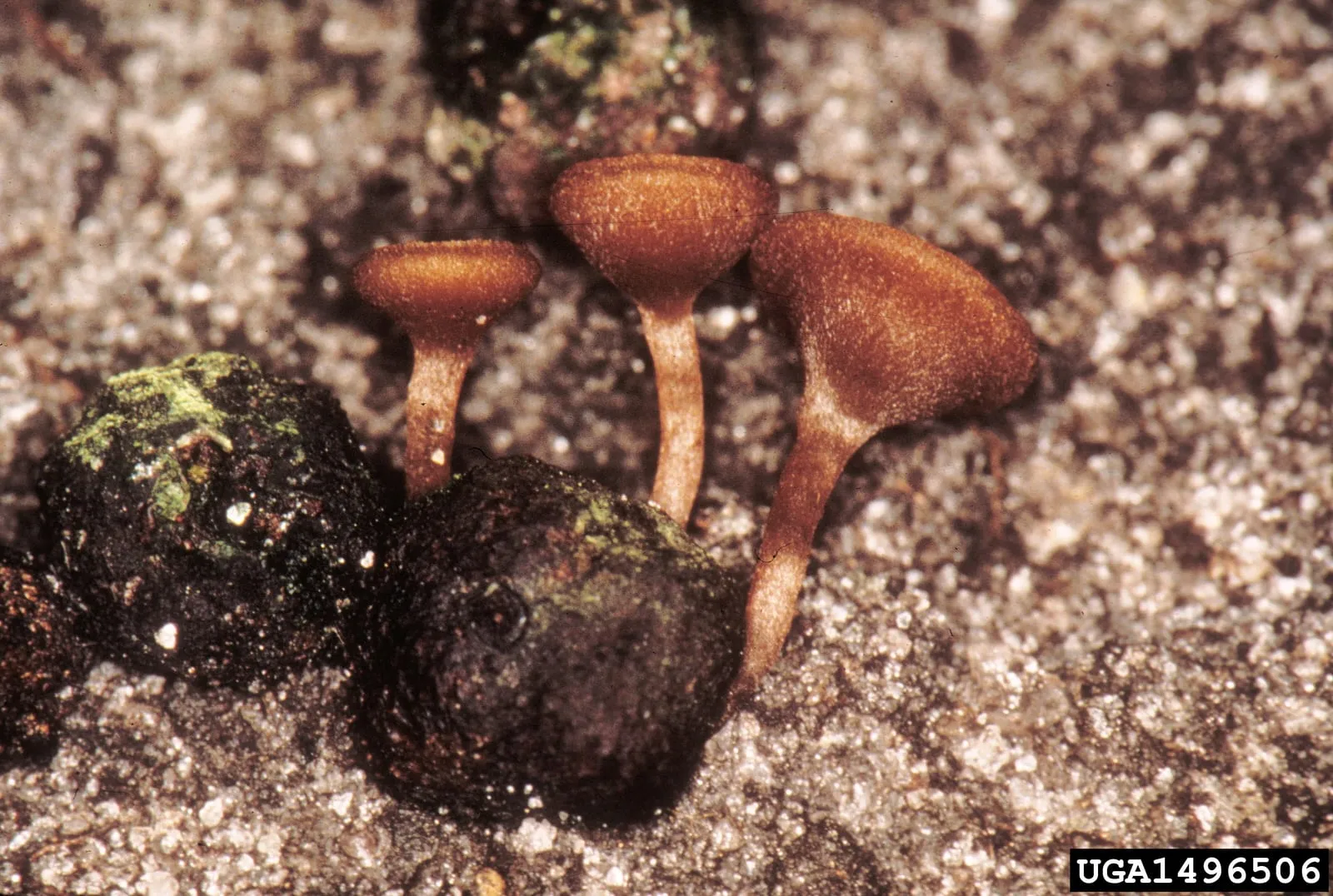
Monilinia vaccinii-corymbosi
The most damaging blueberry disease in the eastern US, killing shoots in spring and mummifying fruit later in the season.
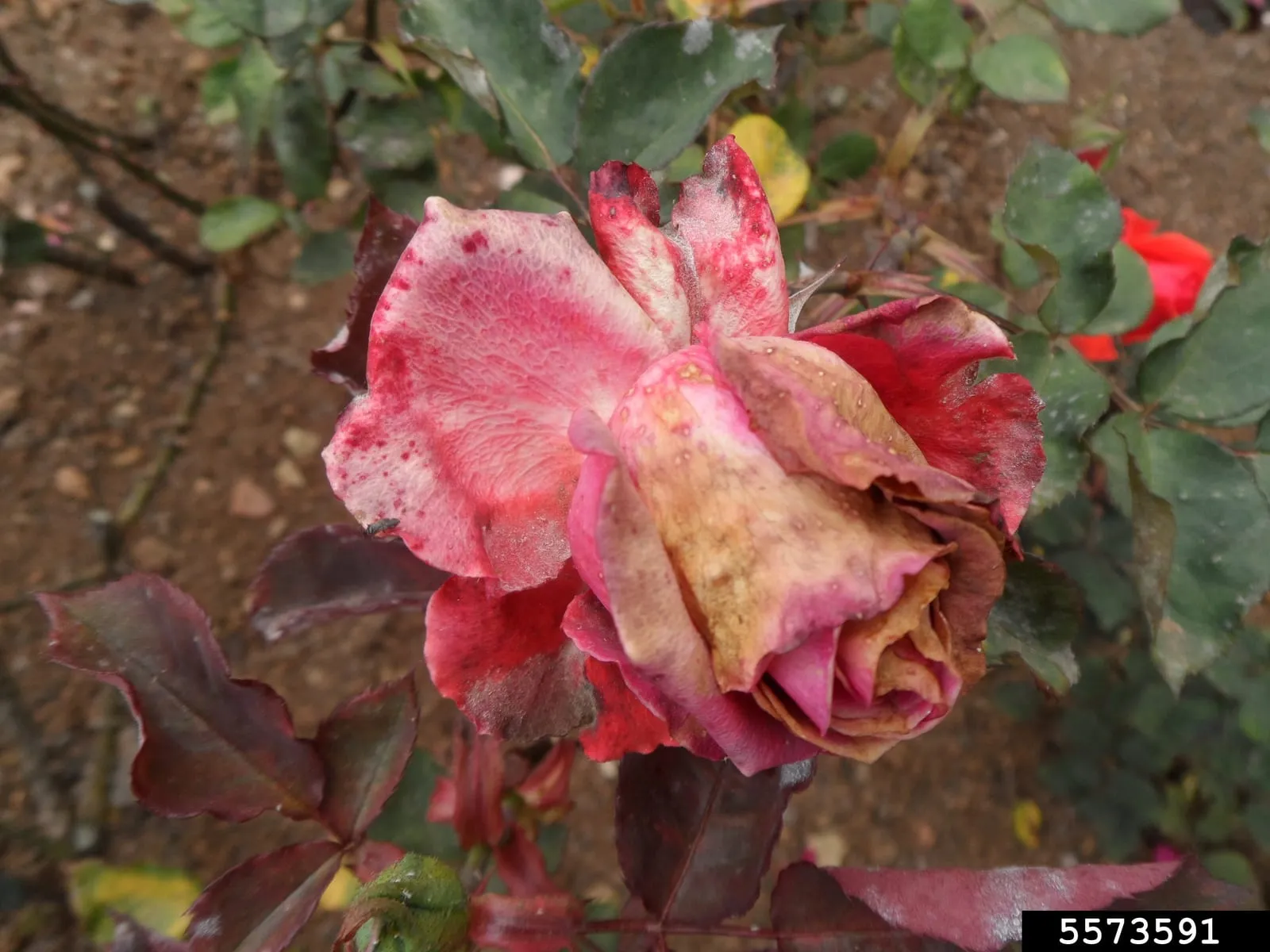
Botrytis cinerea
Ubiquitous fungal disease that causes fruit rot during cool wet weather, often the dominant berry disease in humid regions.
Modified care for zone 4a
Lowbush blueberry requires little adjustment for zone 4a winters; the plants handle the temperature range without special protection, and consistent snow cover actually insulates the low-growing stems. The main management differences from warmer parts of the crop's range involve late-frost timing and fungal disease pressure.
Mummy Berry (Monilinia vaccinii-corymbosi) is the primary disease concern. Spore release coincides with bloom, and the cool, wet springs common to zone 4a extend the infection window. Removing mummified fruit and leaf debris from the previous season before bud break is the most effective low-input control step. Gray Mold (Botrytis cinerea) follows the same pattern, favored by cool and humid spring conditions. Adequate spacing between plants to promote air circulation reduces incidence of both diseases. Pruned material and mummified berries should be disposed of away from the planting rather than left on-site.
Lowbush Blueberry in adjacent zones
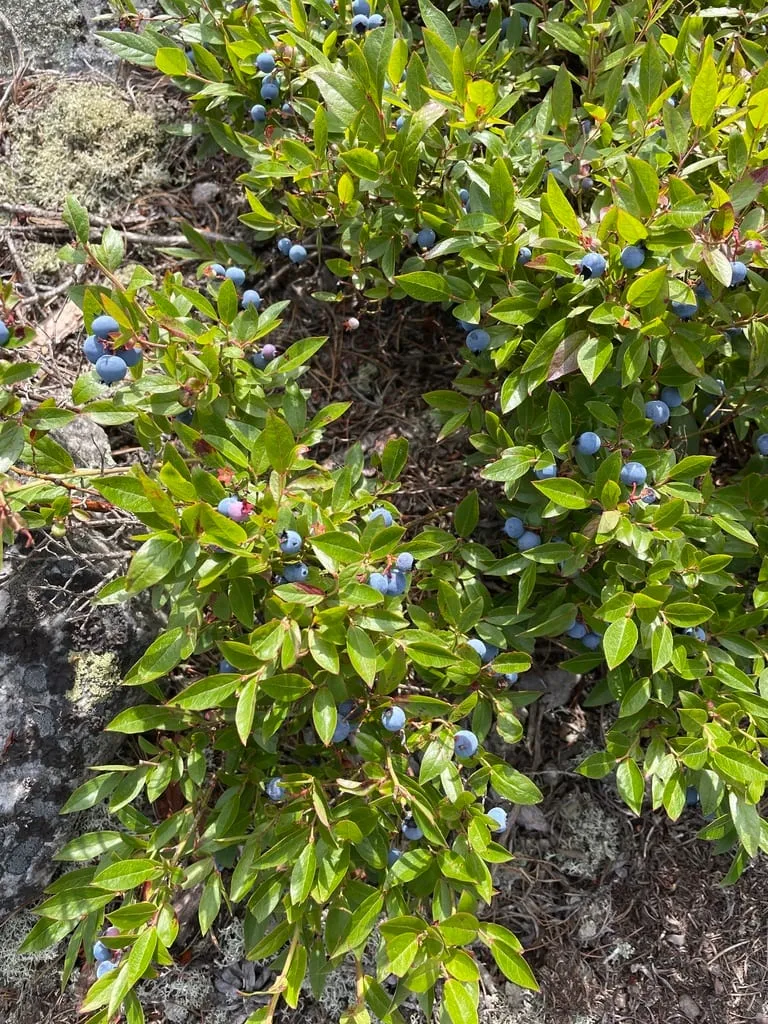
Image: "lowbush blueberry", by no rights reserved, via iNaturalist, licensed under CC0 Source.
Related