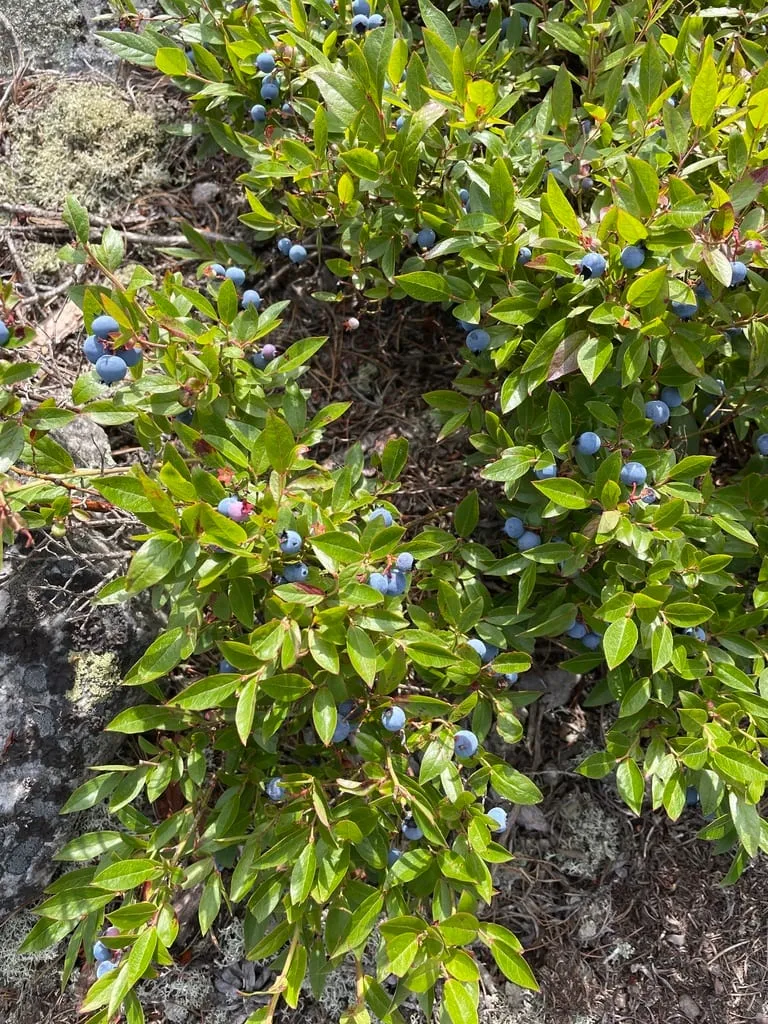
berry in zone 3b
Growing lowbush blueberry in zone 3b
Vaccinium angustifolium
- Zone
- 3b -35°F to -30°F
- Growing season
- 100 days
- Chill needed
- 1000 to 1200 below 45°F
- Suitable varieties
- 4
- Days to harvest
- 70 to 100
The verdict
Lowbush blueberry is genuinely well-matched to zone 3b, not a marginal case. With chill-hour requirements of 1000 to 1200 hours, this crop will see its full chilling requirement satisfied every winter in a zone where temperatures drop to -35 to -30°F. Unlike many fruit crops that struggle at these temperatures, lowbush blueberry is native to cold boreal and sub-boreal regions of northeastern North America, making zone 3b a natural home. The 100-day growing season is tight but workable: lowbush blueberry has a relatively short fruit development window, and productive harvests are common even in short-season climates. Varieties like Brunswick and Burgundy were selected in part for cold hardiness and early ripening, which matters when the window between last spring frost and first fall frost is narrow. Site selection matters as much as hardiness here: a south-facing slope with good air drainage will consistently outperform a frost pocket at the same latitude.
Recommended varieties for zone 3b
4 cultivars suited to this zone, with disease-resistance and zone-fit annotations.
| Variety | Notes | Zone fit | Disease resistance |
|---|---|---|---|
| Top Hat fits zone 3b | Sweet-tart, intensely flavored small berries with classic wild-blueberry punch; fresh, baking, jam. Compact 1-2 ft mound, also ornamental. Self-fertile. | | none noted |
| Ruby Carpet fits zone 3b | Tart-sweet, intense flavor, small dark blue berries; classic Maine wild-blueberry character. Spreading rhizomatous habit, brilliant red fall foliage. | | none noted |
| Burgundy fits zone 3b | Tart, complex, deep wild-blueberry flavor; small premium berries. Spreading groundcover habit, deep burgundy fall color. | | none noted |
| Brunswick fits zone 3b | Sweet-tart, intense flavor; selected from Maine wild stands. Compact spreading habit, productive and reliable in northern climates. | | none noted |
Critical timing for zone 3b
Bloom in zone 3b typically falls in late May to early June, after the last frost date has passed, though late frosts remain possible into May. Lowbush blueberry bloom is relatively frost-tolerant compared to highbush types, but an unexpected hard freeze at full bloom can still reduce fruit set meaningfully. Harvest follows roughly six to eight weeks after pollination, placing ripe fruit in late July to mid-August in most zone 3b locations. The 100-day growing season leaves adequate margin for fruit to mature before first fall frost in most years, though early-frost years can shorten the harvest window. Choosing a site with good sun exposure and cold-air drainage pulls bloom and ripening timing forward slightly, reducing exposure at both ends of the season.
Common challenges in zone 3b
- ▸ Short season
- ▸ Winter desiccation
- ▸ Site selection critical for fruit trees
Disease pressure to watch for
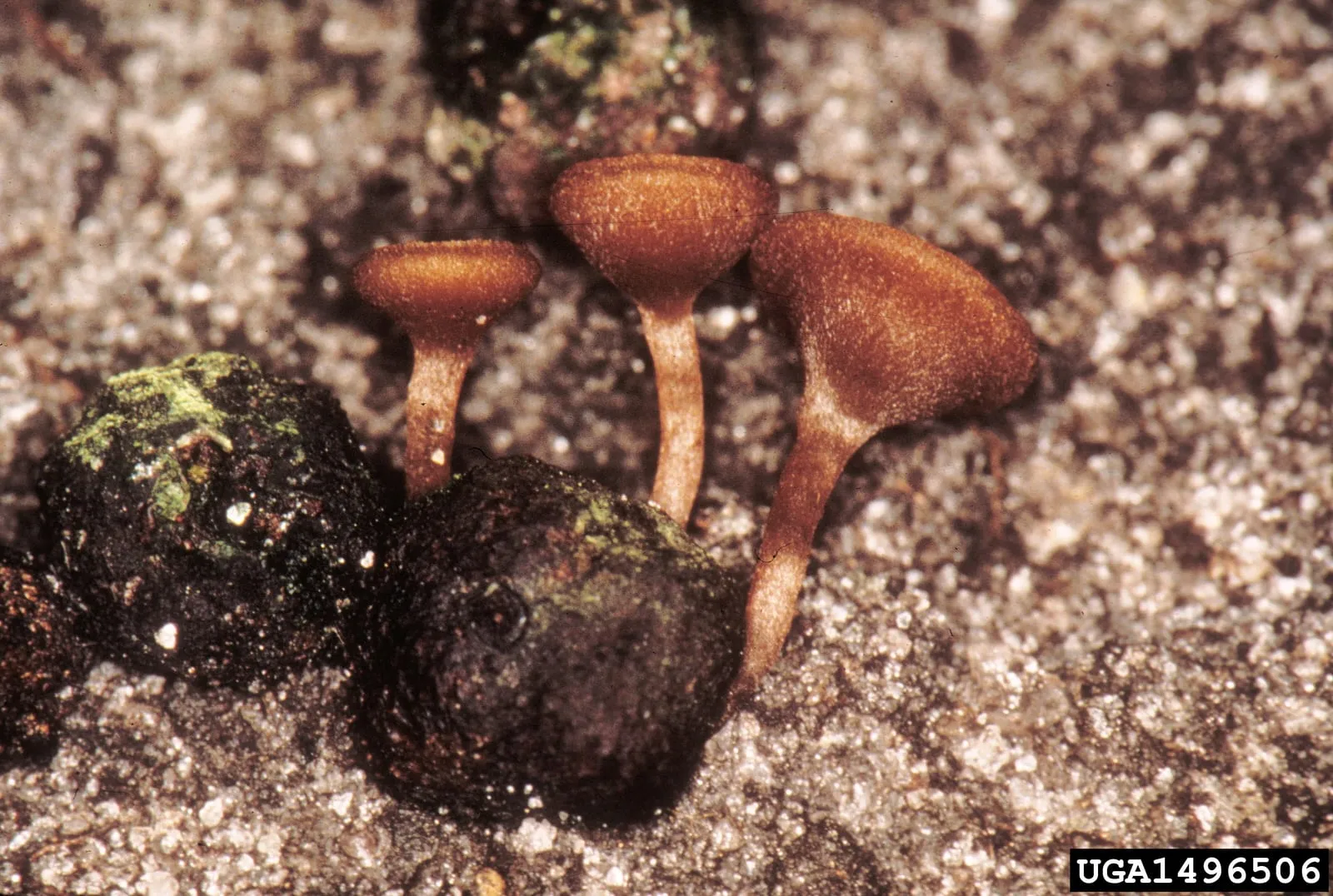
Monilinia vaccinii-corymbosi
The most damaging blueberry disease in the eastern US, killing shoots in spring and mummifying fruit later in the season.
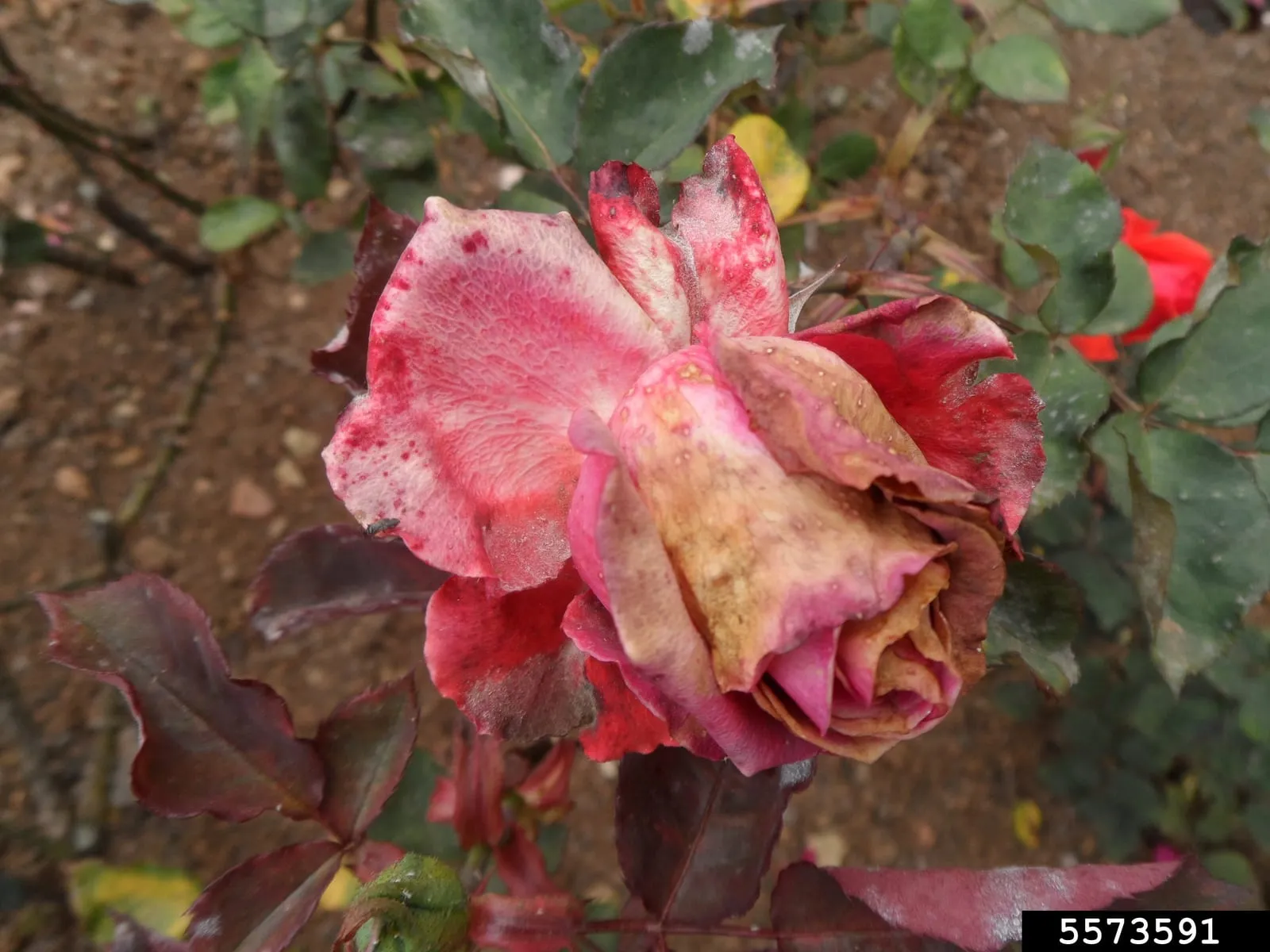
Botrytis cinerea
Ubiquitous fungal disease that causes fruit rot during cool wet weather, often the dominant berry disease in humid regions.
Modified care for zone 3b
Winter desiccation is the primary threat to lowbush blueberry in zone 3b, not direct cold injury to roots or crowns. The low, sprawling habit of lowbush types means plants are typically covered by snow through much of the winter, which provides substantial insulation. In years with little snow cover before hard freezes, exposed canes can desiccate and die back noticeably. Mulching with straw or pine needles in late fall protects surface roots and reduces moisture loss during those vulnerable periods. Disease pressure from Mummy Berry and Gray Mold (Botrytis) increases in cool, wet springs, which are common in zone 3b: both pathogens thrive when bloom coincides with extended wet periods. Raking or lightly cultivating around plants after harvest removes mummified fruit, the primary inoculum source for Mummy Berry. Maximizing air circulation through site selection and avoiding low-lying areas reduces Botrytis pressure without chemical intervention.
Lowbush Blueberry in adjacent zones
Image: "lowbush blueberry", by no rights reserved, via iNaturalist, licensed under CC0 Source.
Related