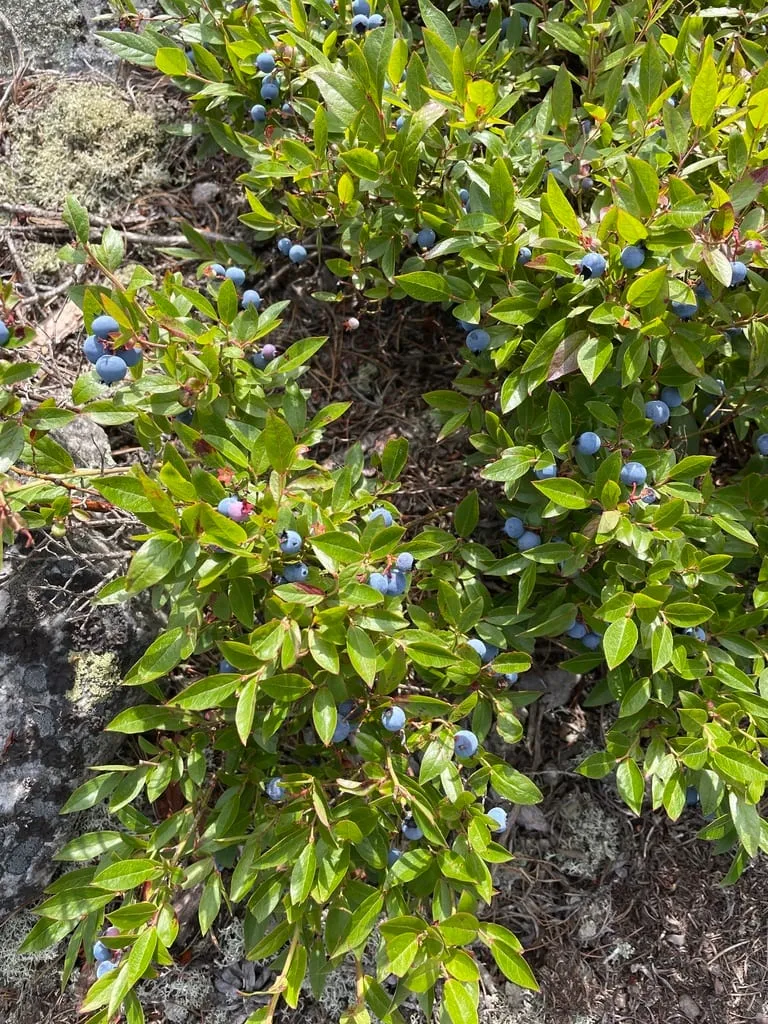
berry in zone 3a
Growing lowbush blueberry in zone 3a
Vaccinium angustifolium
- Zone
- 3a -40°F to -35°F
- Growing season
- 90 days
- Chill needed
- 1000 to 1200 below 45°F
- Suitable varieties
- 3
- Days to harvest
- 70 to 100
The verdict
Lowbush blueberry is a strong fit for zone 3a, not a marginal one. Native to the boreal forests and rocky barrens of the northeastern and north-central United States and Canada, this species evolved in climates with exactly the kind of brutal winters zone 3a delivers. The crop requires 1,000 to 1,200 chill hours annually; zone 3a consistently supplies that and more, typically accumulating well above 1,200 hours below 45°F between October and April.
The 90-day growing season is tight but workable. Lowbush blueberry is a low, spreading plant that leafs out, blooms, and ripens fruit faster than highbush types, and its compact root system handles freeze-thaw cycles that would damage less-adapted species. Varieties such as Brunswick and Ruby Carpet were selected specifically for cold-climate performance. Growers in zone 3a should expect reliable fruiting in most years, with late-frost events being the primary yield risk rather than any fundamental incompatibility between crop and climate.
Recommended varieties for zone 3a
3 cultivars suited to this zone, with disease-resistance and zone-fit annotations.
| Variety | Notes | Zone fit | Disease resistance |
|---|---|---|---|
| Top Hat fits zone 3a | Sweet-tart, intensely flavored small berries with classic wild-blueberry punch; fresh, baking, jam. Compact 1-2 ft mound, also ornamental. Self-fertile. | | none noted |
| Ruby Carpet fits zone 3a | Tart-sweet, intense flavor, small dark blue berries; classic Maine wild-blueberry character. Spreading rhizomatous habit, brilliant red fall foliage. | | none noted |
| Brunswick fits zone 3a | Sweet-tart, intense flavor; selected from Maine wild stands. Compact spreading habit, productive and reliable in northern climates. | | none noted |
Critical timing for zone 3a
In zone 3a, lowbush blueberry typically breaks dormancy in late April to mid-May, with bloom following shortly after leaf emergence, generally in late May to early June depending on local elevation and aspect. The 90-day growing season places harvest in mid-July through mid-August for most sites.
The critical intersection is between bloom timing and late spring frosts. Zone 3a frost-free dates average around late May to early June, meaning open flowers can coincide with sub-freezing nights. A hard frost below 28°F during full bloom will kill a significant portion of the crop. South-facing slopes and sites with good air drainage see bloom shift earlier and face greater frost exposure; low-lying frost pockets may actually protect late-developing buds by delaying growth until the worst frost risk has passed.
Common challenges in zone 3a
- ▸ Very short growing season
- ▸ Late spring frosts
- ▸ Limited fruit-tree options
- ▸ Heavy mulching required
Disease pressure to watch for
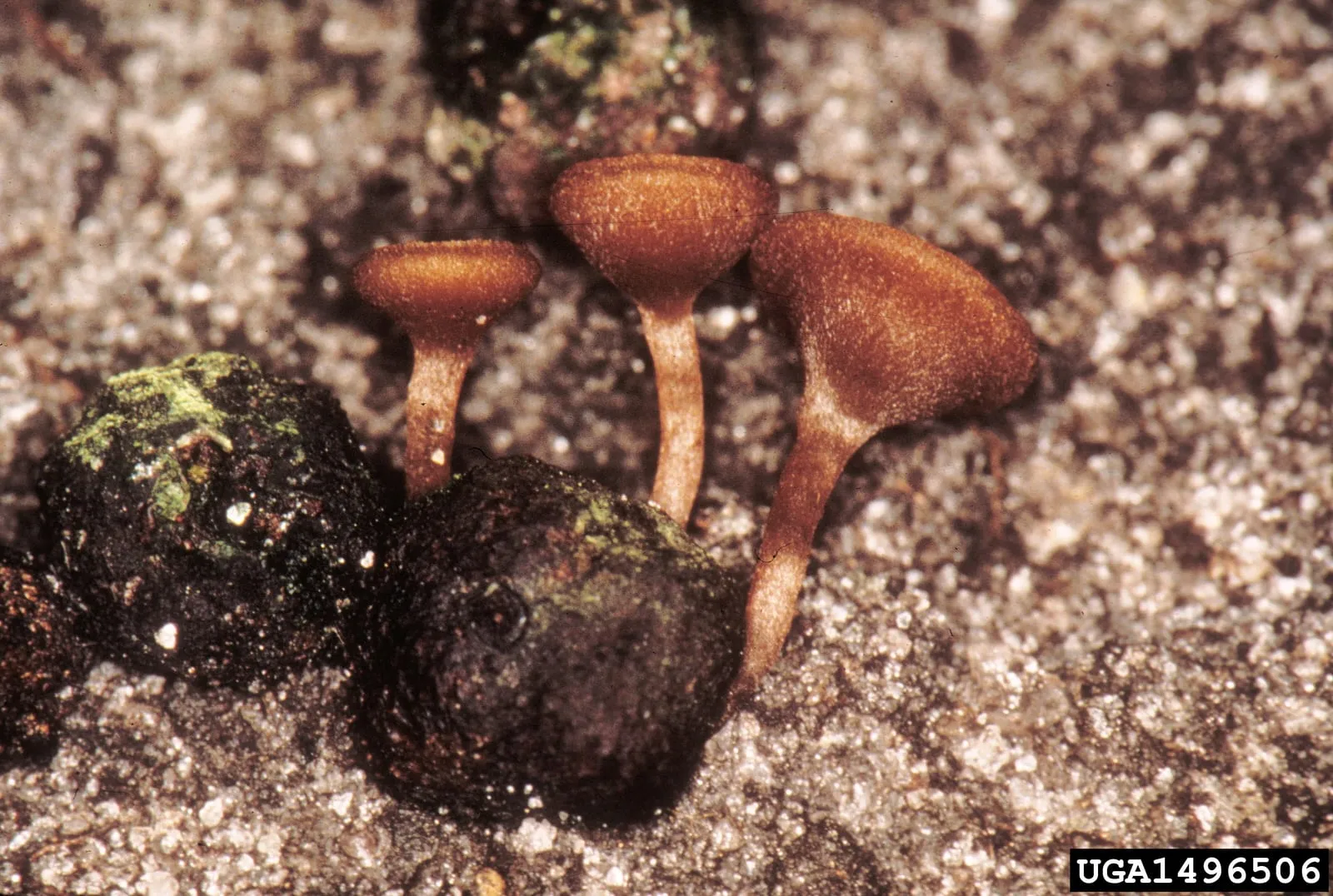
Monilinia vaccinii-corymbosi
The most damaging blueberry disease in the eastern US, killing shoots in spring and mummifying fruit later in the season.
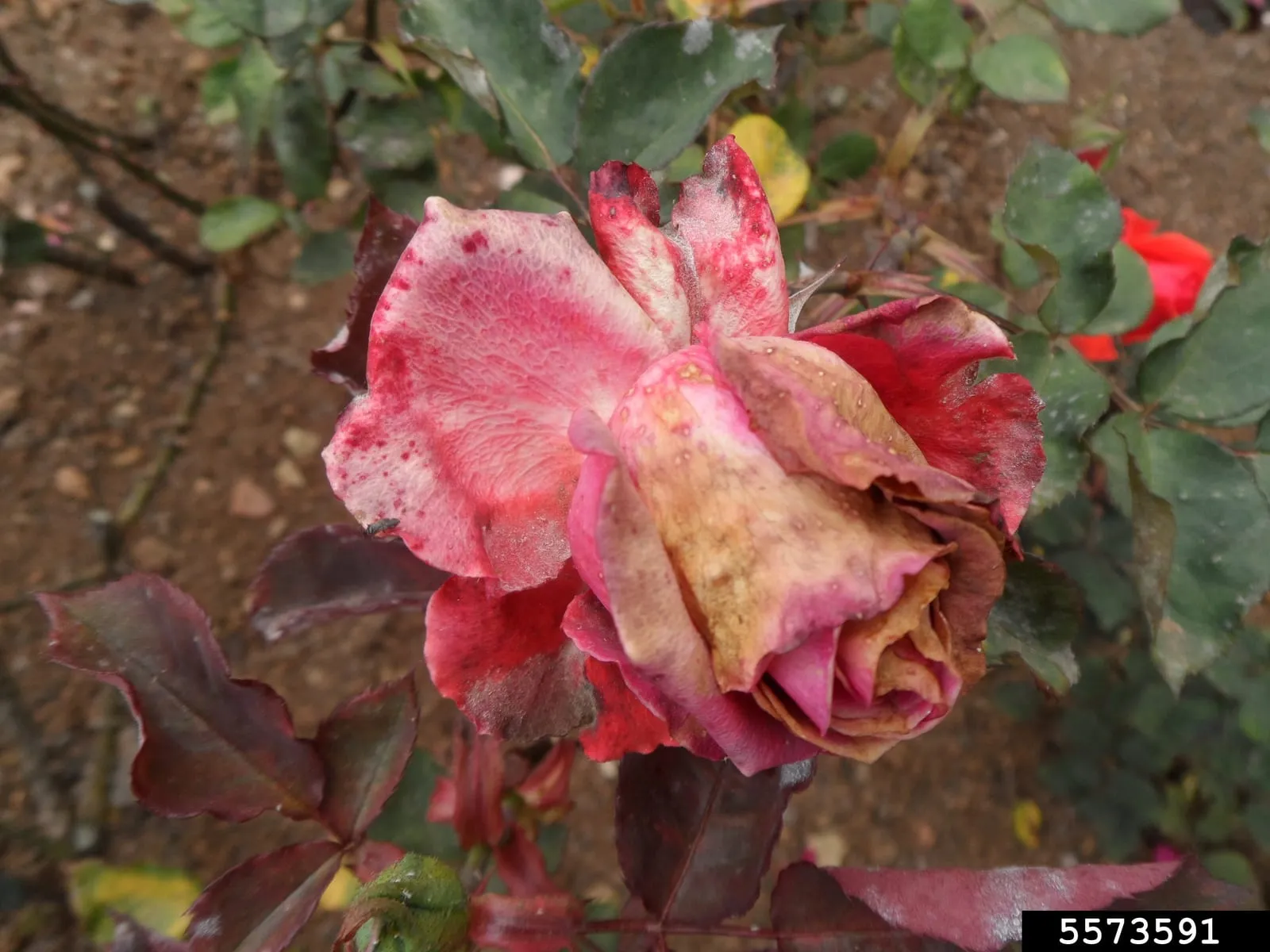
Botrytis cinerea
Ubiquitous fungal disease that causes fruit rot during cool wet weather, often the dominant berry disease in humid regions.
Modified care for zone 3a
The primary adaptation in zone 3a is protecting the root system and low-growing crowns through extended freezes. A 3 to 4 inch layer of acidic mulch, pine bark or wood chips, applied before the ground freezes helps moderate soil temperature swings and prevents frost heaving of young plants.
Mummy Berry (caused by the fungus Monilinia vacciniicorymbosii) and Gray Mold (Botrytis cinerea) are the two diseases most worth monitoring. Both thrive during cool, wet springs, which zone 3a produces reliably. Raking out or removing plant debris before new growth emerges reduces the overwintering inoculum load for Mummy Berry. Good air circulation around the sprawling stems helps limit Gray Mold, especially in years when bloom and early fruit set coincide with sustained wet weather. Because the growing season is short, any disease event that interrupts pollination or causes early fruit drop has an outsized effect on total yield.
Frequently asked questions
- Is zone 3a too cold for lowbush blueberry?
No. Lowbush blueberry is one of the few fruit crops that is genuinely at home in zone 3a. It is native to regions with similar or colder winters and requires the high chill-hour accumulation that zone 3a provides reliably every year.
- Which lowbush blueberry varieties perform best in zone 3a?
Brunswick, Ruby Carpet, and Top Hat are the most commonly recommended varieties for zone 3a. Brunswick and Ruby Carpet are known for cold hardiness and spread well as ground cover; Top Hat is more compact and suited to containers or raised beds where soil pH can be tightly controlled.
- What is the main threat to a lowbush blueberry crop in zone 3a?
Late spring frost during bloom is the single biggest yield risk. A frost event below 28°F while flowers are open can eliminate most of the crop for that season. Site selection favoring good cold-air drainage significantly reduces this risk.
- Does lowbush blueberry need a pollination partner in zone 3a?
Lowbush blueberry produces larger yields with cross-pollination between two or more genetically distinct plants. Planting at least two different varieties within a few feet of each other, or allowing a mixed-clone patch to establish, improves fruit set noticeably compared to a single-clone planting.
+−
+−
+−
+−
Lowbush Blueberry in adjacent zones
Image: "lowbush blueberry", by no rights reserved, via iNaturalist, licensed under CC0 Source.
Related