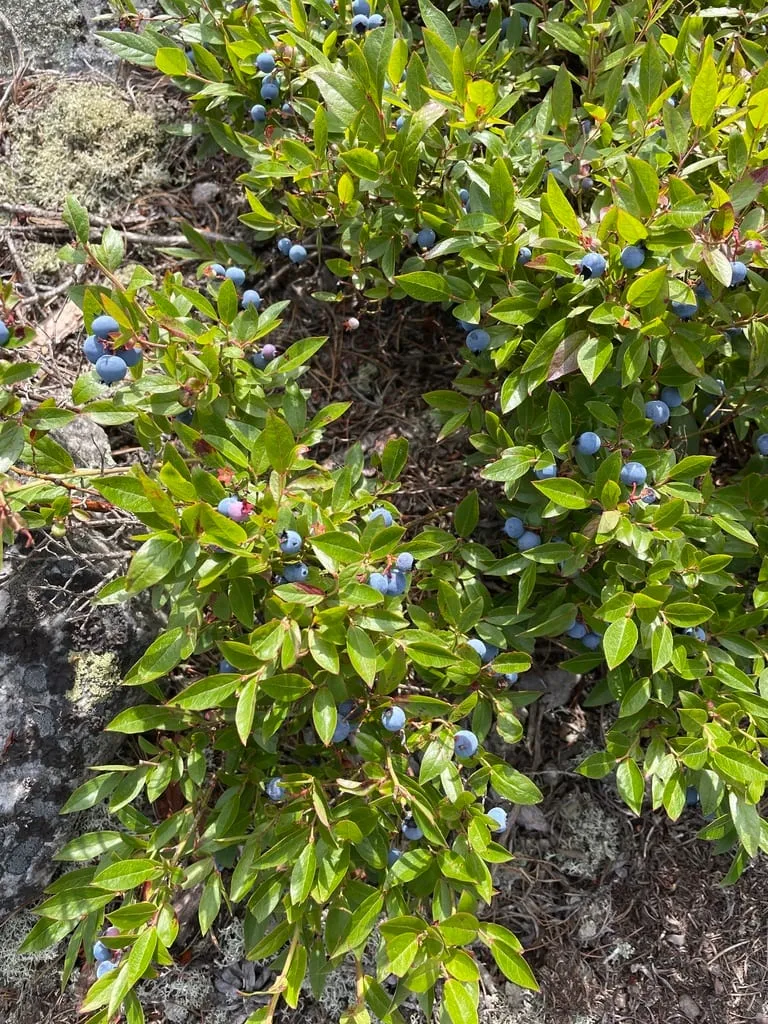
berry in zone 6b
Growing lowbush blueberry in zone 6b
Vaccinium angustifolium
- Zone
- 6b -5°F to 0°F
- Growing season
- 190 days
- Chill needed
- 1000 to 1200 below 45°F
- Suitable varieties
- 0
- Days to harvest
- 70 to 100
The verdict
Zone 6b sits at the warm fringe of lowbush blueberry's preferred range. The crop is native to cold northern regions and typically performs best in zones 3 through 5, where winters reliably deliver the 1,000 to 1,200 chill hours (below 45°F) it needs to break dormancy and set fruit. Zone 6b can accumulate enough chill hours in most years, but the margin is thinner than in colder zones, and mild winters can push totals toward the low end of the requirement. The -5 to 0°F minimum temperatures are not a problem for lowbush blueberry, which handles hard freezes well. The real concern is the opposite: if warming trends or an El Niño winter deliver fewer than 900 chill hours, fruit set will be sparse. This is not a zone to avoid, but growers in the warmer, more sheltered microclimates of 6b should monitor chill accumulation and select planting sites that stay consistently cold through winter rather than sites that warm quickly in late January.
Critical timing for zone 6b
In zone 6b, lowbush blueberry typically blooms in late April to early May, which overlaps with the region's average last frost window. That proximity creates real frost damage risk: a late frost after buds have broken can kill flowers and eliminate the season's fruit set. The 190-day growing season is more than sufficient once bloom clears safely. Harvest generally falls in July, though timing shifts by 7 to 10 days depending on sun exposure and whether the spring was cool or warm. The first fall frost, usually arriving in mid-October in zone 6b, comes well after fruit has been picked, so fall timing is not a concern.
Common challenges in zone 6b
- ▸ Cedar-apple rust
- ▸ Fire blight
- ▸ Stink bugs
Disease pressure to watch for
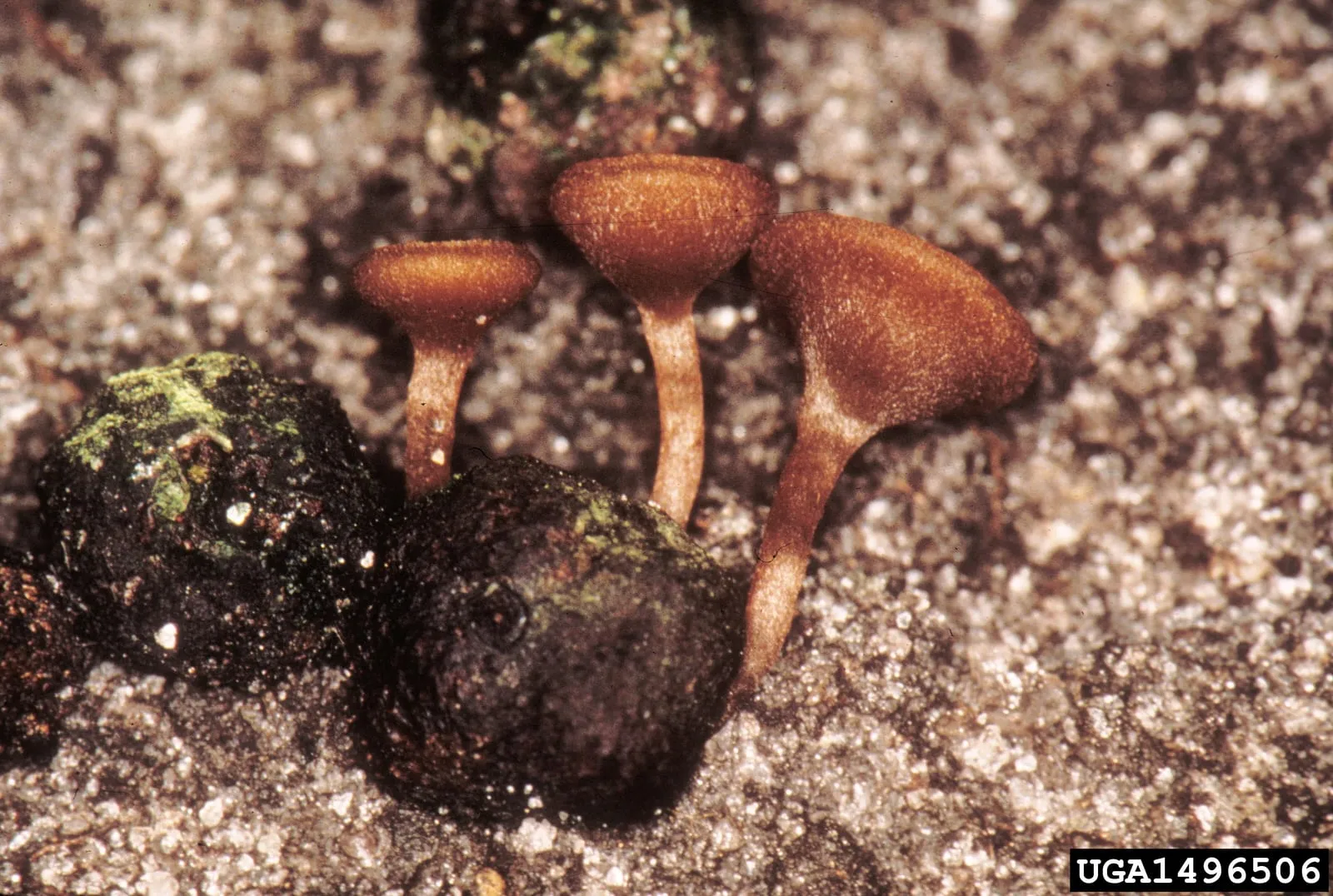
Monilinia vaccinii-corymbosi
The most damaging blueberry disease in the eastern US, killing shoots in spring and mummifying fruit later in the season.
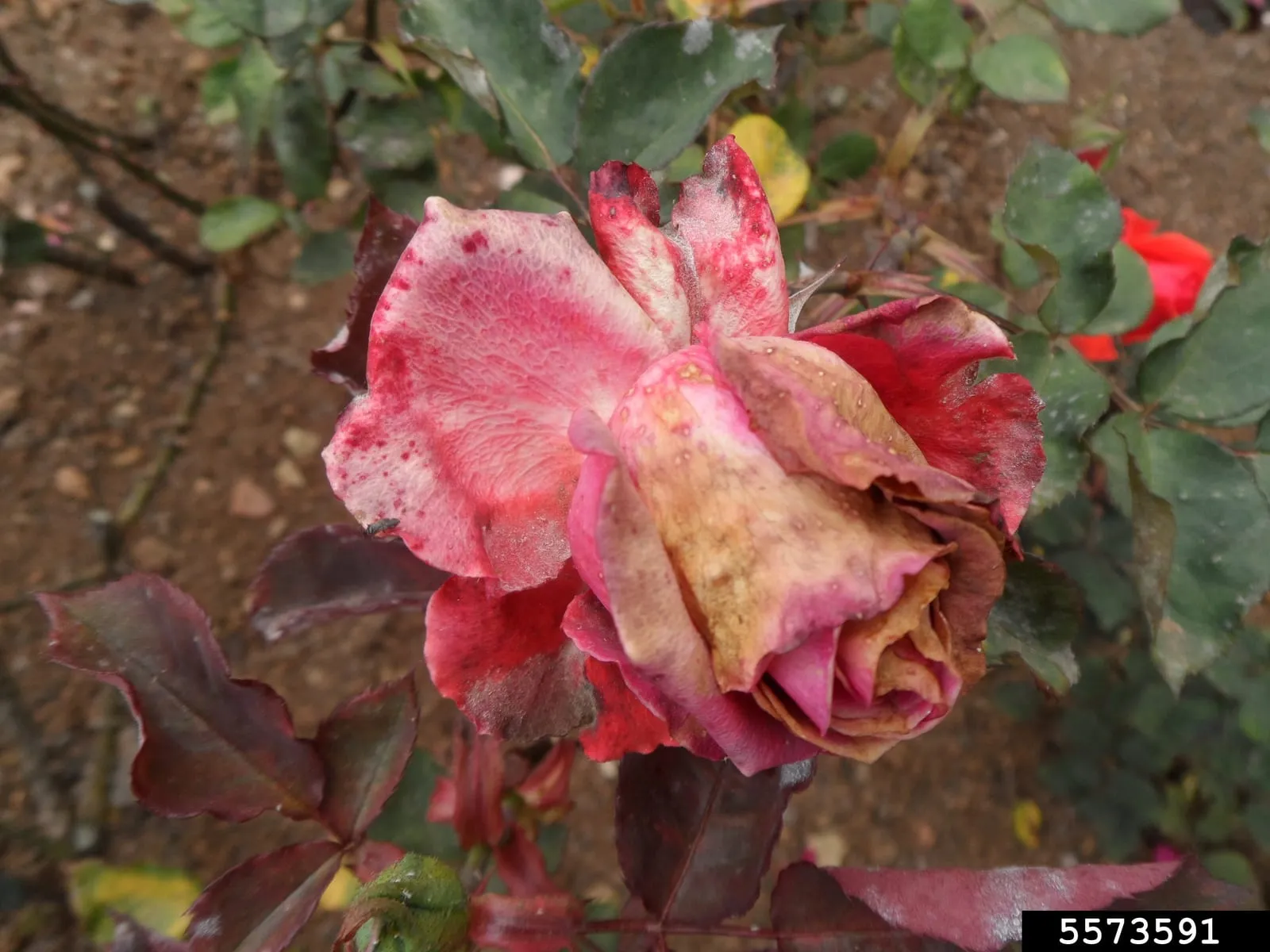
Botrytis cinerea
Ubiquitous fungal disease that causes fruit rot during cool wet weather, often the dominant berry disease in humid regions.
Modified care for zone 6b
Two diseases warrant consistent attention in zone 6b: Mummy Berry and Gray Mold. Mummy Berry, caused by Monilinia vaccinii-corymbosi, overwinters in infected fruit on the ground and releases spores during bloom. Raking and removing debris before bloom, combined with a fungicide application at early bud break when local conditions call for it, reduces infection pressure. Gray Mold thrives in the humid, mild springs typical of zone 6b's mid-Atlantic and lower New England locations. Good air circulation, avoiding overhead irrigation during bloom, and removing dead or water-soaked tissue all help. Because lowbush blueberry spreads by rhizomes and forms dense mats, airflow through the planting is lower than in highbush systems, which raises Botrytis risk. Maintaining soil pH between 4.5 and 5.0 is critical everywhere blueberries grow, but in zone 6b soils often trend toward neutral, so regular pH monitoring and amendment with sulfur is more important than in naturally acidic northern soils.
Lowbush Blueberry in adjacent zones
Image: "lowbush blueberry", by no rights reserved, via iNaturalist, licensed under CC0 Source.
Related