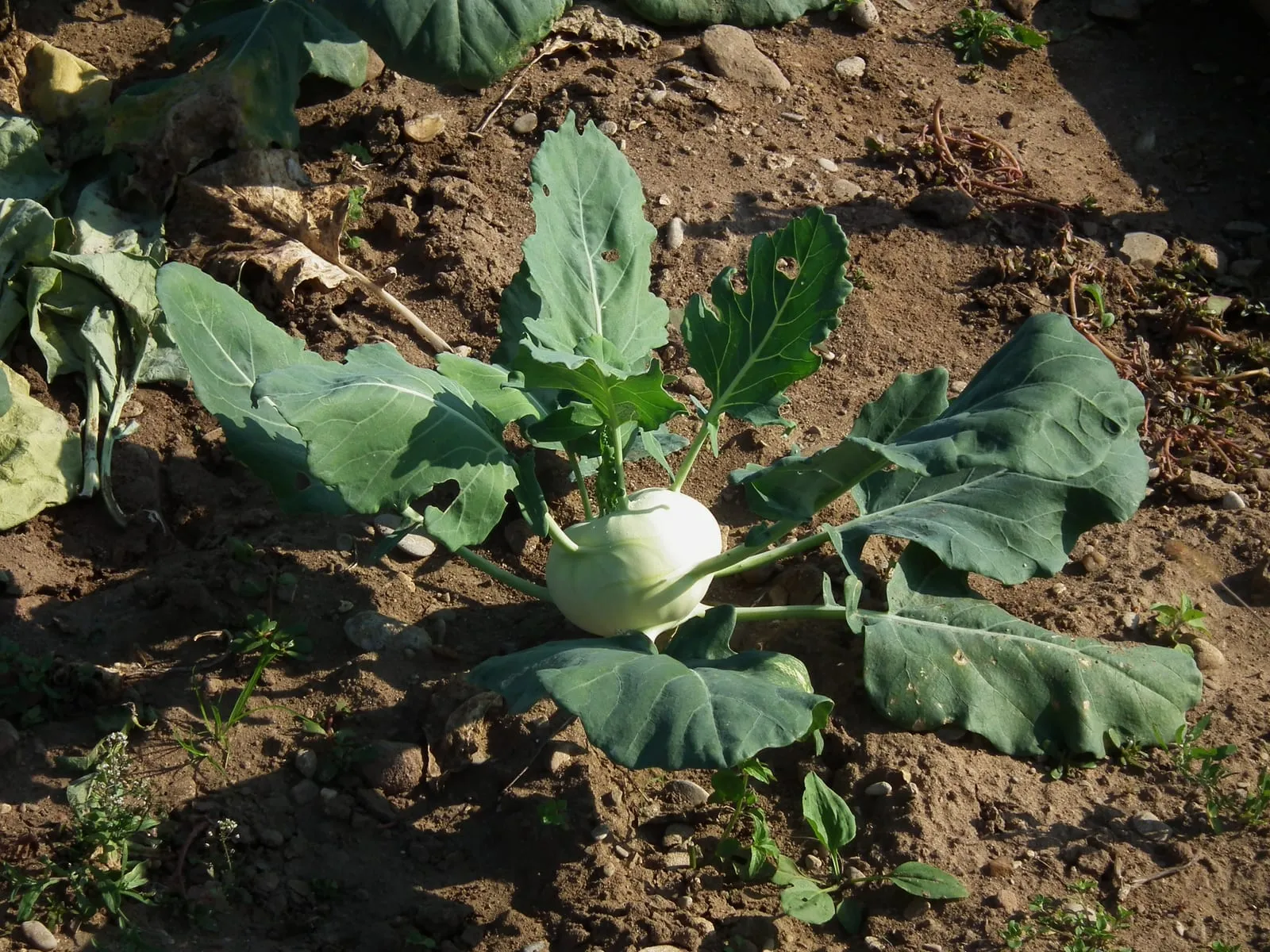
vegetable
Kohlrabi
Brassica oleracea var. gongylodes
USDA hardiness range
- Zones
- 3b–8a
- Days to harvest
- 50 to 65
- Sun
- Full
- Water
- Moderate
- Lifespan
- annual
Growing kohlrabi
Kohlrabi (Brassica oleracea var. gongylodes) is a cool-season annual grown for its swollen stem base rather than its leaves or roots. It performs well across a wide band from zones 3b through 8a, with the core limitation being heat: once daytime temperatures push consistently above 75°F, the stem turns fibrous and growth stalls. In zone 8a, this means spring plantings need a head start, and fall crops carry most of the season's value.
At 50 to 65 days to harvest, kohlrabi is one of the faster brassicas in the garden. That speed is also a trap. The window between a tender, crisp globe and a woody, pithy one is narrow, often only a week or two. Growers who plant and then ignore timing routinely lose usable yield to overgrown stems.
Kohlrabi asks for little unusual from its site: full sun, consistent moisture, and soil that doesn't waterlog. Where it rewards attention is in succession planting. A single sowing often matures all at once. Two or three plantings spaced two to three weeks apart spreads harvest over most of the cool season and gives better continuity than one large planting.
In zones 3b through 5, it's a summer and fall crop, seeded after last frost. In zones 6 through 8a, spring and fall plantings both work, with fall generally producing better quality due to the slower cool-down reducing the rush to harvest. Cornell Cole Crops Production documents the effect of heat on quality in detail.
Recommended varieties
See all 3 →3 cultivars for home growers, with notes on flavor, ripening, and disease resistance.
| Variety | Notes | Zone fit | Disease resistance |
|---|---|---|---|
| Early White Vienna | Sweet, crisp, mildly cabbage-flavored; pale green-white globe stem. Fresh sliced raw, slaw, roasting, soups. Tender when picked young (2-3 inch globes). | | none noted |
| Purple Vienna | Sweet, crisp, mild brassica notes; deep purple skin with white flesh. Fresh, slaw, roasting. Ornamental and productive heritage variety. | | none noted |
| Kossak | Sweet, juicy, surprisingly tender for its size; large storage kohlrabi (8-10 inch). Roasting, soup, storage. Holds quality unlike most large-bulb varieties which woody up. | | none noted |
Soil and site requirements
Kohlrabi performs best in well-drained loam or sandy loam with a pH between 6.0 and 7.0. Slightly alkaline conditions in that range also help discourage clubroot, a soilborne disease favored by acidic conditions (pH below 6.0). If soil pH is unknown, testing before planting is worth doing, particularly in beds that have grown brassicas recently.
Good drainage is more critical than soil texture. Kohlrabi tolerates moderate clay if it doesn't sit wet, but persistently saturated soil encourages root rots and clubroot establishment. Raised beds or slight crown mounding help in heavier soils.
Full sun means at least six hours of direct light. In zones 7 and 8, afternoon shade during hot stretches can extend the spring season slightly, but shade also reduces yield and increases disease susceptibility. Priority should be full sun placement.
Spacing affects stem size and airflow. Rows 12 to 18 inches apart with plants thinned to 5 to 6 inches within the row produces stems in the most useful fresh-use size range (2 to 4 inches). Crowding produces smaller stems that mature unevenly; oversized spacing allows stems to grow beyond the ideal harvest window before the bed is full.
Microclimate matters mostly at zone extremes. In zone 3b, south-facing beds or walls that hold heat extend the usable season. In zone 8a, avoiding reflected heat from masonry or pavement helps delay bolting.
Common diseases
Common pests
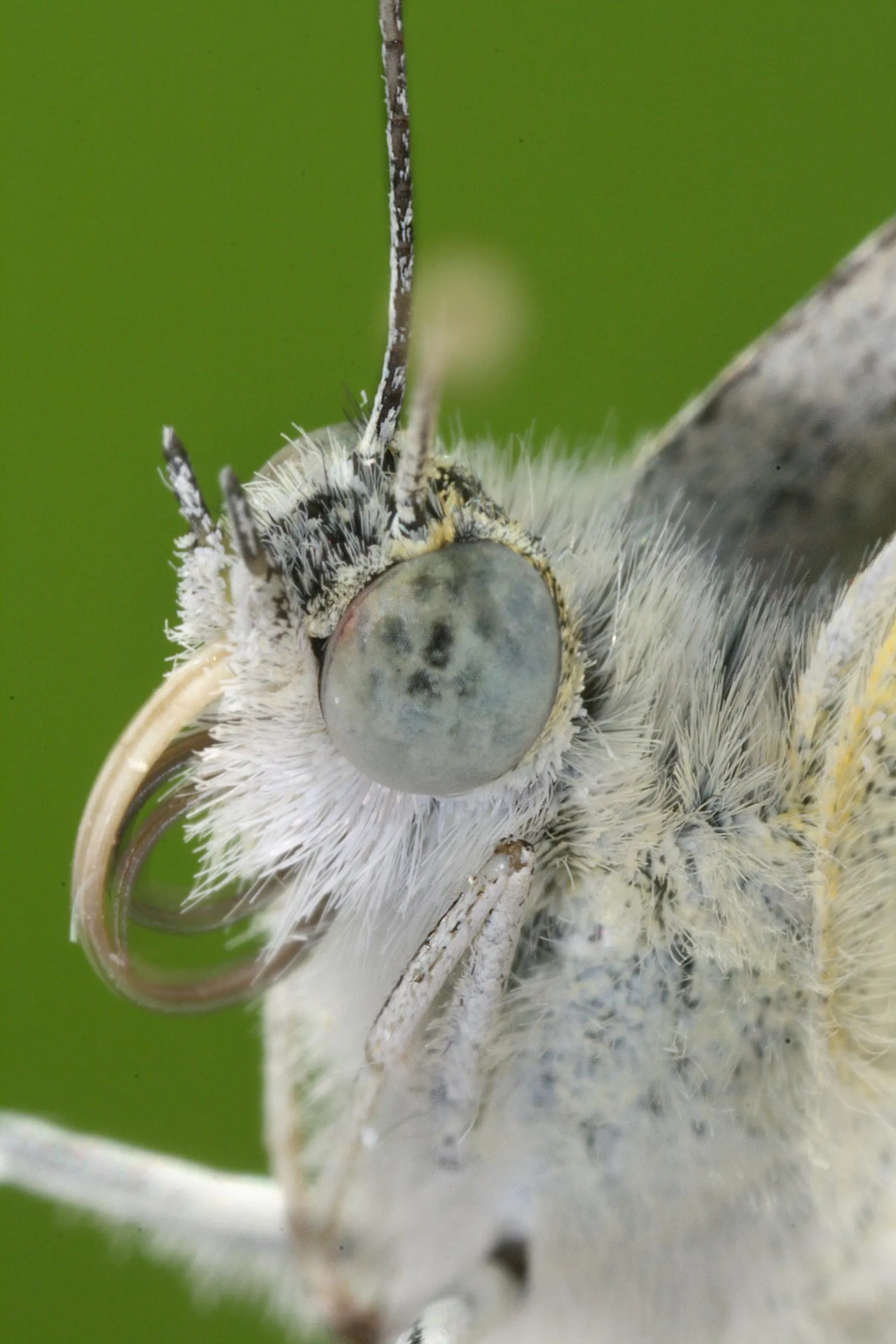
Pieris rapae
Velvety green caterpillars that chew large irregular holes in brassica leaves and bore into heads. Adults are the small white butterflies seen fluttering through the garden.
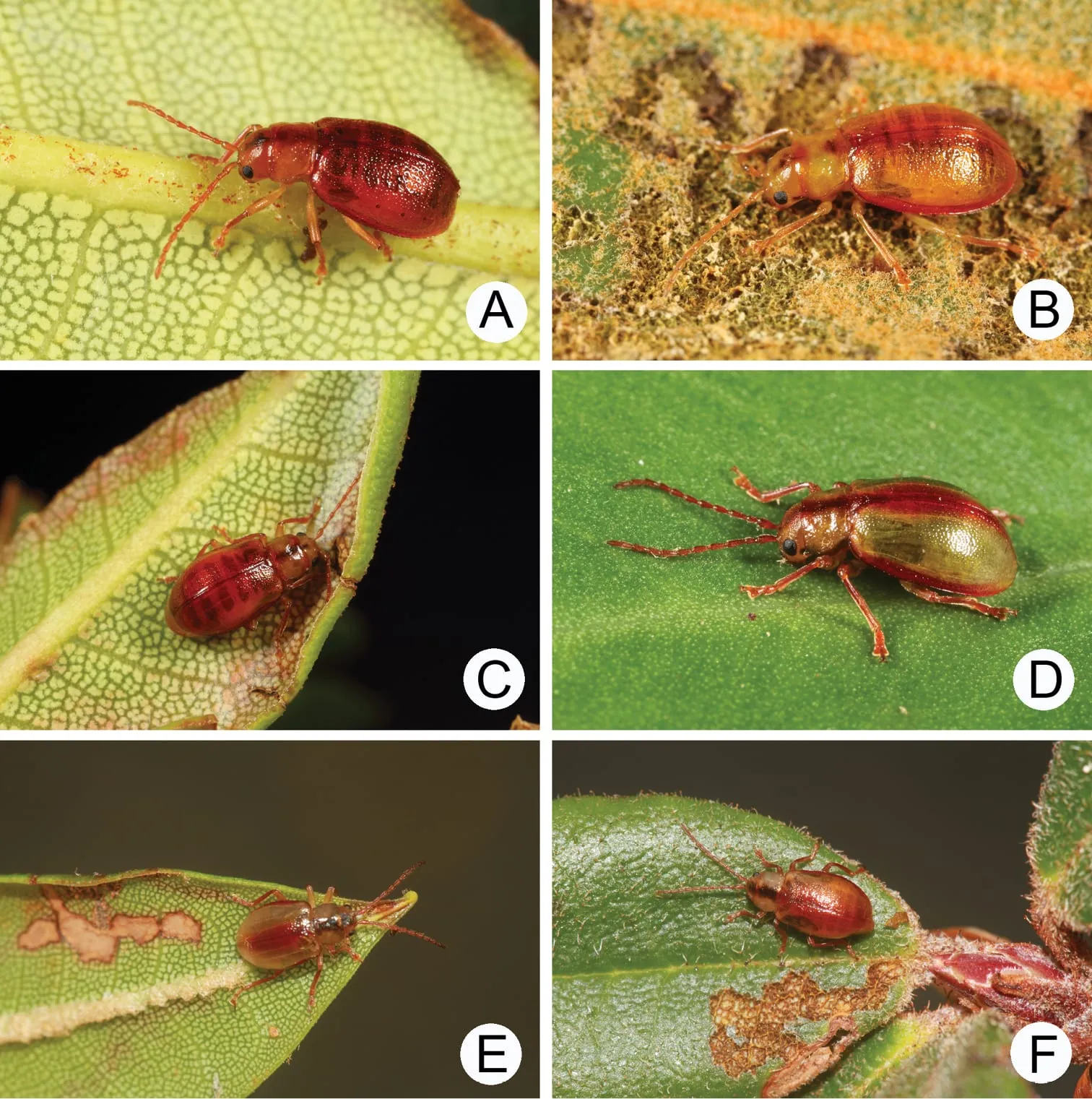
Multiple species (Chrysomelidae)
Tiny black or bronze jumping beetles that put hundreds of small holes in seedling leaves. Most damaging on direct-seeded brassicas and young eggplant.
Common challenges
Harvesting too late is the most common reason home plantings produce poor results. Kohlrabi stems should be harvested at 2 to 3 inches in diameter for early varieties like Early White Vienna and Purple Vienna. Left beyond that size, the cell structure becomes fibrous regardless of how the plant otherwise looks. Kossak is the exception: it's specifically bred for large-bulb storage and holds quality at 8 to 10 inches. That tolerance doesn't extend to other varieties.
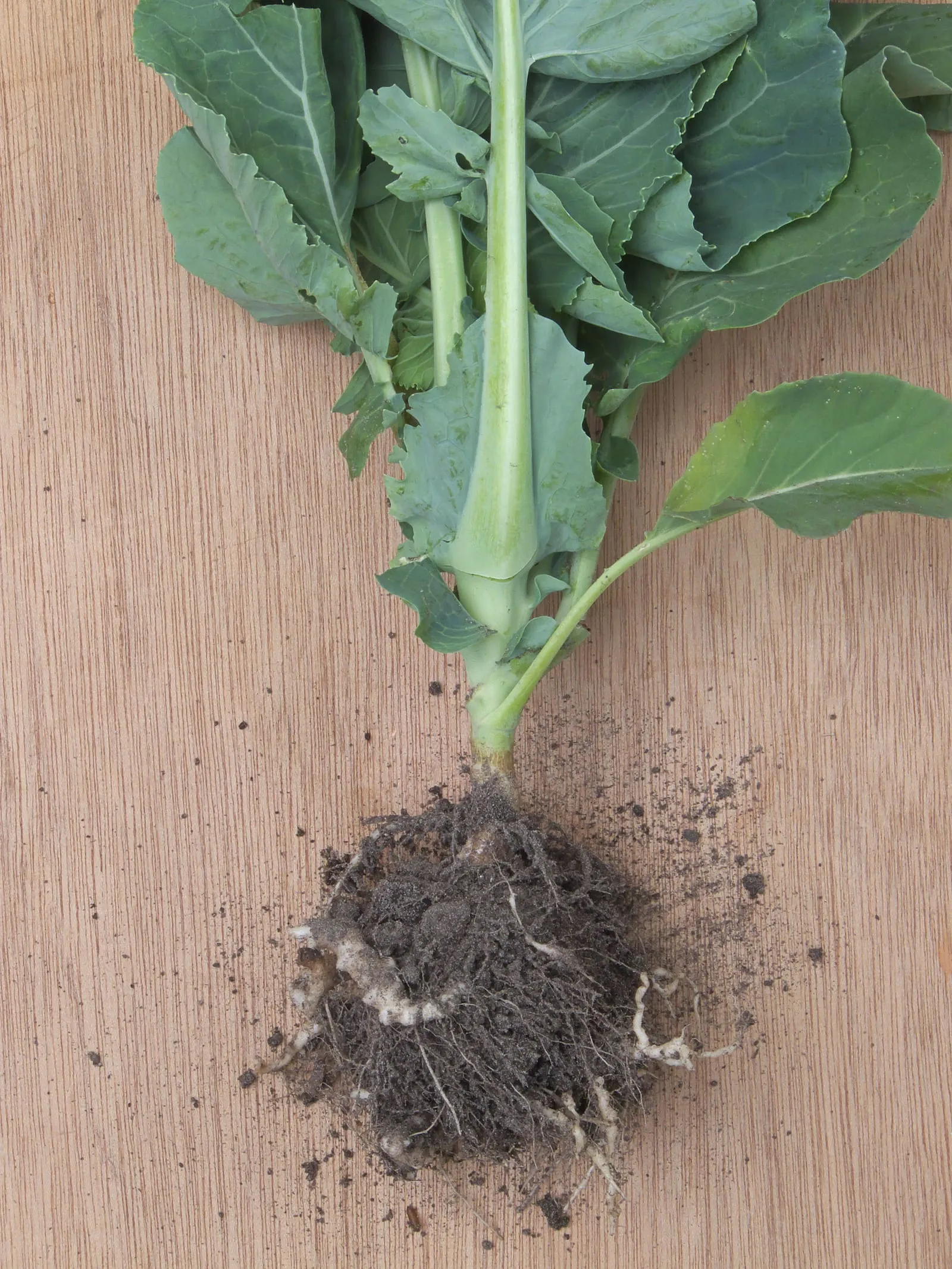
Clubroot (Plasmodiophora brassicae) is a persistent soilborne pathogen and the primary disease concern. It causes roots to swell into distorted galls, cutting off water and nutrient uptake. Infected plants stunt, wilt in midday heat, and typically fail to produce usable stems. The pathogen survives in soil for decades. The practical controls are pH management (raising soil pH to 7.0 or slightly above suppresses spore germination), multi-year crop rotation away from brassicas (minimum four years), and avoiding introduction of infested soil or transplants. There are no curative treatments once a planting is infected.
Flea beetles and imported cabbageworms both pressure young kohlrabi. Flea beetles cause shothole damage on leaves and can stunt seedlings; row covers applied immediately after seeding or transplanting exclude both pests effectively. Cabbageworm damage on leaves is largely cosmetic on a stem crop, but heavy populations feeding on young seedlings can set back establishment. Monitor, and use row covers early in the season before pest populations build.
Frequently asked questions
- Does kohlrabi require chill hours to produce?
No. Kohlrabi is a cool-season annual grown for its stem, not for fruit or seed production. It has no chill-hour requirement. It prefers temperatures between 45°F and 75°F and will stall or turn fibrous in sustained heat, but it does not need vernalization to produce.
- How many days to harvest should I expect?
Most kohlrabi varieties reach usable size in 50 to 65 days from seeding. Early White Vienna and Purple Vienna fall in the shorter end of that range. Kossak, bred for large-bulb storage, may take the full 65 days. Harvest timing matters more than calendar date: check stem diameter weekly once plants establish.
- What USDA hardiness zones does kohlrabi grow in?
Kohlrabi is suited to zones 3b through 8a. In zones 3b through 5, it's a summer and fall crop planted after last frost. In zones 6 through 8a, both spring and fall plantings are viable, with fall generally producing better quality due to slower temperature decline.
- Does kohlrabi need pollinators?
Not for the edible portion. Kohlrabi is harvested for its swollen stem before it flowers, so pollination is irrelevant to a food crop. Pollinators are only needed if seed saving is the goal, in which case kohlrabi is bee-pollinated and cross-pollinates readily with other Brassica oleracea varieties.
- What is clubroot and how serious is it for kohlrabi?
Clubroot is a soilborne disease caused by Plasmodiophora brassicae that deforms roots and blocks water uptake, usually killing or stunting affected plants. It is serious because the pathogen persists in soil for decades and has no cure. Prevention through soil pH management (target 7.0), long crop rotations, and clean transplants is the only reliable approach.
- Can kohlrabi handle frost?
Yes. Kohlrabi tolerates light frost (down to around 26°F) and often improves in flavor after a light freeze, which converts some starches to sugars. It should not be left in the ground through hard or repeated freezes, which damage the stem and cause quality loss.
- Why did my kohlrabi turn woody and tough?
Almost always, the stem was left in the ground past the optimal harvest window. Most varieties should be picked at 2 to 3 inches in diameter. Heat also accelerates lignification. Kossak is the only widely available variety bred to hold quality at large sizes; standard varieties do not.
+−
+−
+−
+−
+−
+−
+−
Sources
Image: "Brassica oleracea var. gongylodes Oktober 2011", by 4028mdk09, via Wikimedia Commons, licensed under CC-BY. Source.

Kohlrabi by zone
Related