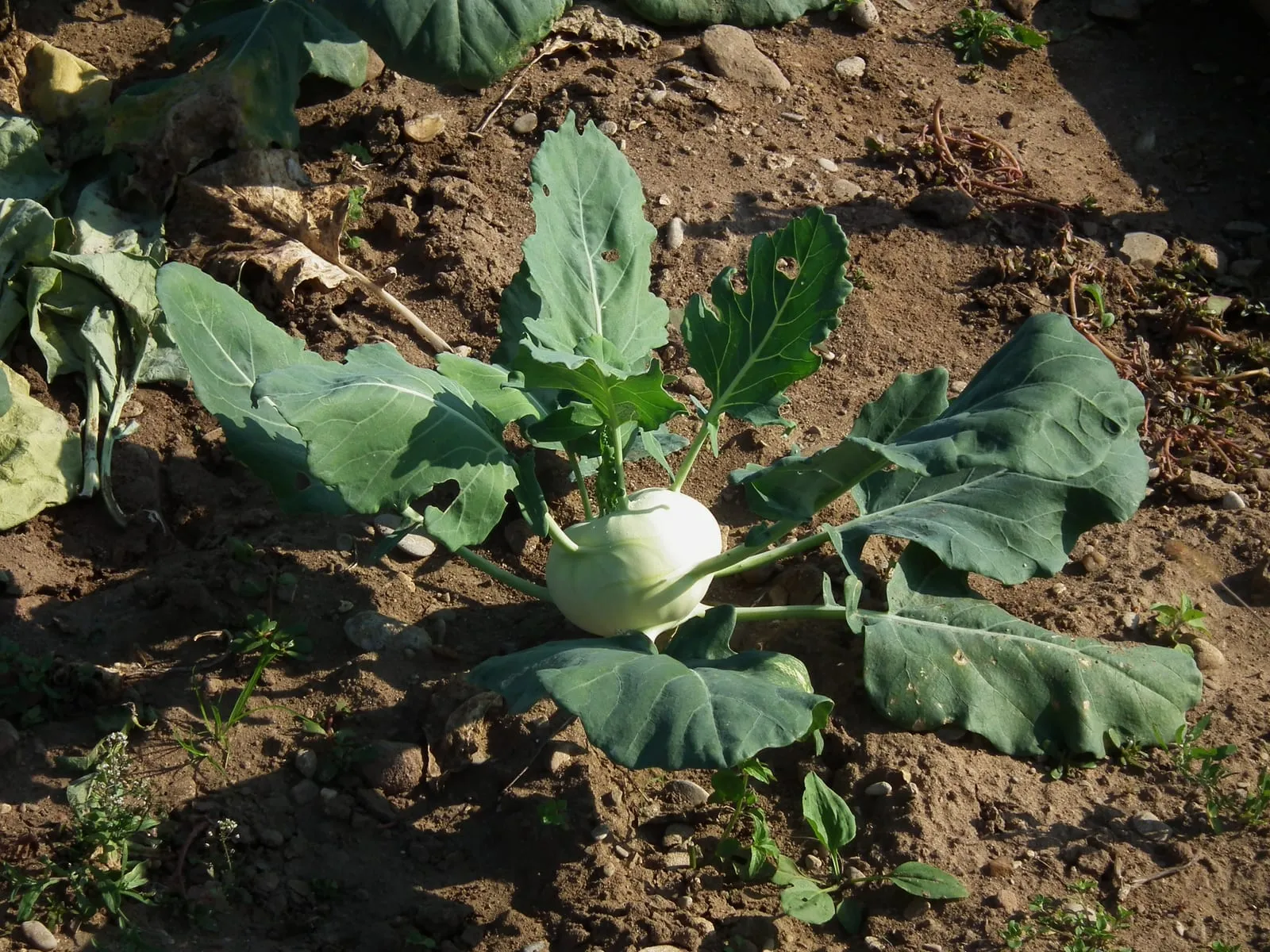
vegetable in zone 5b
Growing kohlrabi in zone 5b
Brassica oleracea var. gongylodes
- Zone
- 5b -15°F to -10°F
- Growing season
- 165 days
- Suitable varieties
- 3
- Days to harvest
- 50 to 65
The verdict
Zone 5b is a strong fit for kohlrabi. Unlike perennial fruit crops, kohlrabi has no chill-hour requirement; chill-hour matching is not a relevant consideration for this annual brassica. What matters instead is cool-season temperature alignment, and zone 5b delivers it. Spring temperatures routinely sit in the 50s and 60s (°F) through May and into early June, which is the range where kohlrabi bulbs develop with the best texture and flavor. The 165-day growing season supports two crops per year, a spring planting and a fall planting, without the scheduling pressure growers face in shorter-season zones.
All three varieties on the compatible list, Early White Vienna, Purple Vienna, and Kossak, are well-suited to zone 5b conditions. Early White Vienna and Purple Vienna mature in roughly 45 to 55 days, making them reliable choices for both planting windows. Kossak, a larger-bulbing variety that takes 60 to 80 days, fits the fall window more comfortably given its longer days-to-harvest. Clubroot is the primary disease risk in zone 5b soils with a history of brassica production.
Recommended varieties for zone 5b
3 cultivars suited to this zone, with disease-resistance and zone-fit annotations.
| Variety | Notes | Zone fit | Disease resistance |
|---|---|---|---|
| Early White Vienna fits zone 5b | Sweet, crisp, mildly cabbage-flavored; pale green-white globe stem. Fresh sliced raw, slaw, roasting, soups. Tender when picked young (2-3 inch globes). | | none noted |
| Purple Vienna fits zone 5b | Sweet, crisp, mild brassica notes; deep purple skin with white flesh. Fresh, slaw, roasting. Ornamental and productive heritage variety. | | none noted |
| Kossak fits zone 5b | Sweet, juicy, surprisingly tender for its size; large storage kohlrabi (8-10 inch). Roasting, soup, storage. Holds quality unlike most large-bulb varieties which woody up. | | none noted |
Critical timing for zone 5b
In zone 5b, the last spring frost typically falls between late April and mid-May depending on location. Kohlrabi tolerates light frost once established, so direct seeding can begin 4 to 6 weeks before the expected last frost date, putting the first outdoor sowings in late March to early April. Transplants started indoors 5 to 6 weeks earlier can go out under row cover before that window. Spring harvest follows in late May through June.
For the fall crop, count back from the first expected frost (typically mid to late October in zone 5b) by the variety's days-to-maturity plus a week of buffer. That places fall seeding in mid-July to early August for Early White Vienna and Purple Vienna. Kossak's longer maturity window requires sowing no later than mid-July. Kohlrabi quality improves with light fall frosts, so pushing close to the frost boundary is acceptable for finished bulbs.
Common challenges in zone 5b
- ▸ Plum curculio
- ▸ Codling moth
- ▸ Cedar-apple rust
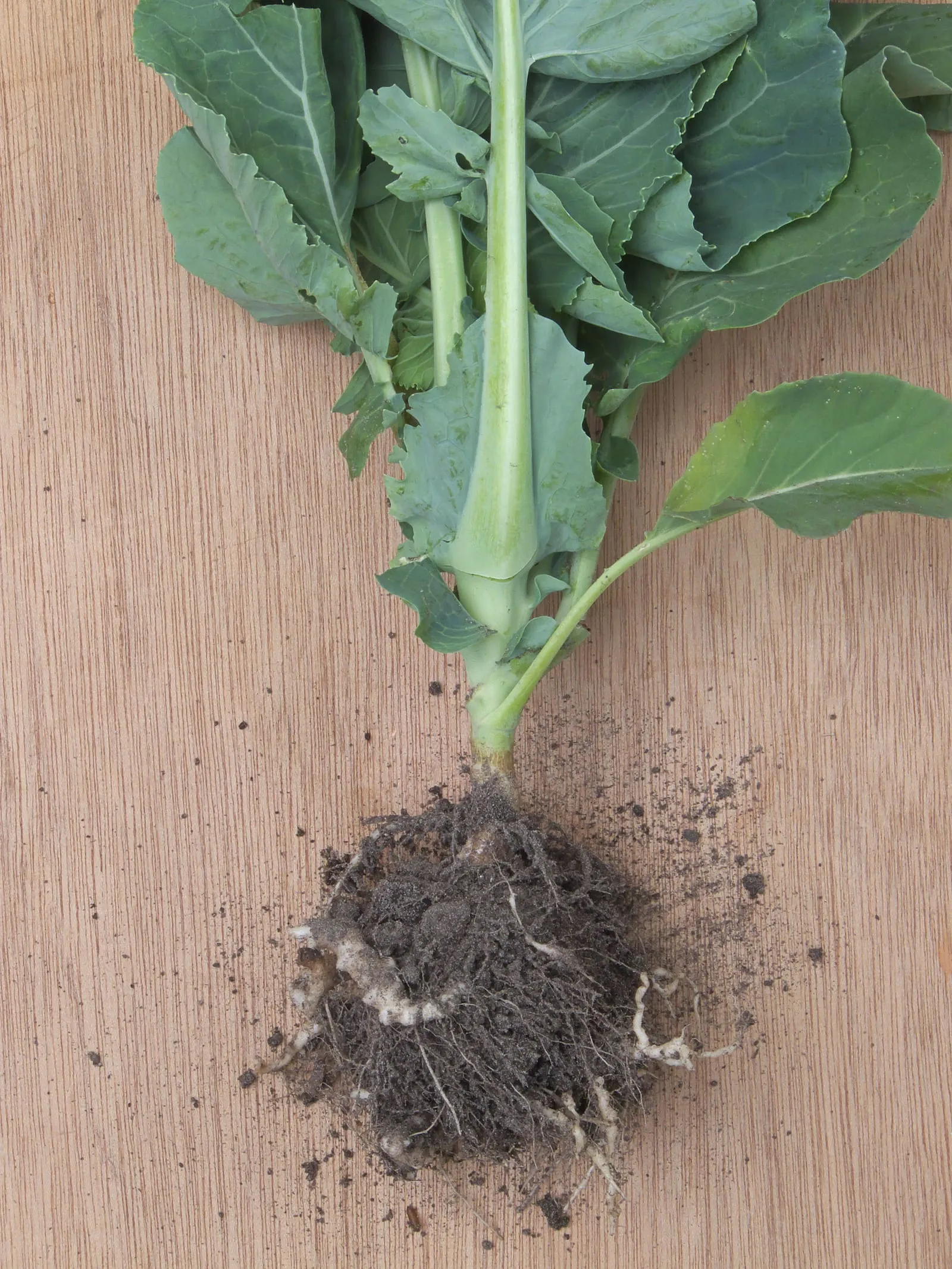
Disease pressure to watch for
Modified care for zone 5b
Zone 5b does not require significant departures from standard kohlrabi culture, but a few adjustments are worth noting. Clubroot is the primary disease threat, particularly in beds that have grown brassicas in recent seasons. Maintaining soil pH at or above 7.0 suppresses clubroot development; lime applications before planting are the most practical intervention. Avoid replanting brassicas in the same bed for at least three years if clubroot has been observed.
Spring plantings in zone 5b can be caught by late frosts after transplanting. Row cover rated to 4 to 6°F of protection extends the safe planting window without requiring full season coverage. For fall crops, a light row cover applied as overnight lows drop below 25°F extends harvest by two to three weeks without compromising bulb quality. The listed zone challenges, plum curculio, codling moth, and cedar-apple rust, are fruit tree concerns and do not affect kohlrabi.
Frequently asked questions
- Can kohlrabi survive a late frost in zone 5b?
Established kohlrabi seedlings tolerate light frosts down to around 26 to 28°F without significant damage. Tender transplants set out before the last frost date benefit from row cover protection. Direct-seeded crops that germinate after the frost risk has passed generally need no protection.
- What is the best kohlrabi variety for a short zone 5b spring?
Early White Vienna and Purple Vienna both mature in 45 to 55 days, making them the most reliable choices when the window between soil workability and summer heat is compressed. Kossak takes 60 to 80 days and fits the fall crop window better.
- How does clubroot affect kohlrabi production in zone 5b?
Clubroot distorts roots and stunts bulb development. It persists in soil for up to 20 years and is most active in acidic, poorly drained conditions. Liming to pH 7.0 or above and a minimum three-year rotation out of brassicas are the primary management tools.
- Can zone 5b growers get two kohlrabi crops in one season?
Yes. The 165-day growing season in zone 5b comfortably supports a spring crop harvested by late June and a fall crop seeded in mid-July. The two-crop approach also reduces clubroot pressure compared to continuous brassica planting in the same bed.
+−
+−
+−
+−
Kohlrabi in adjacent zones
Image: "Brassica oleracea var. gongylodes Oktober 2011", by 4028mdk09, via Wikimedia Commons, licensed under CC-BY Source.

Related