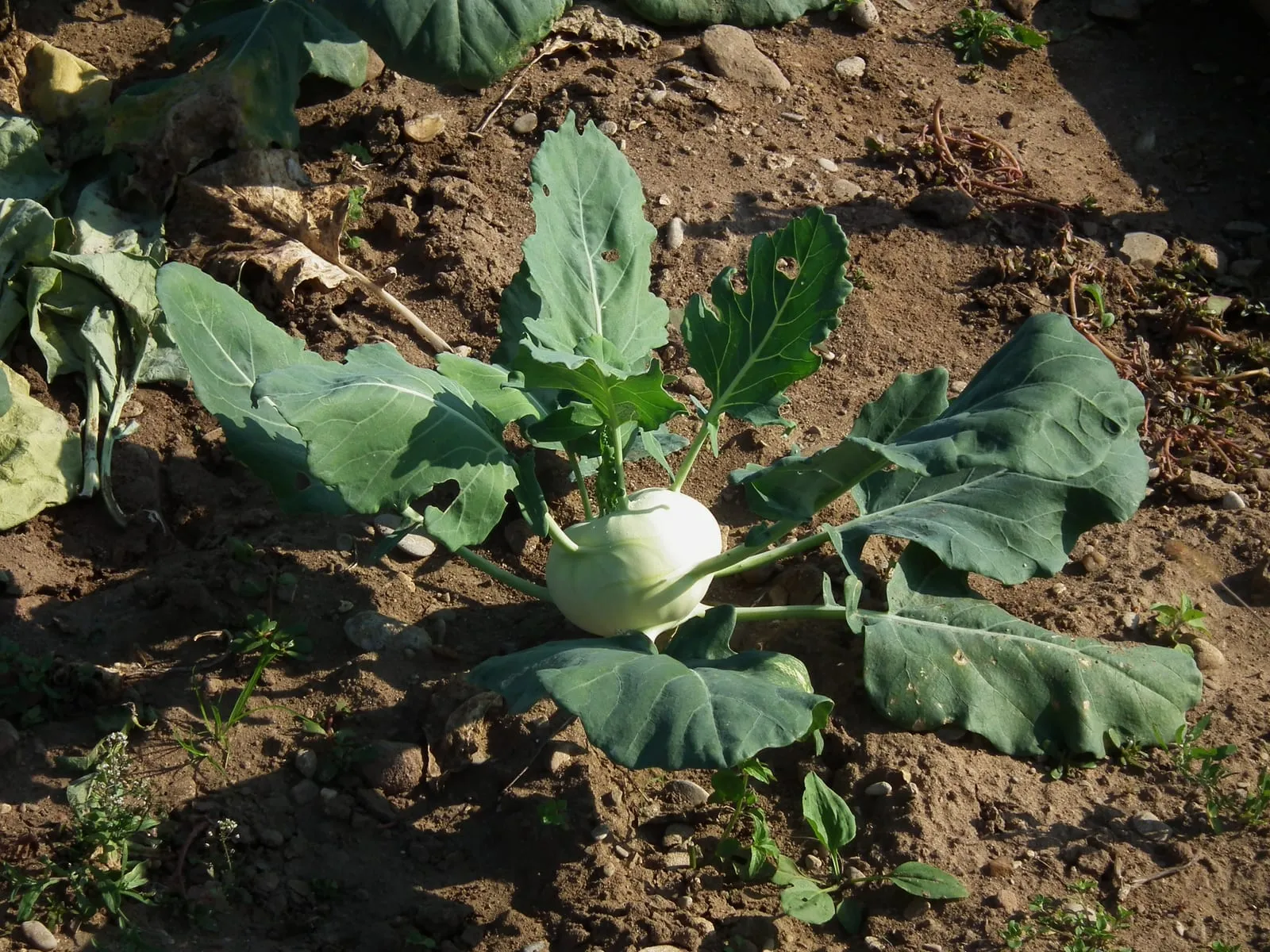
vegetable in zone 5a
Growing kohlrabi in zone 5a
Brassica oleracea var. gongylodes
- Zone
- 5a -20°F to -15°F
- Growing season
- 150 days
- Suitable varieties
- 3
- Days to harvest
- 50 to 65
The verdict
Zone 5a is well suited to kohlrabi. As a cool-season brassica, it prefers air temperatures between 40 and 75°F and tolerates light frosts down to roughly 26°F, making the zone's 150-day growing season more than adequate. Unlike fruit trees, kohlrabi carries no chill-hour requirement; the cold winters of zone 5a are largely irrelevant because the crop is grown as a warm-months annual. Reliably cool springs and autumns are an advantage here, producing crisper, sweeter bulbs than warmer zones where summer heat accelerates bolting. Early White Vienna and Purple Vienna both mature in 45 to 60 days and fit comfortably into either a spring or fall window. Kossak, a larger-bulbing type capable of reaching tennis-ball size without turning woody, also performs well given the zone's extended cool periods. Zone 5a is closer to a sweet spot than a marginal zone for this crop.
Recommended varieties for zone 5a
3 cultivars suited to this zone, with disease-resistance and zone-fit annotations.
| Variety | Notes | Zone fit | Disease resistance |
|---|---|---|---|
| Early White Vienna fits zone 5a | Sweet, crisp, mildly cabbage-flavored; pale green-white globe stem. Fresh sliced raw, slaw, roasting, soups. Tender when picked young (2-3 inch globes). | | none noted |
| Purple Vienna fits zone 5a | Sweet, crisp, mild brassica notes; deep purple skin with white flesh. Fresh, slaw, roasting. Ornamental and productive heritage variety. | | none noted |
| Kossak fits zone 5a | Sweet, juicy, surprisingly tender for its size; large storage kohlrabi (8-10 inch). Roasting, soup, storage. Holds quality unlike most large-bulb varieties which woody up. | | none noted |
Critical timing for zone 5a
In zone 5a, last spring frost typically falls between April 15 and May 1; first fall frost arrives around October 1 to 15. For spring production, direct-sow or set transplants 4 to 6 weeks before last frost, as seedlings tolerate temperatures into the mid-20s°F with minimal damage. Expect harvest 45 to 60 days after seeding, placing spring bulbs ready in late May to mid-June before summer heat triggers bolting. For fall production, count back 60 to 70 days from the first fall frost and sow in mid- to late July. Fall crops often have better flavor because cooling September temperatures sweeten the bulb. Kohlrabi that escapes harvest will bolt and produce small yellow flowers, but the bulb becomes fibrous and unpalatable at that stage.
Common challenges in zone 5a
- ▸ Fire blight in pears
- ▸ Cedar-apple rust
- ▸ Late spring frosts
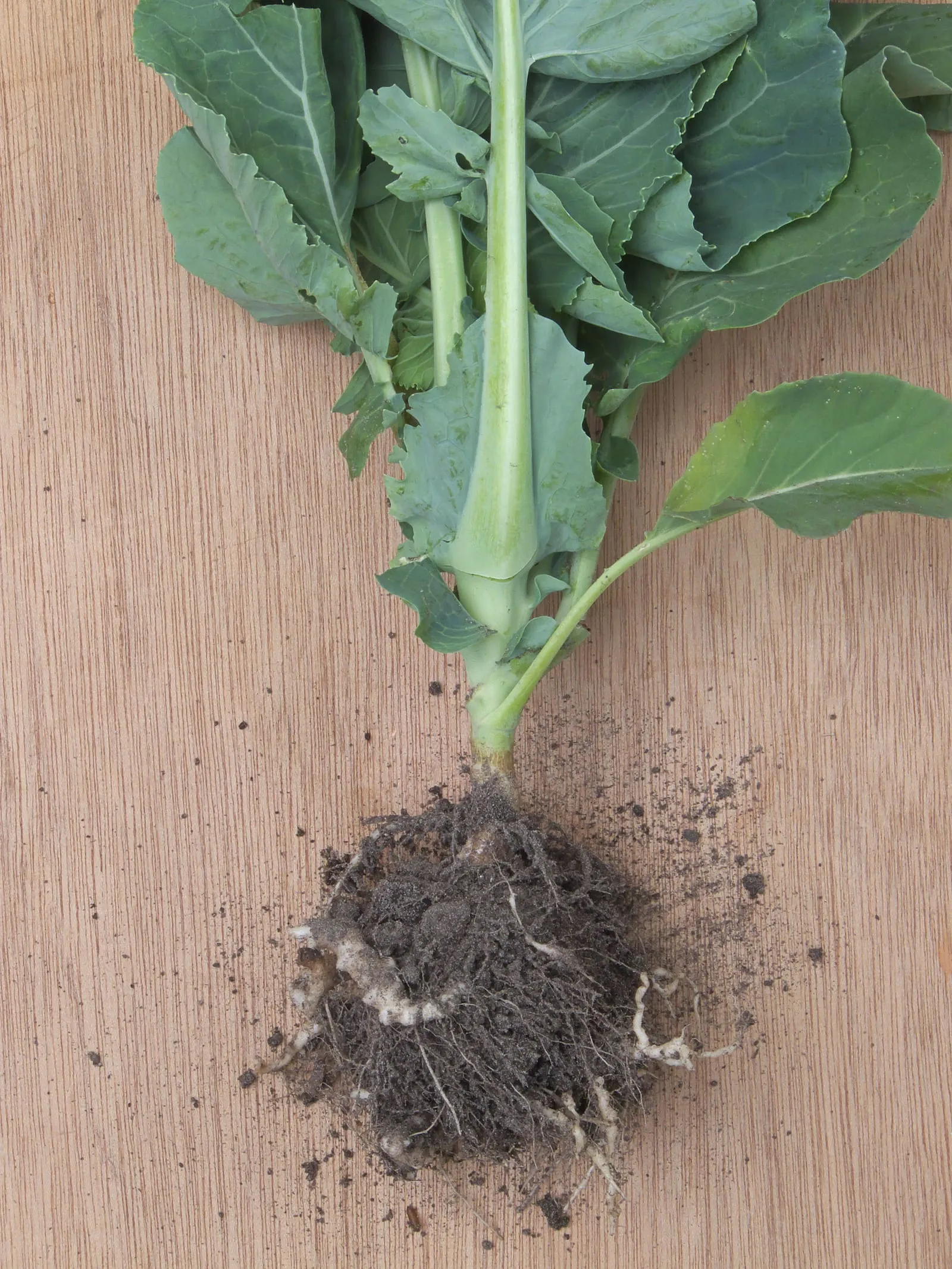
Disease pressure to watch for
Modified care for zone 5a
The primary adjustment in zone 5a is managing the late-spring frost window. Seedlings hardened off gradually can tolerate light frost, but a sharp freeze after transplanting sets back tender growth; row cover provides 4 to 6°F of protection and can extend the planting-out date by 2 to 3 weeks without much labor. Clubroot, a soilborne pathogen that distorts roots and stunts tops, is the main disease concern for brassicas in this zone. Rotating kohlrabi and other brassicas to a different bed each year and maintaining soil pH above 7.2 reduces infection pressure substantially. Avoid sites with poor drainage, as wet soils favor clubroot spore survival over winter. Because zone 5a summers are shorter than in southern regions, spacing plants at 6 inches rather than 9 inches allows a denser planting that finishes before the hottest weeks arrive.
Frequently asked questions
- Can kohlrabi survive a late frost in zone 5a?
Established kohlrabi seedlings tolerate light frosts down to roughly 26°F, so brief late-spring dips are usually not fatal. Tender transplants set out immediately after last frost are more vulnerable; row cover adds 4 to 6°F of buffer and is worth deploying if a frost is forecast within the first week after transplanting.
- Is fall or spring kohlrabi better in zone 5a?
Fall plantings often produce sweeter, more tender bulbs because the bulb swells during cooling temperatures rather than warming ones. Spring crops are more vulnerable to bolting if warm weather arrives early. Both windows work in zone 5a; fall is the lower-risk choice for flavor.
- How does clubroot affect kohlrabi, and how is it prevented?
Clubroot causes swollen, distorted roots that prevent the plant from taking up water and nutrients, stunting or killing the top growth. It spreads through contaminated soil and water and persists for years. A 4-year brassica rotation and raising soil pH above 7.2 with lime are the most effective preventive measures.
- Which kohlrabi variety handles zone 5a conditions best?
Early White Vienna and Purple Vienna are reliable choices because of their short 45 to 60 day maturity, which fits cleanly into both the spring and fall windows. Kossak is worth growing in fall when the longer cool period lets it size up without becoming woody.
+−
+−
+−
+−
Kohlrabi in adjacent zones
Image: "Brassica oleracea var. gongylodes Oktober 2011", by 4028mdk09, via Wikimedia Commons, licensed under CC-BY Source.

Related