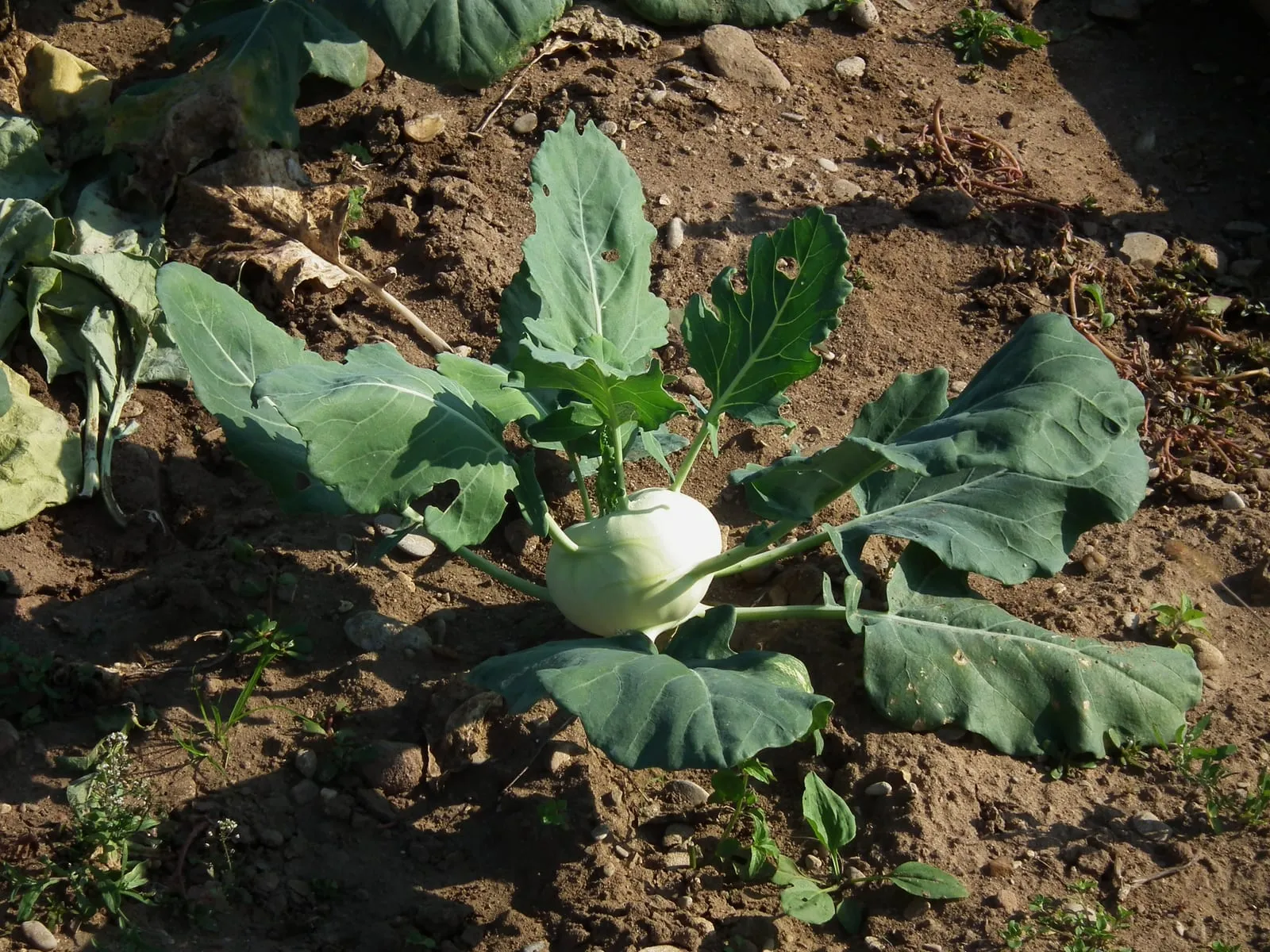
vegetable in zone 4b
Growing kohlrabi in zone 4b
Brassica oleracea var. gongylodes
- Zone
- 4b -25°F to -20°F
- Growing season
- 130 days
- Suitable varieties
- 3
- Days to harvest
- 50 to 65
The verdict
Zone 4b is a strong fit for kohlrabi rather than a marginal one. Kohlrabi is a cool-season brassica that performs best between 45 and 75°F, and the cool springs and autumns of zone 4b align well with those requirements. Unlike perennial fruit crops, kohlrabi has no chill-hour requirement; it is an annual grown for its swollen stem, and what matters is having enough frost-free days to mature a bulb before heat or hard frost intervenes. At 130 days, zone 4b's growing season comfortably accommodates kohlrabi's 45- to 60-day maturation window, with room for both a spring and a fall planting in most years.
The main quality risk for kohlrabi is not cold but heat: bulbs grown through extended temperatures above 80°F become tough, pithy, and prone to bolting. Zone 4b's shorter, cooler summers reduce that risk compared to zones 6 and above. Early White Vienna, Purple Vienna, and Kossak are all well-matched to the zone's brief but cool growing window.
Recommended varieties for zone 4b
3 cultivars suited to this zone, with disease-resistance and zone-fit annotations.
| Variety | Notes | Zone fit | Disease resistance |
|---|---|---|---|
| Early White Vienna fits zone 4b | Sweet, crisp, mildly cabbage-flavored; pale green-white globe stem. Fresh sliced raw, slaw, roasting, soups. Tender when picked young (2-3 inch globes). | | none noted |
| Purple Vienna fits zone 4b | Sweet, crisp, mild brassica notes; deep purple skin with white flesh. Fresh, slaw, roasting. Ornamental and productive heritage variety. | | none noted |
| Kossak fits zone 4b | Sweet, juicy, surprisingly tender for its size; large storage kohlrabi (8-10 inch). Roasting, soup, storage. Holds quality unlike most large-bulb varieties which woody up. | | none noted |
Critical timing for zone 4b
In zone 4b, the last spring frost typically falls in mid-May. For a spring crop, direct sow 3 to 4 weeks before that date (late April) or transplant out as early as 4 weeks before last frost; kohlrabi tolerates light frosts to around 28°F once established. Spring plantings are typically harvest-ready from mid-June through early July.
For a fall crop, count back from the expected first fall frost (typically late September to early October in zone 4b) by 60 to 70 days and sow in late July. Kohlrabi does not have a traditional bloom window tied to harvest timing since the edible portion is the swollen stem rather than a flower or fruit. The plant will bolt to seed if exposed to extended temperatures above 80°F, which is uncommon in zone 4b, making fall plantings here especially reliable and often higher quality than spring ones.
Common challenges in zone 4b
- ▸ Spring frost timing
- ▸ Apple scab pressure
- ▸ Cane berry winter dieback
Disease pressure to watch for
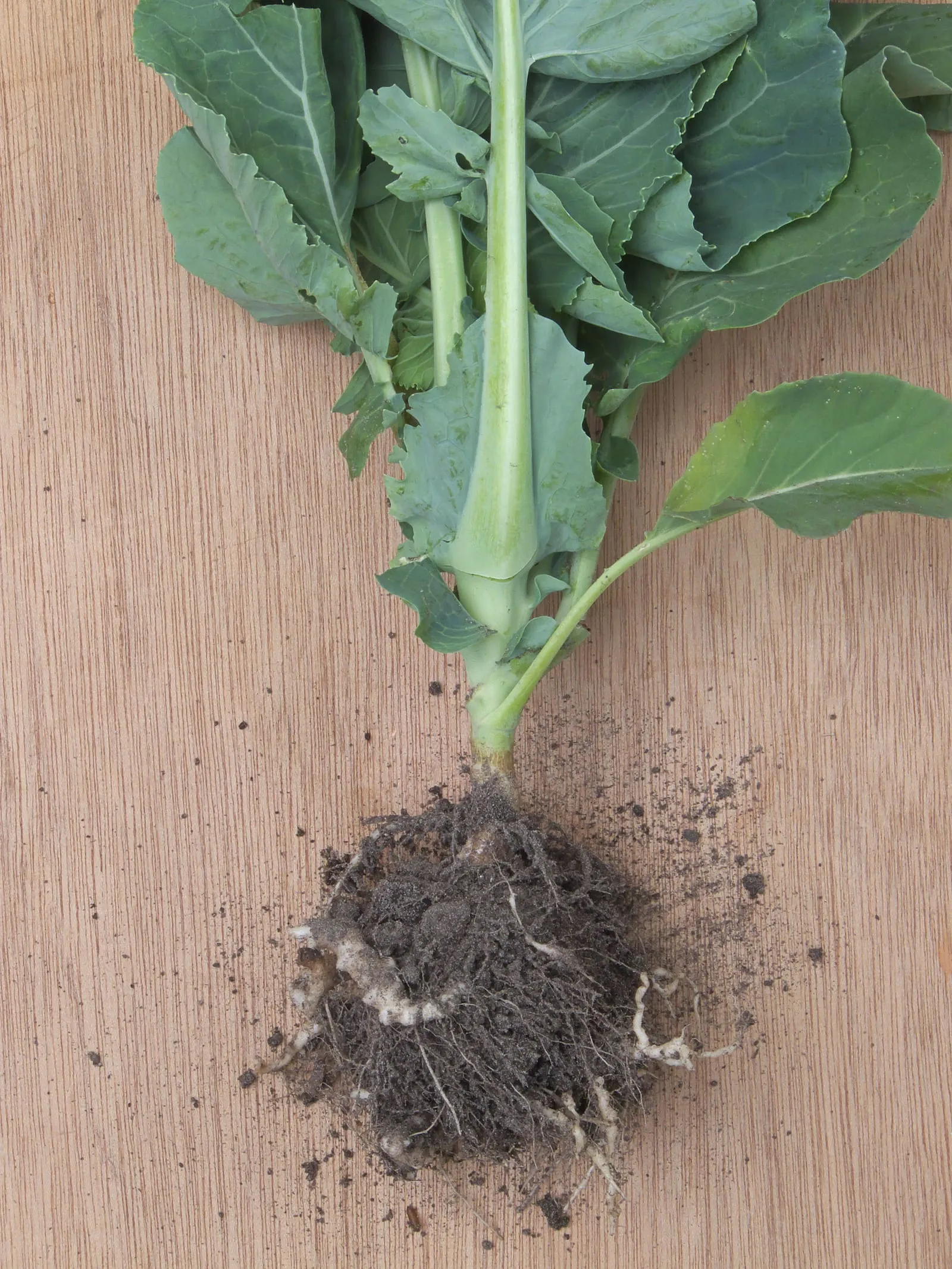
Modified care for zone 4b
The primary adjustments in zone 4b center on timing precision and clubroot management. Spring frost timing is the critical variable; floating row covers protect transplants from late cold snaps that arrive after the nominal last frost date. Kossak, at roughly 60 days to maturity, fits better in a fall planting cycle than a compressed spring window where timing margins are tighter. Early White Vienna, at 45 to 50 days, is the safer choice for spring.
Clubroot (Plasmodiophora brassicae) is the principal disease risk for kohlrabi in zone 4b. It persists in soil for 10 to 15 years, so a strict 3- to 4-year rotation out of brassica crops is the core management tool. Raising soil pH to 7.0 or above through lime application suppresses spore viability; zone 4b's frequently acidic soils make a pre-plant pH test and amendment worthwhile. Apple scab and cane berry dieback listed among zone 4b challenges do not affect kohlrabi.
Kohlrabi in adjacent zones
Image: "Brassica oleracea var. gongylodes Oktober 2011", by 4028mdk09, via Wikimedia Commons, licensed under CC-BY Source.

Related