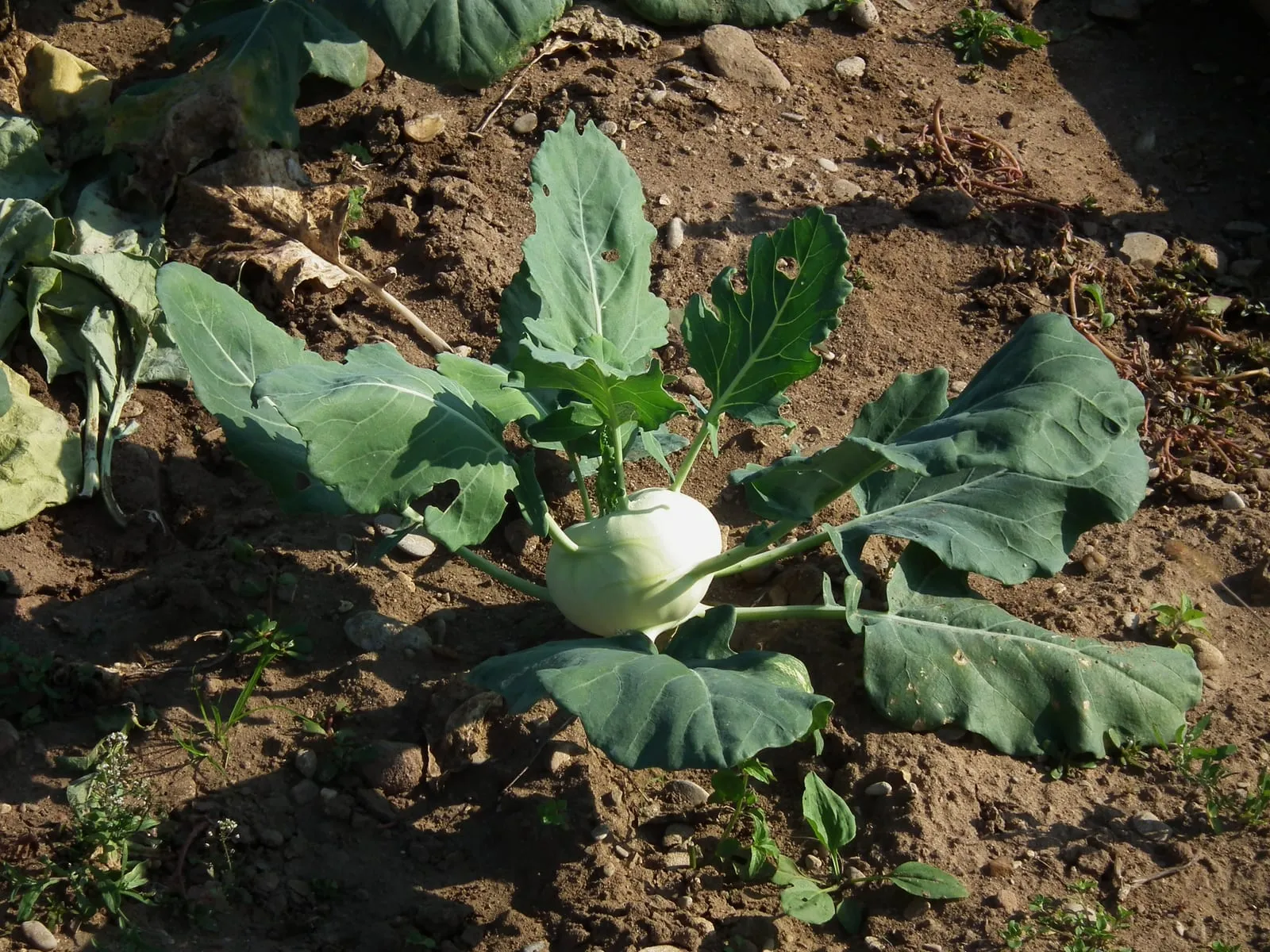
vegetable in zone 4a
Growing kohlrabi in zone 4a
Brassica oleracea var. gongylodes
- Zone
- 4a -30°F to -25°F
- Growing season
- 120 days
- Suitable varieties
- 3
- Days to harvest
- 50 to 65
The verdict
Kohlrabi is a cool-season brassica, and zone 4a suits it well. Unlike perennial fruit crops, kohlrabi has no chill-hour requirement; the relevant measure is soil and air temperature during active growth, ideally 45°F to 75°F. Zone 4a delivers those conditions reliably in spring and early fall, making it close to a sweet spot rather than a marginal zone for this crop.
The 120-day growing season is sufficient for fast-maturing varieties. Early White Vienna and Purple Vienna both reach harvest in roughly 45 to 50 days, allowing two successions with careful scheduling. Kossak, a large-bulbing type that needs closer to 80 days, fits within the window but leaves little margin for late spring frost or an early September freeze.
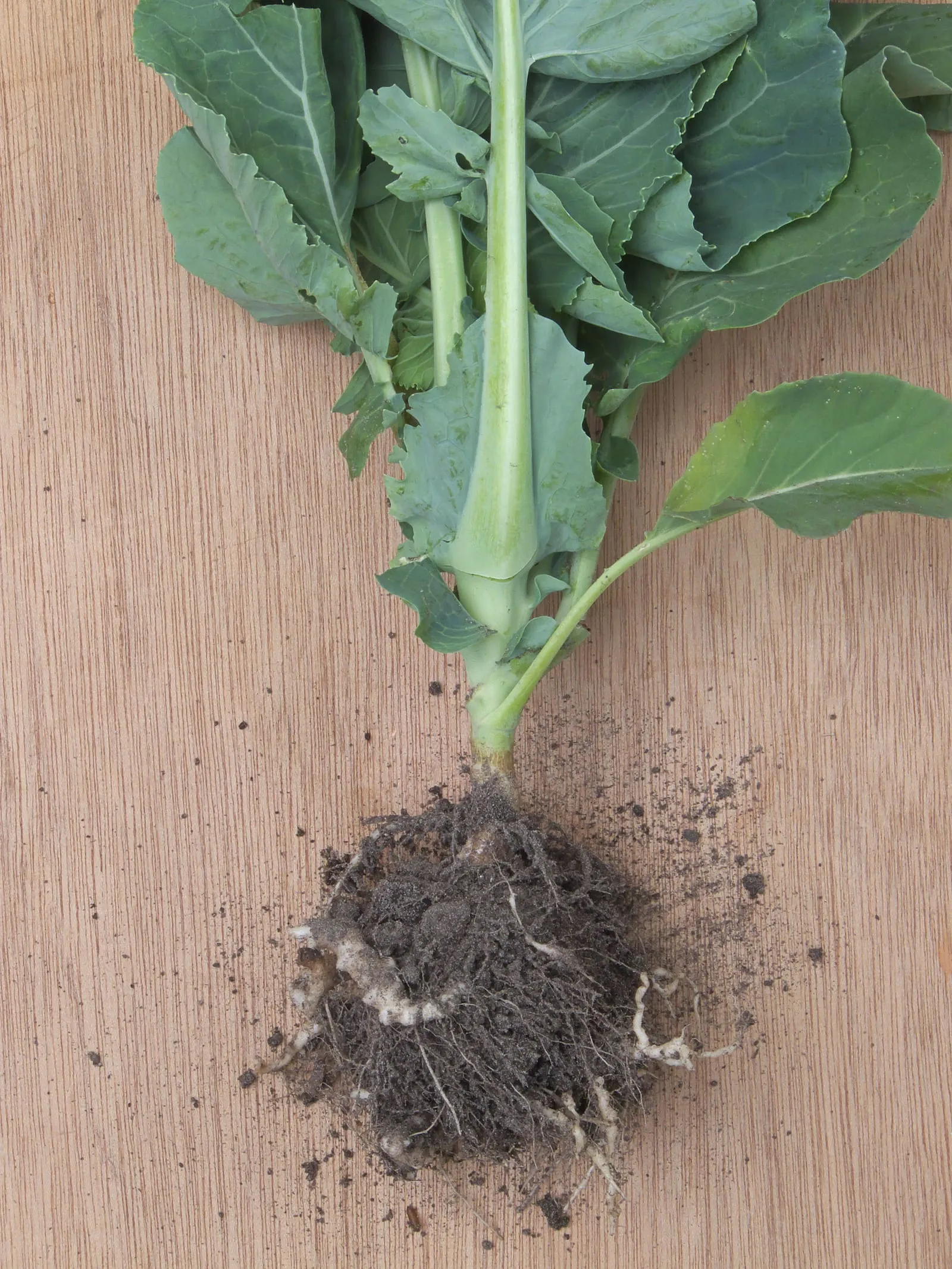
Clubroot (Plasmodiophora brassicae) is the primary disease concern. It persists in soil for years and is more prevalent in the acidic soils common across zone 4a's geography. Soil pH management is a routine part of growing brassicas here, not an optional precaution.
Recommended varieties for zone 4a
3 cultivars suited to this zone, with disease-resistance and zone-fit annotations.
| Variety | Notes | Zone fit | Disease resistance |
|---|---|---|---|
| Early White Vienna fits zone 4a | Sweet, crisp, mildly cabbage-flavored; pale green-white globe stem. Fresh sliced raw, slaw, roasting, soups. Tender when picked young (2-3 inch globes). | | none noted |
| Purple Vienna fits zone 4a | Sweet, crisp, mild brassica notes; deep purple skin with white flesh. Fresh, slaw, roasting. Ornamental and productive heritage variety. | | none noted |
| Kossak fits zone 4a | Sweet, juicy, surprisingly tender for its size; large storage kohlrabi (8-10 inch). Roasting, soup, storage. Holds quality unlike most large-bulb varieties which woody up. | | none noted |
Critical timing for zone 4a
Kohlrabi is harvested as a swollen stem before the plant bolts to flower, so bloom timing is not the primary scheduling concern. The practical spring window opens roughly two weeks before the average last frost, since transplants and direct-sown seedlings tolerate light frost down to about 28°F. Across most of zone 4a, last frost falls between late May and early June, placing earliest outdoor transplanting in mid-May under row cover protection.
First fall frost typically arrives in early September across zone 4a. A fall succession started from seed in mid-July must target harvest by late August to finish before cold shuts down growth. Late spring frosts are the main hazard for the first planting; early fall cold snaps compress the second planting's window and leave little room for schedule slippage.
Common challenges in zone 4a
- ▸ Late frosts damage early bloomers
- ▸ Limited peach varieties
Disease pressure to watch for
Modified care for zone 4a
Start spring transplants indoors 4 to 6 weeks before the transplant date, then harden off for at least a week before setting out. Deploy floating row covers immediately after transplanting to buffer against late frost events and extend the effective growing season by two to three weeks. Zone 4a's late frosts are the most common reason early plantings fail.
Clubroot management is non-negotiable here. Test soil pH before planting and amend with agricultural lime to raise it to at least 7.0; the pathogen is significantly less active above that threshold. Rotate brassicas on a minimum three-year cycle, and destroy (rather than compost) any plants showing clubbed or distorted roots.
Consistent irrigation matters more in the short zone 4a season than in warmer climates. A single prolonged dry spell can trigger premature bolting, eliminating the harvest window entirely. Mulching after transplanting moderates soil temperature swings and reduces moisture loss during the warm spells that sometimes punctuate early summer.
Frequently asked questions
- Can kohlrabi be grown in zone 4a?
Yes. Kohlrabi is a cool-season crop that performs well in zone 4a's 120-day growing season. Fast-maturing varieties like Early White Vienna and Purple Vienna (45 to 50 days) fit comfortably; the longer-season Kossak (about 80 days) is feasible but requires precise timing.
- What is the biggest disease risk for kohlrabi in zone 4a?
Clubroot (Plasmodiophora brassicae) is the primary concern. The pathogen thrives in acidic soils, which are common across zone 4a. Liming to pH 7.0 or above and rotating brassicas on a three-year minimum cycle are the standard management practices.
- How does zone 4a's short season affect kohlrabi planting dates?
With last spring frost in late May to early June and first fall frost in early September, the workable window is tight. Row covers allow spring transplanting in mid-May, and a fall crop started in mid-July must be harvested by late August. Timing errors in either direction often mean losing the planting entirely.
+−
+−
+−
Kohlrabi in adjacent zones
Image: "Brassica oleracea var. gongylodes Oktober 2011", by 4028mdk09, via Wikimedia Commons, licensed under CC-BY Source.

Related