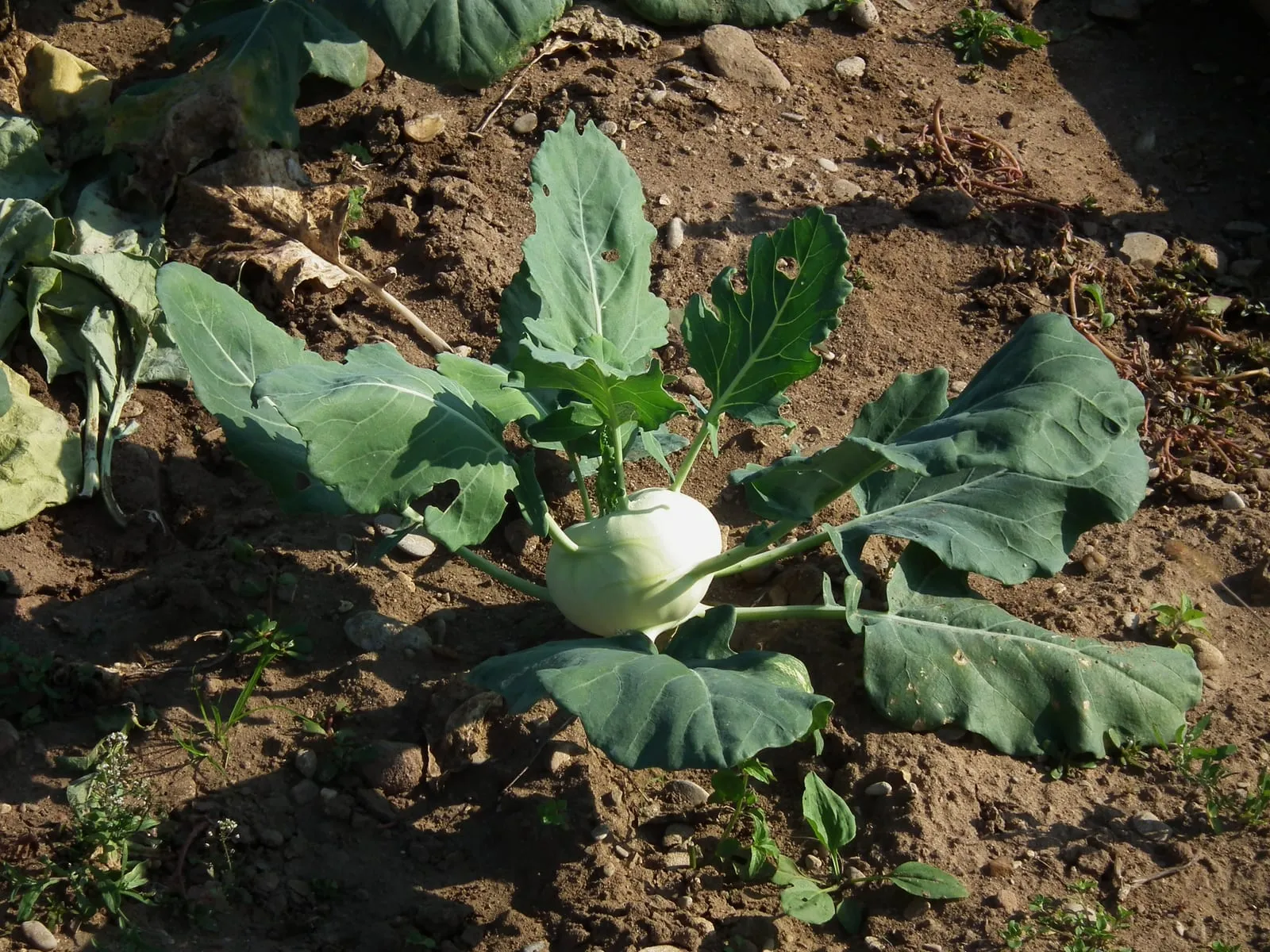
vegetable in zone 3b
Growing kohlrabi in zone 3b
Brassica oleracea var. gongylodes
- Zone
- 3b -35°F to -30°F
- Growing season
- 100 days
- Suitable varieties
- 3
- Days to harvest
- 50 to 65
The verdict
Kohlrabi is a strong fit for zone 3b, not a marginal one. As a fast-maturing cool-season brassica, it thrives in the same short, cool summers that challenge fruiting crops. The 100-day growing season in zone 3b comfortably accommodates Early White Vienna and Purple Vienna, both of which reach harvest in 45 to 60 days. Kossak, the large-bulbing type, takes around 80 days and fits within the window but leaves little buffer if spring is late or fall comes early.
Unlike crops with chill-hour requirements tied to winter dormancy, kohlrabi has no such constraint. The relevant question is whether summer heat will push plants to bolt before harvest. In zone 3b, that risk is low. Temperatures rarely stay above 85°F long enough to trigger premature flowering, which makes this zone genuinely well-suited to kohlrabi rather than merely tolerant of it.
Recommended varieties for zone 3b
3 cultivars suited to this zone, with disease-resistance and zone-fit annotations.
| Variety | Notes | Zone fit | Disease resistance |
|---|---|---|---|
| Early White Vienna fits zone 3b | Sweet, crisp, mildly cabbage-flavored; pale green-white globe stem. Fresh sliced raw, slaw, roasting, soups. Tender when picked young (2-3 inch globes). | | none noted |
| Purple Vienna fits zone 3b | Sweet, crisp, mild brassica notes; deep purple skin with white flesh. Fresh, slaw, roasting. Ornamental and productive heritage variety. | | none noted |
| Kossak fits zone 3b | Sweet, juicy, surprisingly tender for its size; large storage kohlrabi (8-10 inch). Roasting, soup, storage. Holds quality unlike most large-bulb varieties which woody up. | | none noted |
Critical timing for zone 3b
In zone 3b, the last spring frost typically falls between mid-May and early June, and the first fall frost arrives in late August to mid-September. Direct sowing can begin as soon as soil temperatures reach 45°F, often in early to mid-May under row cover, or after frost risk passes without cover. Early White Vienna and Purple Vienna sown at this point reach harvest by mid-July.
A second succession sown in early July will mature before the fall frost, extending harvest into late August or early September. Kohlrabi is not harvested at bloom; the goal is pulling bulbs before the plant bolts in heat. The short, cool zone 3b season makes bolting uncommon, so timing is primarily about fitting successions within the frost window.
Common challenges in zone 3b
- ▸ Short season
- ▸ Winter desiccation
- ▸ Site selection critical for fruit trees
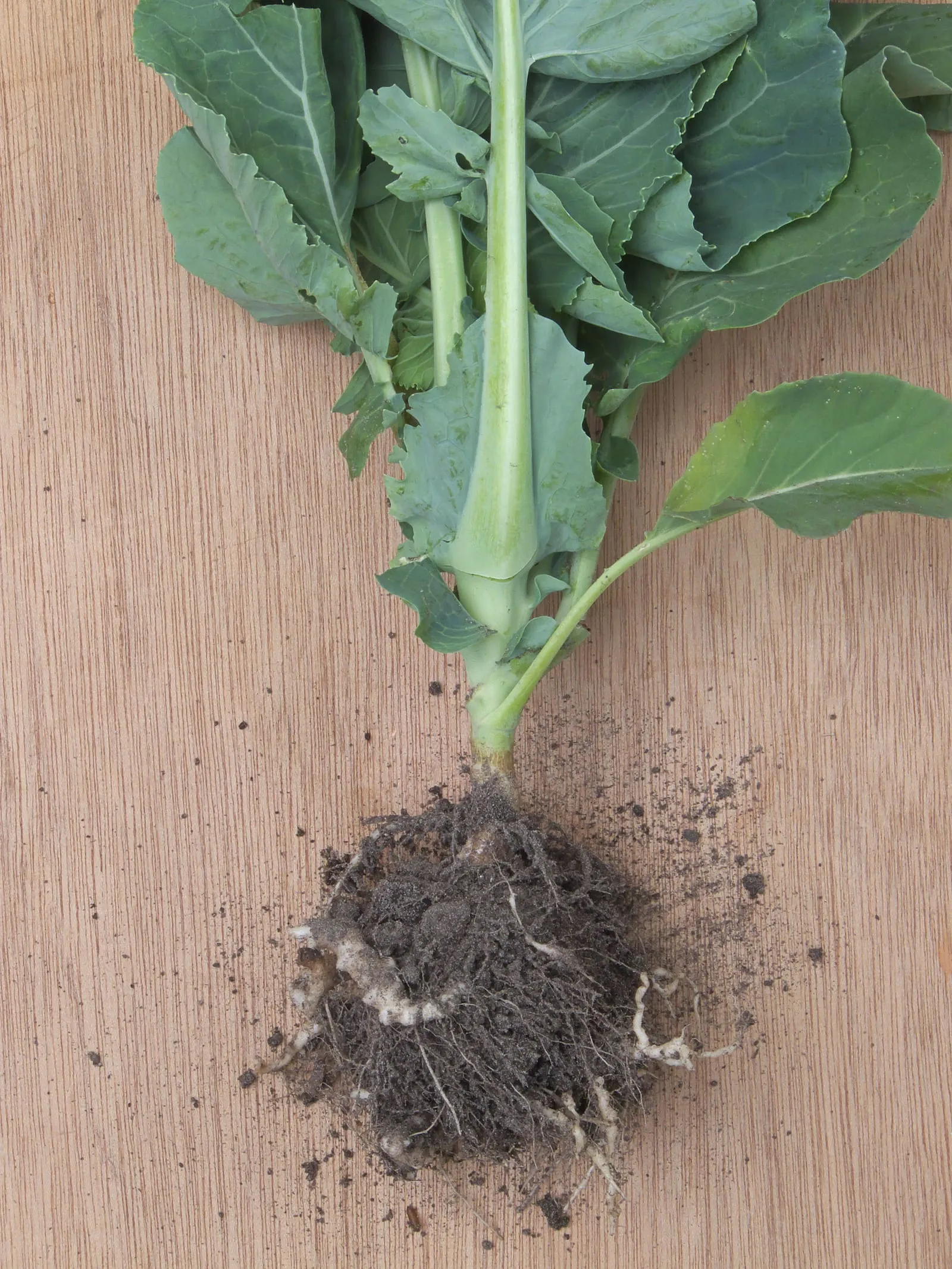
Disease pressure to watch for
Modified care for zone 3b
The main adaptation in zone 3b is working around the compressed season. Starting transplants indoors 4 to 5 weeks before the last frost date gives a useful head start and is worthwhile for Kossak, which needs closer to 80 days. Earlier-maturing varieties can be direct sown once frost risk eases.
Clubroot is the primary disease concern. This soil-borne pathogen persists for years, so rotating brassicas on a minimum 4-year cycle is essential. If clubroot is already present in the soil, raising pH to 7.2 or above with lime reduces severity.
Row covers serve double duty in zone 3b: they shield young plants from late spring frosts and exclude flea beetles, a common early-season brassica pest. Remove covers once plants are established and overnight temperatures hold reliably above freezing.
Frequently asked questions
- How many successions of kohlrabi can fit into a zone 3b season?
Two successions are typically achievable. Sow the first as soon as frost risk eases in May and harvest in mid-July; sow the second in early July and harvest before the late-August or September frost. Quick-maturing varieties like Early White Vienna give the most flexibility between plantings.
- Will kohlrabi bolt in zone 3b summers?
Bolting is uncommon in zone 3b. Kohlrabi bolts in sustained heat above 85°F, which zone 3b rarely produces. The bigger timing risk is a late spring frost delaying planting rather than summer heat shortening the harvest window.
- Is clubroot a serious problem for kohlrabi in zone 3b?
Clubroot can be serious if present, since spores persist in soil for 15 to 20 years. Prevention through strict crop rotation (no brassicas in the same bed for at least 4 years) and maintaining soil pH above 7.0 are the primary defenses. No widely available kohlrabi varieties carry commercial clubroot resistance.
+−
+−
+−
Kohlrabi in adjacent zones
Image: "Brassica oleracea var. gongylodes Oktober 2011", by 4028mdk09, via Wikimedia Commons, licensed under CC-BY Source.

Related