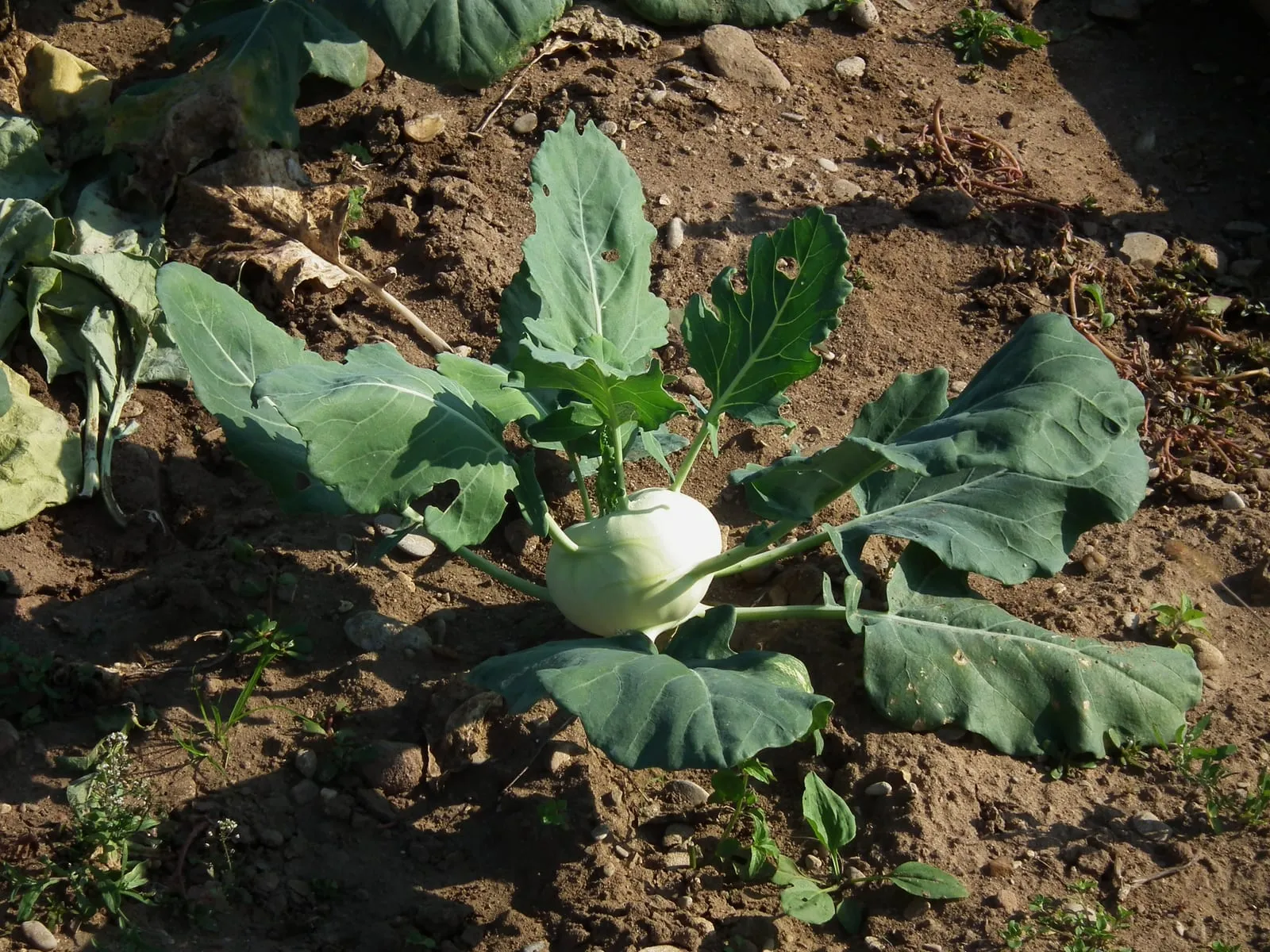
vegetable in zone 6a
Growing kohlrabi in zone 6a
Brassica oleracea var. gongylodes
- Zone
- 6a -10°F to -5°F
- Growing season
- 180 days
- Suitable varieties
- 3
- Days to harvest
- 50 to 65
The verdict
Kohlrabi is a cool-season brassica with no chill-hour requirement. Unlike perennial fruit crops, it is planted and harvested within a single season, so the -10 to -5°F winter minimum of zone 6a is not a limiting factor. What matters is the availability of sustained cool temperatures (roughly 45 to 75°F) for the 45 to 60 days the bulb needs to reach harvest size.
Zone 6a's 180-day growing season is well above the crop's minimum needs, making this a reliable rather than marginal zone for kohlrabi. The real constraint is summer heat: once air temperatures regularly exceed 80°F, bulbs become woody and lose edible quality. Zone 6a summers frequently push past that threshold from July onward, so the central management task is timing spring plantings to mature before that window and fall plantings to establish before hard frost arrives.
Early White Vienna and Purple Vienna, both in the 45 to 50 day range, fit the spring window comfortably. Kossak, at 80-plus days to maturity, is best reserved for fall planting in this zone.
Recommended varieties for zone 6a
3 cultivars suited to this zone, with disease-resistance and zone-fit annotations.
| Variety | Notes | Zone fit | Disease resistance |
|---|---|---|---|
| Early White Vienna fits zone 6a | Sweet, crisp, mildly cabbage-flavored; pale green-white globe stem. Fresh sliced raw, slaw, roasting, soups. Tender when picked young (2-3 inch globes). | | none noted |
| Purple Vienna fits zone 6a | Sweet, crisp, mild brassica notes; deep purple skin with white flesh. Fresh, slaw, roasting. Ornamental and productive heritage variety. | | none noted |
| Kossak fits zone 6a | Sweet, juicy, surprisingly tender for its size; large storage kohlrabi (8-10 inch). Roasting, soup, storage. Holds quality unlike most large-bulb varieties which woody up. | | none noted |
Critical timing for zone 6a
Zone 6a's last spring frost typically falls between April 15 and May 1. Kohlrabi tolerates light frost, so transplants can go into the ground 3 to 4 weeks before that date (late March through mid-April) once soil temperatures reach 45°F. Early White Vienna and Purple Vienna mature in 45 to 50 days from transplant, placing spring harvest in late May to early June, ahead of sustained summer heat.
Fall planting works backward from first frost, typically around October 15 across much of zone 6a. Counting back 50 days for Early White Vienna places direct-sowing around late August; Kossak at 80-plus days requires a late-July start. Kohlrabi tolerates light frost and can remain in the ground into November.
Very early spring plantings carry a bolting risk: young transplants exposed to cold followed by a warm stretch can shift into reproductive growth before bulbing. Starting seed indoors 4 to 5 weeks before the transplant date, rather than direct-sowing into cold soil, reduces that exposure.
Common challenges in zone 6a
- ▸ Brown rot in stone fruit
- ▸ Japanese beetles
- ▸ Spring frost damage to peach buds
Disease pressure to watch for
Modified care for zone 6a
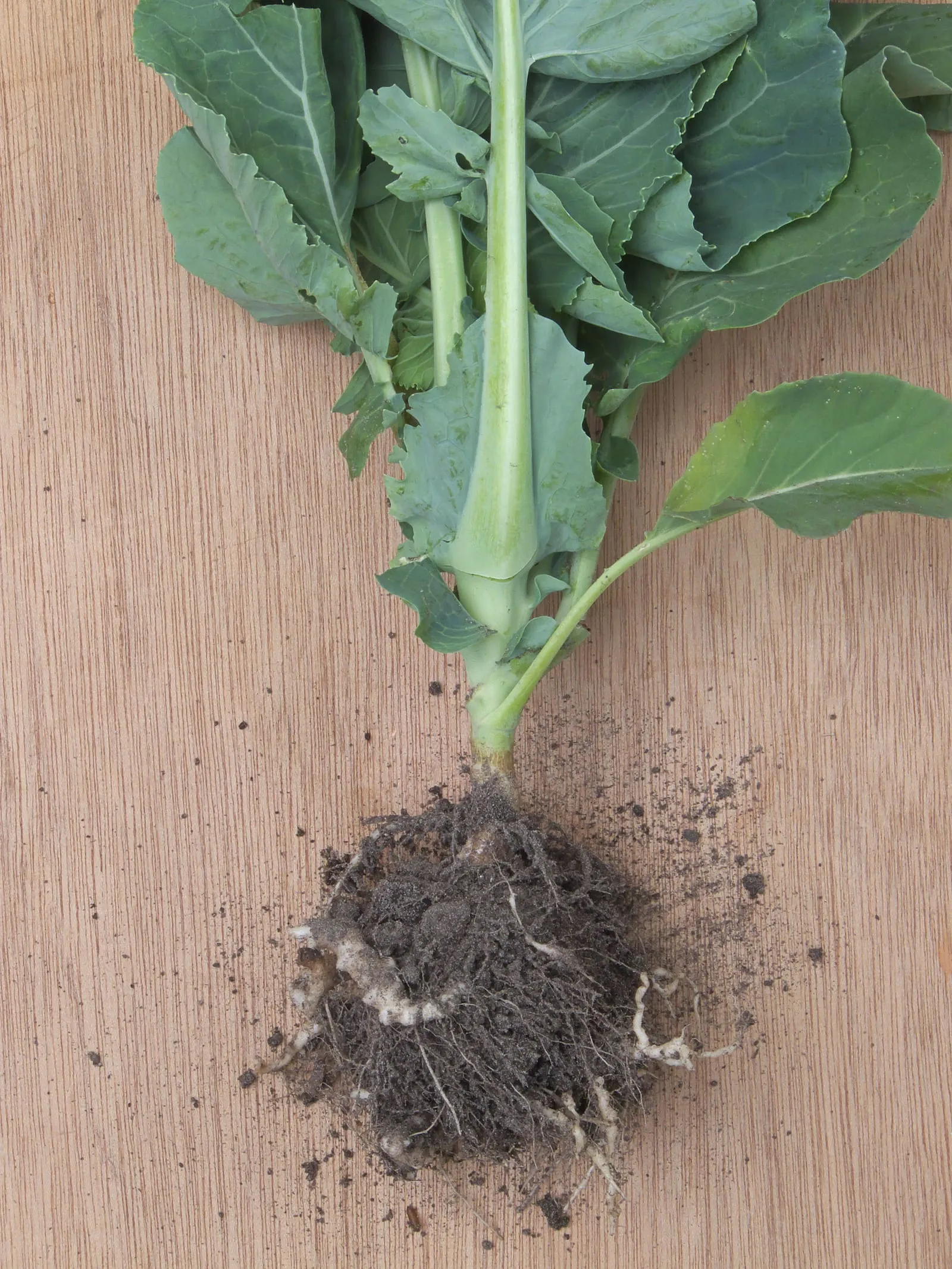
Clubroot (Plasmodiophora brassicae) is the primary disease risk for kohlrabi in zone 6a, particularly in plots with a history of brassica production. The pathogen persists in soil for 15 to 20 years, making prevention more practical than treatment. A 4-year rotation away from all brassicas and maintaining soil pH at or above 7.0 are the standard controls; lime applied before planting both raises pH and improves calcium availability. Avoid moving soil or transplants from beds with a clubroot history.
Japanese beetles cause foliar damage from late June through August, overlapping with fall-planting establishment. Floating row covers provide reliable protection during peak beetle pressure without chemical inputs.
Zone 6a growers do not generally need shade structures if planting timing is managed. The more common error is leaving bulbs in the ground too long: kohlrabi harvested between golf-ball and tennis-ball size has the best texture; anything left past 3 inches in diameter during warm weather turns fibrous. Fall-planted crops tend to produce more consistent texture than late spring plantings that catch early summer heat.
Kohlrabi in adjacent zones
Image: "Brassica oleracea var. gongylodes Oktober 2011", by 4028mdk09, via Wikimedia Commons, licensed under CC-BY Source.

Related