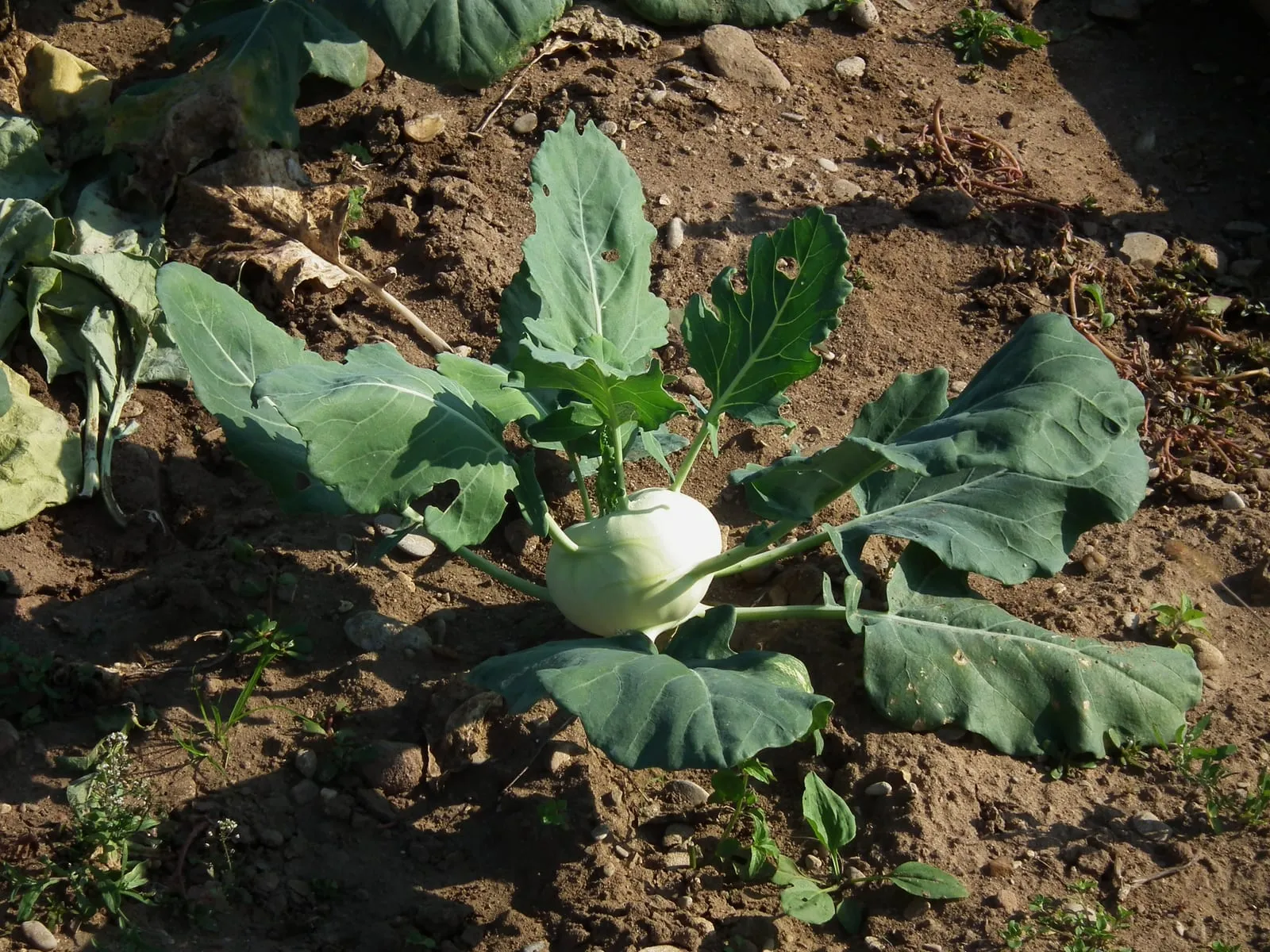
vegetable in zone 6b
Growing kohlrabi in zone 6b
Brassica oleracea var. gongylodes
- Zone
- 6b -5°F to 0°F
- Growing season
- 190 days
- Suitable varieties
- 3
- Days to harvest
- 50 to 65
The verdict
Kohlrabi is a cool-season brassica and does not require chilling hours the way fruit trees do, so the chill-hour question is not the right frame here. The more relevant metric is whether the zone reliably delivers cool soil and air temperatures at the right points in the season. Zone 6b does this consistently. Soil temperatures for germination fall between 45 and 85°F, a range zone 6b hits dependably from late March through May and again from late July through September.
The 190-day growing season supports two full crops annually, spring and fall. Winter minimums of -5 to 0°F are irrelevant to kohlrabi production since the crop is grown entirely within the frost-free window. All three compatible varieties, Early White Vienna, Purple Vienna, and Kossak, perform well in zone 6b conditions. Kossak, which develops larger bulbs and benefits from extended cool weather, is particularly well-suited to the long falls zone 6b typically provides. This is a reliable producer zone for kohlrabi, not a marginal one.
Recommended varieties for zone 6b
3 cultivars suited to this zone, with disease-resistance and zone-fit annotations.
| Variety | Notes | Zone fit | Disease resistance |
|---|---|---|---|
| Early White Vienna fits zone 6b | Sweet, crisp, mildly cabbage-flavored; pale green-white globe stem. Fresh sliced raw, slaw, roasting, soups. Tender when picked young (2-3 inch globes). | | none noted |
| Purple Vienna fits zone 6b | Sweet, crisp, mild brassica notes; deep purple skin with white flesh. Fresh, slaw, roasting. Ornamental and productive heritage variety. | | none noted |
| Kossak fits zone 6b | Sweet, juicy, surprisingly tender for its size; large storage kohlrabi (8-10 inch). Roasting, soup, storage. Holds quality unlike most large-bulb varieties which woody up. | | none noted |
Critical timing for zone 6b
Kohlrabi is harvested as a swollen stem base before the plant bolts and flowers, so bloom timing is not the central scheduling concern. Days to harvest range from 45 to 60 days depending on variety. In zone 6b, the last spring frost typically falls between April 15 and May 1. Spring transplants can go out 4 to 6 weeks before last frost, in late March to mid-April, targeting a May to early June harvest. Temperatures consistently above 75°F accelerate bolting, so spring crops should be out of the ground before mid-June.
Fall plantings timed 8 to 10 weeks before the first fall frost, which in zone 6b typically arrives between October 15 and 31, produce reliably sweet bulbs. A light frost concentrates sugars in the stem, making the fall planting window the higher-quality of the two crops.
Common challenges in zone 6b
- ▸ Cedar-apple rust
- ▸ Fire blight
- ▸ Stink bugs
Disease pressure to watch for
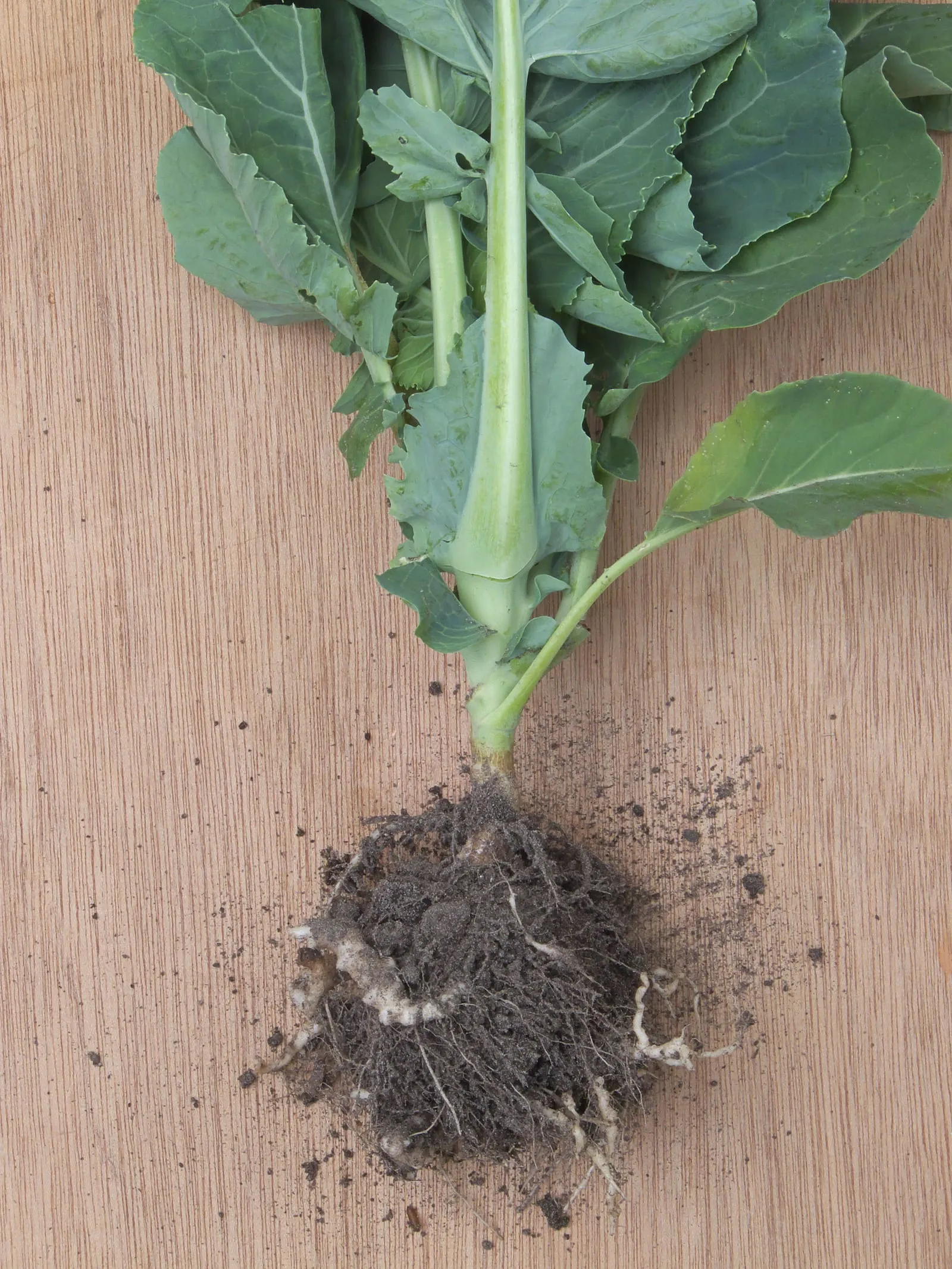
Modified care for zone 6b
Clubroot is the primary disease risk for brassicas in zone 6b. The soilborne pathogen can persist for up to 20 years, so crop rotation is the most durable management tool available. Returning brassicas to the same bed more than once every three to four years invites buildup. Raising soil pH to 7.0 or above through lime application suppresses infection pressure, though it does not eliminate it. Poorly drained, low-lying beds accumulate spore concentrations and should be avoided.
Stink bugs are an active pest concern in zone 6b across late summer and fall, coinciding with the fall kohlrabi window. Row cover over fall plantings provides practical protection without meaningful yield cost. In early spring, lightweight frost cloth can extend the planting window by two to three weeks, allowing transplants to go out earlier than bare-ground conditions would otherwise permit.
Kohlrabi in adjacent zones
Image: "Brassica oleracea var. gongylodes Oktober 2011", by 4028mdk09, via Wikimedia Commons, licensed under CC-BY Source.

Related