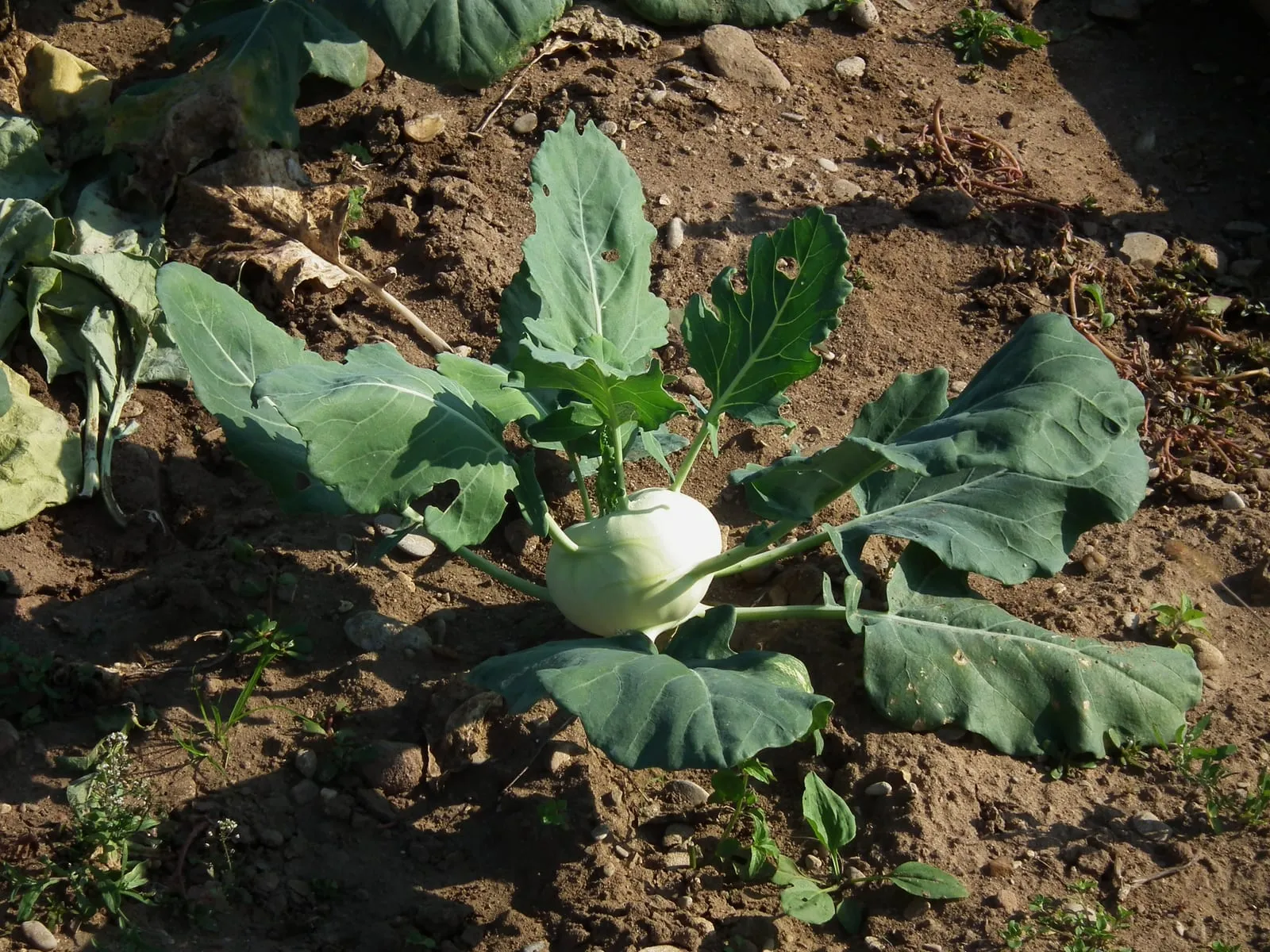
vegetable in zone 7a
Growing kohlrabi in zone 7a
Brassica oleracea var. gongylodes
- Zone
- 7a 0°F to 5°F
- Growing season
- 210 days
- Suitable varieties
- 3
- Days to harvest
- 50 to 65
The verdict
Kohlrabi is a cool-season brassica that performs reliably in zone 7a. Unlike fruit crops, kohlrabi has no chill-hour requirement; suitability is governed by temperature windows rather than winter cold accumulation. Zone 7a's minimum temperatures (0 to 5°F) create no dormancy concern for a crop grown and harvested well outside hard-freeze periods.
The 210-day growing season gives zone 7a growers more flexibility than cooler zones. Two full plantings are realistic: a spring crop started ahead of the last frost and a fall crop timed to mature before temperatures drop below 25°F. Neither window is particularly tight; zone 7a's shoulder seasons are long enough to allow some scheduling flexibility.
Zone 7a is not a marginal zone for kohlrabi. It sits comfortably within the crop's preferred range. The main constraint is summer heat, which drives bolting and bitterness if a spring planting runs too late or a fall planting starts too early. Timing matters more here than in cooler zones, but the crop itself is well-matched to the climate.
Recommended varieties for zone 7a
3 cultivars suited to this zone, with disease-resistance and zone-fit annotations.
| Variety | Notes | Zone fit | Disease resistance |
|---|---|---|---|
| Early White Vienna fits zone 7a | Sweet, crisp, mildly cabbage-flavored; pale green-white globe stem. Fresh sliced raw, slaw, roasting, soups. Tender when picked young (2-3 inch globes). | | none noted |
| Purple Vienna fits zone 7a | Sweet, crisp, mild brassica notes; deep purple skin with white flesh. Fresh, slaw, roasting. Ornamental and productive heritage variety. | | none noted |
| Kossak fits zone 7a | Sweet, juicy, surprisingly tender for its size; large storage kohlrabi (8-10 inch). Roasting, soup, storage. Holds quality unlike most large-bulb varieties which woody up. | | none noted |
Critical timing for zone 7a
Kohlrabi is harvested before it bolts, so the relevant timing target is stem maturation rather than flowering. Days to harvest run 45 to 60 days depending on variety.
For spring plantings in zone 7a, direct sow or transplant 4 to 6 weeks before the last expected frost, typically late February through early March. Harvest wraps up by late April to mid-May, before daytime temperatures push consistently above 75°F and bolting pressure rises.
Fall plantings are often more productive in zone 7a. Count back 60 days from the first expected fall frost (mid-October to early November across most of zone 7a) and sow in late August. Cooler, shortening days slow growth slightly but improve flavor and reduce bolting risk. Harvest runs through October and into early November for late-sown rows.
Common challenges in zone 7a
- ▸ Cedar-apple rust
- ▸ Brown rot
- ▸ Fire blight
- ▸ High humidity disease pressure
Disease pressure to watch for
Modified care for zone 7a
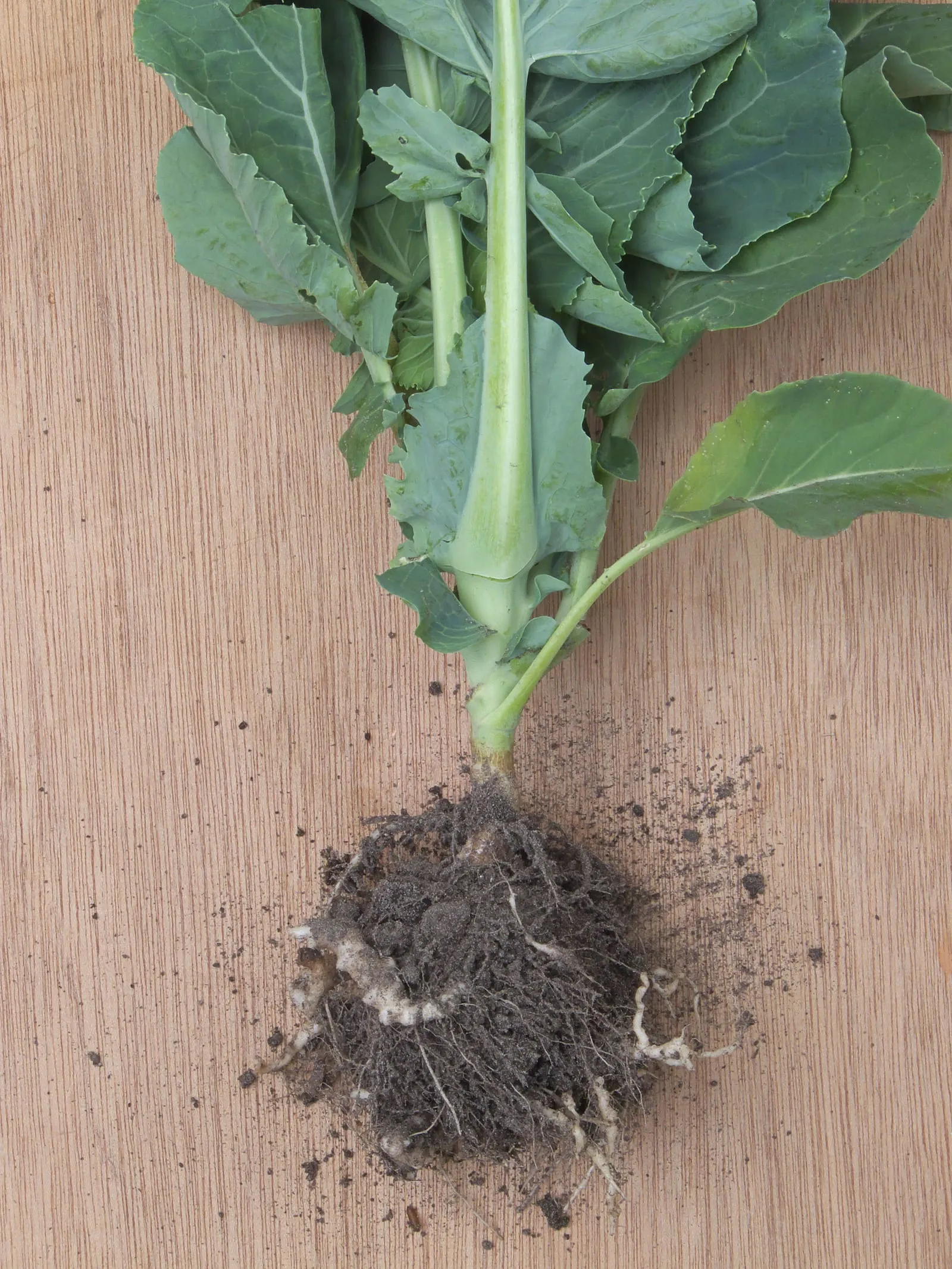
The primary disease concern for kohlrabi in zone 7a is clubroot, a soilborne pathogen that thrives in acidic, waterlogged conditions. Zone 7a's high humidity and warm shoulder seasons create favorable conditions for clubroot establishment. Maintaining soil pH above 7.0 through lime amendments reduces infection pressure meaningfully; test soil before each planting cycle rather than assuming the amendment holds.
Crop rotation is essential. Avoid replanting brassicas in the same bed within three years. In zone 7a's wet springs, raised beds or ridged rows improve drainage and reduce the waterlogged conditions clubroot requires.
Summer heat shortens the spring harvest window compared to cooler zones. Row covers are useful for early spring plantings if a late frost threatens young transplants, but remove them once daytime temperatures are consistently above 60°F to prevent heat stress. No winter protection is needed during the crop's active growing season; zone 7a temperatures are not a threat during fall harvest.
Kohlrabi in adjacent zones
Image: "Brassica oleracea var. gongylodes Oktober 2011", by 4028mdk09, via Wikimedia Commons, licensed under CC-BY Source.

Related