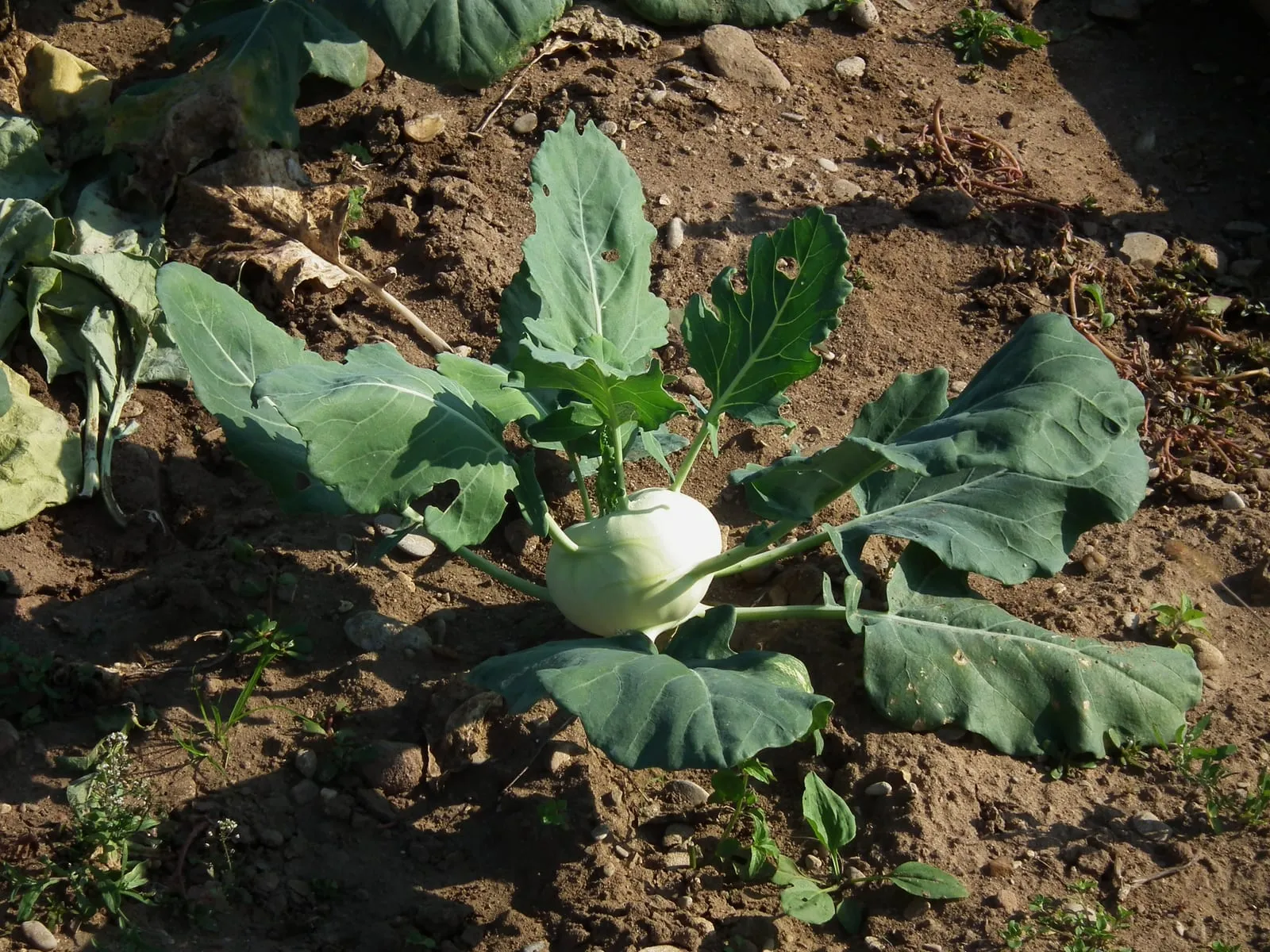
vegetable in zone 7b
Growing kohlrabi in zone 7b
Brassica oleracea var. gongylodes
- Zone
- 7b 5°F to 10°F
- Growing season
- 220 days
- Suitable varieties
- 2
- Days to harvest
- 50 to 65
The verdict
Kohlrabi is an annual brassica with no chill-hour requirement, so zone 7b's winter minimum temperatures (5 to 10°F) are not the limiting factor. What matters is temperature timing across the growing season. Kohlrabi performs best between 45°F and 75°F and bolts or turns pithy when sustained heat arrives. Zone 7b's 220-day season accommodates two solid cropping windows (spring and fall), which makes this a productive zone for kohlrabi when timing is managed carefully.
The hot piedmont summers that run from June through August are the real constraint. Attempting to carry kohlrabi through that period produces bolted, fibrous bulbs. Growers who concentrate on the spring and fall windows get good results with both Early White Vienna and Purple Vienna, the two varieties best suited to this region. Zone 7b is not marginal for kohlrabi; it rewards those who respect the crop's temperature preferences rather than treating it as a warm-season vegetable.
Recommended varieties for zone 7b
2 cultivars suited to this zone, with disease-resistance and zone-fit annotations.
| Variety | Notes | Zone fit | Disease resistance |
|---|---|---|---|
| Early White Vienna fits zone 7b | Sweet, crisp, mildly cabbage-flavored; pale green-white globe stem. Fresh sliced raw, slaw, roasting, soups. Tender when picked young (2-3 inch globes). | | none noted |
| Purple Vienna fits zone 7b | Sweet, crisp, mild brassica notes; deep purple skin with white flesh. Fresh, slaw, roasting. Ornamental and productive heritage variety. | | none noted |
Critical timing for zone 7b
In zone 7b, the last spring frost falls roughly in the final week of March to the first week of April. Kohlrabi seed can go into the ground 4 to 6 weeks before that date, in late February or early March. At 45 to 60 days to maturity, spring crops typically reach harvest in April and May, before summer heat sets in.
Fall is the more reliable of the two windows. Seed sown in late August, 10 to 12 weeks before the first fall frost (typically early to mid-November in zone 7b), yields harvest that runs through October and into November. Kohlrabi tolerates light frost, and a brief dip into the upper 20s can sweeten the bulb. A hard freeze below 28°F will damage exposed tissue. Bolting is the signal that the spring planting window has closed; frost is rarely the limiting factor in fall.
Common challenges in zone 7b
- ▸ Cedar-apple rust pressure heavy in piedmont
- ▸ Japanese beetles
- ▸ Brown marmorated stink bug
- ▸ Late summer disease pressure
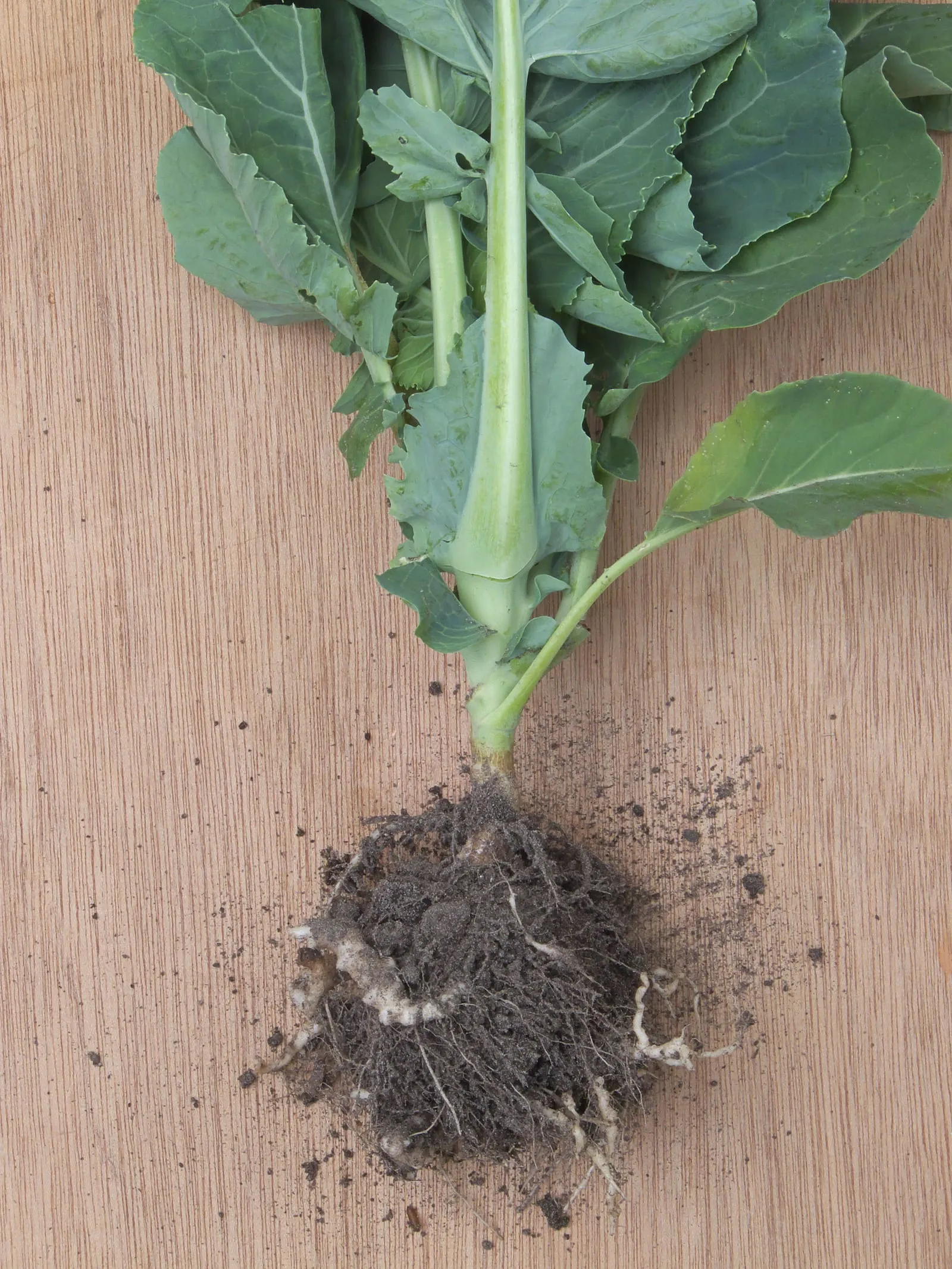
Disease pressure to watch for
Modified care for zone 7b
The primary management adjustment in zone 7b is avoiding the summer gap entirely. Kohlrabi planted between late May and late July will bolt or produce unusable bulbs in the piedmont heat. This is not a technique failure; it is simply the wrong time of year for the crop in this climate.
Clubroot deserves attention in soils that have grown brassicas repeatedly. The pathogen persists for 20 or more years, so rotation alone is not sufficient once it establishes. Liming to raise soil pH above 7.0 significantly reduces spore germination, and a soil test before each planting is worth the time. Row covers at transplanting or direct seeding deter imported cabbageworm and reduce exposure to brown marmorated stink bug, which is a persistent pest across zone 7b. Japanese beetles are less of a concern for kohlrabi specifically, since their feeding pressure tends to favor foliage on taller plants.
Frequently asked questions
- Can kohlrabi grow through summer in zone 7b?
No. Zone 7b summers consistently push past 80°F for weeks at a time, causing kohlrabi to bolt and produce tough, fibrous bulbs. Spring (late February to early March planting) and fall (mid to late August planting) are the viable windows.
- How do I prevent clubroot in kohlrabi beds?
Raise soil pH to 7.0 or above with agricultural lime, which inhibits clubroot spore germination. Rotate brassicas to a different bed each season and avoid introducing soil from areas with known infection. Once established, the pathogen can persist for two decades or more.
- Will kohlrabi survive fall frost in zone 7b?
Light frost in the upper 20s to low 30s is tolerable and can improve flavor. A hard freeze below 28°F will damage the bulb. Fall crops in zone 7b are typically harvested through October and early November, before hard freezes arrive.
+−
+−
+−
Kohlrabi in adjacent zones
Image: "Brassica oleracea var. gongylodes Oktober 2011", by 4028mdk09, via Wikimedia Commons, licensed under CC-BY Source.

Related