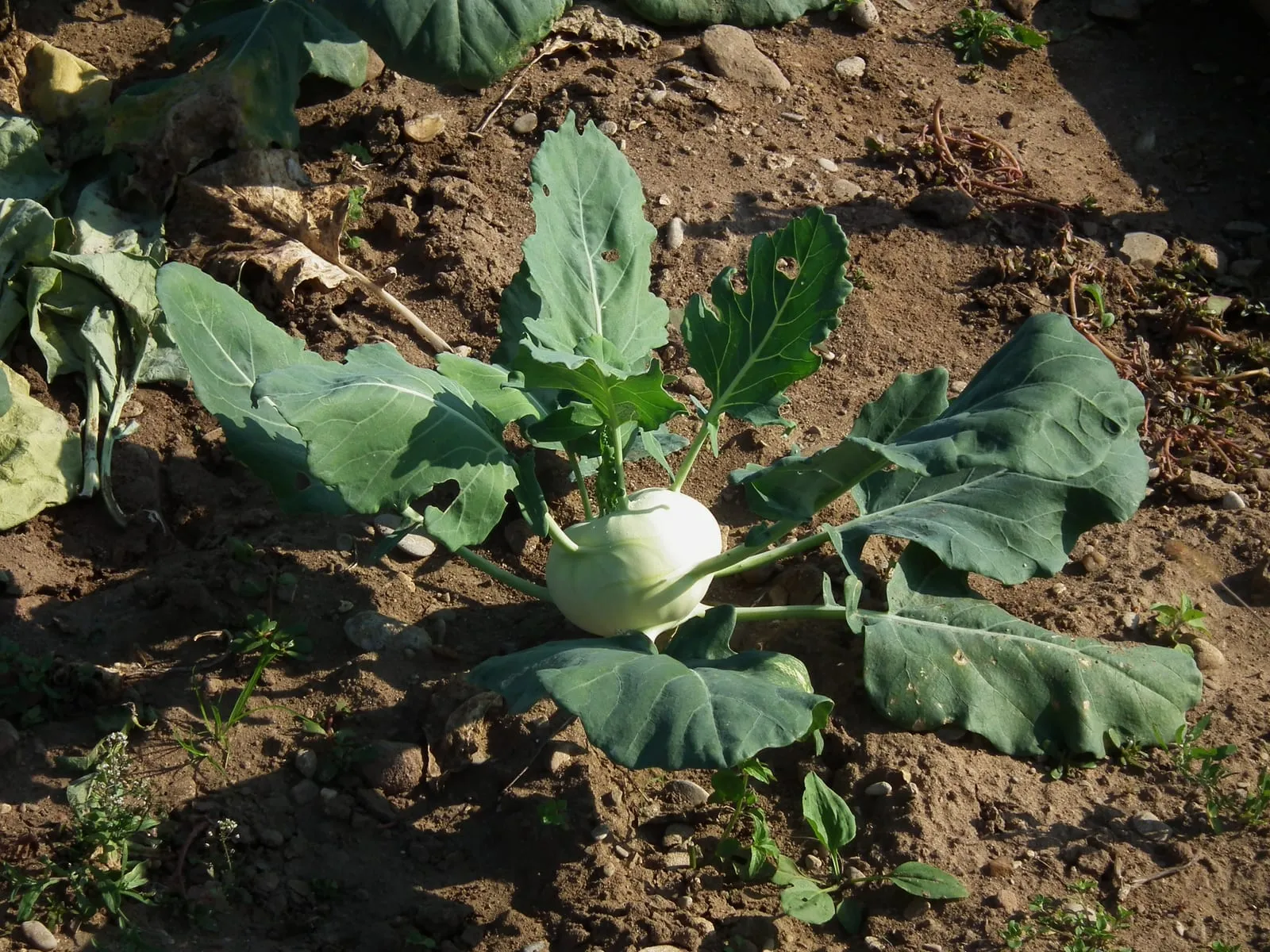
vegetable in zone 8a
Growing kohlrabi in zone 8a
Brassica oleracea var. gongylodes
- Zone
- 8a 10°F to 15°F
- Growing season
- 240 days
- Suitable varieties
- 0
- Days to harvest
- 50 to 65
The verdict
Kohlrabi is a cool-season brassica with no chill-hour requirement, so zone 8a's minimum winter temperatures (10 to 15°F) are not a limiting factor. The real constraint is summer heat. Kohlrabi grows best when daytime temperatures stay below about 75°F; above that threshold, plants bolt prematurely and the swollen stem turns woody and fibrous rather than tender.
With a 240-day growing season, zone 8a provides time for two distinct kohlrabi crops: a fall planting and an early spring planting, both timed to mature before or after the hot months. This is not a marginal zone for kohlrabi, but it is not the sweet spot either. Zones 5 through 7 offer longer cool windows that make spring plantings more forgiving. In zone 8a, the fall crop is typically the more reliable of the two, benefiting from warm soil for rapid germination and cooling air temperatures through the harvest window.
Critical timing for zone 8a
Kohlrabi is harvested at the swollen stem stage, well before the plant bolts and flowers. In zone 8a, the fall planting window opens in late August through mid-September, targeting harvest in October and November, before hard freezes arrive (typically late November to December in most of zone 8a). Spring plantings go in January through February, aiming to harvest before daytime highs climb consistently above 75°F in late April or May.
Direct sowing is standard practice; transplants work but the short optimal windows make timing tight either way. If plants bolt before harvest, the stem turns tough and the growing cycle is effectively over. Zone 8a's mild winters mean September-sown plants can sometimes persist into December with minimal frost protection, extending the fall harvest window.
Common challenges in zone 8a
- ▸ Insufficient chill hours for some apple varieties
- ▸ Pierce's disease in grapes
- ▸ Heat stress on cool-season crops
Disease pressure to watch for
Modified care for zone 8a
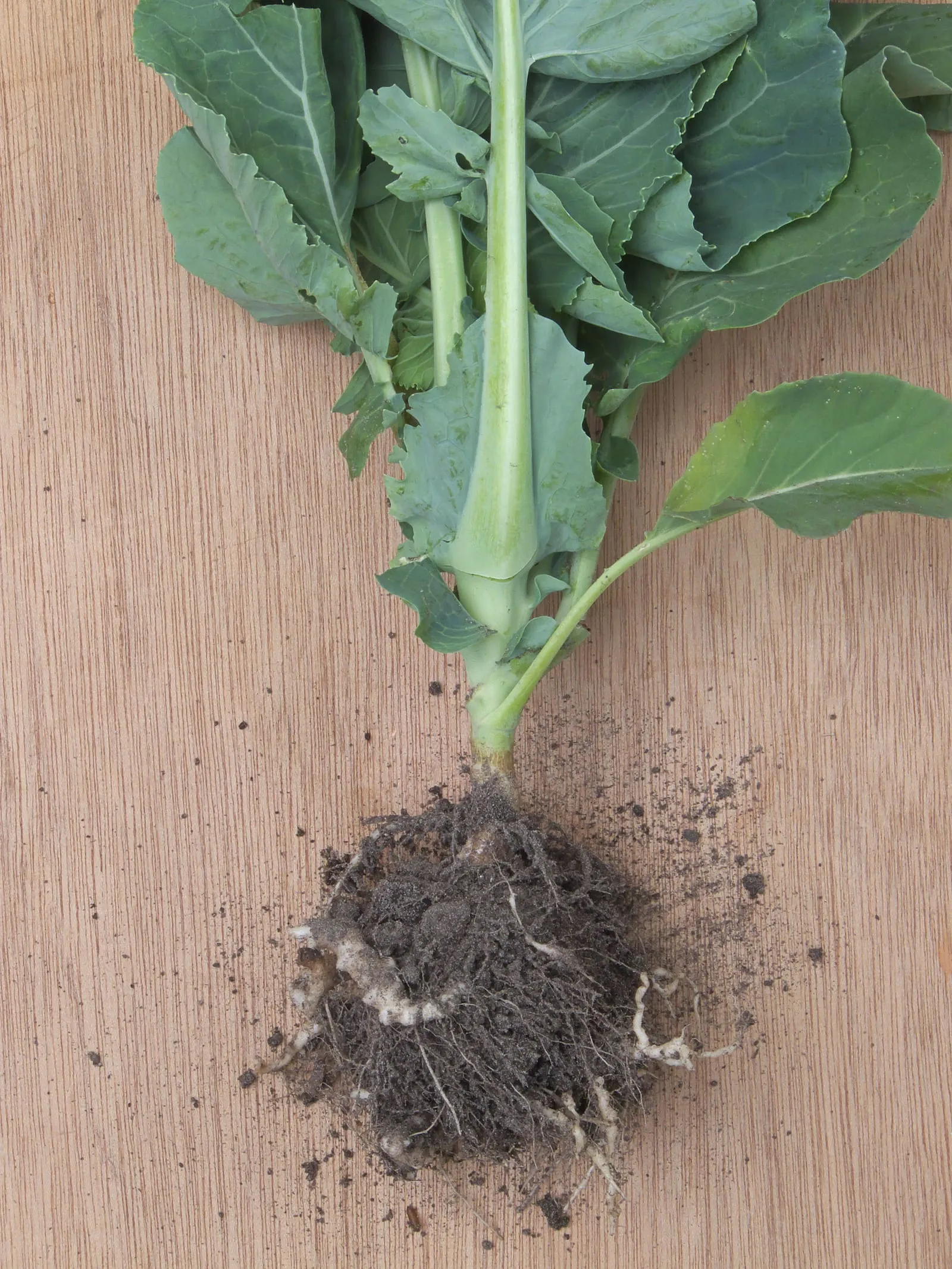
Clubroot (caused by Plasmodiophora brassicae) is the primary disease concern for kohlrabi in zone 8a. The pathogen persists in soil for a decade or more and thrives in acidic, moist conditions. Raising soil pH to 7.0 or above through lime application meaningfully reduces infection pressure; this is particularly relevant in the Southeast, where soils tend toward acidity. Rotating brassicas with unrelated crops for at least three years between plantings is essential.
Heat management matters more in zone 8a than in cooler regions. For spring crops, planting through 30% shade cloth can extend the viable window by a week or two, though simply shifting emphasis to the fall planting is usually more practical. Consistent soil moisture is harder to maintain in warm climates with higher evaporation rates; a 2 to 3 inch layer of mulch helps buffer soil temperature and retain water through both cool-season windows.
Frequently asked questions
- Can kohlrabi be grown in summer in zone 8a?
No. Summer heat causes kohlrabi to bolt quickly, producing tough, fibrous stems rather than the tender swollen base that makes the crop worth growing. June through August planting is not viable in zone 8a. Stick to fall and early spring windows.
- Which planting window is more reliable in zone 8a, spring or fall?
Fall is generally more reliable. The spring window is tight because warming temperatures arrive quickly, while the fall window benefits from warm soil for germination followed by a long, gradual cooling period that gives plants time to develop without bolting pressure.
- How do I manage clubroot in my brassica beds?
Lime the soil to pH 7.0 or above before planting, rotate brassicas out of affected beds for at least three years, and avoid moving soil between beds. There are no widely available resistant kohlrabi varieties, so cultural controls are the primary line of defense.
- How large should kohlrabi stems be at harvest in zone 8a?
Harvest when stems reach 2 to 3 inches in diameter. In zone 8a's variable temperatures, monitor closely rather than going by days to maturity alone. Larger stems are more likely to be woody, especially if a warm spell occurred during development.
+−
+−
+−
+−
Kohlrabi in adjacent zones
Image: "Brassica oleracea var. gongylodes Oktober 2011", by 4028mdk09, via Wikimedia Commons, licensed under CC-BY Source.

Related