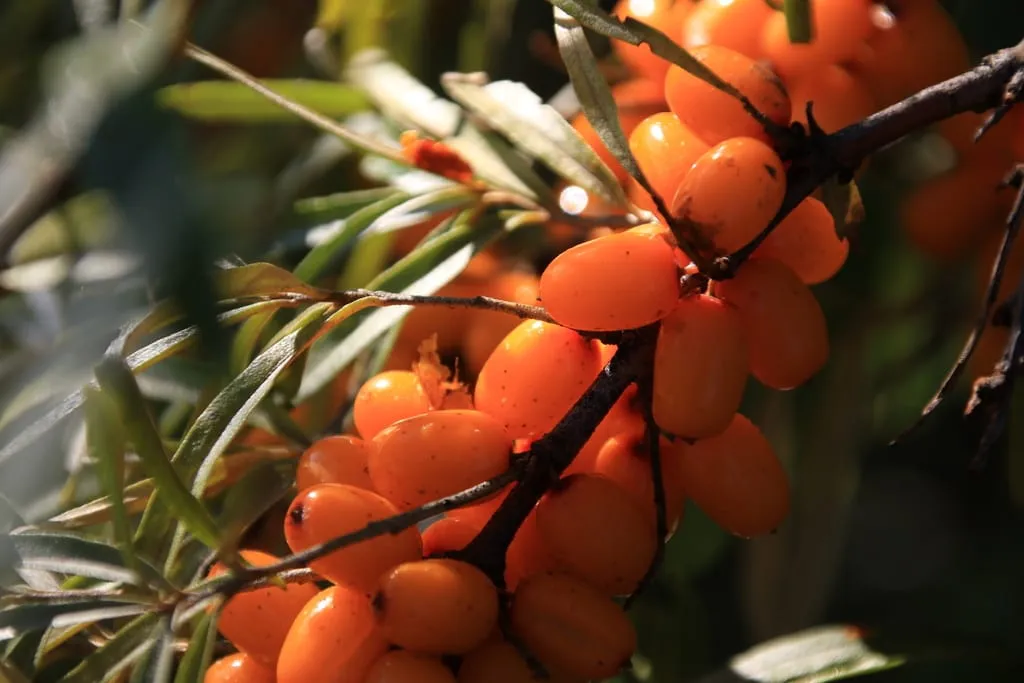
berry in zone 6a
Growing sea buckthorn in zone 6a
Hippophae rhamnoides
- Zone
- 6a -10°F to -5°F
- Growing season
- 180 days
- Suitable varieties
- 4
- Days to harvest
- 100 to 130
The verdict
Zone 6a is well within sea buckthorn's natural comfort range, not a marginal case. The shrub originates in Siberian and Central Asian steppe environments and tolerates established-plant winter lows near -40°F, making the zone's -10 to -5°F minimum temperatures a non-issue. The more relevant question for this crop is chill-hour supply, and zone 6a delivers reliably. Sea buckthorn requires consistent chilling to break dormancy properly; zone 6a winters consistently accumulate well above 1,000 hours below 45°F, satisfying that requirement with room to spare. The 180-day growing season is adequate for berries to reach full maturity before first fall frost. The varieties suited to this zone, including Botanica, Frugana, and Garden's Gift (with Romeo as the male pollinator), are selected for performance across wide continental-climate conditions. One factor that can limit sea buckthorn more than cold is summer heat stress. Zone 6a summers are generally moderate enough to stay below that threshold, giving the crop favorable conditions on both ends of the season.
Recommended varieties for zone 6a
4 cultivars suited to this zone, with disease-resistance and zone-fit annotations.
| Variety | Notes | Zone fit | Disease resistance |
|---|---|---|---|
| Botanica fits zone 6a | Tart, bracingly acidic, complex citrus-passionfruit-pineapple flavor; juice, jam, syrup, oil. Russian-bred female with high yields. Requires a male pollinator (one male per 6-8 females). | | none noted |
| Frugana fits zone 6a | Tart, juicy, large bright-orange berries; processing, oil extraction. German-bred female productive with reduced thorns compared to wild stock. | | none noted |
| Garden's Gift fits zone 6a | Tart, large vibrant orange berries; juice and jam. Russian female with concentrated cluster, easier handharvest. Pair with male pollinator. | | none noted |
| Romeo (male) fits zone 6a | Pollinator only, no fruit; provides pollen for female cultivars. Plant one male per 6-8 females. Vigorous nitrogen-fixing shrub useful as windbreak. | | none noted |
Critical timing for zone 6a
Sea buckthorn flowers before it leafs out, typically in late March to early April in zone 6a. The small, inconspicuous flowers are wind-pollinated and appear while overnight temperatures can still drop below freezing, but the blooms tolerate light frost considerably better than stone fruit blossoms. Zone 6a's average last spring frost falls between April 15 and April 30, meaning frost occasionally overlaps with peak bloom. Significant crop loss from late frost is uncommon because the bloom window is brief and the flowers are cold-tolerant. Berries reach full color and sugar in August through September. The fruit clings tightly to thorny branches well past the first fall frost, and harvesting after a hard freeze in late October, when berries are somewhat softer and less astringent, is a practical option in this zone.
Common challenges in zone 6a
- ▸ Brown rot in stone fruit
- ▸ Japanese beetles
- ▸ Spring frost damage to peach buds
Modified care for zone 6a
Established sea buckthorn needs no supplemental winter protection in zone 6a; it is substantially hardier than the zone demands. The primary care adjustment here is drainage. Sea buckthorn is notably susceptible to Phytophthora root rot in saturated soils, and zone 6a's precipitation levels are higher than the crop's native steppe habitat. Raised planting rows or berms are worth the setup effort, particularly in heavier clay soils. Japanese beetles, a documented pressure in this zone, will feed on sea buckthorn foliage during their peak flight from late June through July. Established shrubs tolerate moderate defoliation without lasting damage; targeted mechanical removal or a single timed treatment during peak emergence is usually sufficient. One additional note: sea buckthorn fixes its own nitrogen through actinomycete root associations. Adding nitrogen fertilizer encourages excess vegetative growth and tends to increase aphid pressure without improving fruit production.
Frequently asked questions
- Does sea buckthorn need a male plant to produce berries in zone 6a?
Yes. Sea buckthorn is dioecious, meaning male and female flowers grow on separate plants. One male, such as Romeo, can pollinate four to eight females within roughly 60 feet, relying on wind for pollen transfer. Without a male nearby, female plants will not set fruit.
- How long after planting does sea buckthorn begin fruiting in zone 6a?
Most grafted or named-variety plants produce their first modest crop in year two or three. Full production typically develops by year four or five. Bare-root seedlings take longer and their fruit quality is variable; named varieties are the better choice for a reliable harvest.
- Will sea buckthorn spread aggressively in a zone 6a garden?
It can. Sea buckthorn spreads by root suckers and can colonize an area over several seasons if left unmanaged. Mowing the perimeter of the planting or removing suckers annually keeps spread in check. The nitrogen-fixing root system also improves surrounding soil, which can benefit neighboring plants.
+−
+−
+−
Sea Buckthorn in adjacent zones
Image: "Облепиха", by Нурхайдарова Татьяна, via iNaturalist, licensed under CC-BY Source.
Related