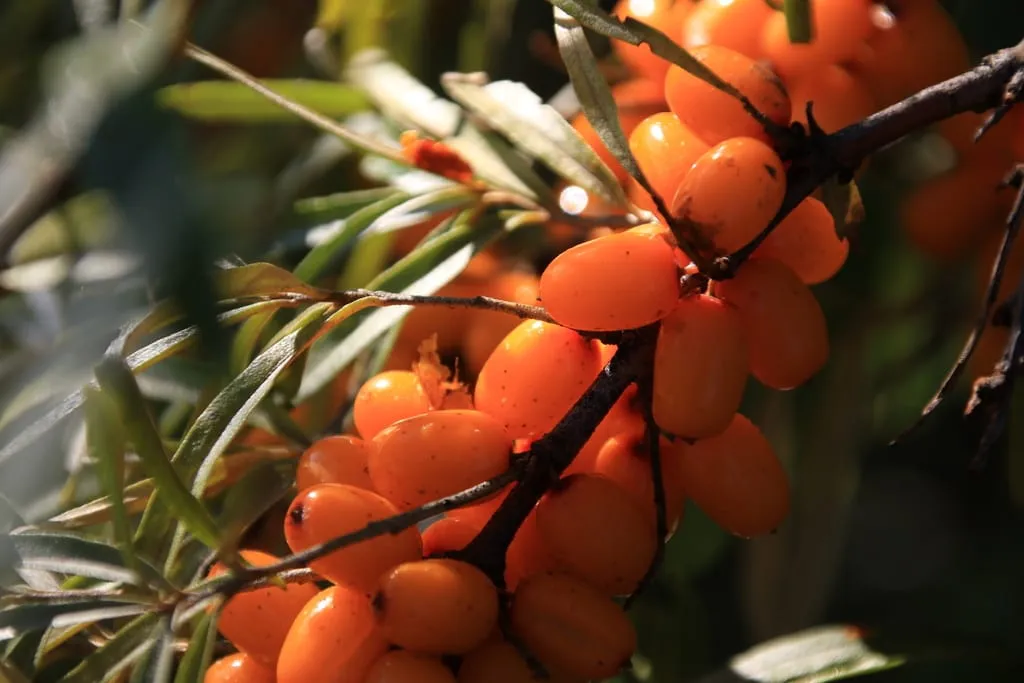
berry in zone 6b
Growing sea buckthorn in zone 6b
Hippophae rhamnoides
- Zone
- 6b -5°F to 0°F
- Growing season
- 190 days
- Suitable varieties
- 1
- Days to harvest
- 100 to 130
The verdict
Zone 6b sits at the warm edge of sea buckthorn's comfortable range. This species is native to cold continental climates across Central Asia and Europe, with hardiness extending to zone 3, so the minimum winter temperatures of -5°F to 0°F in zone 6b present no cold-hardiness problem. The concern runs the other direction: summer heat and humidity are more likely to limit performance here than winter cold.
Sea buckthorn does not have a formally documented chill-hour requirement the way stone fruits do, but it evolved in climates with long, cold winters. The 190-day growing season in zone 6b is sufficient for fruit maturation, and winter dormancy is adequate. Botanica, the variety documented as compatible here, was developed in Germany and performs reasonably in temperate climates, though it is better adapted to zones 4 and 5 than to the warmer reaches of zone 6. Growers in the cooler, higher-elevation portions of zone 6b will see better results than those in low, humid valleys.
Recommended varieties for zone 6b
1 cultivar suited to this zone, with disease-resistance and zone-fit annotations.
| Variety | Notes | Zone fit | Disease resistance |
|---|---|---|---|
| Botanica fits zone 6b | Tart, bracingly acidic, complex citrus-passionfruit-pineapple flavor; juice, jam, syrup, oil. Russian-bred female with high yields. Requires a male pollinator (one male per 6-8 females). | | none noted |
Critical timing for zone 6b
Sea buckthorn blooms early, typically in March or the first half of April in zone 6b, before the leaves emerge. Because last frost dates in zone 6b fall between late March and mid-April depending on location, late frost events can damage open flowers. Bloom timing varies by microclimate; sites with good air drainage and southern or eastern aspects tend to push bloom a bit earlier and carry more frost risk.
Harvest falls in late summer to early fall, generally August through October. The berries soften and develop full flavor after the first light frosts, which makes timing the pick tricky: too early and flavor is underdeveloped; too late and the fruit becomes difficult to separate from the thorny branches. Mechanical harvesting by freezing branches is the standard approach for larger plantings.
Common challenges in zone 6b
- ▸ Cedar-apple rust
- ▸ Fire blight
- ▸ Stink bugs
Modified care for zone 6b
The primary adaptation for zone 6b is managing summer stress rather than winter cold. Sea buckthorn tolerates poor, dry, well-drained soils and actually performs worse in rich, moist conditions, so avoiding heavy clay or low-lying sites with poor drainage matters more here than in colder zones.
Cedar-apple rust and fire blight, common zone-wide pressures, do not significantly affect sea buckthorn since it belongs to Elaeagnaceae, not Rosaceae. Stink bugs, however, will target the ripe berries in late summer and warrant monitoring as harvest approaches. Row covers or netting near harvest time are practical deterrents.
Botanica requires a male pollinator plant nearby for fruit set; planting at least one male for every six to eight females is the standard ratio. In zone 6b's longer, warmer summers, irrigation during extended dry spells in July and August can prevent early berry drop on stressed plants.
Frequently asked questions
- Is zone 6b too warm for sea buckthorn?
Zone 6b is at the warmer margin of sea buckthorn's preferred range. The crop will grow and fruit, but performance is generally better in zones 3 through 5. Growers in cooler, higher-elevation parts of zone 6b, or those with well-drained, sandy soils, tend to see the best results.
- Does sea buckthorn need a pollinator in zone 6b?
Yes. Sea buckthorn is dioecious, meaning male and female flowers grow on separate plants. Without a male plant within about 200 feet, female plants will not set fruit. The typical planting ratio is one male for every six to eight females.
- When do sea buckthorn berries ripen in zone 6b?
Berries mature from August through October in zone 6b, depending on variety and site. Flavor peaks after the first light frosts of fall. Many growers wait for a frost before harvesting because the cold loosens the fruit and improves sweetness.
- Will sea buckthorn get fire blight in zone 6b?
No. Fire blight is caused by the bacterium Erwinia amylovora and affects plants in the rose family (Rosaceae). Sea buckthorn belongs to Elaeagnaceae and is not susceptible to fire blight, even in zones where the disease is common.
+−
+−
+−
+−
Sea Buckthorn in adjacent zones
Image: "Облепиха", by Нурхайдарова Татьяна, via iNaturalist, licensed under CC-BY Source.
Related