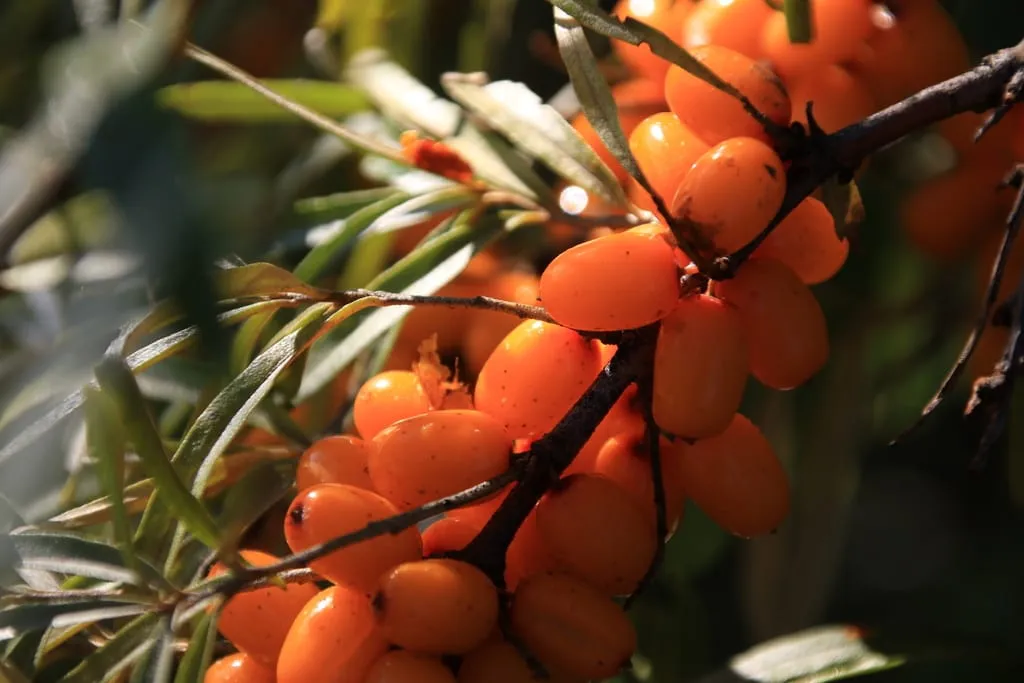
berry in zone 7a
Growing sea buckthorn in zone 7a
Hippophae rhamnoides
- Zone
- 7a 0°F to 5°F
- Growing season
- 210 days
- Suitable varieties
- 0
- Days to harvest
- 100 to 130
The verdict
Zone 7a sits at the warm edge of sea buckthorn's reliable range. The crop is native to cool, continental climates and performs best in zones 3 through 6, where winters are cold and summers are relatively dry. The minimum winter temperatures in zone 7a (0°F to 5°F) are cold enough to satisfy dormancy requirements, and chill-hour accumulation typically runs 600 to 900 hours depending on elevation and local microclimate, which meets the 600-hour threshold most cultivars require.
What makes zone 7a marginal is summer: extended heat and high humidity stress sea buckthorn in ways it was not bred to handle. Plants can survive and fruit in zone 7a, but expect reduced long-term vigor and a shorter productive lifespan compared to crops grown in zones 4 through 6. This is not an ideal zone, but it is workable with site selection and management adjustments. Elevated sites with good air circulation, sandy or gravelly soils, and reliable drainage consistently outperform low-lying, humid locations.
Critical timing for zone 7a
Sea buckthorn blooms early, before leaves emerge, typically from late February through late March in zone 7a. This window overlaps with the zone's average last frost, which falls between mid-March and mid-April depending on local topography. Open flowers are susceptible to temperatures below 28°F, so growers in low spots or frost pockets should anticipate occasional partial crop losses in late-frost years.
Fruit ripens from late July through September. Orange-fruited cultivars tend to mature earlier; yellow-fruited types can extend into September. In zone 7a's summer heat, ripe berries deteriorate and drop quickly, so harvest timing is not forgiving. Monitoring fruit color and firmness closely in August is more important here than in cooler zones.
Common challenges in zone 7a
- ▸ Cedar-apple rust
- ▸ Brown rot
- ▸ Fire blight
- ▸ High humidity disease pressure
Modified care for zone 7a
Site selection matters more in zone 7a than in any other management decision. Sea buckthorn requires full sun with good airflow to manage the fungal pressure that comes with zone 7a's high humidity. Sandy or gravelly, well-drained soil is strongly preferred; clay soils that hold moisture around the root crown create conditions the plant cannot tolerate over time. Mulch should be kept back from the crown.
Supplement irrigation sparingly once the plant is established. Moderate summer drought stress actually limits disease pressure, and overwatering in a humid zone compounds the problem. Winter protection is not needed; sea buckthorn tolerates temperatures well below 0°F without damage. The management emphasis in zone 7a shifts almost entirely toward airflow, drainage, and canopy management. Hard, annual pruning to open the canopy reduces humidity within the plant and is more important here than in cooler, drier zones where disease pressure is lower.
Frequently asked questions
- Is zone 7a too warm for sea buckthorn?
Zone 7a is at the warm boundary of sea buckthorn's reliable range, not beyond it. Plants can survive and produce fruit, but the heat and humidity reduce long-term vigor compared to zones 4 through 6. Elevated sites with good drainage and airflow give the best results in zone 7a.
- Does sea buckthorn need a pollinator in zone 7a?
Yes. Sea buckthorn is dioecious, meaning male and female flowers occur on separate plants. At least one male plant is needed to pollinate females. A common planting ratio is one male for every six to eight female plants. This requirement applies regardless of zone.
- When should sea buckthorn be harvested in zone 7a?
Expect harvest from late July through September, depending on cultivar. In zone 7a's summer heat, ripe berries drop and ferment quickly, so check fruit color and firmness in early August and harvest promptly once berries are fully colored and slightly softened.
+−
+−
+−
Sea Buckthorn in adjacent zones
Image: "Облепиха", by Нурхайдарова Татьяна, via iNaturalist, licensed under CC-BY Source.
Related