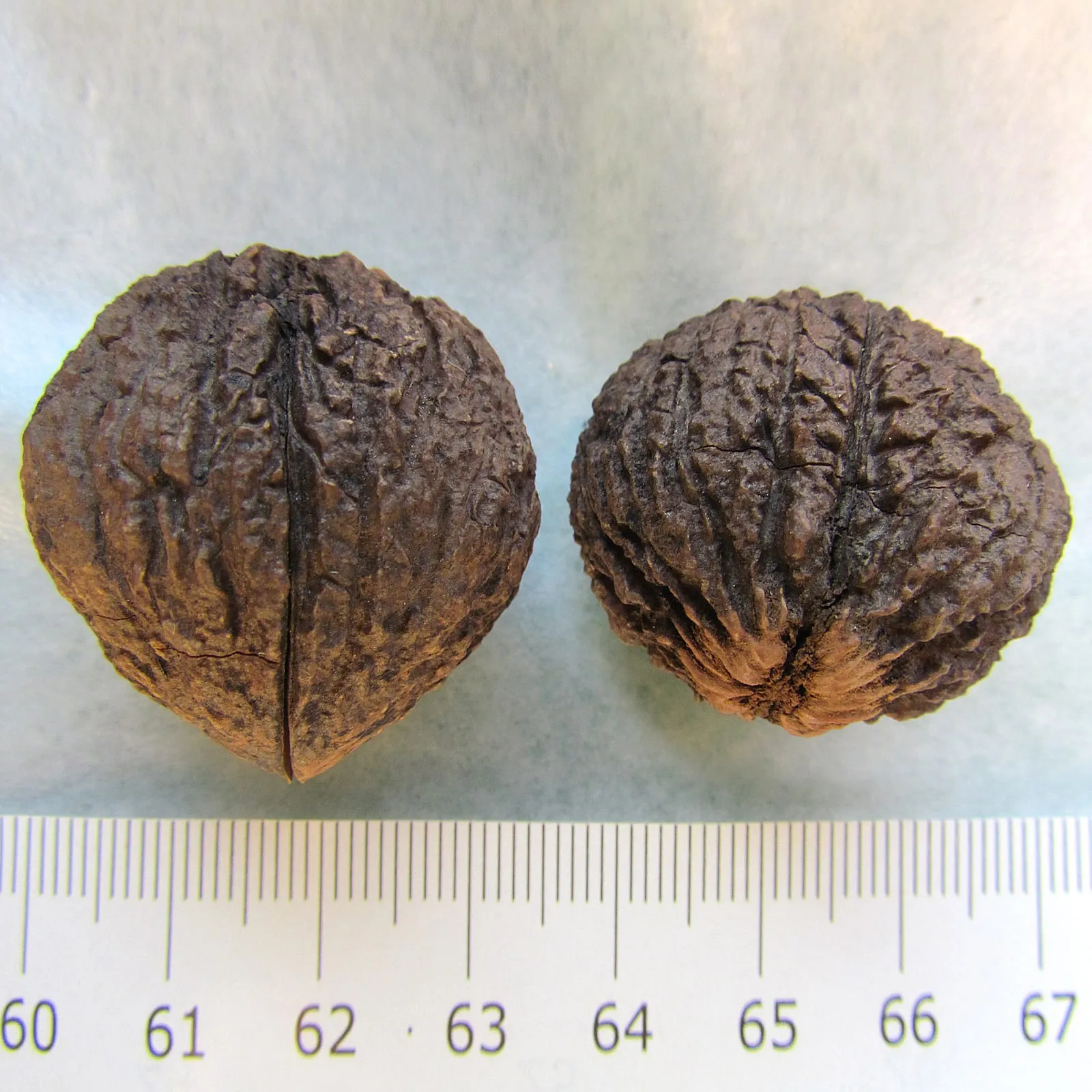
nut in zone 4a
Growing black walnut in zone 4a
Juglans nigra
- Zone
- 4a -30°F to -25°F
- Growing season
- 120 days
- Chill needed
- 700 to 1500 below 45°F
- Suitable varieties
- 0
- Days to harvest
- 150 to 200
The verdict
Black walnut is a cold-hardy native that can survive zone 4a winters without special protection once established. The species tolerates temperatures down to -30°F, so winter kill of mature wood is rarely the concern here. Where zone 4a creates friction is the growing season: at roughly 120 days, the window is tight for nut development. Black walnut requires 150 to 180 frost-free days to carry a crop from bloom to hull-split, and some zone 4a sites simply cannot deliver that consistently.
Chill-hour accumulation is not the limiting factor. Zone 4a winters reliably produce 1,200 or more chill hours, comfortably within black walnut's 700 to 1,500-hour range. The tree will break dormancy on schedule in spring. The real question is whether late frosts and an early fall will compress the season enough to cut nut yields in cold years. On favorable sites with long frost-free windows, production is possible; on exposed or low-lying sites, expect inconsistent crops rather than reliable harvests.
Critical timing for zone 4a
Black walnut leafs out and produces catkins in mid to late May across zone 4a, which coincides with the period when late frosts remain a genuine risk. A frost after bloom reduces nut set for that season without damaging the tree itself. Last frost dates in zone 4a commonly fall between May 15 and June 1, making bloom-period frost damage a realistic possibility in most years.
Hull split and nut drop typically occur from mid-September through October. In zone 4a, first fall frosts often arrive by late September, which can interrupt hull softening if the season runs short. Sites with a reliable 150-day frost-free window give the crop enough runway; sites averaging fewer than 140 days will see partial crops in cooler-than-average years.
Common challenges in zone 4a
- ▸ Late frosts damage early bloomers
- ▸ Limited peach varieties
Disease pressure to watch for
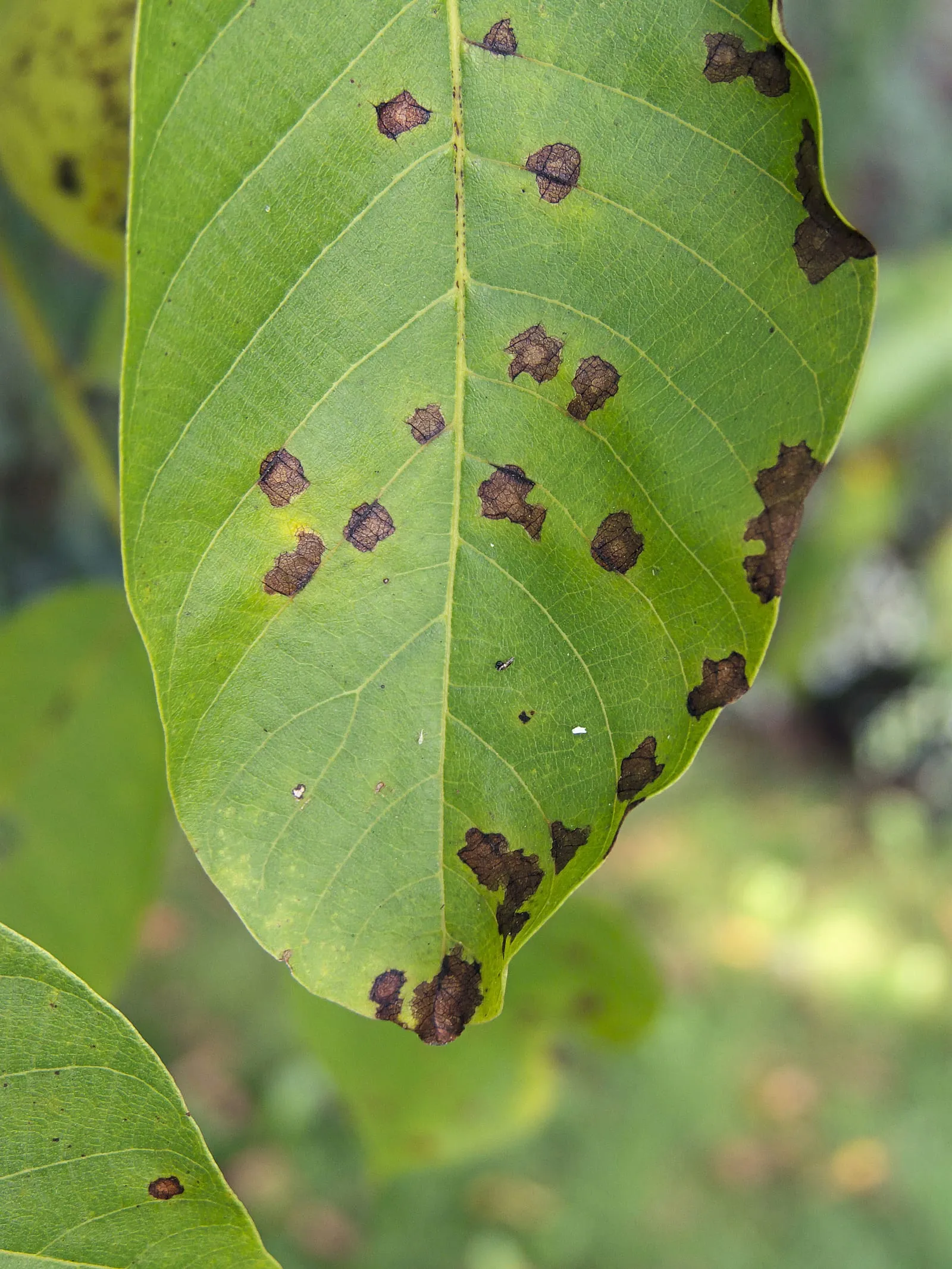
Ophiognomonia leptostyla
Fungal leaf disease causing premature defoliation in wet seasons, weakening trees over consecutive years and reducing kernel fill.
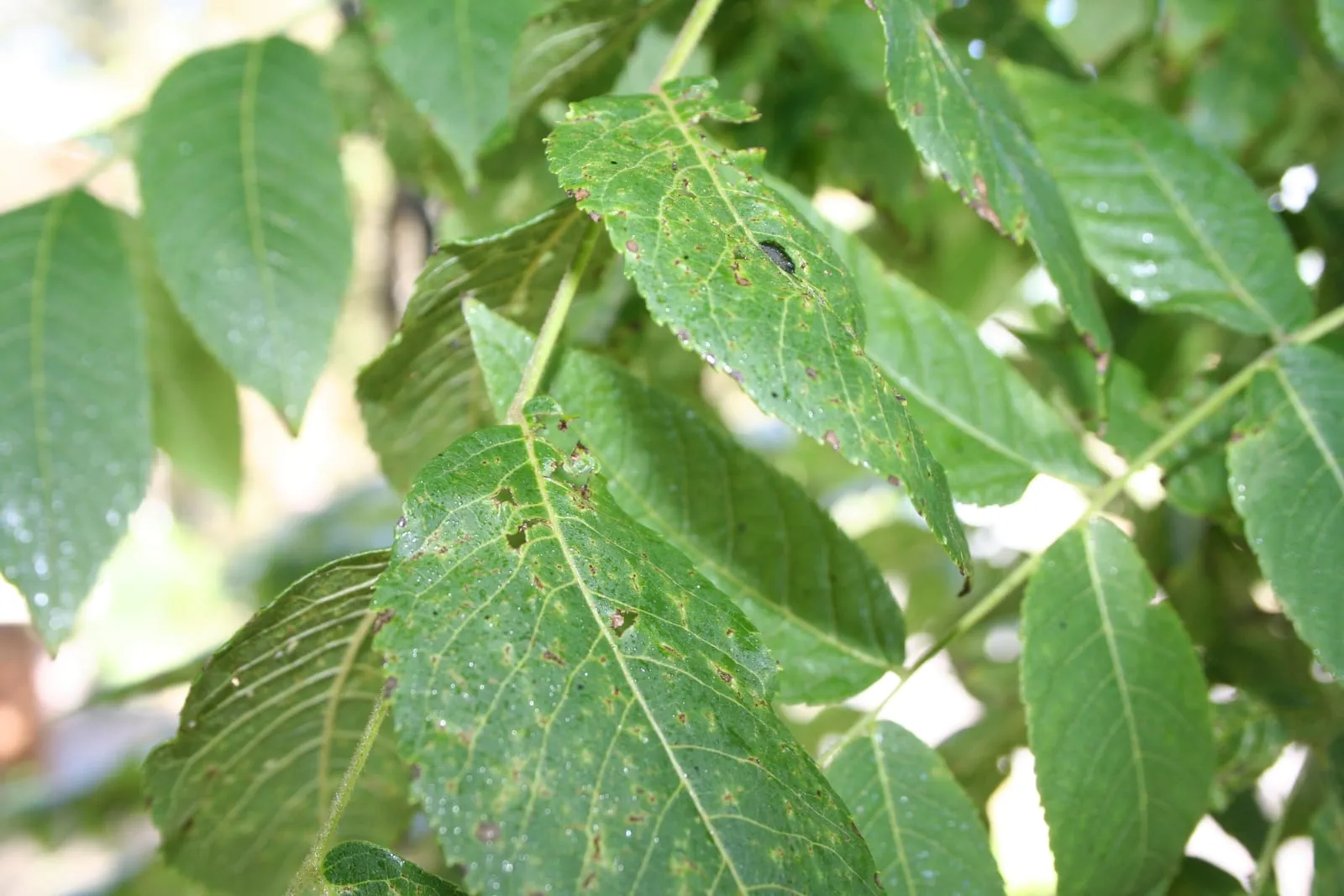
Geosmithia morbida (vectored by Pityophthorus juglandis)
Fatal disease of black walnut caused by a fungus vectored by the walnut twig beetle. Spreading eastward from the western US, devastating native black walnut stands.
Modified care for zone 4a
Young black walnut trees in zone 4a benefit from site selection that extends the effective season. South-facing slopes and locations near large water bodies moderate both spring and fall frost dates. Avoid frost pockets and north-facing exposures, which compound the already marginal season length.
Walnut anthracnose thrives in cool, wet summers, which are common across zone 4a's range. Raking and removing fallen leaflets reduces overwintering inoculum, a management step worth taking seriously here. Thousand cankers disease, caused by a fungus vectored by the walnut twig beetle, is an emerging concern in parts of the northern Midwest; monitor for flagging branches and avoid moving firewood from affected regions into clean areas.
Fertilization timing matters more in short-season zones. Apply nitrogen no later than early June so that vegetative growth has time to harden off before fall frosts arrive. Late-season fertilization in zone 4a risks pushing tender growth that will not mature before cold sets in.
Frequently asked questions
- Can black walnut reliably produce nuts in zone 4a?
Production is possible but inconsistent. The tree survives zone 4a winters without difficulty, but the 120-day average growing season is shorter than the 150 to 180 frost-free days needed for reliable nut development. Favorable sites with south-facing exposure and good cold-air drainage produce more consistently than exposed or low-lying locations.
- Does zone 4a provide enough chill hours for black walnut?
Yes. Zone 4a winters typically accumulate well over 1,000 chill hours, which exceeds the upper end of black walnut's 700 to 1,500-hour requirement. Chill-hour deficit is not a concern in this zone; late spring frosts and short growing seasons are the actual limiting factors.
- What disease pressure should growers expect in zone 4a?
Walnut anthracnose is the primary seasonal concern, particularly in years with cool, wet summers. Good sanitation (collecting fallen leaves and husks) reduces pressure. Thousand cankers disease is worth monitoring as its range expands northward, though it has not yet reached all zone 4a regions.
+−
+−
+−
Black Walnut in adjacent zones
Image: "Juglans nigra nuts", by Gmihail at Serbian Wikipedia, via Wikimedia Commons, licensed under CC-BY Source.

Related