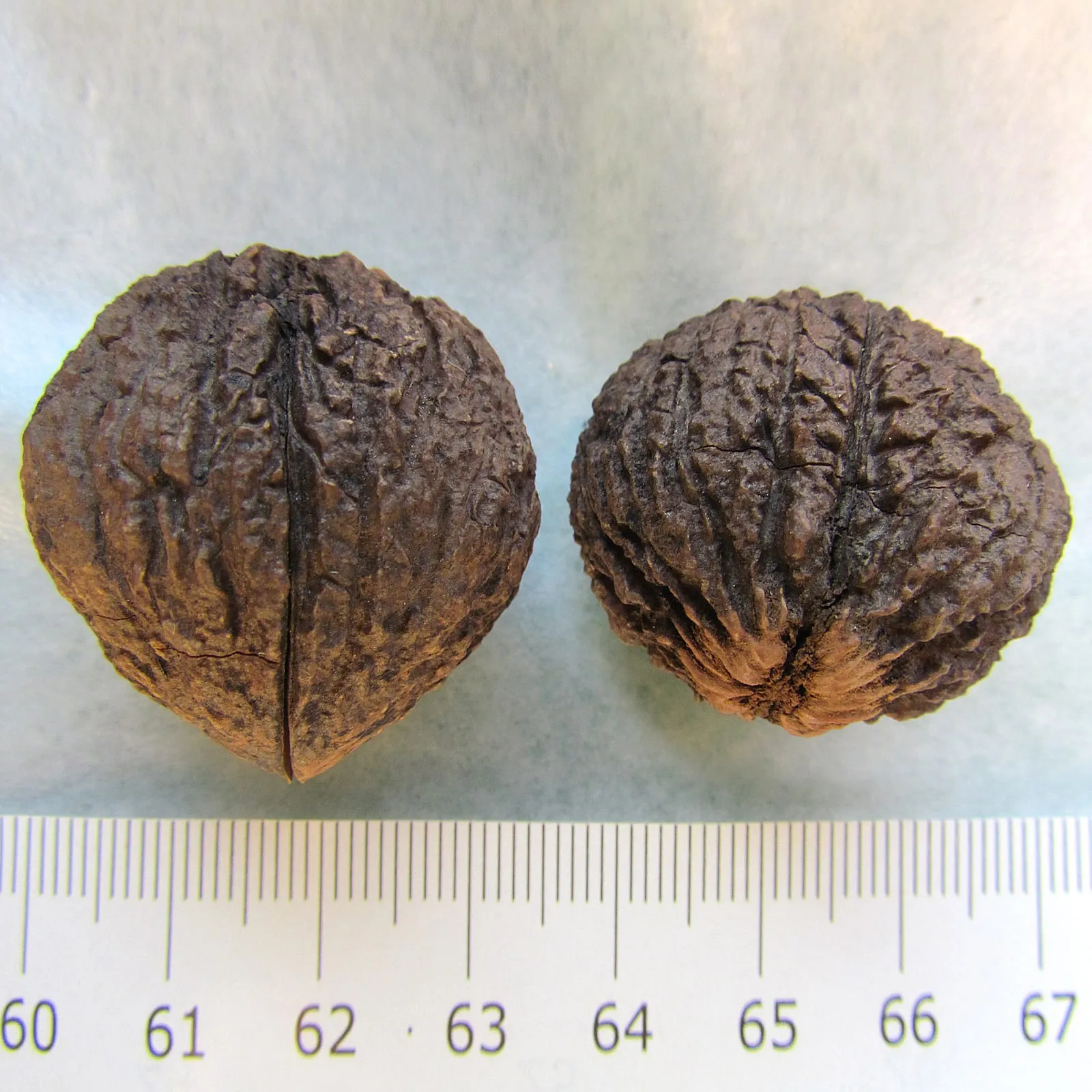
nut in zone 4b
Growing black walnut in zone 4b
Juglans nigra
- Zone
- 4b -25°F to -20°F
- Growing season
- 130 days
- Chill needed
- 700 to 1500 below 45°F
- Suitable varieties
- 0
- Days to harvest
- 150 to 200
The verdict
Black walnut is native to eastern North America and ranks among the hardiest nut-producing trees in cultivation. Zone 4b's winter lows of -25 to -20°F fall well within the species' tolerance, and the crop's chill-hour requirement of 700 to 1,500 hours presents no obstacle here. Zone 4b accumulates winter chilling well in excess of that range. The real constraint is the growing season. At approximately 130 days, zone 4b's frost-free window sits at the short end for reliable nut maturation. Black walnut nuts require a full season to size up and cure properly, and spring frosts that delay leaf-out can compress that window further. The trees themselves establish and grow vigorously across zone 4b. Consistent nut crops, however, depend heavily on spring frost timing and whether fall cold arrives before husks have fully developed. Zone 4b is workable for black walnut, but it sits at the northern edge of dependable production rather than in the crop's sweet spot.
Critical timing for zone 4b
Black walnut leafs out and produces catkins relatively late in spring compared to many fruit and nut trees, which offers some natural buffer against early frosts. In zone 4b, bloom typically occurs in late May once soil and air temperatures have stabilized, though the zone's noted challenge with spring frost timing means a late-season freeze during catkin emergence can eliminate nut set entirely for that year. Harvest falls in late September through October as outer husks transition from green to yellow-brown and nuts begin to drop. With a 130-day growing season, the margin between a productive year and a lost crop is narrow. Late spring frosts that push back pollination, combined with an early September or October freeze, can leave nuts immature at the end of the season. Monitoring forecasts at both ends of the season is worthwhile.
Common challenges in zone 4b
- ▸ Spring frost timing
- ▸ Apple scab pressure
- ▸ Cane berry winter dieback
Disease pressure to watch for
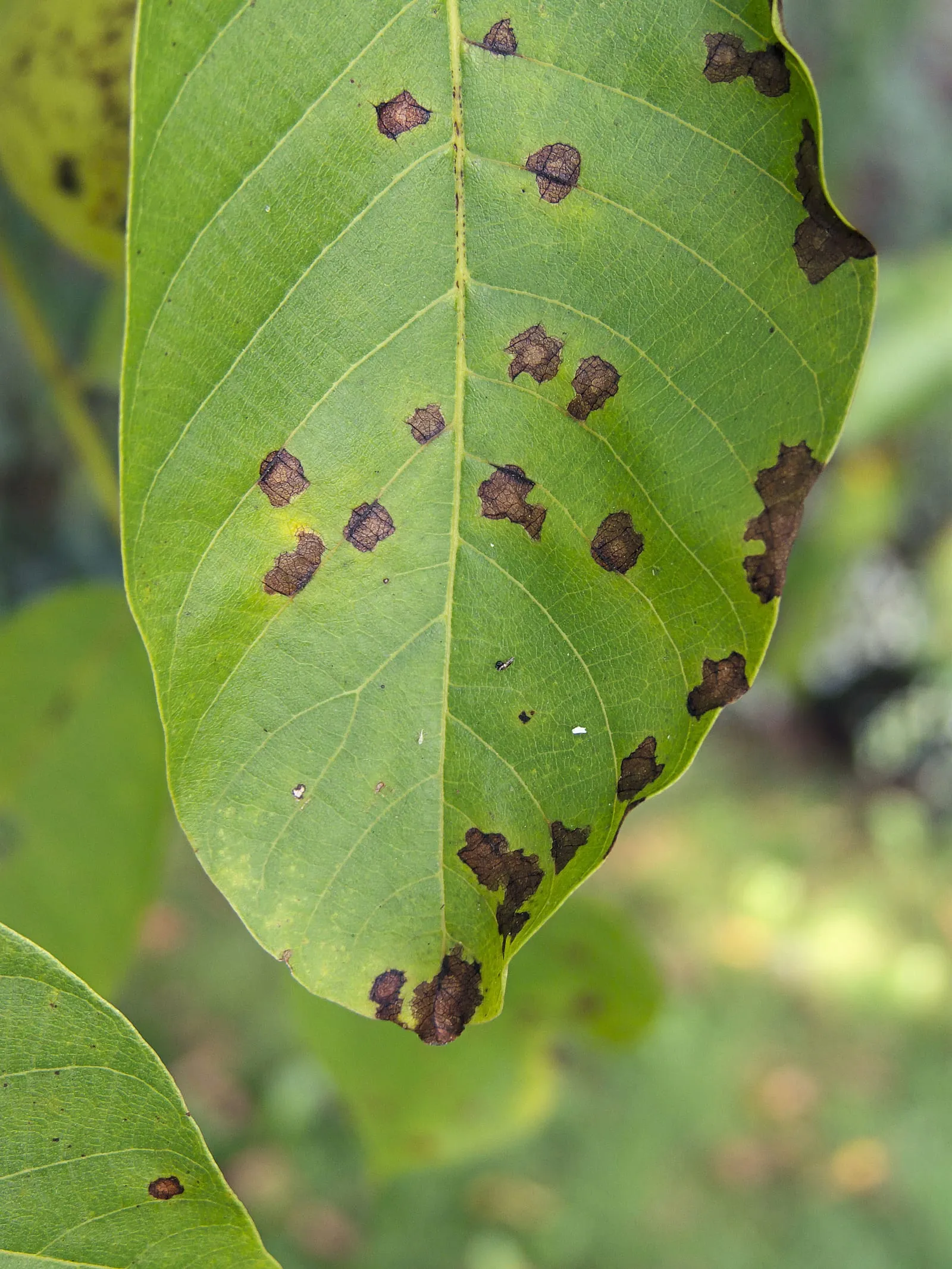
Ophiognomonia leptostyla
Fungal leaf disease causing premature defoliation in wet seasons, weakening trees over consecutive years and reducing kernel fill.
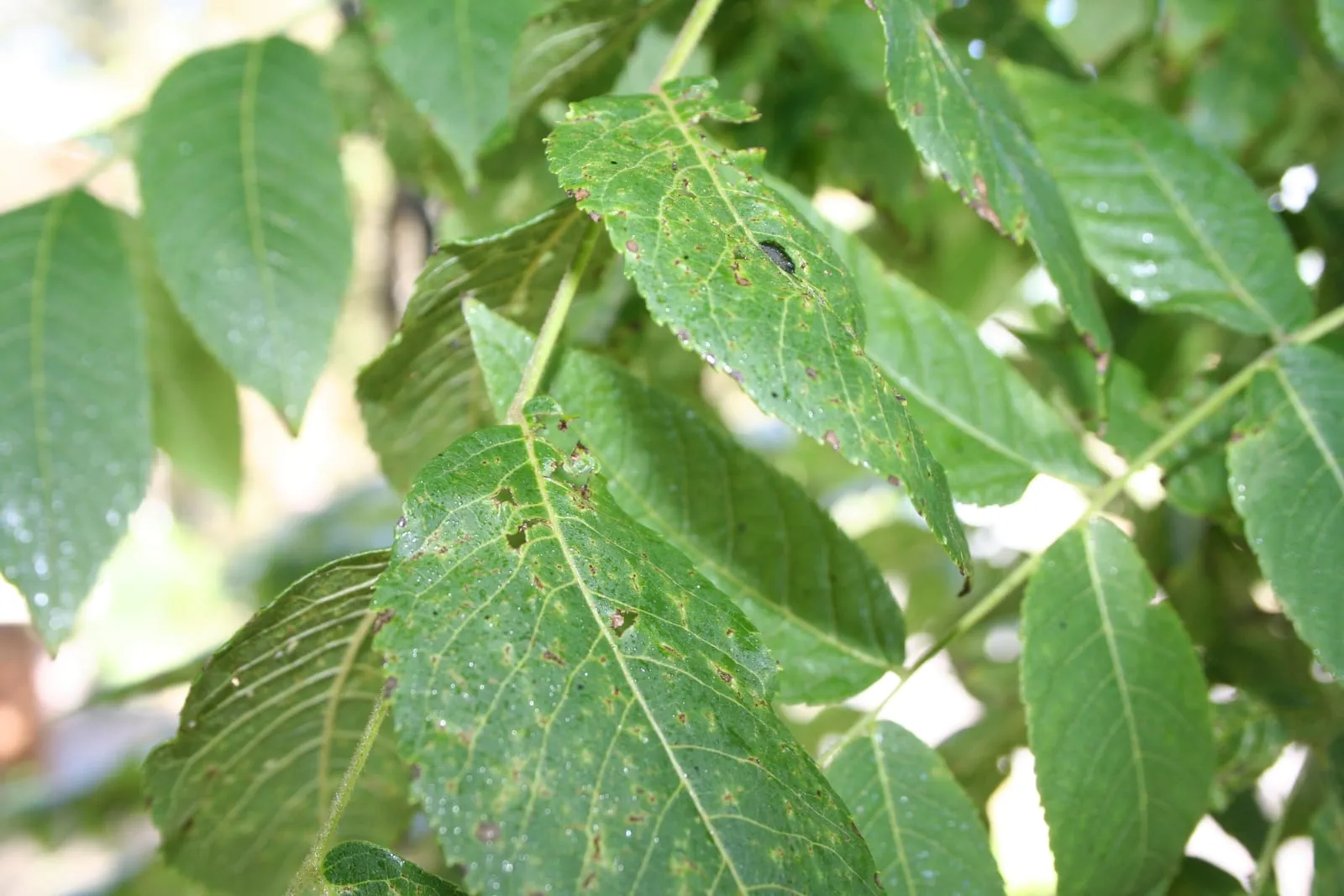
Geosmithia morbida (vectored by Pityophthorus juglandis)
Fatal disease of black walnut caused by a fungus vectored by the walnut twig beetle. Spreading eastward from the western US, devastating native black walnut stands.
Modified care for zone 4b
In zone 4b, priorities shift toward protecting young trees through establishment and maximizing the available growing season. Young trees benefit from winter mulching around the root zone to prevent frost heave; established trees generally need no special winter protection. Avoid late-season nitrogen applications that drive new growth into fall, leaving tissues exposed to early frost damage. Thousand Cankers Disease, caused by a fungal pathogen vectored by the walnut twig beetle, warrants sourcing nursery stock only from certified disease-free suppliers. Walnut Anthracnose pressure increases in wet summers; raking and removing fallen leaves reduces inoculum carryover into the following season. Site selection carries extra weight in zone 4b: south- or southeast-facing slopes warm earlier in spring and can extend the effective growing season by a meaningful margin, improving the odds of full nut maturation.
Black Walnut in adjacent zones
Image: "Juglans nigra nuts", by Gmihail at Serbian Wikipedia, via Wikimedia Commons, licensed under CC-BY Source.

Related