vegetable in zone 4a
Growing potato in zone 4a
Solanum tuberosum
- Zone
- 4a -30°F to -25°F
- Growing season
- 120 days
- Suitable varieties
- 5
- Days to harvest
- 70 to 120
The verdict
Potato is a strong fit for zone 4a, not a marginal one. Unlike fruit trees, potatoes have no chill-hour requirement; what matters is soil temperature (tubers initiate best when soil is between 45°F and 55°F) and a frost-free window long enough to complete the crop. Zone 4a's 120-day growing season covers early-season varieties (60 to 80 days) comfortably and fits most mid-season types with room to spare. The cold winters actually work in the grower's favor by breaking solanaceous pathogen cycles in the soil between seasons.
Where zone 4a introduces friction is at the far end of the maturity spectrum. Full-season varieties like Russet Burbank (100 to 120 days) leave little buffer between planting-out time and first fall frost. For those varieties, timing has to be precise. Varieties bred for northern climates, including Red Norland, Kennebec, and Adirondack Blue, are a more natural fit here than varieties selected for long, warm seasons.
Recommended varieties for zone 4a
5 cultivars suited to this zone, with disease-resistance and zone-fit annotations.
| Variety | Notes | Zone fit | Disease resistance |
|---|---|---|---|
| Yukon Gold fits zone 4a | Buttery, smooth, slightly sweet; yellow-fleshed all-purpose potato. Mashing, roasting, frying, gratins. The home-garden standard, stores well. | | none noted |
| Russet Burbank fits zone 4a | Dry, fluffy, classic baking potato; the McDonald's french fry variety. Baking, mashing, frying. Long-storage main-crop, needs full season. | | none noted |
| Red Norland fits zone 4a | Waxy, moist, mild flavor; thin-skinned red new potato. Boiling, salads, roasting whole. Early variety, can dig as small new potatoes 60 days after planting. | | none noted |
| Kennebec fits zone 4a | Smooth, balanced flavor, all-purpose; classic American main-crop white potato. Mashing, frying, baking, storage. Disease-tolerant, productive, easy to grow. | | none noted |
| Adirondack Blue fits zone 4a | Earthy, slightly nutty, holds purple color when cooked; blue-skinned blue-fleshed novelty. Roasting, oven fries, salads. High in anthocyanins, productive. | | none noted |
Critical timing for zone 4a
In zone 4a, last spring frost typically falls around mid-May, though elevation, slope aspect, and proximity to water bodies shift that date by one to three weeks in either direction. Potatoes can go into the ground two to four weeks before last frost once soil temperature reaches 45°F, which generally means late April to early May in warmer microclimates and late May at higher elevations.
Red Norland (roughly 70 days) can reach harvest by late July under favorable conditions. Yukon Gold and Kennebec (80 to 90 days) mature in August. Russet Burbank, at 100 to 120 days, typically needs to be in the ground by mid-May at the latest to finish before first fall frost, which arrives in late September across much of zone 4a. Late planting is the most common reason full-season varieties underperform in this zone.
Common challenges in zone 4a
- ▸ Late frosts damage early bloomers
- ▸ Limited peach varieties
Disease pressure to watch for
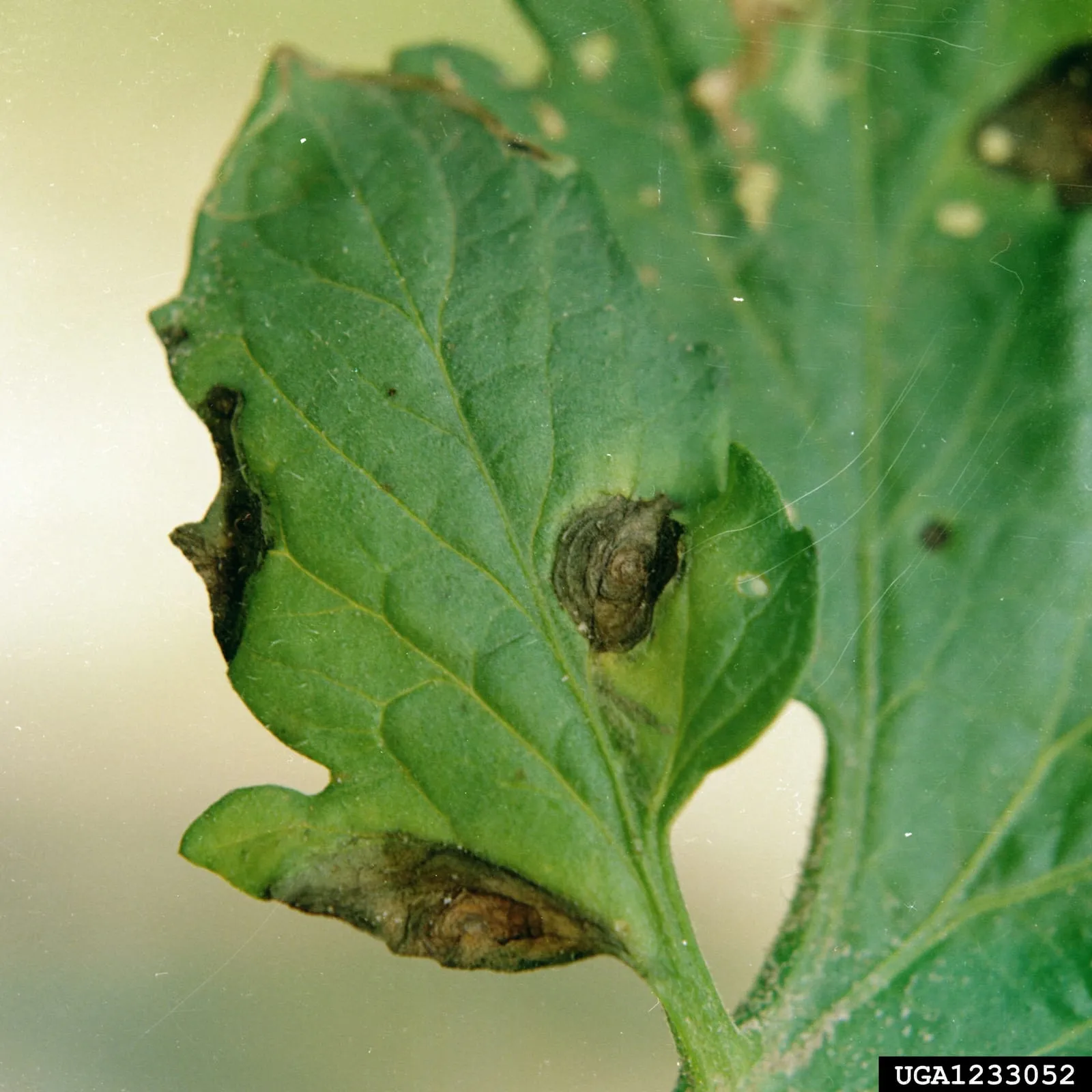
Alternaria solani
Fungal disease starting on lower leaves and progressing upward. The most common tomato and potato leaf disease in the eastern US.
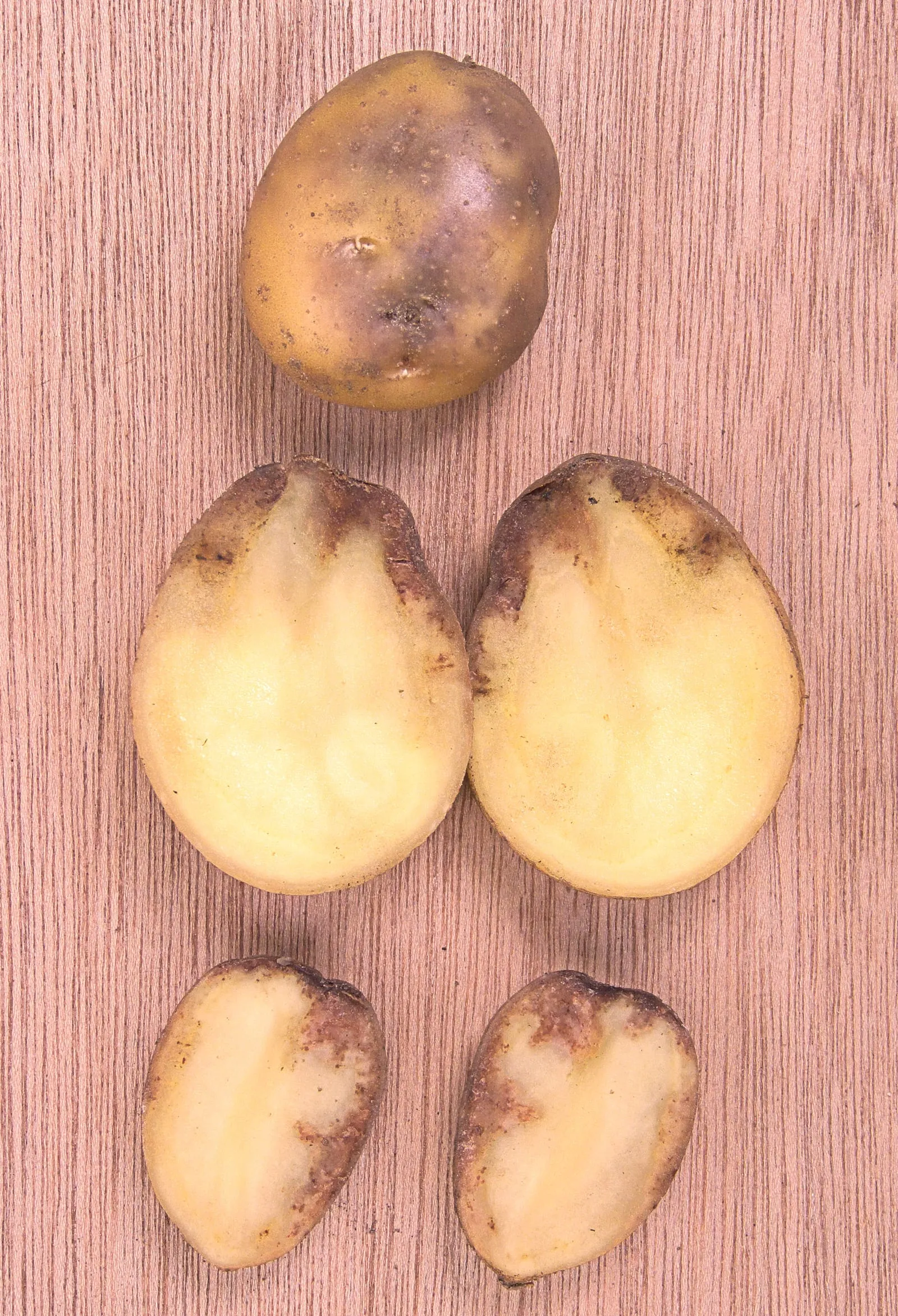
Phytophthora infestans
The pathogen responsible for the Irish Potato Famine. Devastating in cool wet weather; can destroy a tomato planting in days.
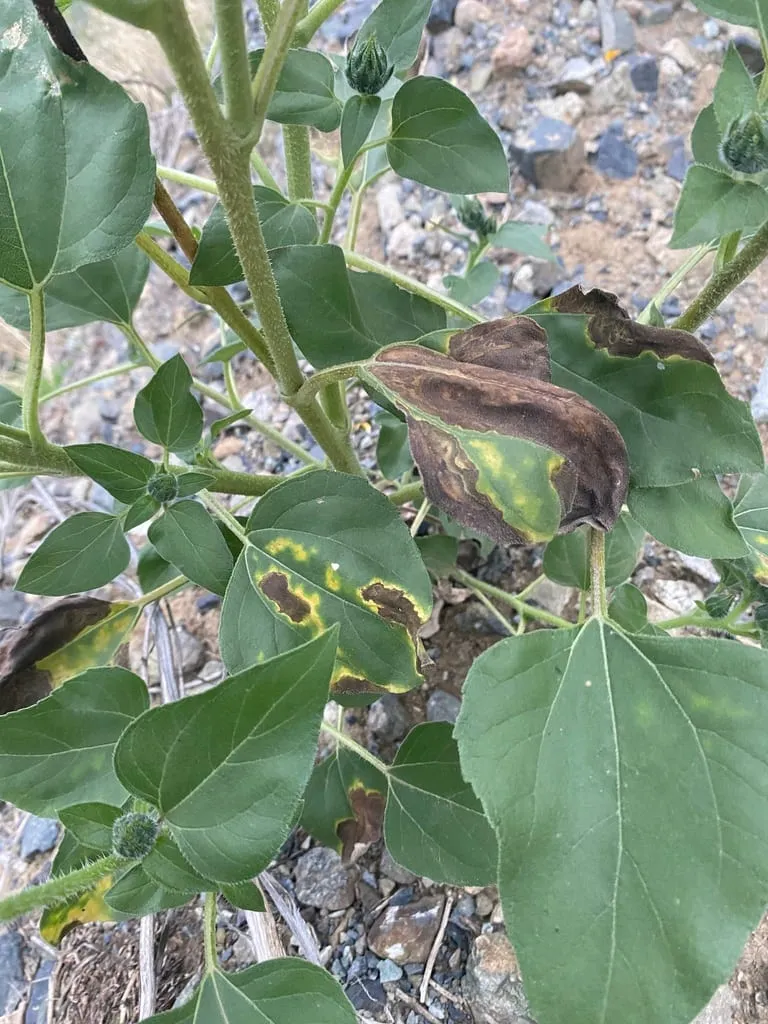
Verticillium dahliae
Soil-borne fungal disease similar to fusarium wilt but with broader host range and cooler temperature optimum. Persists in soil for 10+ years.
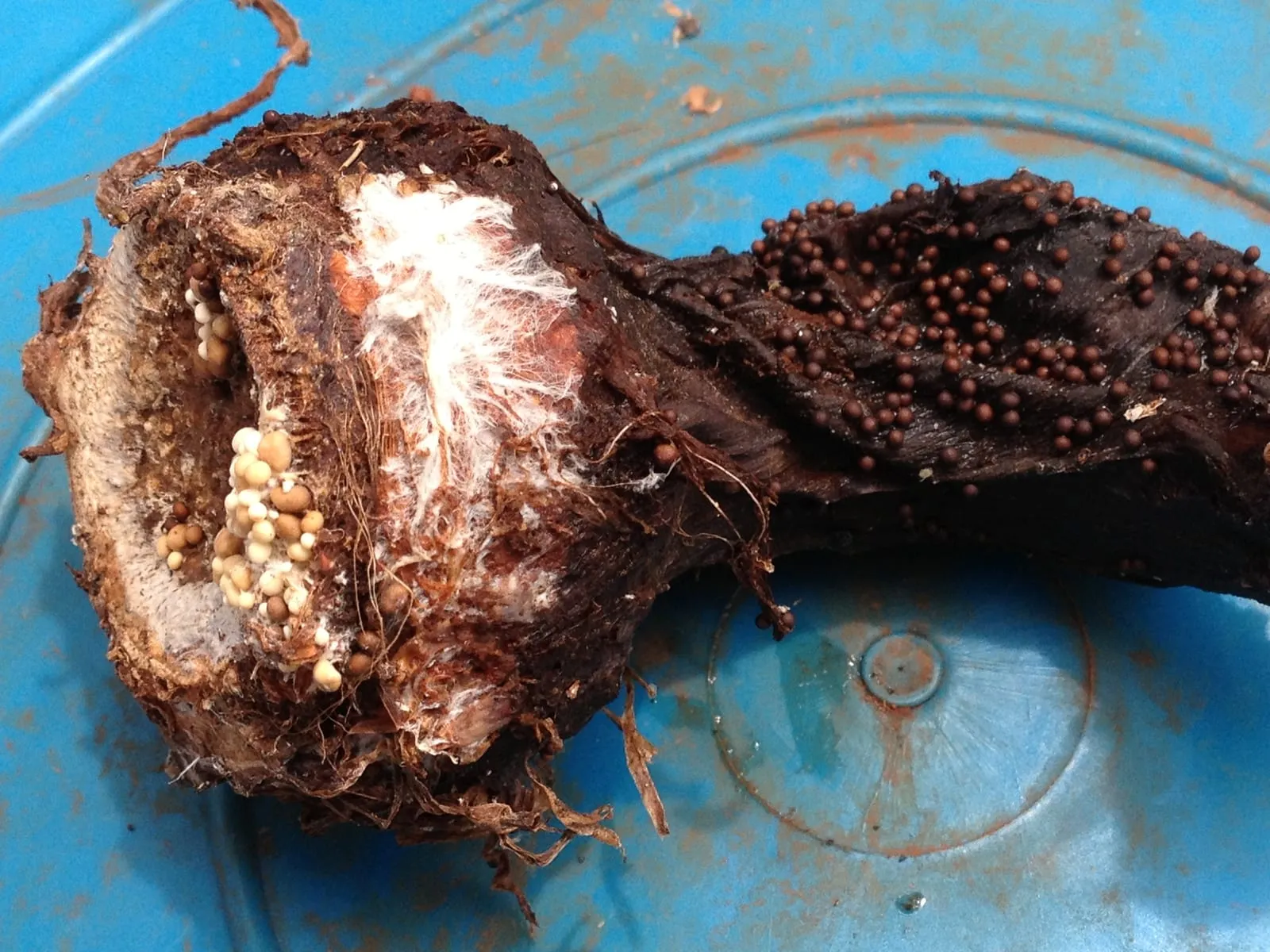
Sclerotium rolfsii
Soil-borne fungal disease most damaging in warm humid Southern conditions. White mycelial fans and small mustard-seed-sized sclerotia at the soil line are diagnostic.
Modified care for zone 4a
The most useful adjustment in zone 4a is chitting seed potatoes two to three weeks before planting. Pre-sprouting the eyes indoors accelerates emergence after planting out and effectively extends the usable season by one to two weeks without any risk from late frost.
Hilling deserves more attention here than in warmer zones. Late frosts can occur in May even after planting; drawing soil up around the stems insulates developing shoots and also encourages deeper tuber formation. Keep enough soil loose nearby to hill at least twice during the season.
Late blight pressure increases in cool, wet northern springs. Kennebec carries moderate resistance and is a sensible default where blight has been a recurring problem. Verticillium wilt persists in northern soils through winter, so a minimum three-year rotation away from all solanaceous crops (tomatoes, peppers, eggplant) is practical disease management, not optional hygiene.
Potato in adjacent zones
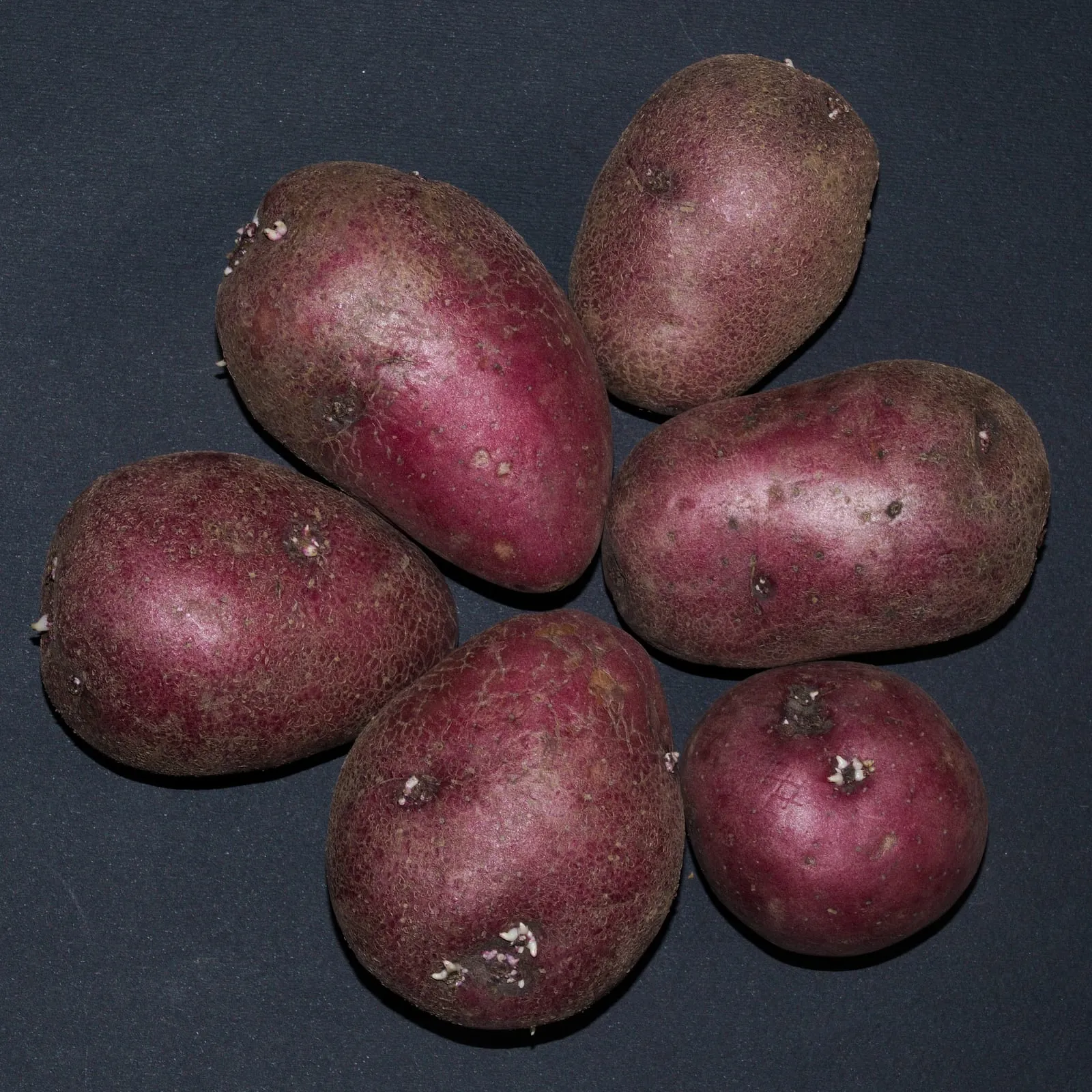
Image: "Solanum tuberosum Red Scarlett20170523 7825", by Bff, via Wikimedia Commons, licensed under CC-BY Source.

Related