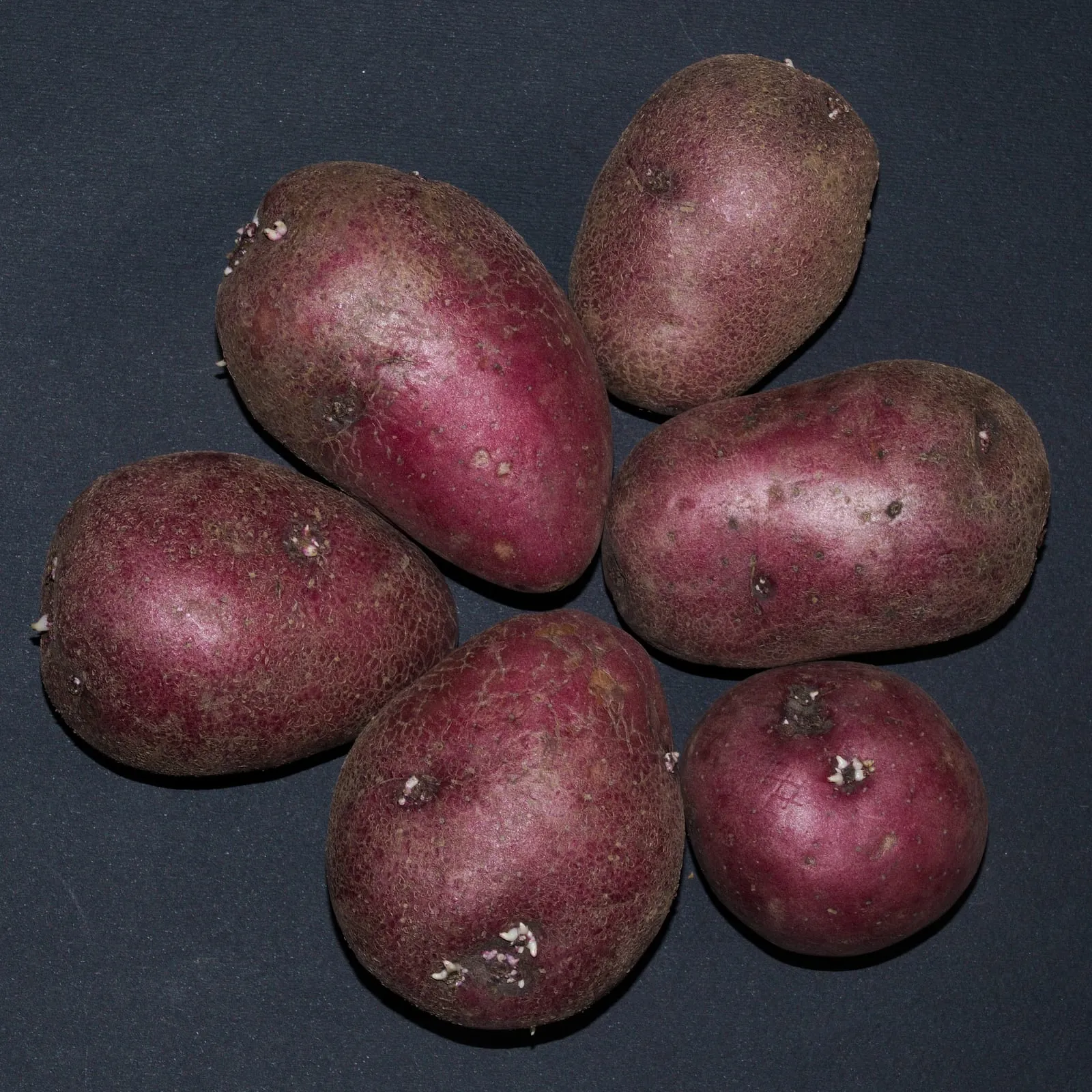
vegetable in zone 4b
Growing potato in zone 4b
Solanum tuberosum
- Zone
- 4b -25°F to -20°F
- Growing season
- 130 days
- Suitable varieties
- 5
- Days to harvest
- 70 to 120
The verdict
Zone 4b is a reliable sweet spot for potatoes, not a marginal case. Potatoes are a cool-season crop, and the zone's 130-day growing season comfortably accommodates early and mid-season varieties with room to spare. Unlike tree fruits or perennial crops, potatoes are grown as annuals, so the zone's winter minimum of -25 to -20°F is irrelevant to crop success.
The real constraint is the spring frost window. Tubers go in the ground 2 to 4 weeks before last frost, which means planting into still-cold soil while keeping an eye on late frost events. Zone 4b growers deal with this regularly across all cool-season crops, and potatoes handle it better than most because the seed pieces are underground when a late frost hits. Foliage that emerges and gets clipped by a freeze will usually resprout without losing the season.
All five varieties listed (Yukon Gold, Red Norland, Kennebec, Russet Burbank, and Adirondack Blue) are proven performers at this latitude. Russet Burbank is the longest-maturing at roughly 90 to 120 days and may push the late end of the season in cooler site conditions.
Recommended varieties for zone 4b
5 cultivars suited to this zone, with disease-resistance and zone-fit annotations.
| Variety | Notes | Zone fit | Disease resistance |
|---|---|---|---|
| Yukon Gold fits zone 4b | Buttery, smooth, slightly sweet; yellow-fleshed all-purpose potato. Mashing, roasting, frying, gratins. The home-garden standard, stores well. | | none noted |
| Russet Burbank fits zone 4b | Dry, fluffy, classic baking potato; the McDonald's french fry variety. Baking, mashing, frying. Long-storage main-crop, needs full season. | | none noted |
| Red Norland fits zone 4b | Waxy, moist, mild flavor; thin-skinned red new potato. Boiling, salads, roasting whole. Early variety, can dig as small new potatoes 60 days after planting. | | none noted |
| Kennebec fits zone 4b | Smooth, balanced flavor, all-purpose; classic American main-crop white potato. Mashing, frying, baking, storage. Disease-tolerant, productive, easy to grow. | | none noted |
| Adirondack Blue fits zone 4b | Earthy, slightly nutty, holds purple color when cooked; blue-skinned blue-fleshed novelty. Roasting, oven fries, salads. High in anthocyanins, productive. | | none noted |
Critical timing for zone 4b
Planting in zone 4b typically falls between late April and mid-May, targeting soil temperatures of at least 45°F at a 4-inch depth. Last frost dates in zone 4b commonly run from May 1 to May 20 depending on elevation and local topography, so seed pieces often go in while frost risk still exists.
Emergence takes 2 to 4 weeks. Flowering, which signals early tuber set, typically occurs in July. Harvest timing depends on variety: Red Norland (65 to 70 days) reaches full size in late July to early August, while Kennebec and Russet Burbank (90 to 120 days) are pulled in September before the first hard freeze, which arrives in zone 4b roughly between September 10 and September 30. Curing the harvest before storage is worth doing even in a short season; two weeks at 50 to 60°F in a dark, humid space heals skin cuts and extends storage life significantly.
Common challenges in zone 4b
- ▸ Spring frost timing
- ▸ Apple scab pressure
- ▸ Cane berry winter dieback
Disease pressure to watch for
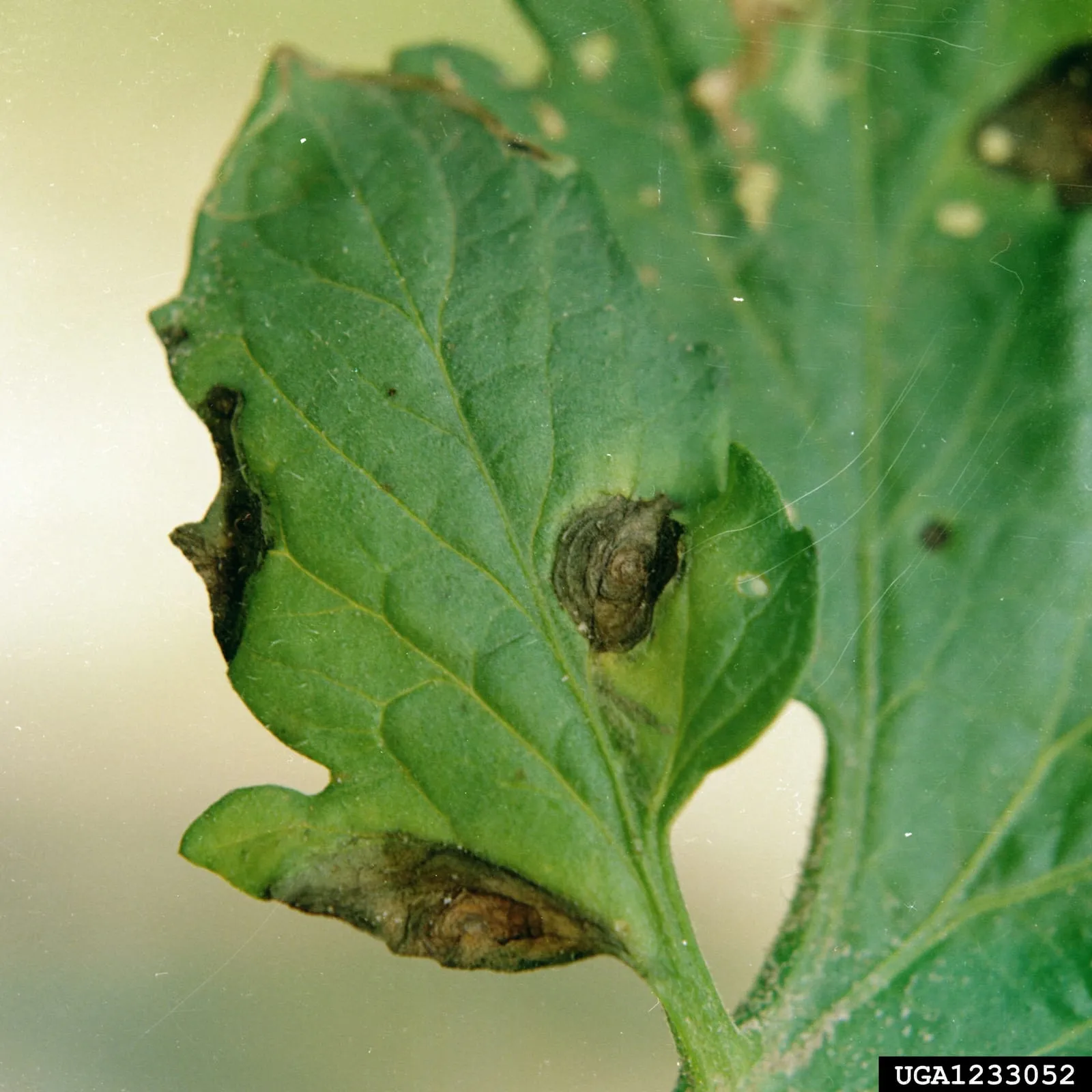
Alternaria solani
Fungal disease starting on lower leaves and progressing upward. The most common tomato and potato leaf disease in the eastern US.
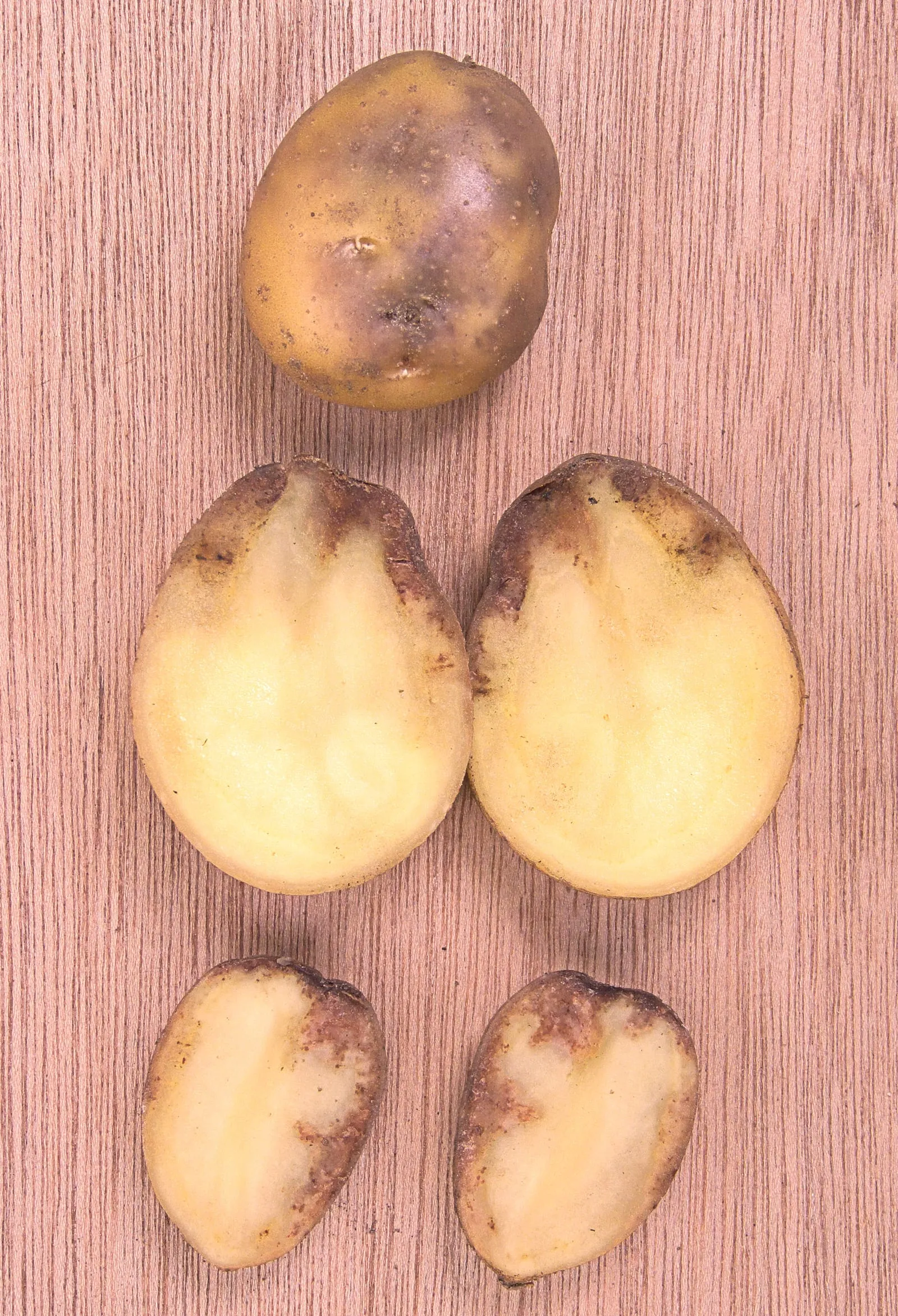
Phytophthora infestans
The pathogen responsible for the Irish Potato Famine. Devastating in cool wet weather; can destroy a tomato planting in days.
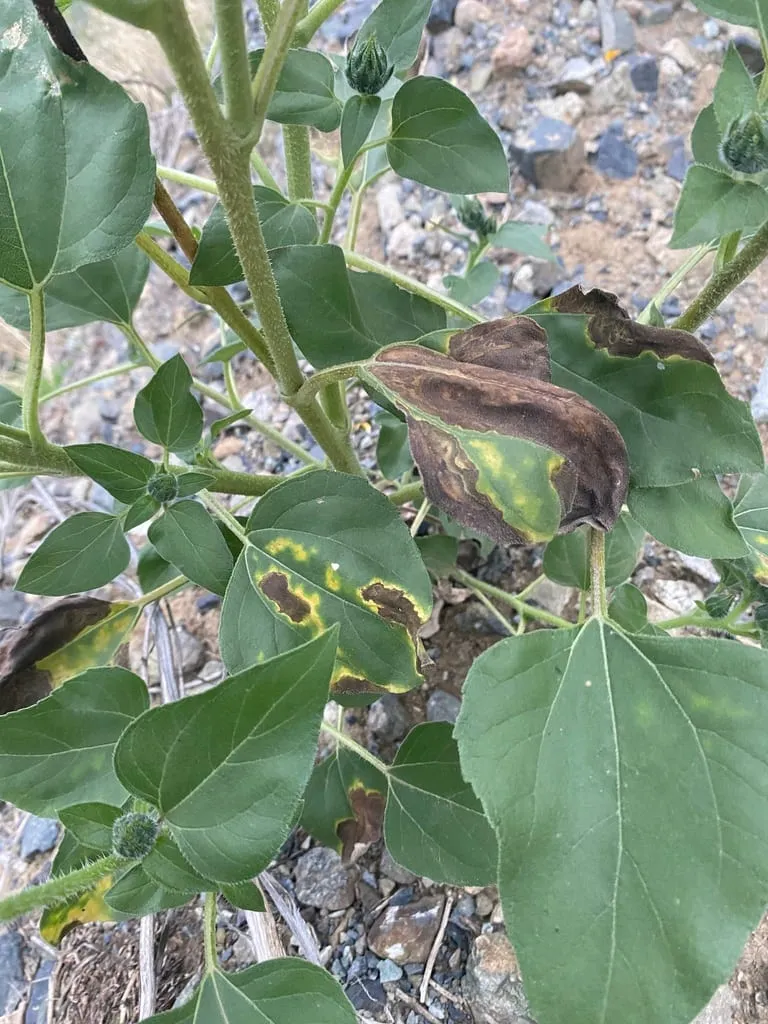
Verticillium dahliae
Soil-borne fungal disease similar to fusarium wilt but with broader host range and cooler temperature optimum. Persists in soil for 10+ years.
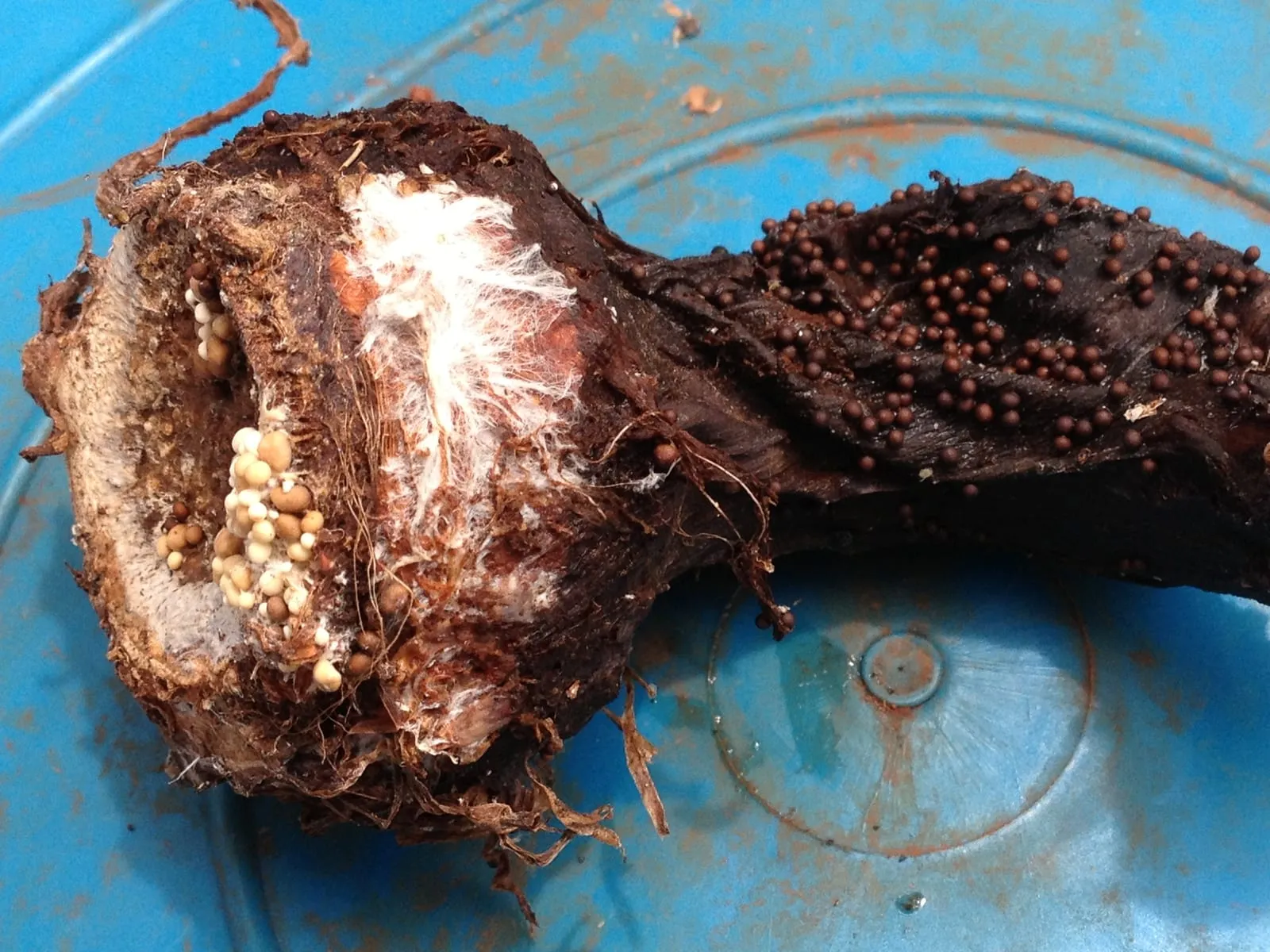
Sclerotium rolfsii
Soil-borne fungal disease most damaging in warm humid Southern conditions. White mycelial fans and small mustard-seed-sized sclerotia at the soil line are diagnostic.
Modified care for zone 4b
The primary adjustment in zone 4b is disease pressure from late blight (Phytophthora infestans), which thrives when cool nights and wet weather coincide in late summer. Zone 4b's August pattern often delivers exactly those conditions. Kennebec has moderate late blight tolerance and is a reasonable variety choice where this is a recurring problem. Planting in well-drained soil and avoiding overhead irrigation reduces infection risk without requiring fungicide programs on most home-scale plantings.
Early blight and Verticillium wilt are soil-borne concerns that intensify with repeated potato (and tomato) plantings in the same ground. A 3-year rotation is the practical minimum. With only a 130-day season, there is less room to recover from a mid-season setback than growers in longer-season zones have, so scouting weekly from flower set through harvest matters more here than in zone 6 or warmer. Hill soil up around stems once or twice during the season to prevent greening and give tubers room to develop below the surface.
Frequently asked questions
- Can Russet Burbank reach maturity in zone 4b's 130-day season?
Russet Burbank takes 90 to 120 days to mature, which fits within a 130-day season but leaves little margin. On cooler sites or in late-planting years, it may not fully bulb before first frost. Red Norland or Yukon Gold are safer bets if the season regularly runs short.
- What soil temperature should potatoes go in the ground in zone 4b?
Seed pieces need at least 45°F at a 4-inch depth for reliable sprouting. Planting into colder soil delays emergence and increases rot risk. A cheap soil thermometer removes the guesswork, especially in April when air temperatures can be misleading.
- Does late blight require a spray program in zone 4b?
Not automatically. Many home gardeners in zone 4b grow potatoes without fungicide by choosing tolerant varieties like Kennebec, rotating plots, and avoiding overhead watering. A spray program becomes worthwhile if late blight has caused significant losses in prior seasons or if regional disease pressure is confirmed by local extension alerts.
- How does spring frost affect potato foliage in zone 4b?
Emerged shoots are frost-sensitive and will die back if temperatures drop below 28°F. The seed piece underground remains viable and will resprout, typically within a week or two. Most growers lose a few weeks at most, not the whole planting. Hilling soil over tender shoots before a forecast freeze provides some insulation.
+−
+−
+−
+−
Potato in adjacent zones
Image: "Solanum tuberosum Red Scarlett20170523 7825", by Bff, via Wikimedia Commons, licensed under CC-BY Source.

Related