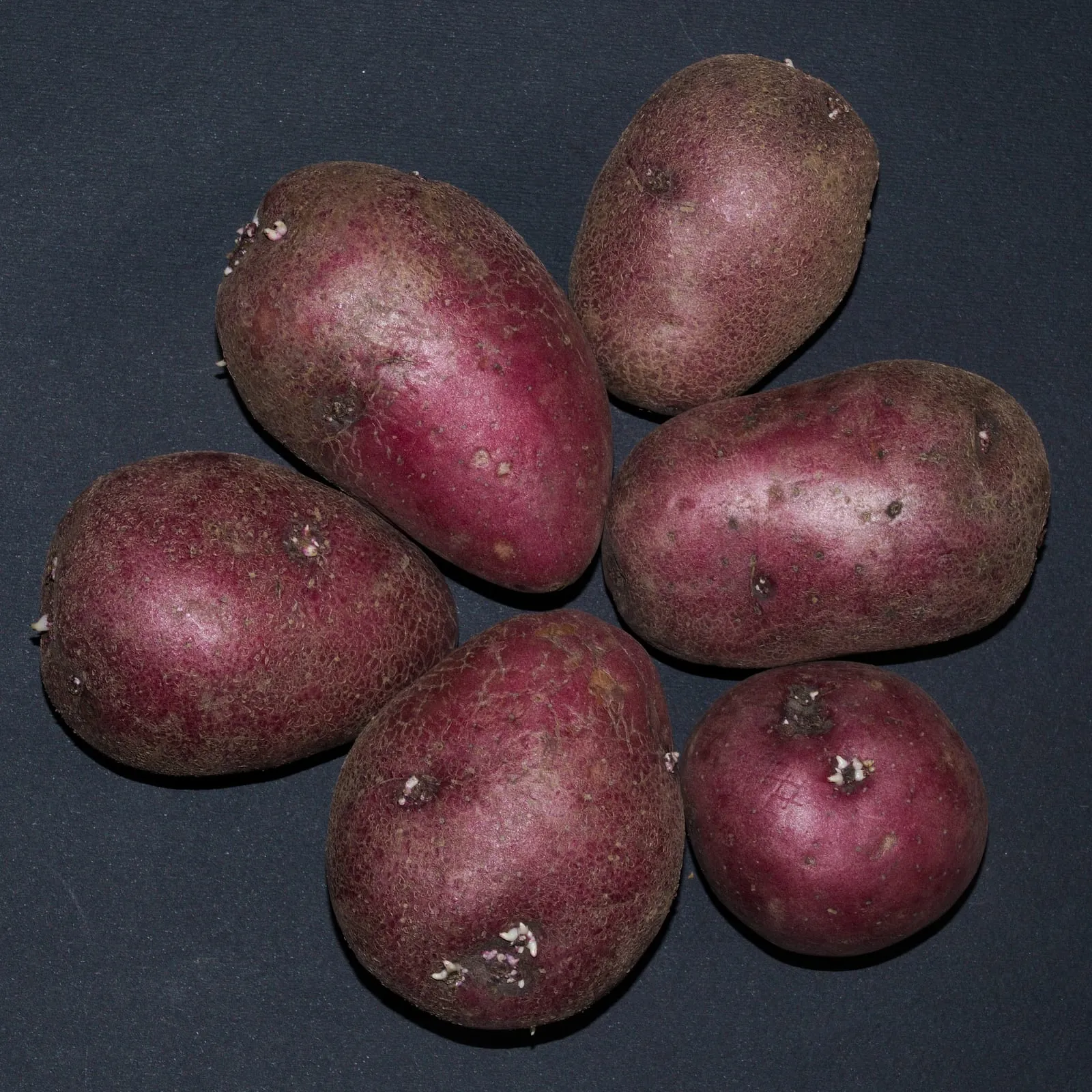
vegetable in zone 5a
Growing potato in zone 5a
Solanum tuberosum
- Zone
- 5a -20°F to -15°F
- Growing season
- 150 days
- Suitable varieties
- 5
- Days to harvest
- 70 to 120
The verdict
Potato is a cool-season annual, not a perennial fruit crop, so chill-hour accumulation is not a factor in its cultivation. The relevant threshold is the length of the frost-free growing window. Zone 5a's 150-day growing season comfortably accommodates the full range of potato maturities, from early-season varieties like Red Norland to late-season types like Russet Burbank. The zone's minimum winter temperatures of -20 to -15°F are irrelevant to potato production since seed potatoes are planted each spring from dormant tubers.
Zone 5a sits well within the crop's primary commercial and home-garden range across the northern United States, making it a reliable growing zone rather than a marginal one. The main constraints are the timing of spring frosts relative to planting and the risk of late blight during wet summers. Both are manageable with variety selection and routine scouting.
Recommended varieties for zone 5a
5 cultivars suited to this zone, with disease-resistance and zone-fit annotations.
| Variety | Notes | Zone fit | Disease resistance |
|---|---|---|---|
| Yukon Gold fits zone 5a | Buttery, smooth, slightly sweet; yellow-fleshed all-purpose potato. Mashing, roasting, frying, gratins. The home-garden standard, stores well. | | none noted |
| Russet Burbank fits zone 5a | Dry, fluffy, classic baking potato; the McDonald's french fry variety. Baking, mashing, frying. Long-storage main-crop, needs full season. | | none noted |
| Red Norland fits zone 5a | Waxy, moist, mild flavor; thin-skinned red new potato. Boiling, salads, roasting whole. Early variety, can dig as small new potatoes 60 days after planting. | | none noted |
| Kennebec fits zone 5a | Smooth, balanced flavor, all-purpose; classic American main-crop white potato. Mashing, frying, baking, storage. Disease-tolerant, productive, easy to grow. | | none noted |
| Adirondack Blue fits zone 5a | Earthy, slightly nutty, holds purple color when cooked; blue-skinned blue-fleshed novelty. Roasting, oven fries, salads. High in anthocyanins, productive. | | none noted |
Critical timing for zone 5a
In zone 5a, the last spring frost typically falls between late April and mid-May, depending on elevation and local geography. Seed potatoes are commonly planted two to four weeks before the expected last frost date; the tubers tolerate light soil frost better than emerged foliage does.
Early-season varieties such as Red Norland generally reach harvest by midsummer. Mid- and late-season types like Kennebec and Russet Burbank mature in late summer and into September, well before the first fall frost, which arrives in zone 5a between late September and mid-October. The 150-day growing season leaves adequate time for even long-season varieties to mature and cure before cold sets in.
Common challenges in zone 5a
- ▸ Fire blight in pears
- ▸ Cedar-apple rust
- ▸ Late spring frosts
Disease pressure to watch for
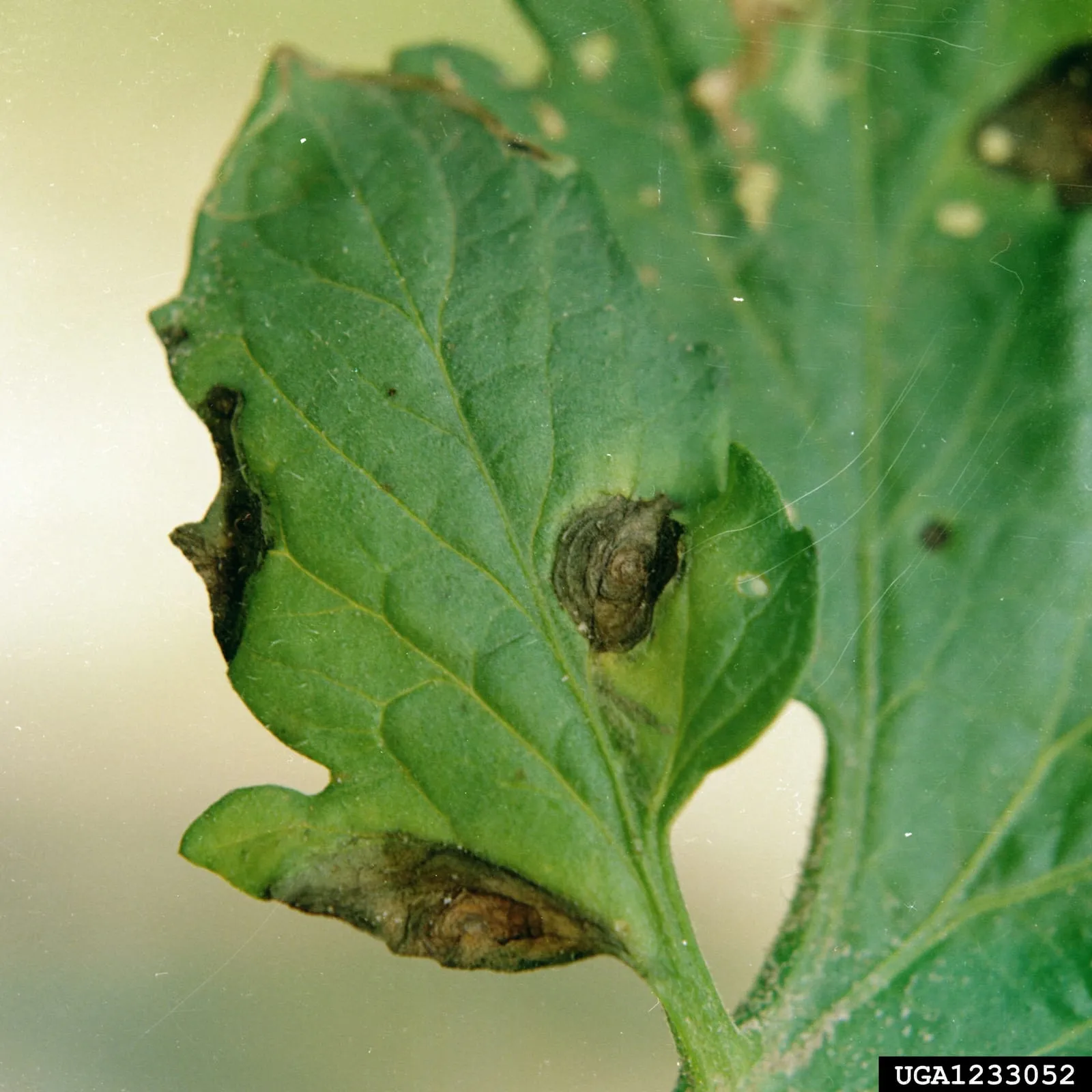
Alternaria solani
Fungal disease starting on lower leaves and progressing upward. The most common tomato and potato leaf disease in the eastern US.
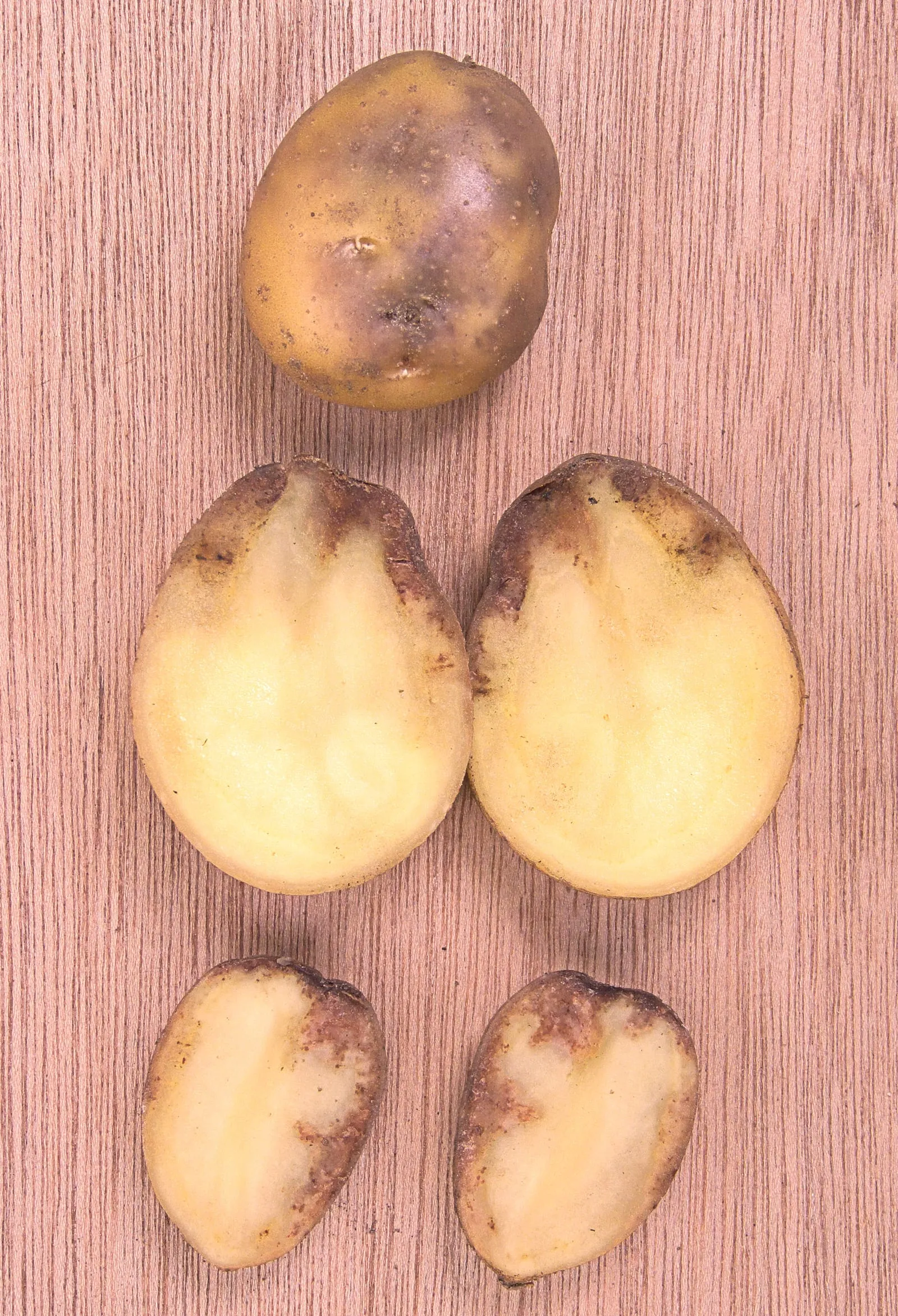
Phytophthora infestans
The pathogen responsible for the Irish Potato Famine. Devastating in cool wet weather; can destroy a tomato planting in days.
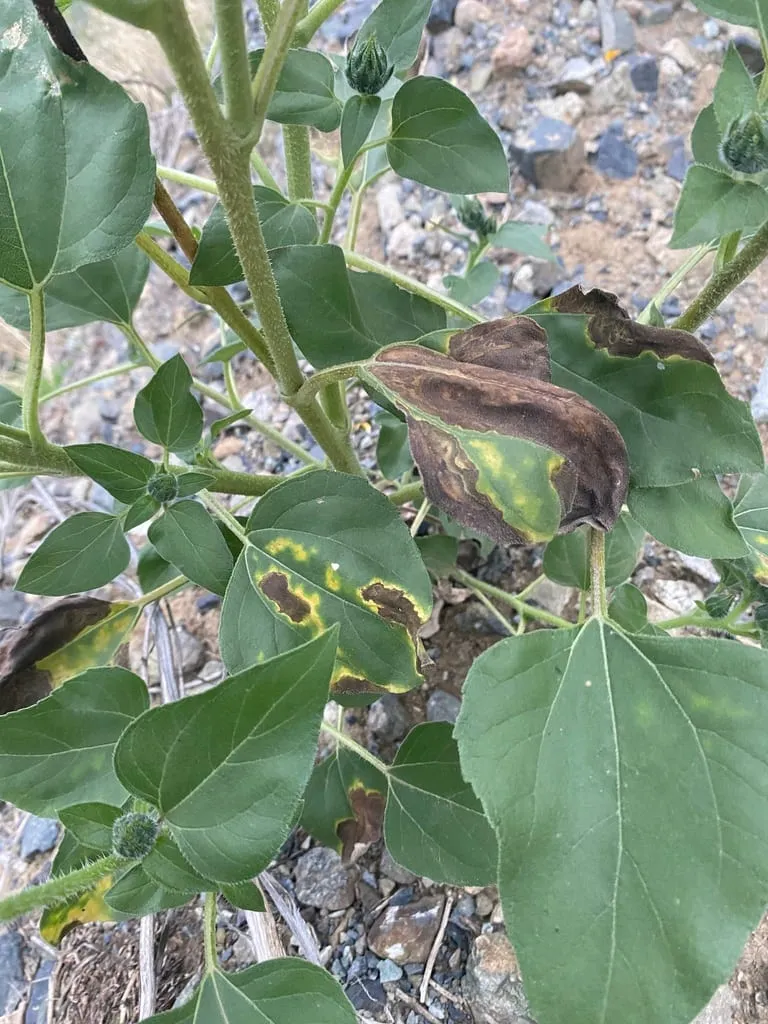
Verticillium dahliae
Soil-borne fungal disease similar to fusarium wilt but with broader host range and cooler temperature optimum. Persists in soil for 10+ years.
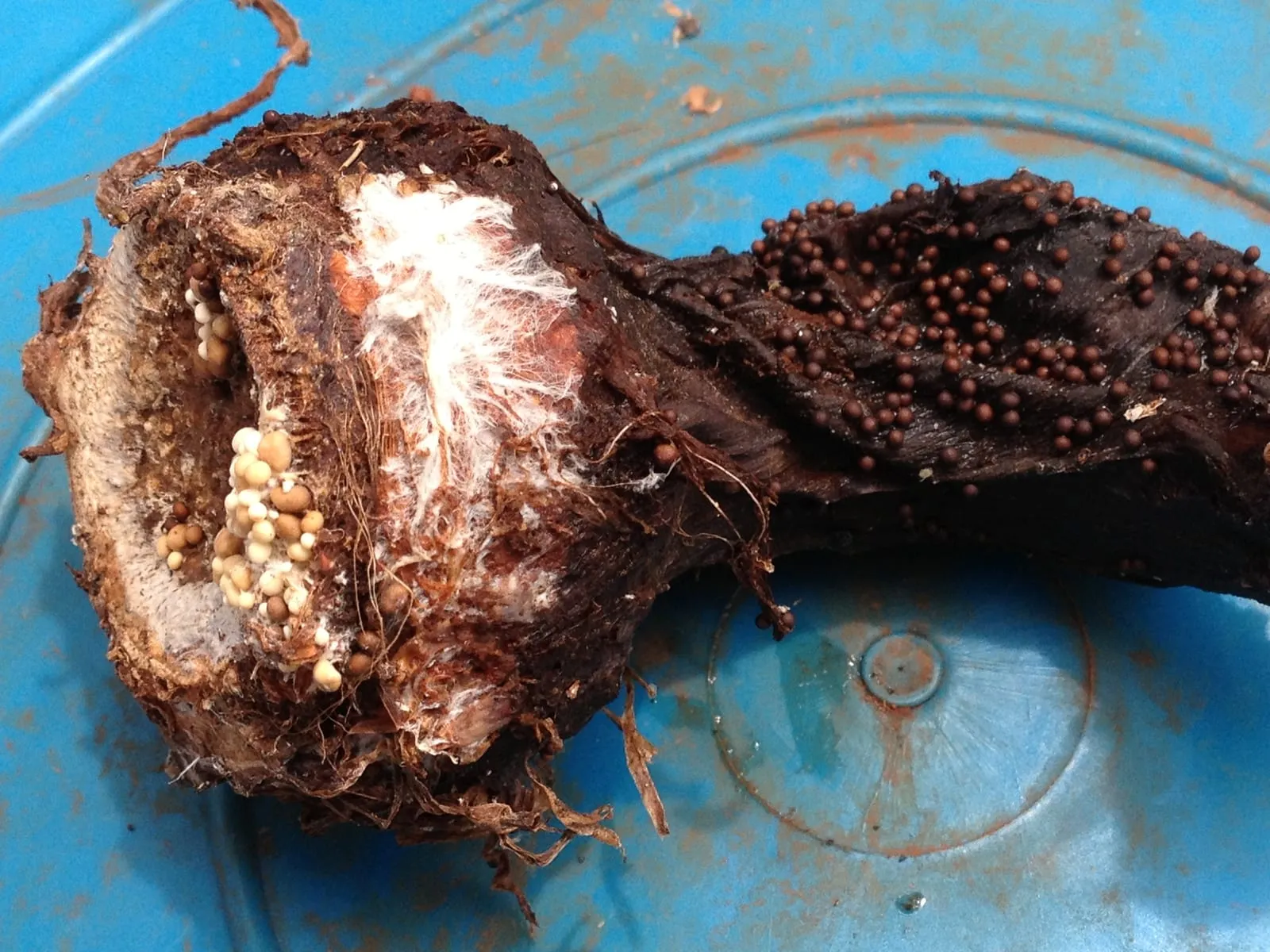
Sclerotium rolfsii
Soil-borne fungal disease most damaging in warm humid Southern conditions. White mycelial fans and small mustard-seed-sized sclerotia at the soil line are diagnostic.
Modified care for zone 5a
Late spring frosts, among zone 5a's primary seasonal hazards, warrant attention at planting time. Emerged potato shoots are frost-sensitive, and a hard freeze after emergence can set plants back significantly. Hilling soil over young shoots before a forecast frost event provides practical protection without requiring row cover.
Disease management also shifts in this zone. Early blight (Alternaria solani) and late blight (Phytophthora infestans) both favor the cool, wet springs common in zone 5a, so fungicide applications often need to begin earlier than in warmer zones. Verticillium wilt pressure is persistent where soils stay cold into late spring, and crop rotation (a minimum three-year gap between solanaceous crops in any given bed) is more important here than in warmer zones with faster soil warm-up. Selecting varieties with documented disease tolerance, such as Kennebec for late blight resistance, reduces the level of intervention needed across the season.
Frequently asked questions
- Is zone 5a too cold for potatoes?
No. Potatoes are cool-season annuals planted each spring from seed tubers, so winter lows of -20 to -15°F don't directly affect them. Zone 5a's 150-day growing season supports early, mid, and late-season varieties without difficulty.
- When should potatoes be planted in zone 5a?
Planting typically runs from late April through mid-May, two to four weeks before the expected last frost. Tubers tolerate light frost in the soil, but emerged shoots are frost-sensitive and benefit from hilling if a late freeze is forecast.
- Which potato varieties perform best in zone 5a?
Red Norland, Yukon Gold, Kennebec, Russet Burbank, and Adirondack Blue all perform reliably in zone 5a. Kennebec is worth prioritizing for its late blight tolerance given the zone's cool, wet spring conditions.
- How serious is late blight risk in zone 5a?
Late blight (Phytophthora infestans) is a real concern during cool, humid zone 5a seasons. Early scouting, timely fungicide applications when conditions favor the pathogen, and planting tolerant varieties like Kennebec help manage the risk without eliminating it entirely.
+−
+−
+−
+−
Potato in adjacent zones
Image: "Solanum tuberosum Red Scarlett20170523 7825", by Bff, via Wikimedia Commons, licensed under CC-BY Source.

Related