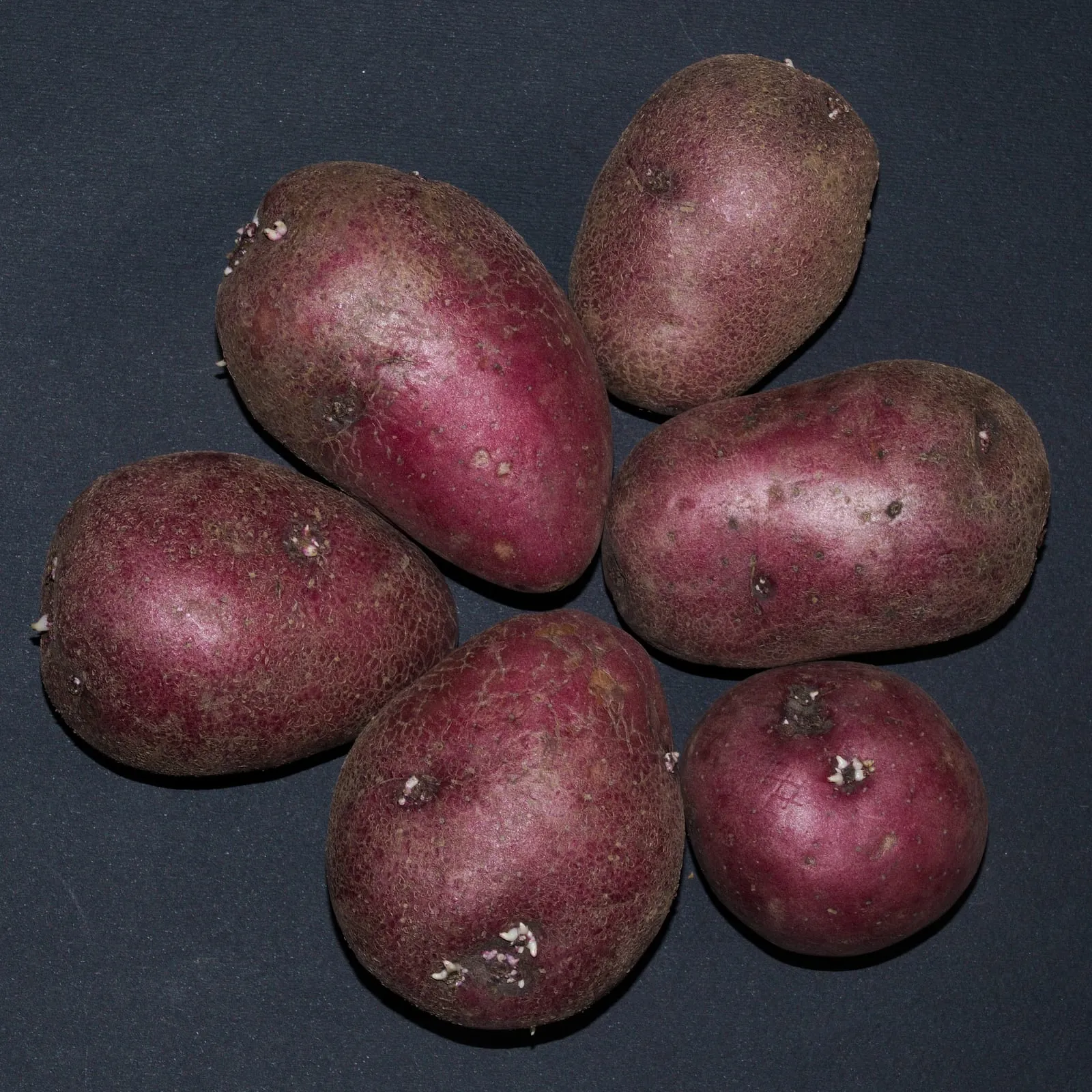
vegetable in zone 3b
Growing potato in zone 3b
Solanum tuberosum
- Zone
- 3b -35°F to -30°F
- Growing season
- 100 days
- Suitable varieties
- 5
- Days to harvest
- 70 to 120
The verdict
Zone 3b is a workable but time-constrained environment for potato production. Unlike fruit trees, potatoes have no chill-hour requirement; the binding constraint here is the 100-day growing season. That window sits near the lower bound of what standard-season varieties can reliably complete. Early-maturing cultivars in the 65 to 80 day range are the dependable choice. Red Norland finishes in 65 to 70 days; Yukon Gold in 70 to 80 days. Both reach harvest well before the first autumn frost in most zone 3b locations. Longer-season types like Russet Burbank, which needs 90 to 100 days, leave almost no margin and are genuinely risky here unless the planting window opens unusually early.
The cool summers that define zone 3b are an asset for tuber quality, producing dense, flavorful potatoes, and they suppress the sustained foliar disease pressure that plagues growers in warmer, more humid climates. Zone 3b is not marginal for potatoes the way it is for many fruit crops. It is a proven potato climate, particularly across the northern Great Plains and upper Midwest.
Recommended varieties for zone 3b
5 cultivars suited to this zone, with disease-resistance and zone-fit annotations.
| Variety | Notes | Zone fit | Disease resistance |
|---|---|---|---|
| Yukon Gold fits zone 3b | Buttery, smooth, slightly sweet; yellow-fleshed all-purpose potato. Mashing, roasting, frying, gratins. The home-garden standard, stores well. | | none noted |
| Russet Burbank fits zone 3b | Dry, fluffy, classic baking potato; the McDonald's french fry variety. Baking, mashing, frying. Long-storage main-crop, needs full season. | | none noted |
| Red Norland fits zone 3b | Waxy, moist, mild flavor; thin-skinned red new potato. Boiling, salads, roasting whole. Early variety, can dig as small new potatoes 60 days after planting. | | none noted |
| Kennebec fits zone 3b | Smooth, balanced flavor, all-purpose; classic American main-crop white potato. Mashing, frying, baking, storage. Disease-tolerant, productive, easy to grow. | | none noted |
| Adirondack Blue fits zone 3b | Earthy, slightly nutty, holds purple color when cooked; blue-skinned blue-fleshed novelty. Roasting, oven fries, salads. High in anthocyanins, productive. | | none noted |
Critical timing for zone 3b
Last frost in zone 3b typically falls between late May and early June, depending on elevation and local topography. Potato seed pieces go into the ground when soil temperature reaches 45 to 50°F consistently, which in zone 3b usually aligns with late May. Emergence takes 2 to 4 weeks, putting foliage above ground by mid-June in most locations. Bloom follows 5 to 7 weeks after emergence, placing it in mid- to late July for standard plantings.
First autumn frost in zone 3b commonly arrives in early to mid-September. Red Norland and Yukon Gold planted in late May will be ready for harvest by mid-August, providing a 3 to 5 week buffer before killing frost. Russet Burbank planted on the same schedule finishes just as frost arrives, if it finishes at all. Adirondack Blue runs 80 to 90 days and falls in between, manageable in favorable years but unreliable in a cool or late-starting spring.
Common challenges in zone 3b
- ▸ Short season
- ▸ Winter desiccation
- ▸ Site selection critical for fruit trees
Disease pressure to watch for
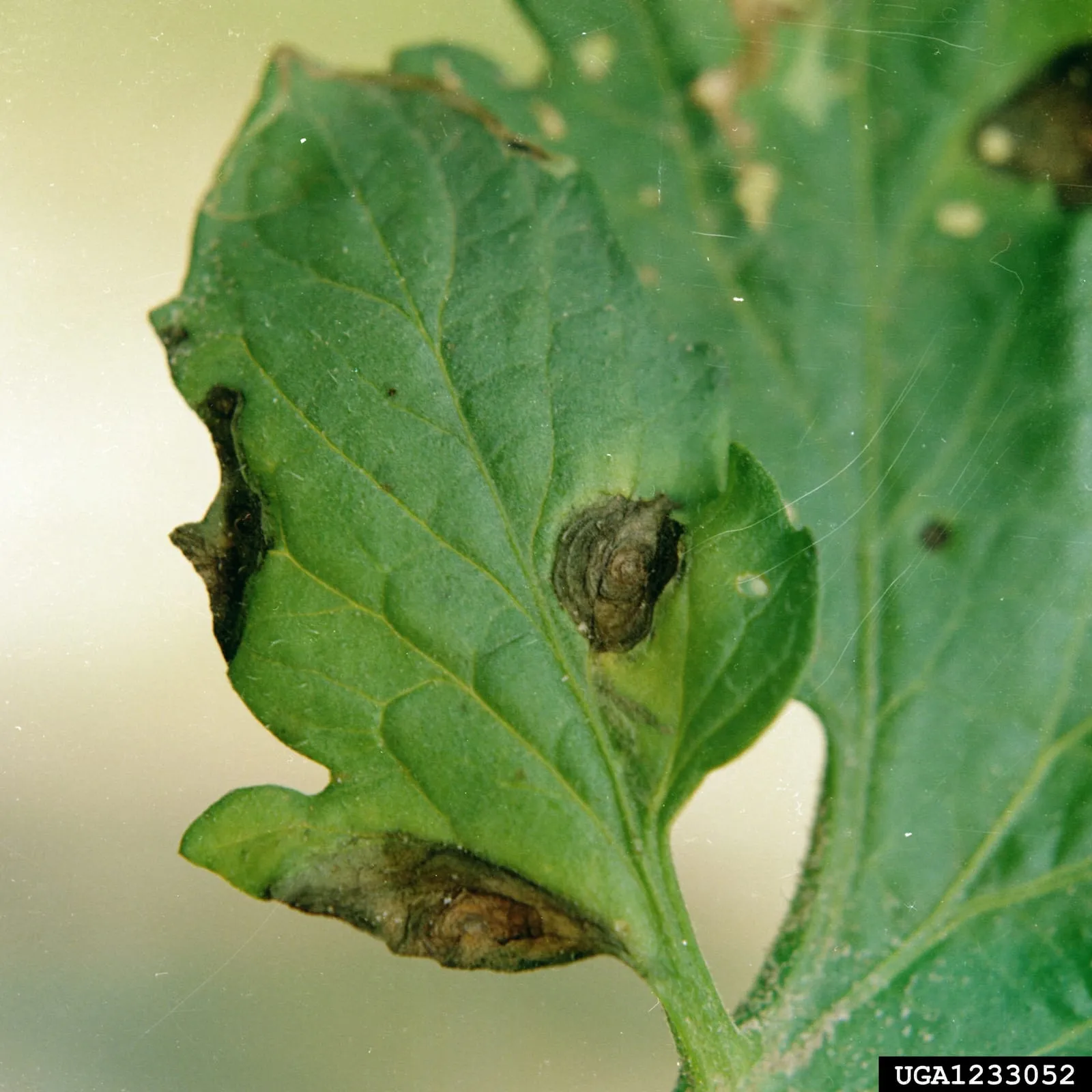
Alternaria solani
Fungal disease starting on lower leaves and progressing upward. The most common tomato and potato leaf disease in the eastern US.
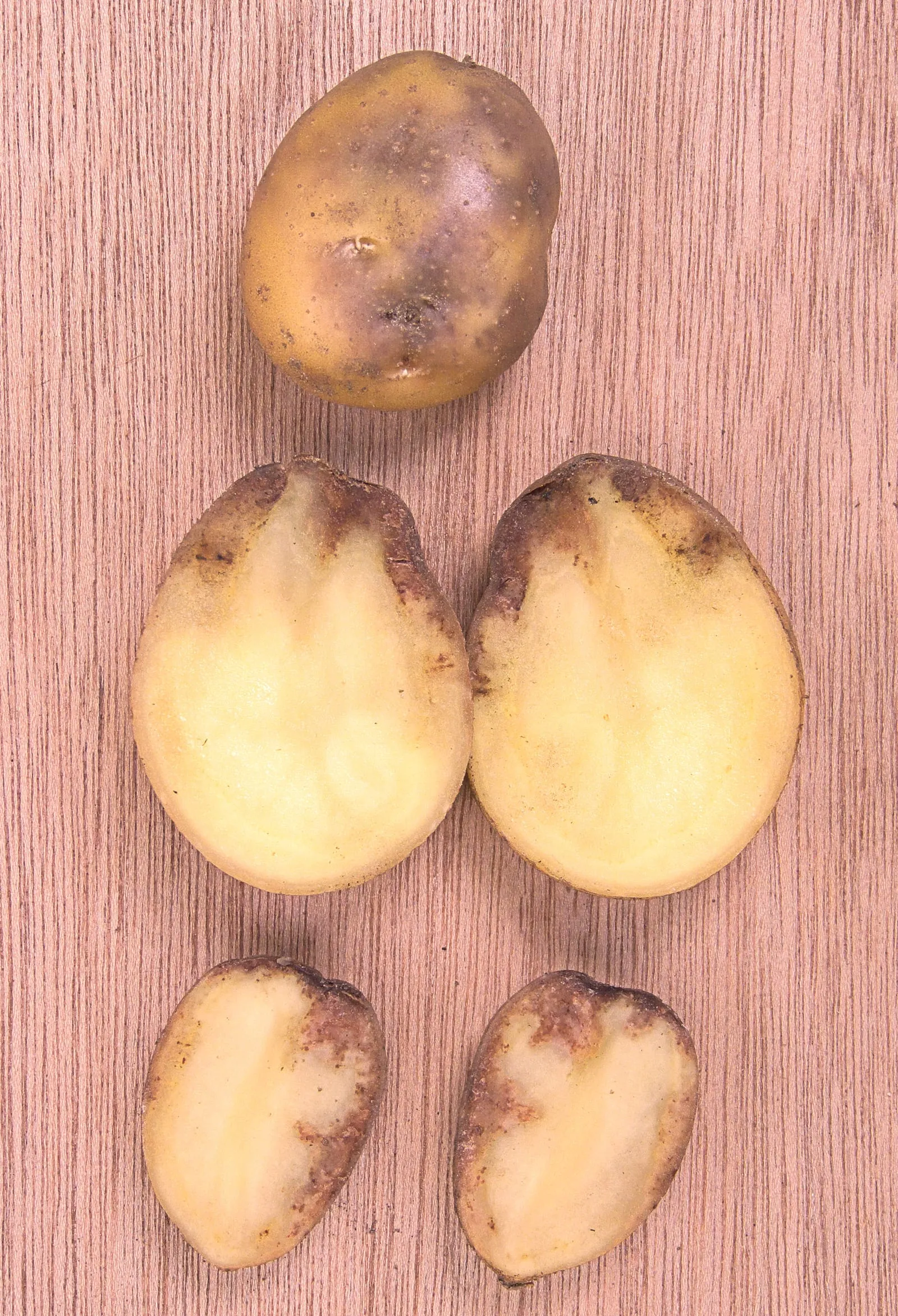
Phytophthora infestans
The pathogen responsible for the Irish Potato Famine. Devastating in cool wet weather; can destroy a tomato planting in days.
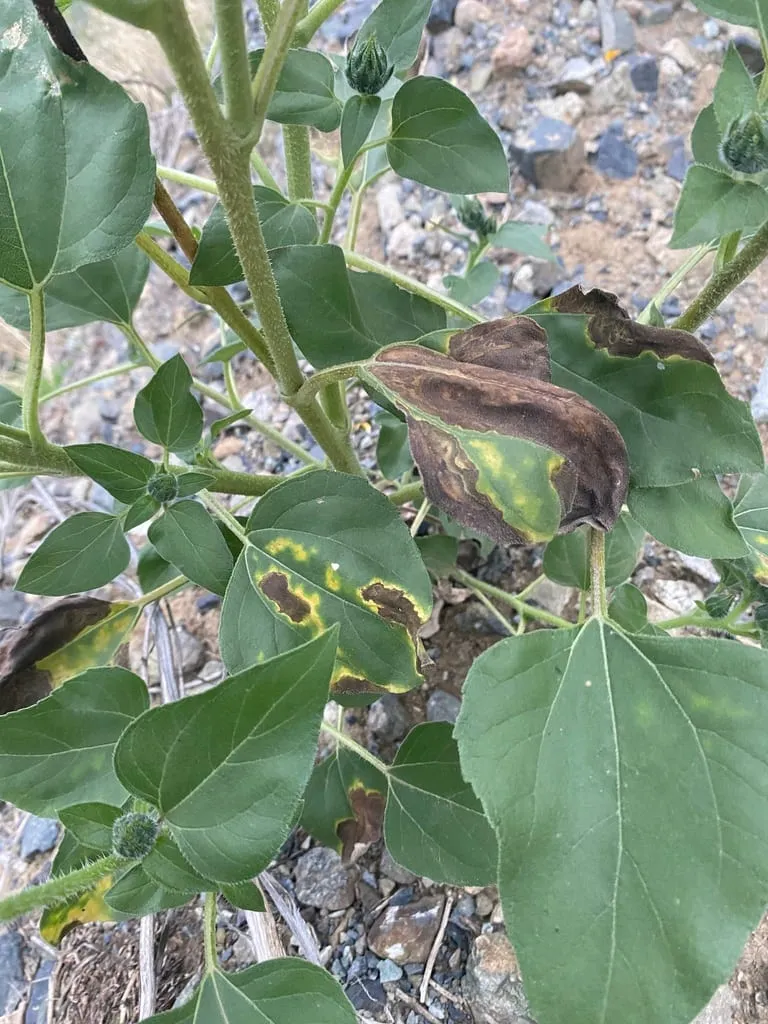
Verticillium dahliae
Soil-borne fungal disease similar to fusarium wilt but with broader host range and cooler temperature optimum. Persists in soil for 10+ years.
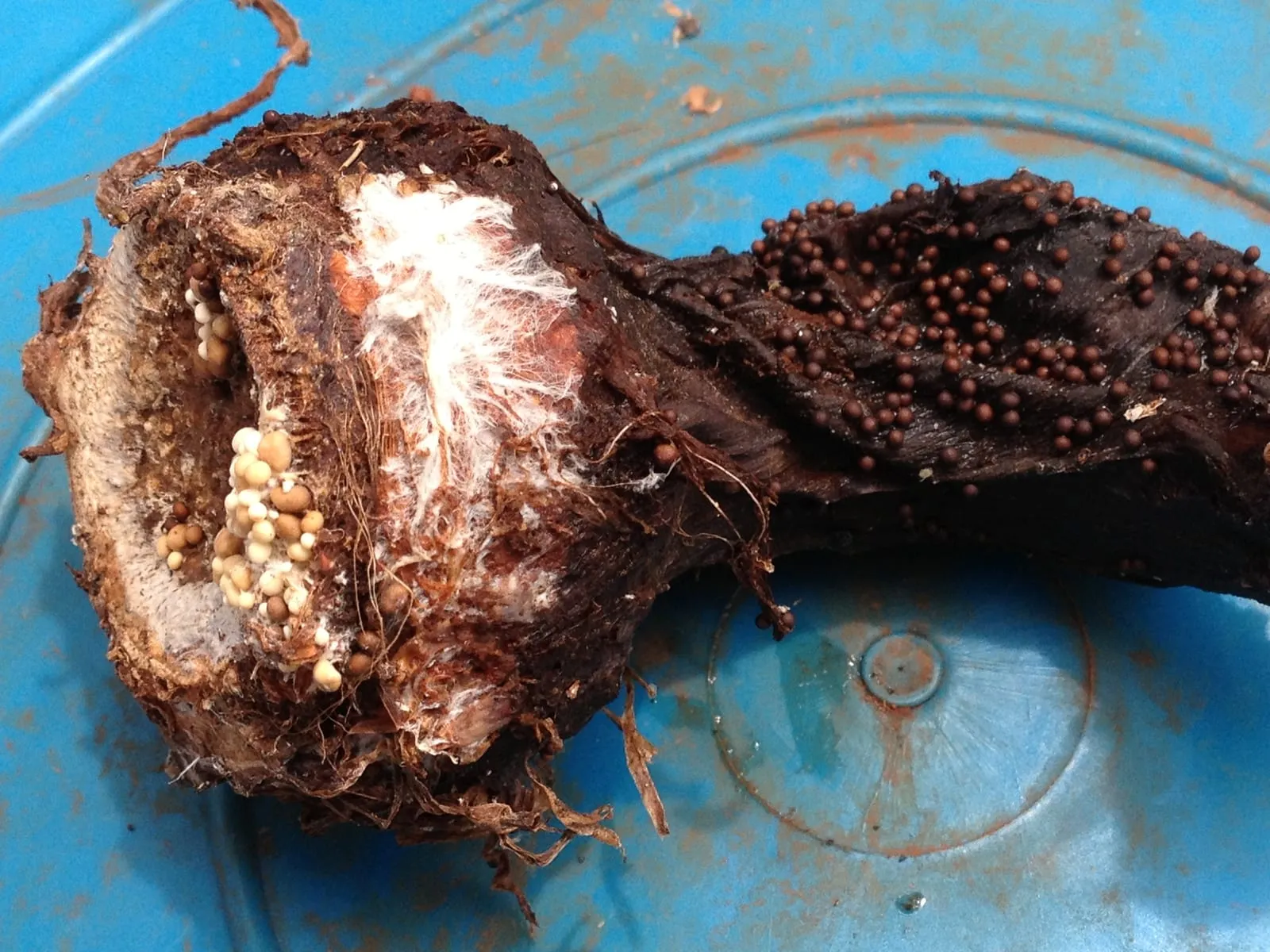
Sclerotium rolfsii
Soil-borne fungal disease most damaging in warm humid Southern conditions. White mycelial fans and small mustard-seed-sized sclerotia at the soil line are diagnostic.
Modified care for zone 3b
Variety selection is the first and most important adaptation in zone 3b. Prioritize cultivars with 65 to 80 day maturity. Beyond selection, soil warming at planting time expands the effective season. Black plastic mulch raises soil temperature 5 to 8°F above ambient, allowing planting 1 to 2 weeks earlier without waiting for natural soil warm-up. Row covers used early in the season provide similar benefit and double as frost insurance.
Late Blight pressure in zone 3b tracks summer rainfall closely. A wet July can accelerate Phytophthora infestans rapidly in the cool temperatures zone 3b summers produce. Scout weekly once foliage establishes, and apply copper-based fungicides preventively in high-rainfall years rather than reactively once symptoms appear. Early Blight is generally less severe here than in warmer regions but still warrants attention by August.
Verticillium Wilt is managed through rotation. Keep potatoes out of any bed where solanaceous crops grew in the previous 3 to 4 seasons. This is standard advice everywhere but matters more in zone 3b, where the compressed season leaves no time to recover from a disease-weakened plant.
Potato in adjacent zones
Image: "Solanum tuberosum Red Scarlett20170523 7825", by Bff, via Wikimedia Commons, licensed under CC-BY Source.

Related