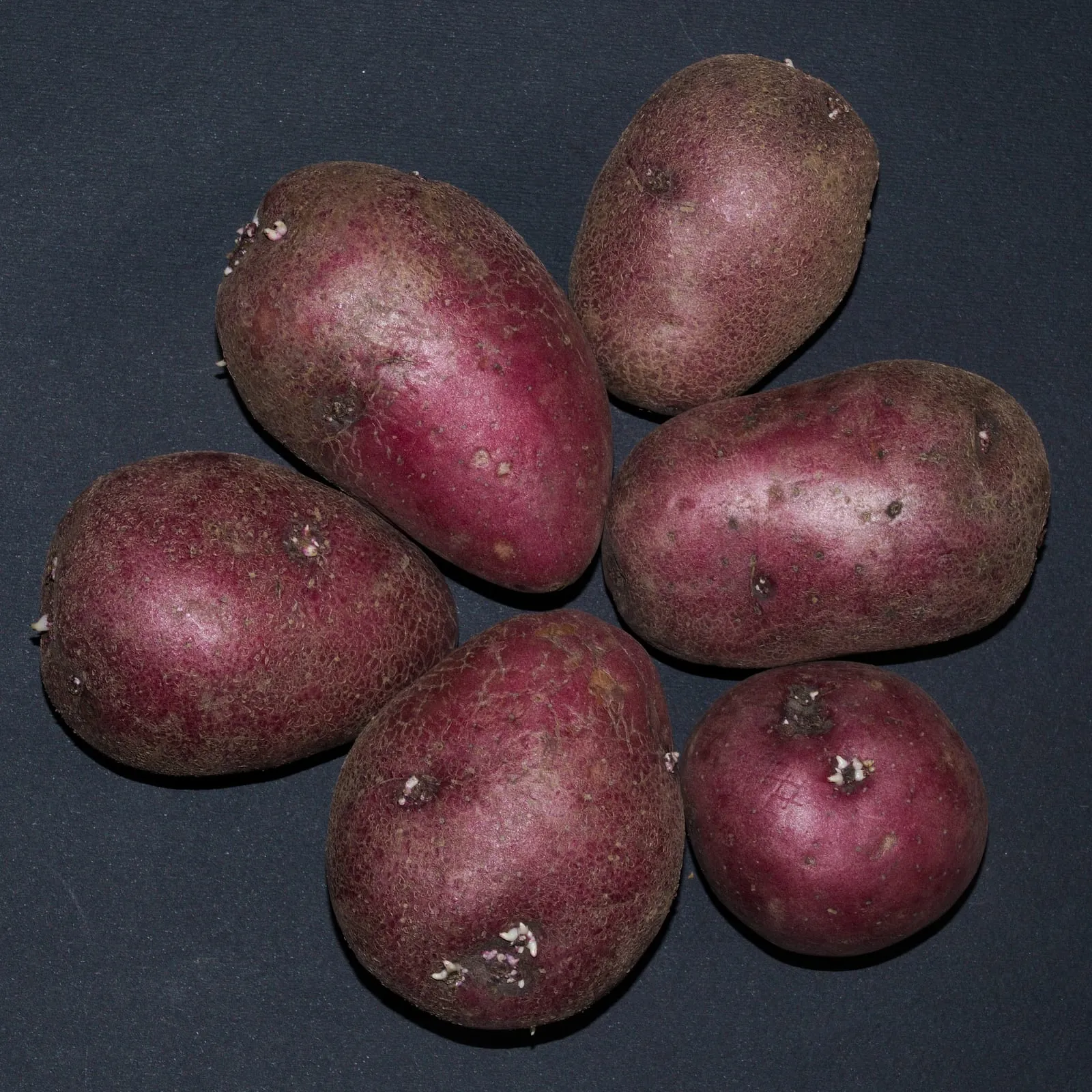
vegetable in zone 3a
Growing potato in zone 3a
Solanum tuberosum
- Zone
- 3a -40°F to -35°F
- Growing season
- 90 days
- Suitable varieties
- 1
- Days to harvest
- 70 to 120
The verdict
Potato is well-suited to zone 3a, arguably better adapted here than in warmer parts of the country. As a cool-season crop, potato performs best when soil temperatures stay between 45°F and 65°F and declines in quality when summer heat pushes consistently above 80°F. Zone 3a's 90-day growing season aligns closely with the maturation window of early-season varieties.
Potato has no chill-hour requirement in the way fruit trees do; the limiting factor in zone 3a is season length, not winter cold. Seed potatoes are planted fresh each spring, so the question is not whether the crop can survive -40°F winters but whether the growing window is long enough to reach maturity. For early varieties like Red Norland, which matures in approximately 70 days, it is. Mid-season and late-season varieties are generally not reliable in zone 3a and should be avoided. This is a workable zone for potato, not a marginal one, provided variety selection stays within the early-maturity window.
Recommended varieties for zone 3a
1 cultivar suited to this zone, with disease-resistance and zone-fit annotations.
| Variety | Notes | Zone fit | Disease resistance |
|---|---|---|---|
| Red Norland fits zone 3a | Waxy, moist, mild flavor; thin-skinned red new potato. Boiling, salads, roasting whole. Early variety, can dig as small new potatoes 60 days after planting. | | none noted |
Critical timing for zone 3a
Planting in zone 3a begins once soil temperatures reach 45°F and hard frost risk has dropped substantially, typically mid-to-late May. Last frost dates in this zone commonly fall in late May to early June, so many growers plant at the tail end of that window and hill soil around emerging plants to buffer any late cold snap.
Flowering occurs roughly 6 to 8 weeks after planting, placing it in July for most zone 3a plantings. Harvest for Red Norland runs from late July through mid-August depending on exact planting date. First fall frosts in zone 3a can arrive as early as late August, so monitoring forecasts and harvesting before ground frost is a practical necessity rather than an optional precaution.
Common challenges in zone 3a
- ▸ Very short growing season
- ▸ Late spring frosts
- ▸ Limited fruit-tree options
- ▸ Heavy mulching required
Disease pressure to watch for
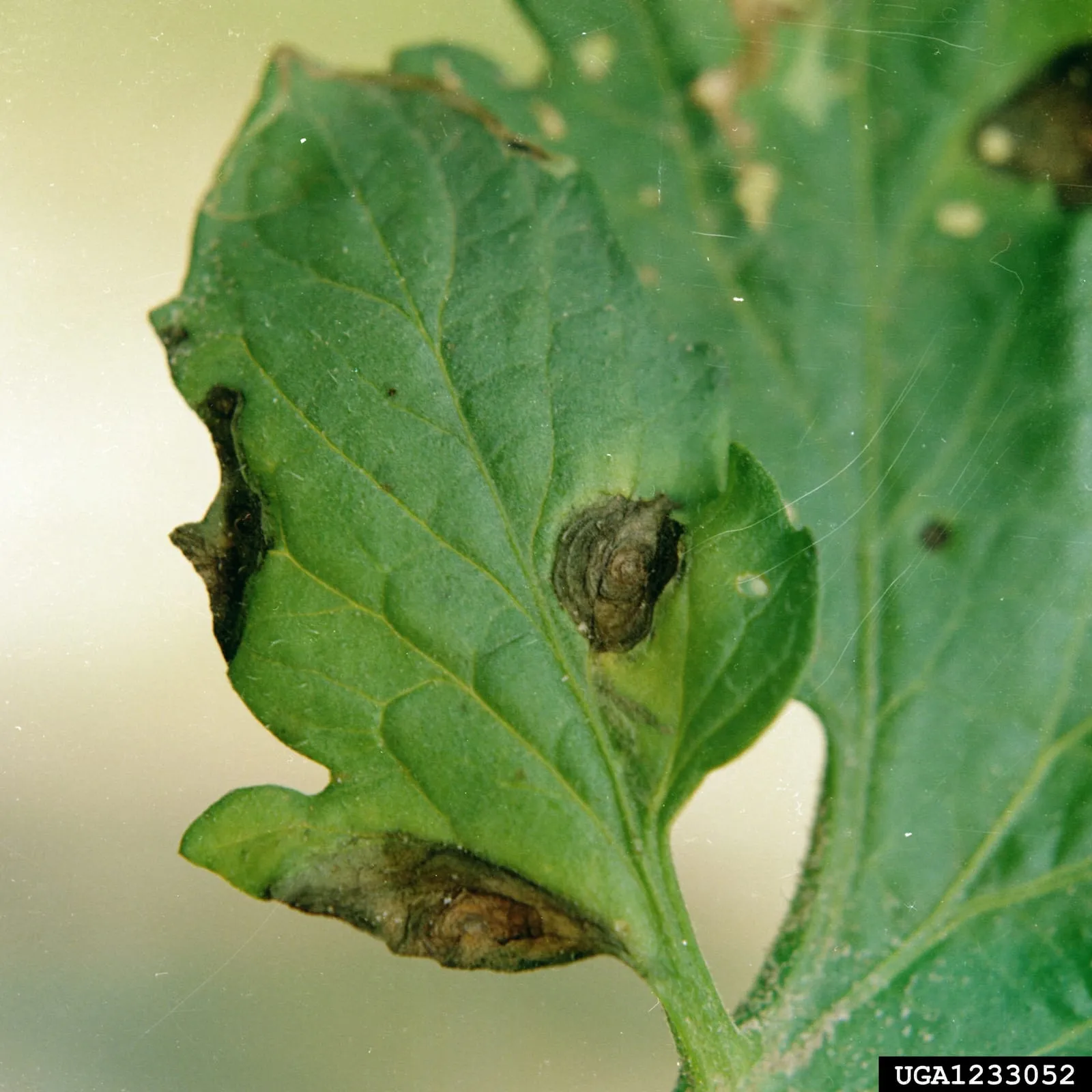
Alternaria solani
Fungal disease starting on lower leaves and progressing upward. The most common tomato and potato leaf disease in the eastern US.
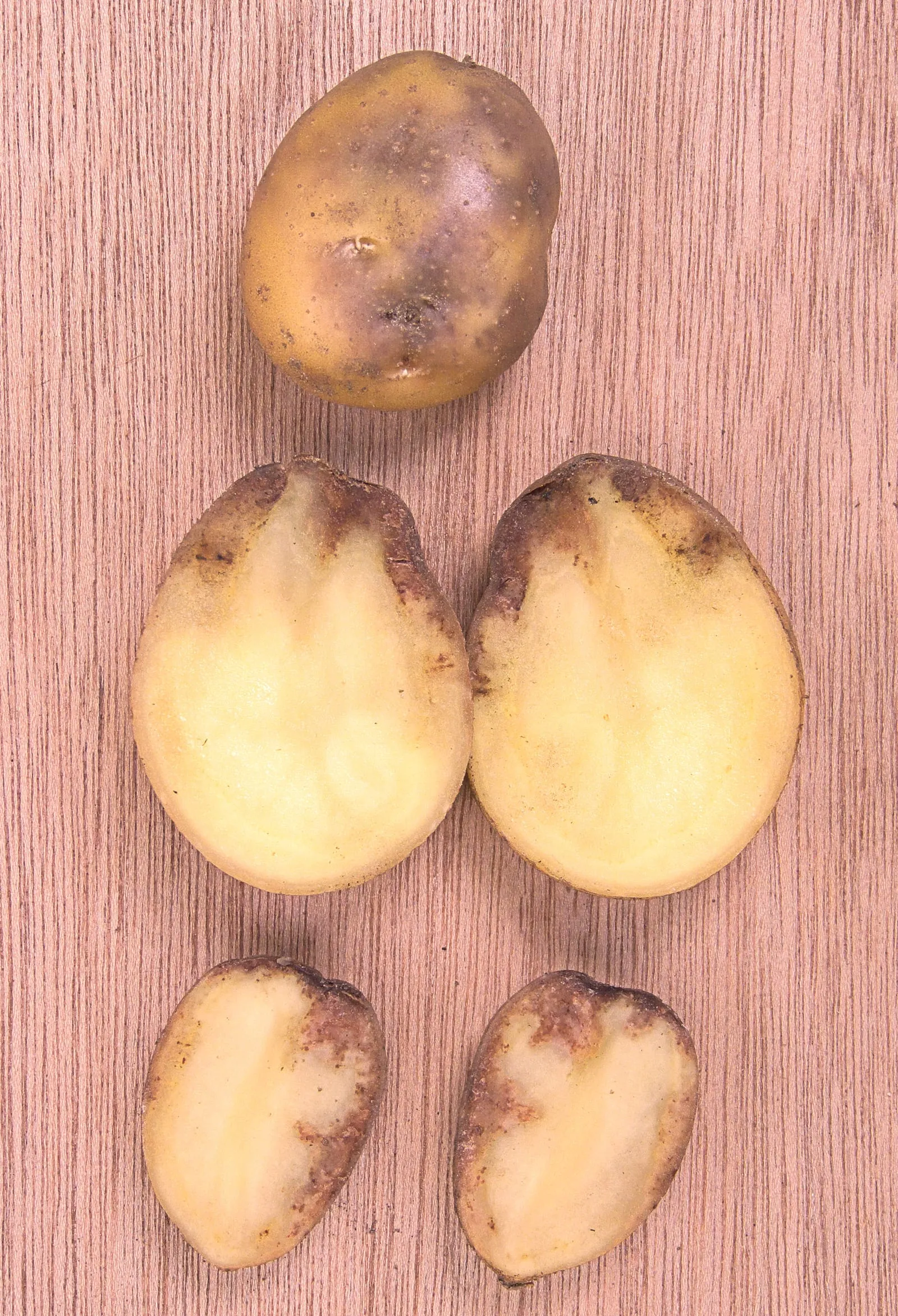
Phytophthora infestans
The pathogen responsible for the Irish Potato Famine. Devastating in cool wet weather; can destroy a tomato planting in days.
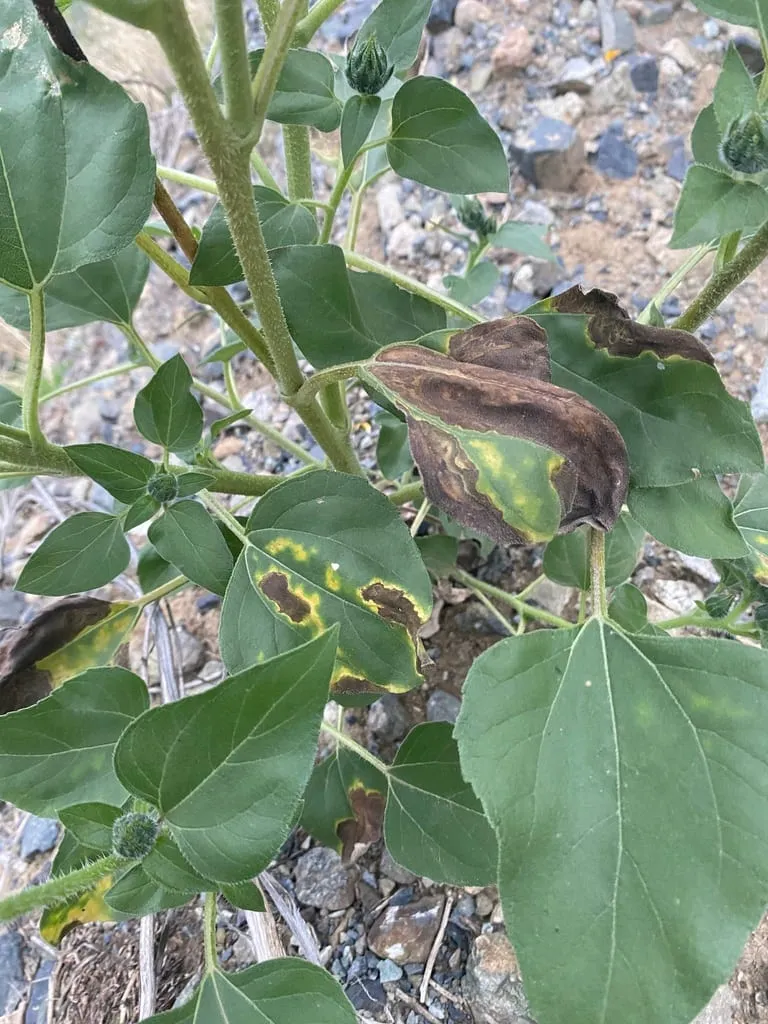
Verticillium dahliae
Soil-borne fungal disease similar to fusarium wilt but with broader host range and cooler temperature optimum. Persists in soil for 10+ years.
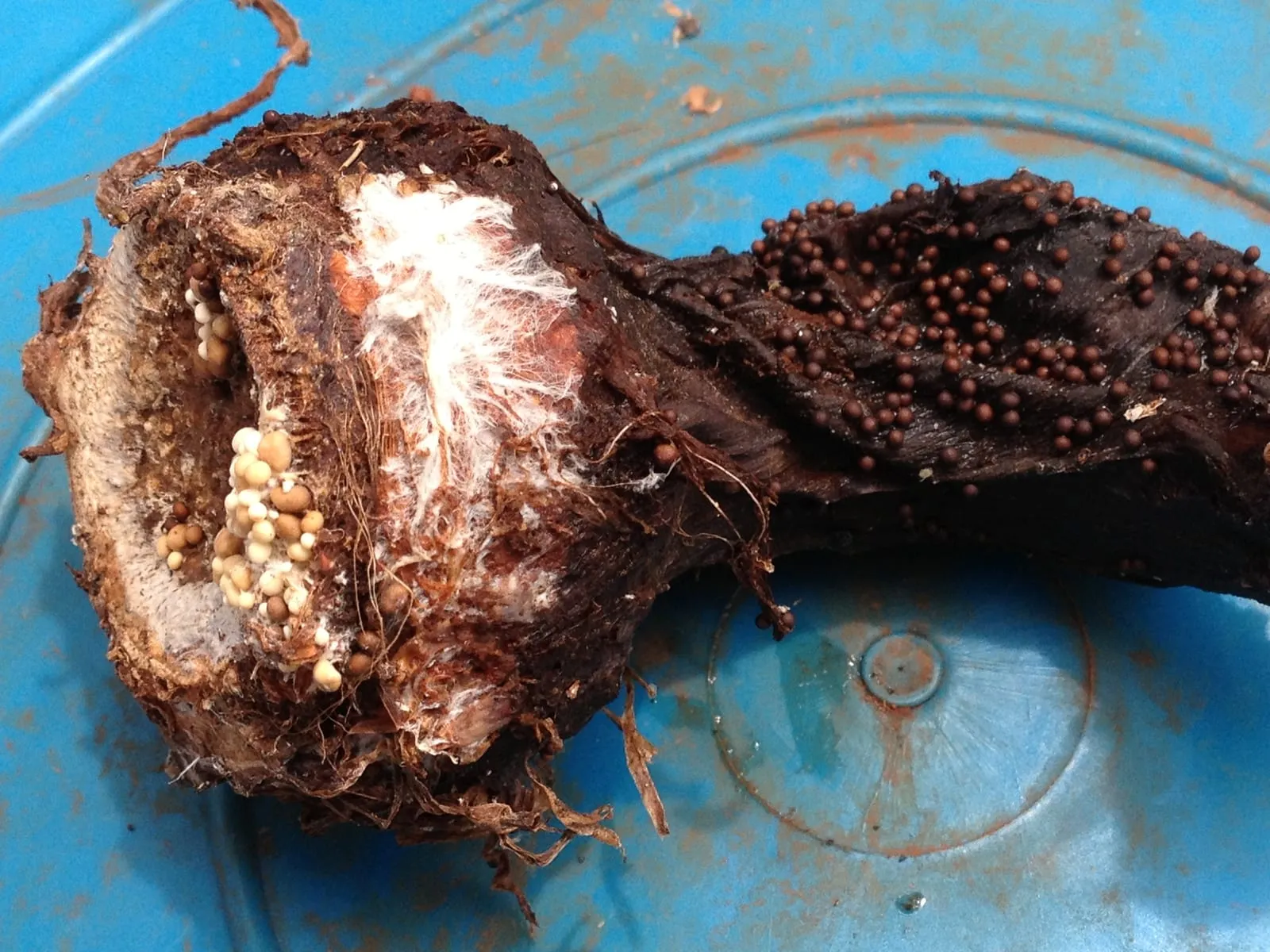
Sclerotium rolfsii
Soil-borne fungal disease most damaging in warm humid Southern conditions. White mycelial fans and small mustard-seed-sized sclerotia at the soil line are diagnostic.
Modified care for zone 3a
The primary adjustment in zone 3a is compressing all tasks into a narrow window without cutting corners. Pre-sprouting seed potatoes indoors 2 to 4 weeks before planting (chitting) gives a head start that can add meaningful production time. In a 90-day zone, losing a week to slow emergence carries real cost.
Early Blight and Late Blight are both concerns in cool, humid growing environments. Zone 3a's summer nights stay cold, which keeps foliage slow to dry and creates conditions where blight spreads readily if plants are crowded or irrigated overhead. Spacing rows for airflow and using drip or furrow irrigation substantially reduces exposure. Verticillium Wilt persists in soil for several years; rotating planting beds on a 3-to-4-year cycle is the most reliable management available to home growers. Heavy mulching after hilling moderates soil temperature swings and retains moisture through the compressed summer.
Potato in adjacent zones
Image: "Solanum tuberosum Red Scarlett20170523 7825", by Bff, via Wikimedia Commons, licensed under CC-BY Source.

Related