vegetable in zone 4a
Growing garlic in zone 4a
Allium sativum
- Zone
- 4a -30°F to -25°F
- Growing season
- 120 days
- Suitable varieties
- 3
- Days to harvest
- 240 to 270
The verdict
Zone 4a is a genuine sweet spot for hardneck garlic. Unlike many crops that struggle at the lower end of the USDA map, garlic requires cold vernalization to form proper bulbs, and zone 4a's winter lows of -30 to -25°F deliver that reliably. Hardneck types, which dominate cold-climate selections, need sustained cold to trigger the bulb-splitting process; a warm or inconsistent winter often yields undivided or poorly formed bulbs.
The 120-day frost-free growing season is sufficient for garlic, which completes most of its development before the ground freezes in fall and resumes growth quickly in spring. Softneck varieties generally underperform in zone 4a because they lack the cold hardiness needed to survive unprotected in the soil through severe winters. Inchelium Red, a softneck, is an exception worth noting: it is hardier than most softnecks and has performed reasonably in cold climates, though it benefits more from heavy mulching here than in milder zones.
Overall, zone 4a growers should expect consistent, high-quality hardneck harvests when planting timing and mulching are handled correctly.
Recommended varieties for zone 4a
3 cultivars suited to this zone, with disease-resistance and zone-fit annotations.
| Variety | Notes | Zone fit | Disease resistance |
|---|---|---|---|
| Music fits zone 4a | Pungent-sweet, balanced, bright flavor; large white-skinned hardneck cloves (4-6 per bulb). Roasting, fresh, all-purpose cooking. Cold-hardy hardneck, stores 6-8 months. The home-grower's hardneck standard. | | none noted |
| German Extra Hardy fits zone 4a | Strong, robust, traditional garlic punch; tan-skinned porcelain hardneck. Roasting, fresh, raw applications. Very cold-hardy, stores 8-10 months, large cloves easy to peel. | | none noted |
| Inchelium Red fits zone 4a | Mild, complex, slightly sweet softneck; many small cloves per bulb. All-purpose cooking, fresh, braiding for storage. Stores 8-10 months. Cold-tolerant softneck rare for the type. | | none noted |
Critical timing for zone 4a
Garlic in zone 4a is planted in fall, typically from late September through mid-October, once soil temperatures drop below 50°F but before the ground freezes hard. Cloves establish roots before dormancy sets in. Spring green-up occurs as soon as soil thaws, often April.
Hardneck types send up scapes (flowering stalks) in late June to early July. Removing scapes promptly redirects energy into bulb development. Harvest follows 2 to 3 weeks after scape removal, generally mid- to late July. Late frosts in April or May can tip-burn emerging foliage but rarely kill established plants; the foliage damage is cosmetic and growth resumes from the protected clove.
Harvest before the outer wrapper leaves break down. In zone 4a's shorter season, watching leaf senescence is the most reliable harvest indicator.
Common challenges in zone 4a
- ▸ Late frosts damage early bloomers
- ▸ Limited peach varieties
Disease pressure to watch for
Modified care for zone 4a
The primary adaptation in zone 4a is mulching. After fall planting, apply 4 to 6 inches of clean straw over the bed once the ground begins to freeze. This insulates against the hard temperature swings of a zone 4a winter and prevents frost heaving, which can push newly planted cloves to the surface. Remove mulch in stages in spring as temperatures stabilize, leaving a thin layer to suppress weeds during early growth.
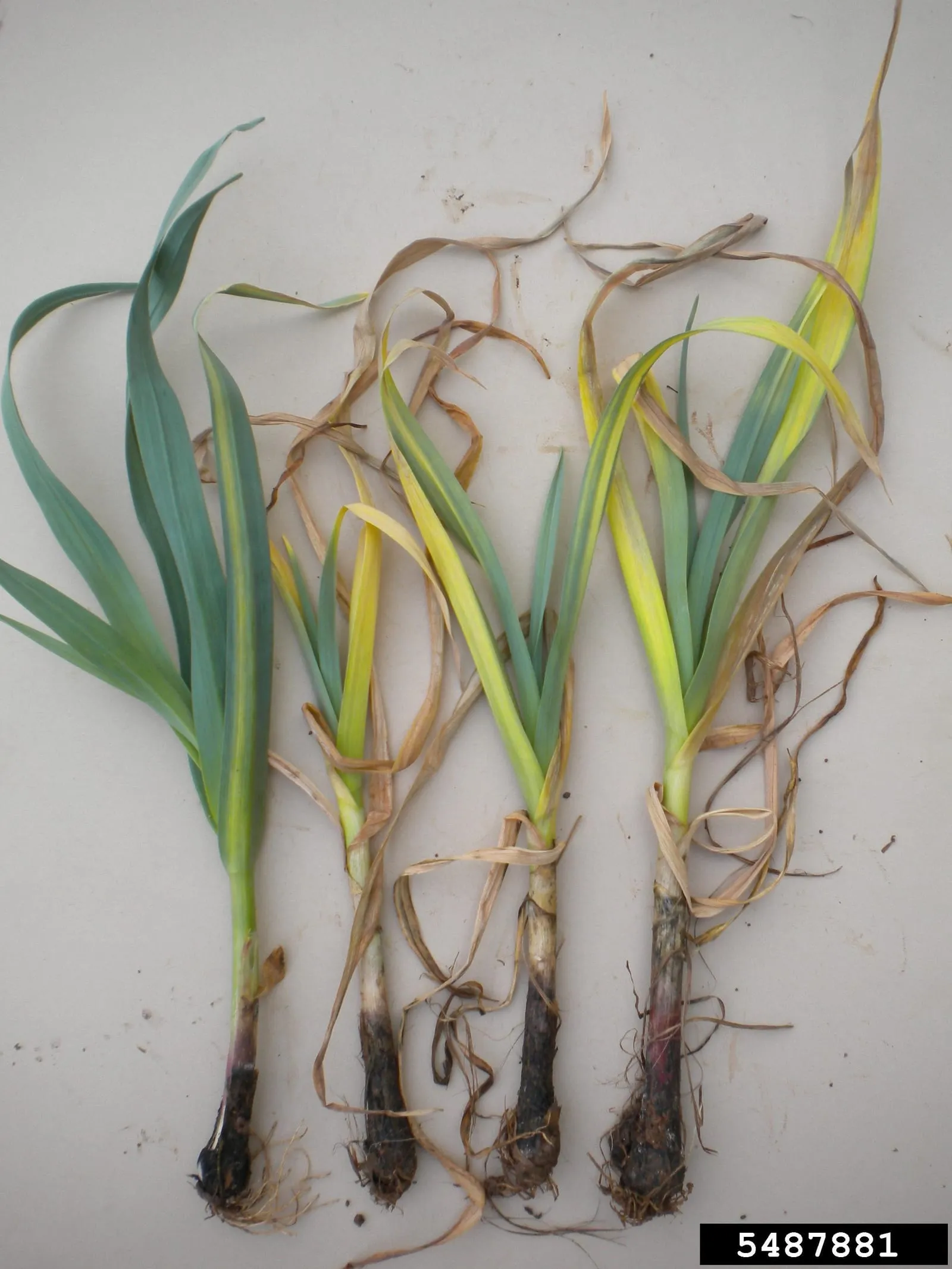
Onion White Rot (Sclerotium cepivorum) is the disease concern for alliums here. The pathogen produces sclerotia that can persist in soil for 20 or more years, so rotation into a previously unaffected area is the most reliable management. Avoid moving soil or tools from infected beds. There are no curative treatments once the pathogen is established.
Variety selection does most of the work in this zone. Music and German Extra Hardy are dependably cold-tolerant without additional winter protection beyond standard mulching.
Frequently asked questions
- Can softneck garlic varieties survive a zone 4a winter?
Most softneck varieties are not reliably hardy in zone 4a without heavy mulching. Inchelium Red is an exception and can overwinter with a 4 to 6 inch straw mulch layer, but hardneck varieties like Music and German Extra Hardy are the more dependable choices for this zone.
- When should garlic be planted in zone 4a?
Plant from late September through mid-October, after soil temperatures drop below 50°F but before the ground freezes. This timing allows cloves to establish roots before dormancy while preventing premature top growth that could be damaged by early hard frosts.
- What is Onion White Rot and how does it affect garlic in zone 4a?
Onion White Rot is a soil-borne fungal disease caused by Sclerotium cepivorum that rots the roots and basal plate of garlic and other alliums. Its sclerotia can persist in soil for decades, making crop rotation the primary management strategy. Once confirmed in a bed, avoid planting any allium in that area for many years.
- Should garlic scapes be removed in zone 4a?
Yes. Hardneck varieties produce scapes in late June to early July in zone 4a. Removing them shortly after they curl redirects the plant's energy into bulb development and typically increases bulb size. Scapes are edible and have a mild garlic flavor.
+−
+−
+−
+−
Garlic in adjacent zones
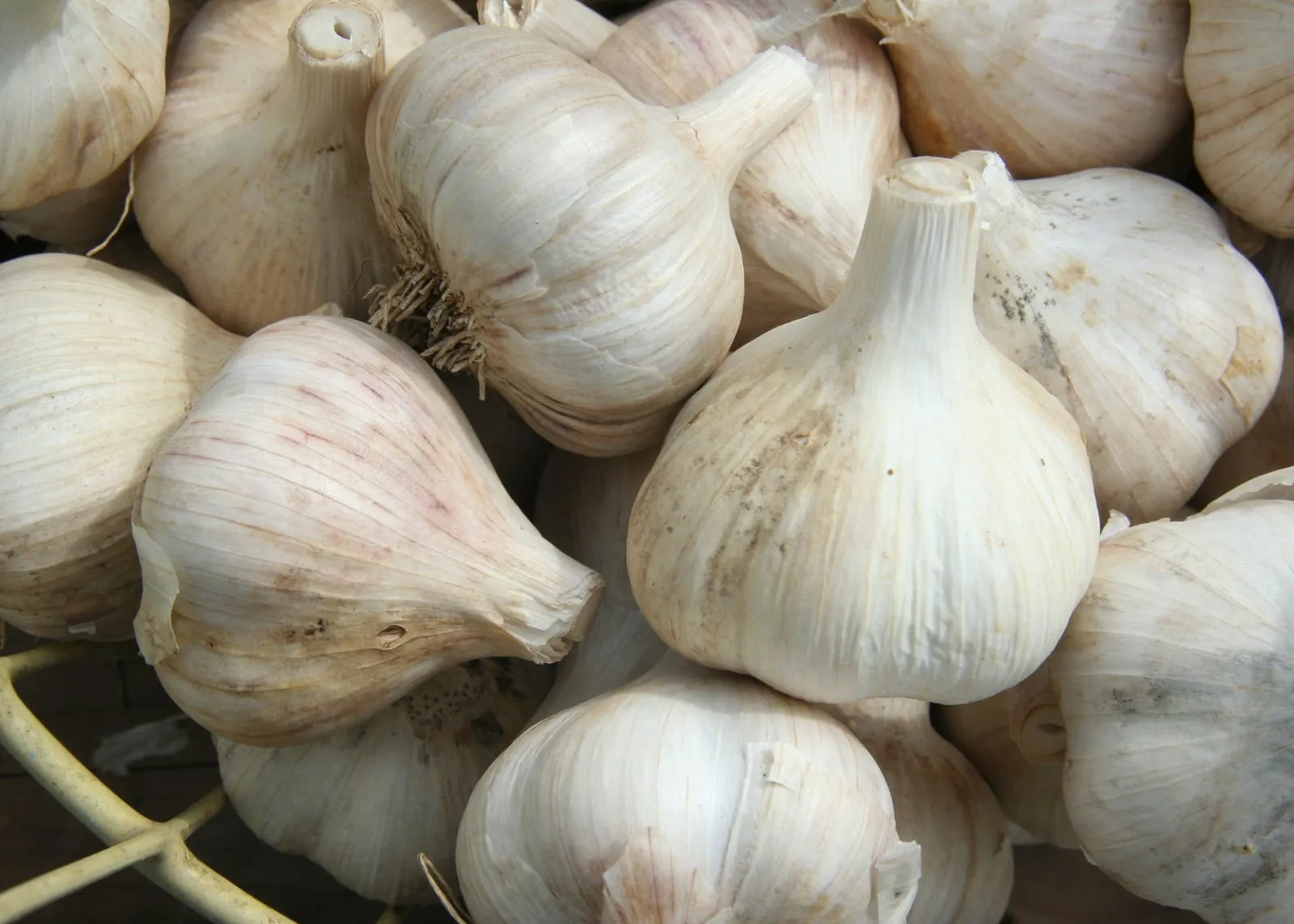
Image: "GarlicBasket", by Jonathunder, via Wikimedia Commons, licensed under CC-BY Source.

Related