vegetable in zone 4b
Growing garlic in zone 4b
Allium sativum
- Zone
- 4b -25°F to -20°F
- Growing season
- 130 days
- Suitable varieties
- 3
- Days to harvest
- 240 to 270
The verdict
Zone 4b is a genuine sweet spot for hardneck garlic, not a marginal case. Garlic requires cold vernalization to initiate proper bulb development, and the sustained winter temperatures in zone 4b (-25 to -20°F) deliver well beyond the threshold most hardneck varieties need. The 130-day growing season, while short relative to warmer zones, is sufficient because garlic is planted in fall and spends the winter in the ground, not competing for summer growing days.
Varieties like Music and German Extra Hardy were selected specifically for this kind of cold exposure. Inchelium Red, a softneck type, is somewhat less typical for zone 4b but handles the winters reliably with adequate mulch protection. Where growers in zones 7 and 8 struggle with incomplete vernalization and soft, poorly-formed bulbs, zone 4b consistently produces firm, well-differentiated bulbs with good storage potential. The cold is an asset here, not an obstacle.
Recommended varieties for zone 4b
3 cultivars suited to this zone, with disease-resistance and zone-fit annotations.
| Variety | Notes | Zone fit | Disease resistance |
|---|---|---|---|
| Music fits zone 4b | Pungent-sweet, balanced, bright flavor; large white-skinned hardneck cloves (4-6 per bulb). Roasting, fresh, all-purpose cooking. Cold-hardy hardneck, stores 6-8 months. The home-grower's hardneck standard. | | none noted |
| German Extra Hardy fits zone 4b | Strong, robust, traditional garlic punch; tan-skinned porcelain hardneck. Roasting, fresh, raw applications. Very cold-hardy, stores 8-10 months, large cloves easy to peel. | | none noted |
| Inchelium Red fits zone 4b | Mild, complex, slightly sweet softneck; many small cloves per bulb. All-purpose cooking, fresh, braiding for storage. Stores 8-10 months. Cold-tolerant softneck rare for the type. | | none noted |
Critical timing for zone 4b
Cloves go in the ground in late September to mid-October in zone 4b, before the soil freezes but after temperatures have dropped enough to slow top growth. Root establishment happens through fall; shoots typically emerge the following April as soil temps climb above 40°F.
Scapes on hardneck varieties appear in late June and should be removed promptly to redirect energy into bulb sizing. Harvest falls in late July to early August, once the lower three or four leaf sheaths have browned. Zone 4b's last frost typically runs into late May, which can clip emerging shoots, but established garlic tolerates light frost without significant damage. The tighter spring window mainly affects planting timing for companion crops rather than garlic itself.
Common challenges in zone 4b
- ▸ Spring frost timing
- ▸ Apple scab pressure
- ▸ Cane berry winter dieback
Disease pressure to watch for
Modified care for zone 4b
The primary winter protection task in zone 4b is mulching immediately after the ground surface begins to freeze, typically November. A 4 to 6 inch layer of straw insulates cloves through the coldest periods without trapping excess moisture against the bulb. Removing mulch gradually in spring, rather than all at once, reduces the risk of frost damage to emerging shoots during the variable late-April and May period.
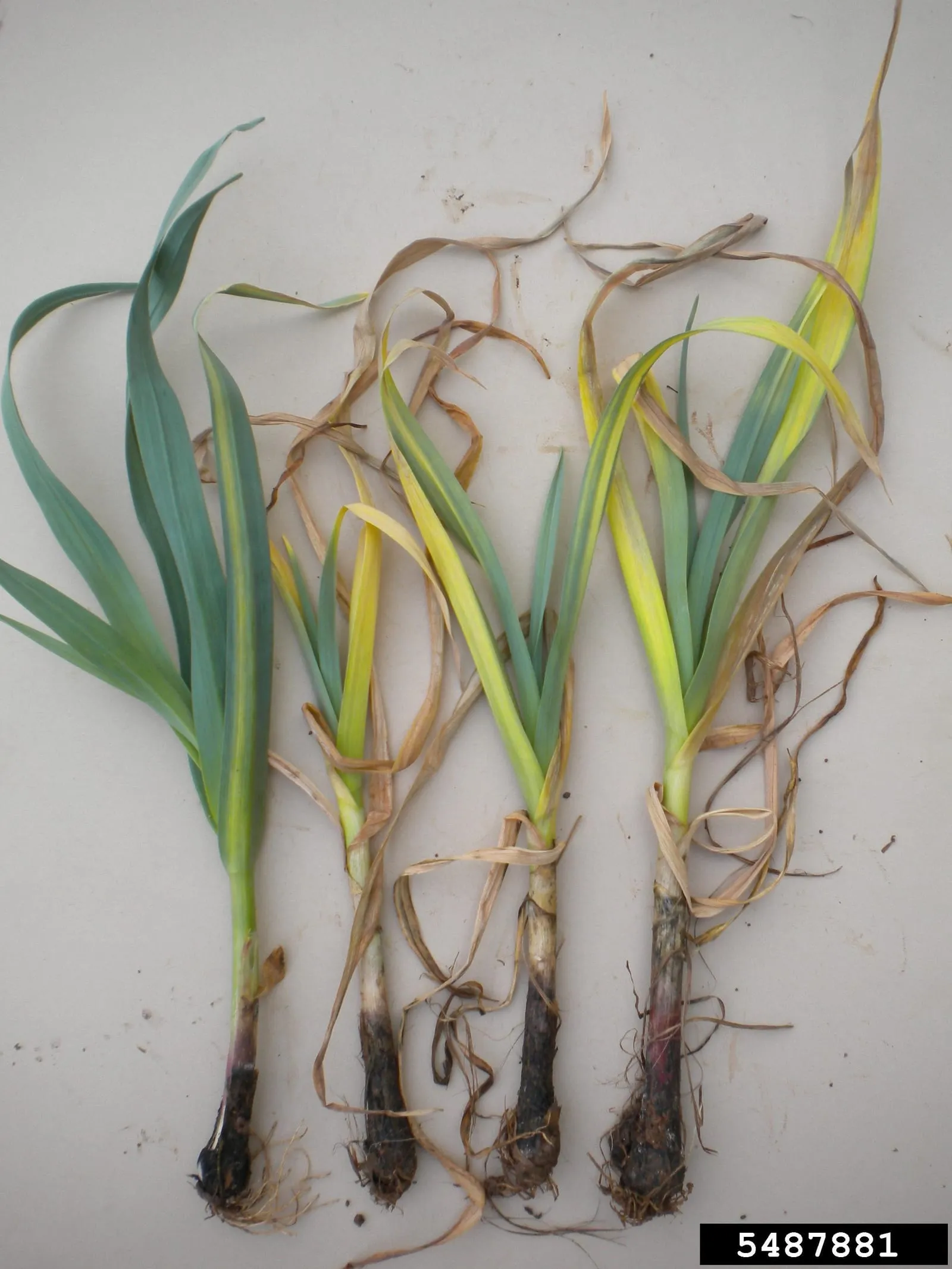
Onion White Rot (Sclerotium cepivorum) is the main disease concern for alliums in this region. The fungus persists in soil for decades, so rotation is the primary management tool. Keeping at least four years between allium plantings in any given bed is a reasonable minimum. Avoid introducing infected soil or planting stock. Because zone 4b summers are cooler, the conditions that favor rapid white rot progression are less common than in warmer zones, but the risk is not zero.
Frequently asked questions
- Is zone 4b too cold for garlic to survive winter?
No. Hardneck varieties bred for cold climates, including Music and German Extra Hardy, are rated to survive temperatures well below zone 4b's -25°F minimum when planted at the right depth and mulched after the ground begins to freeze. The cold is actually necessary for proper bulb development.
- Which garlic types perform best in zone 4b?
Hardneck types, particularly Rocambole and Purple Stripe varieties, are the standard choice for zone 4b. They require the extended cold vernalization that zone 4b provides. Softneck types like Inchelium Red are workable but benefit from reliable snow cover or supplemental mulching through the coldest months.
- When should garlic be planted in zone 4b?
Late September to mid-October is the target window. Planting too early encourages excessive top growth before winter; planting too late risks cloves going in after the soil has frozen. Aim for 4 to 6 weeks before the ground typically freezes solid in your specific location.
- How does Onion White Rot spread, and how is it prevented?
White rot spreads through infected soil, contaminated tools, and infected planting stock. It has no effective chemical remedy once established, and sclerotia persist in soil for 20 or more years. Strict rotation away from all alliums for at least four years per bed, combined with sourcing certified clean seed garlic, is the most reliable prevention.
+−
+−
+−
+−
Garlic in adjacent zones
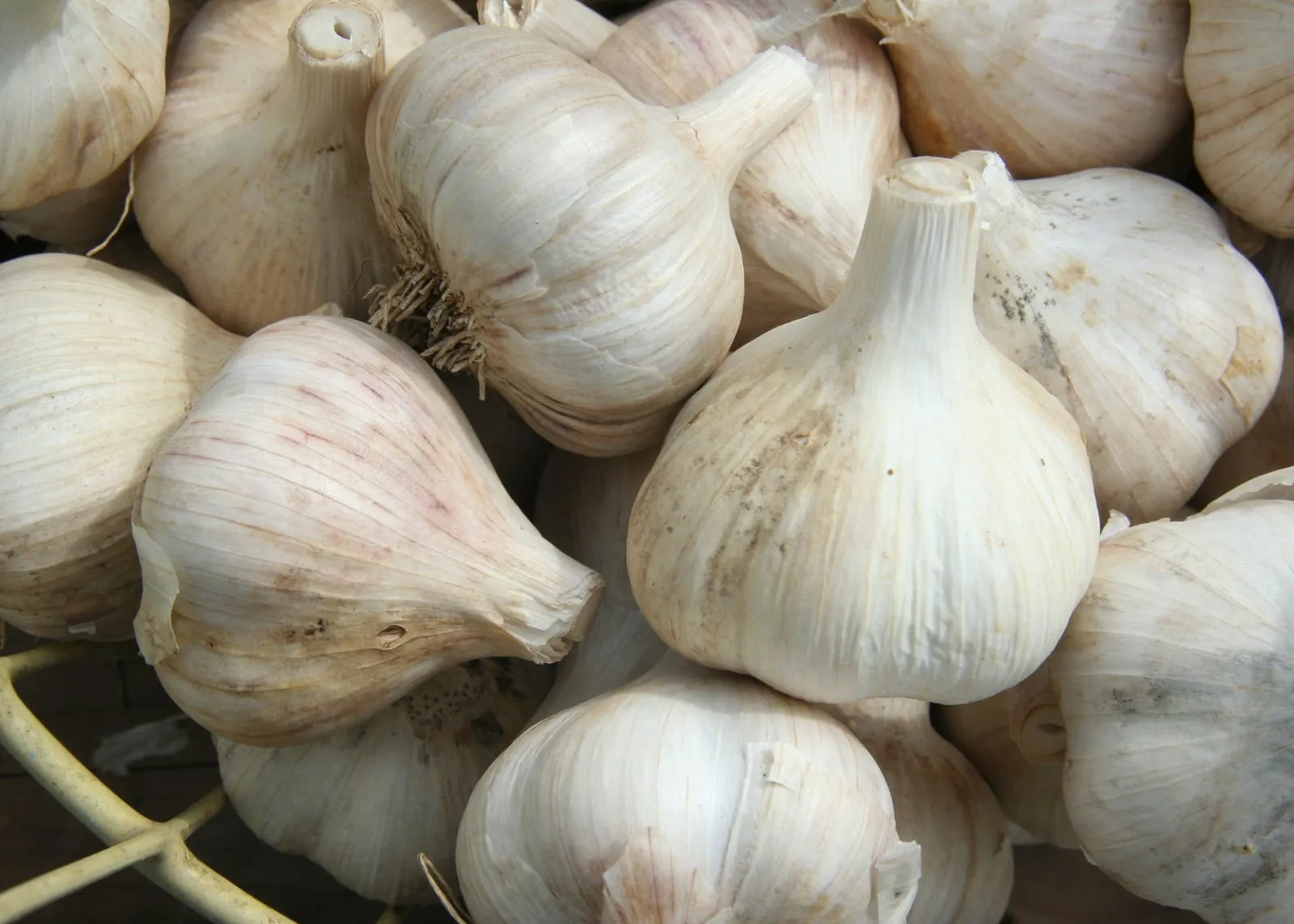
Image: "GarlicBasket", by Jonathunder, via Wikimedia Commons, licensed under CC-BY Source.

Related