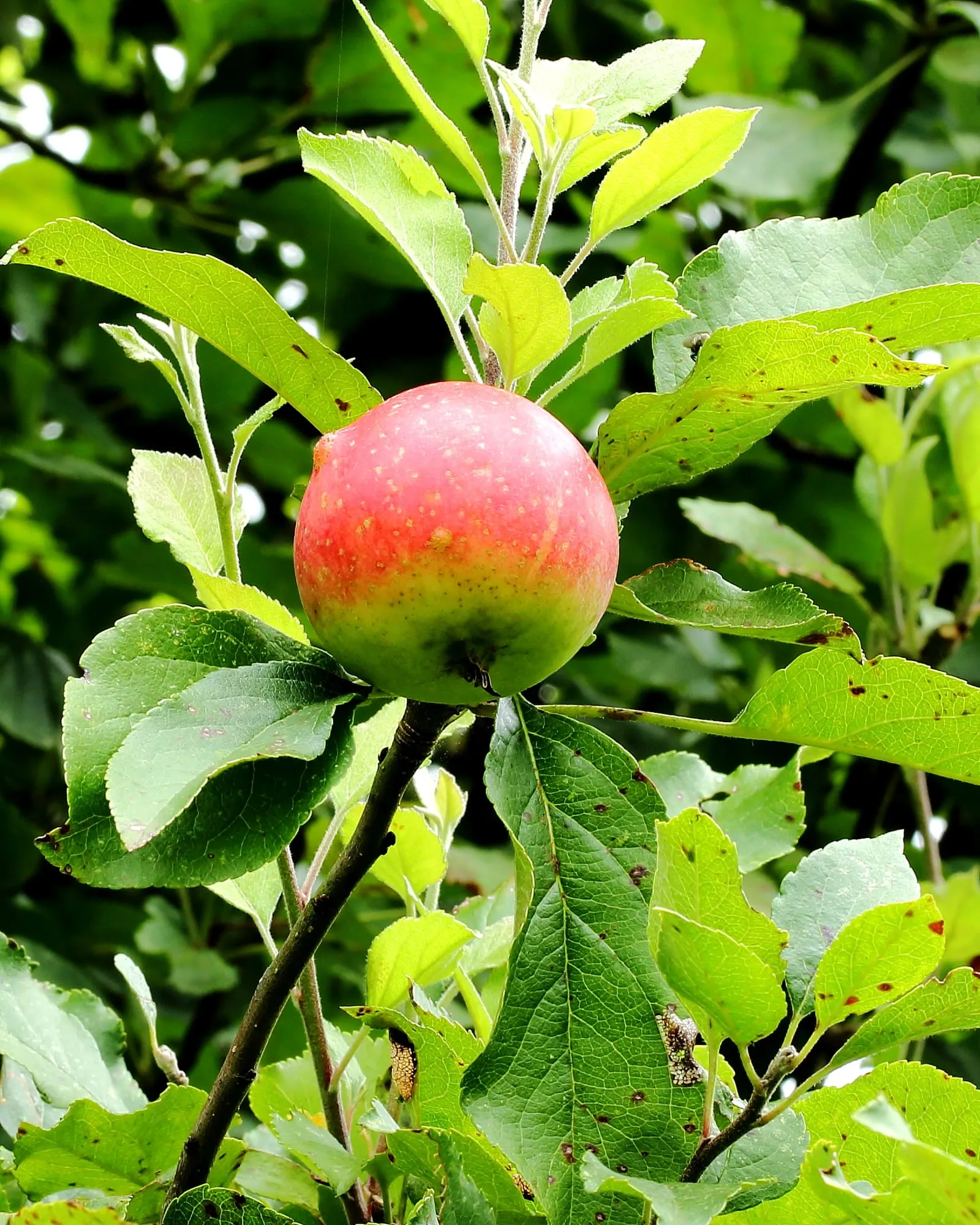
fruit tree in zone 8a
Growing apple in zone 8a
Malus domestica
- Zone
- 8a 10°F to 15°F
- Growing season
- 240 days
- Chill needed
- 400 to 1000 below 45°F
- Suitable varieties
- 2
- Days to harvest
- 120 to 200
The verdict
Apple requires 400 to 1,000 chill hours depending on variety, and zone 8a typically accumulates somewhere in the 300 to 500 hour range across most of its span. That makes zone 8a marginal to workable, depending entirely on variety selection. Standard high-chill cultivars bred for zones 5 to 7 will underperform or fail to set fruit consistently when chill requirements go unmet.
Low-chill selections are the practical path. Anna, which requires roughly 200 to 300 chill hours, performs reliably across zone 8a. Gala sits at approximately 400 to 500 chill hours required, which puts it at the borderline; results vary by year and by where in the zone the tree grows. Sites at the cooler edge of zone 8a accumulate meaningfully more chill than those near its warm boundary.
Zone 8a is a marginal zone for apple, not a natural fit. Success is achievable with the right variety sited in the coolest available microclimate, but growers should calibrate expectations accordingly.
Recommended varieties for zone 8a
2 cultivars suited to this zone, with disease-resistance and zone-fit annotations.
| Variety | Notes | Zone fit | Disease resistance |
|---|---|---|---|
| Gala fits zone 8a | Sweet, mild, juicy with thin skin; the classic kid-friendly snacking apple. Good fresh and in salads, less acid than older varieties so it browns quickly when cut. | | none noted |
| Anna fits zone 8a | Mild sweet flavor, crisp, similar to Gala in eating quality; fresh-eating apple bred for warm climates. Bears very early in season. | | none noted |
Critical timing for zone 8a
In zone 8a, low-chill apple varieties bloom early relative to high-chill counterparts, often pushing bloom in late January through February. That timing creates frost exposure risk: last frost dates across zone 8a typically fall between late February and mid-March, meaning a late cold event can hit open blossoms directly and sharply reduce fruit set for the season.
Harvest for Anna and similar low-chill selections falls in June through early July in most of zone 8a, completing well ahead of peak summer heat. The 240-day growing season provides more than enough time from bloom to maturity. The binding constraint is not season length but whether sufficient chill hours accumulated to produce a synchronized, productive bloom in the first place.
Common challenges in zone 8a
- ▸ Insufficient chill hours for some apple varieties
- ▸ Pierce's disease in grapes
- ▸ Heat stress on cool-season crops
Disease pressure to watch for
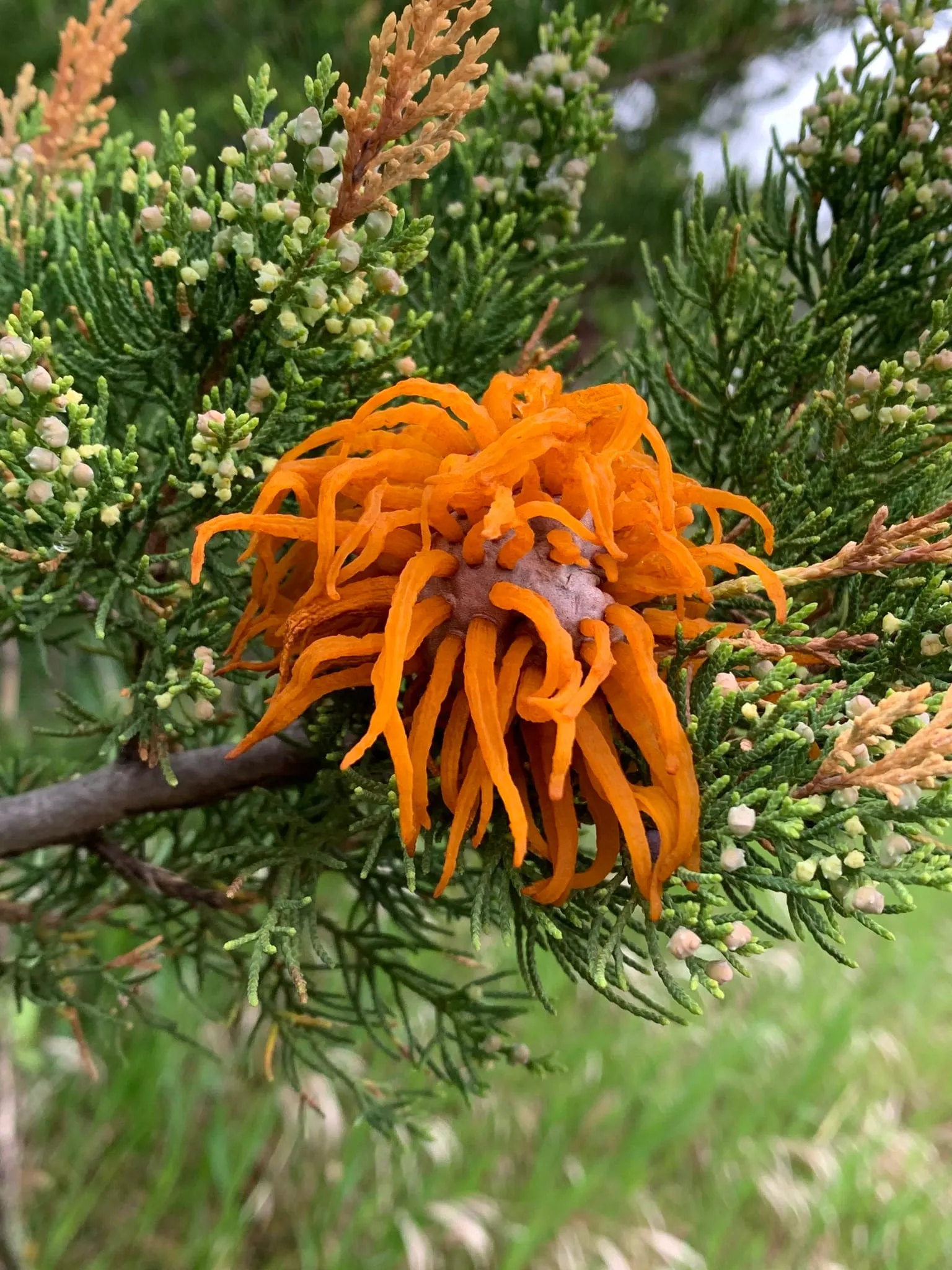
Gymnosporangium juniperi-virginianae
Two-host fungal disease alternating between apple and eastern red cedar. Severe pressure in regions with abundant cedar.
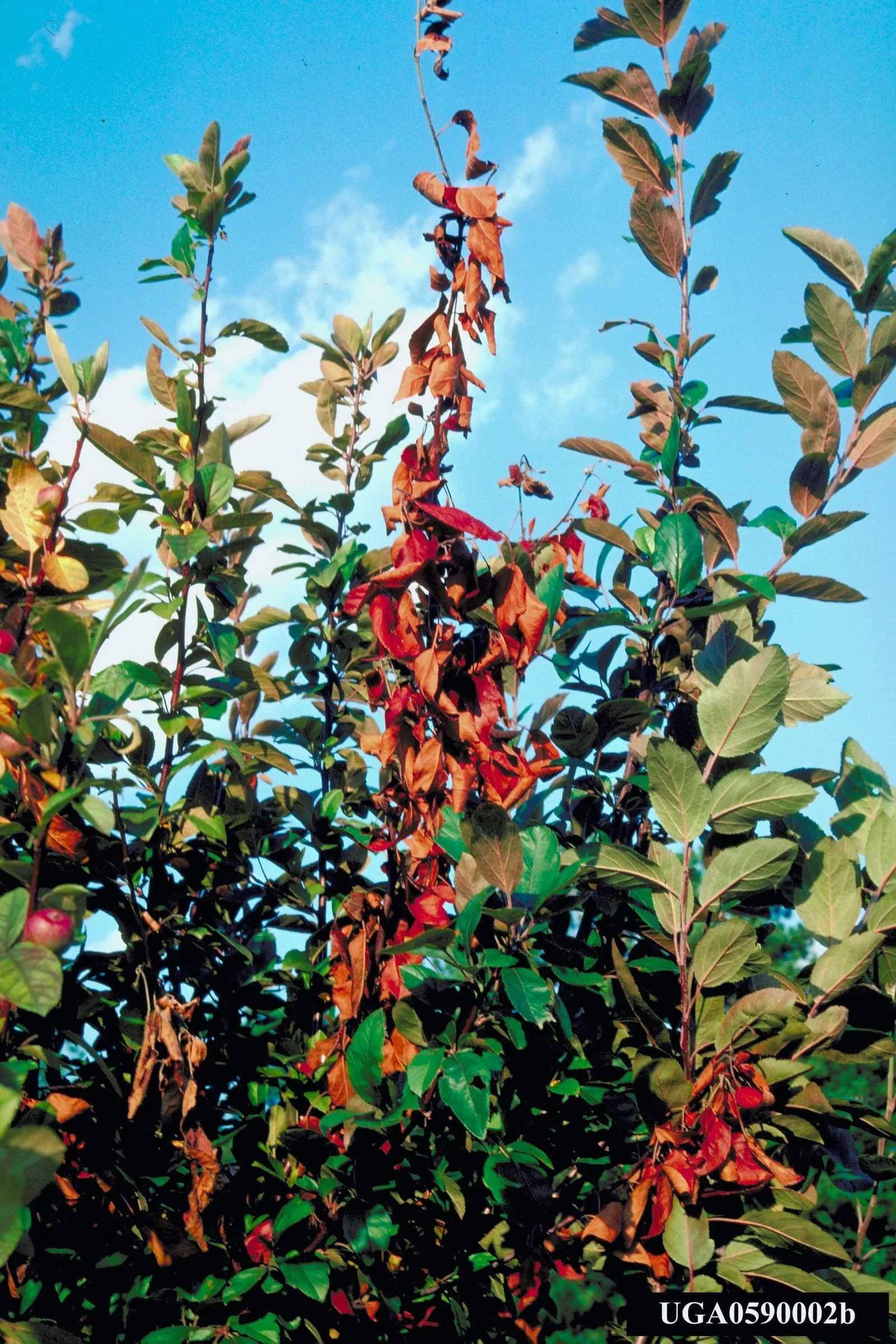
Erwinia amylovora
Devastating bacterial disease that can kill trees rapidly. Most severe in warm wet springs.
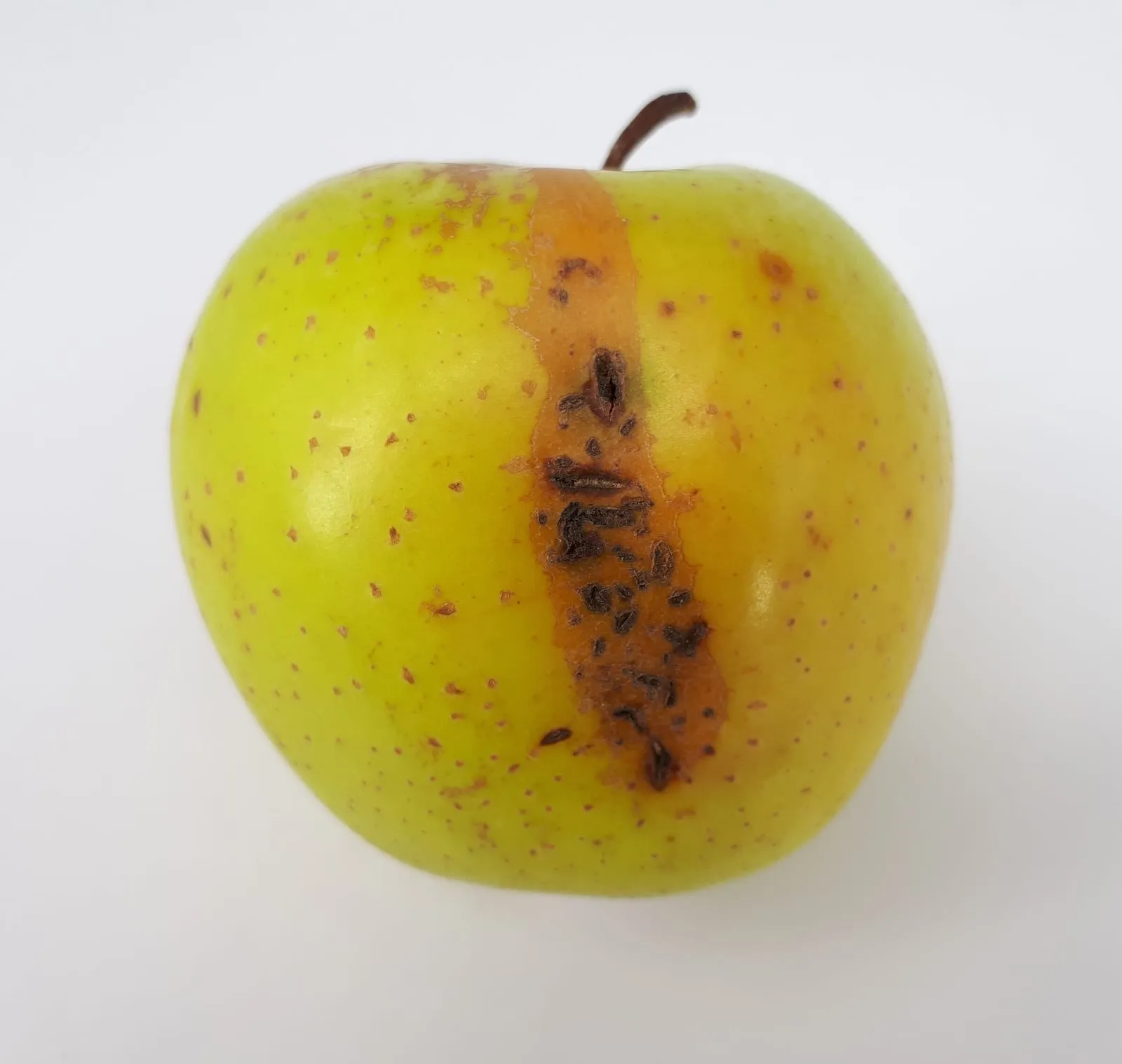
Venturia inaequalis
The most widespread apple disease in humid regions. Reduces fruit quality and defoliates trees.
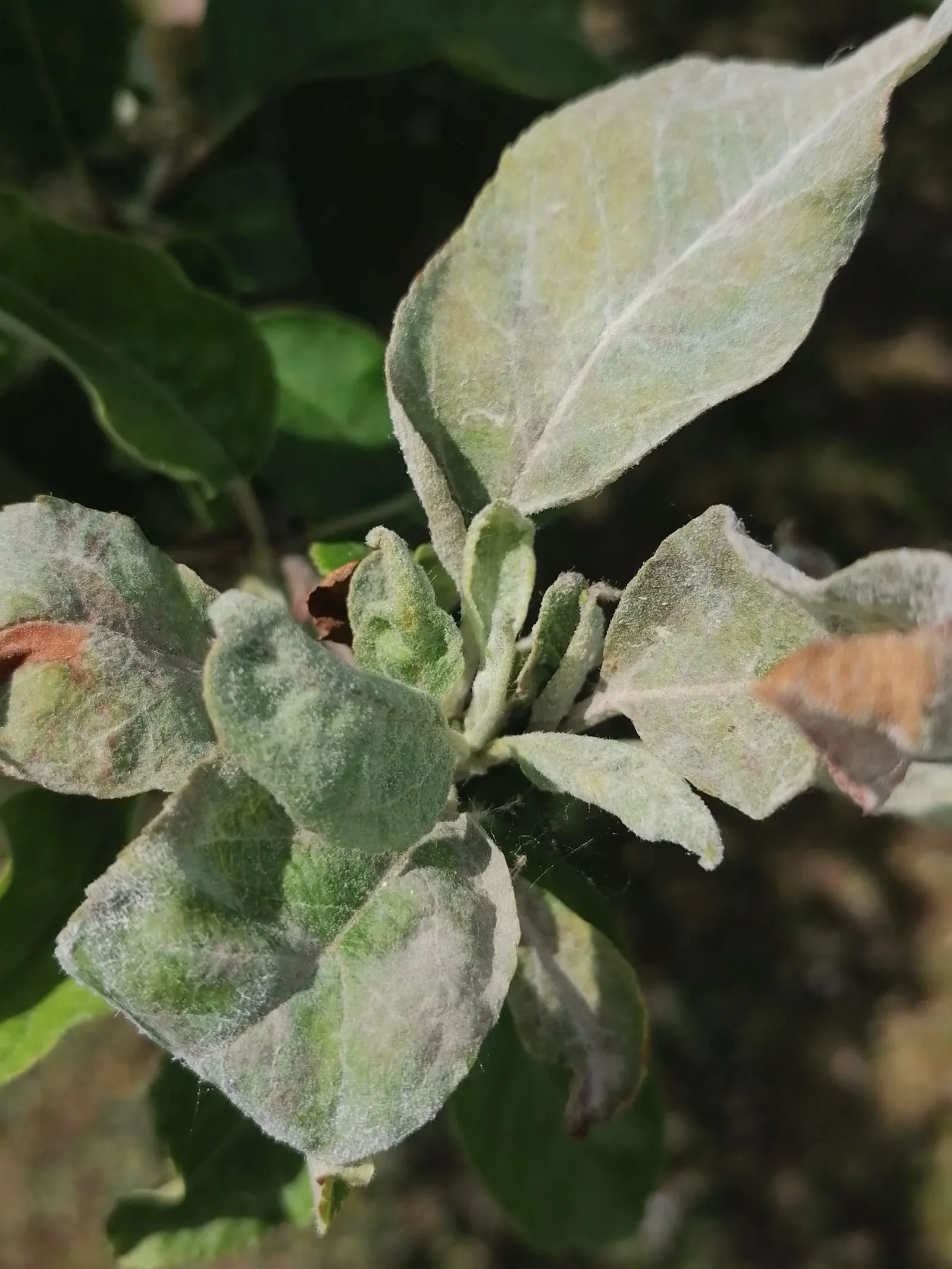
Podosphaera leucotricha
Surface-feeding fungal disease that distorts new growth and reduces yields.
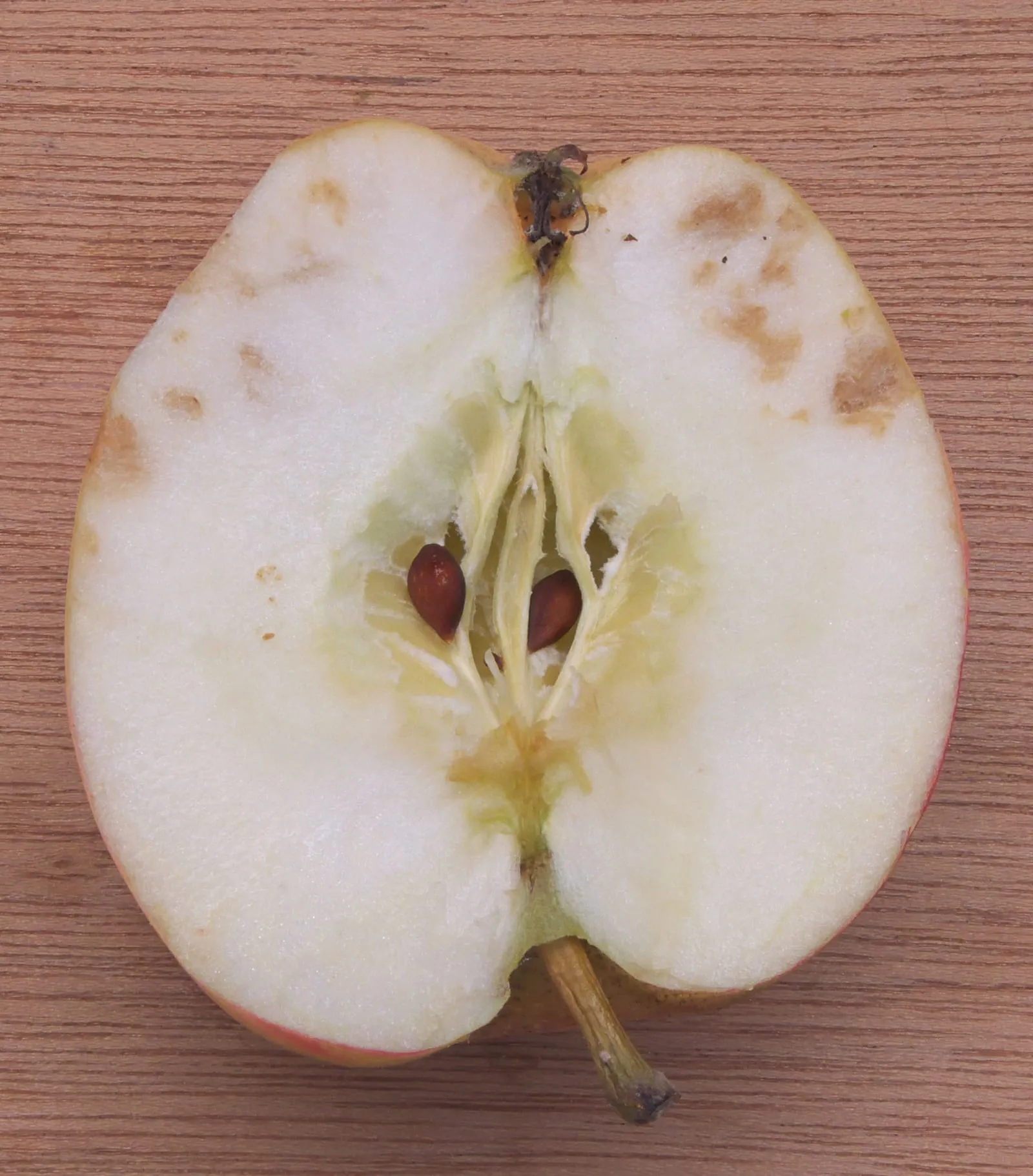
Physiological disorder
Damage from direct intense sun exposure on fruit or bark, particularly on plants suddenly exposed by pruning, defoliation, or hot weather. Distinct from sunburn (which is reversible).
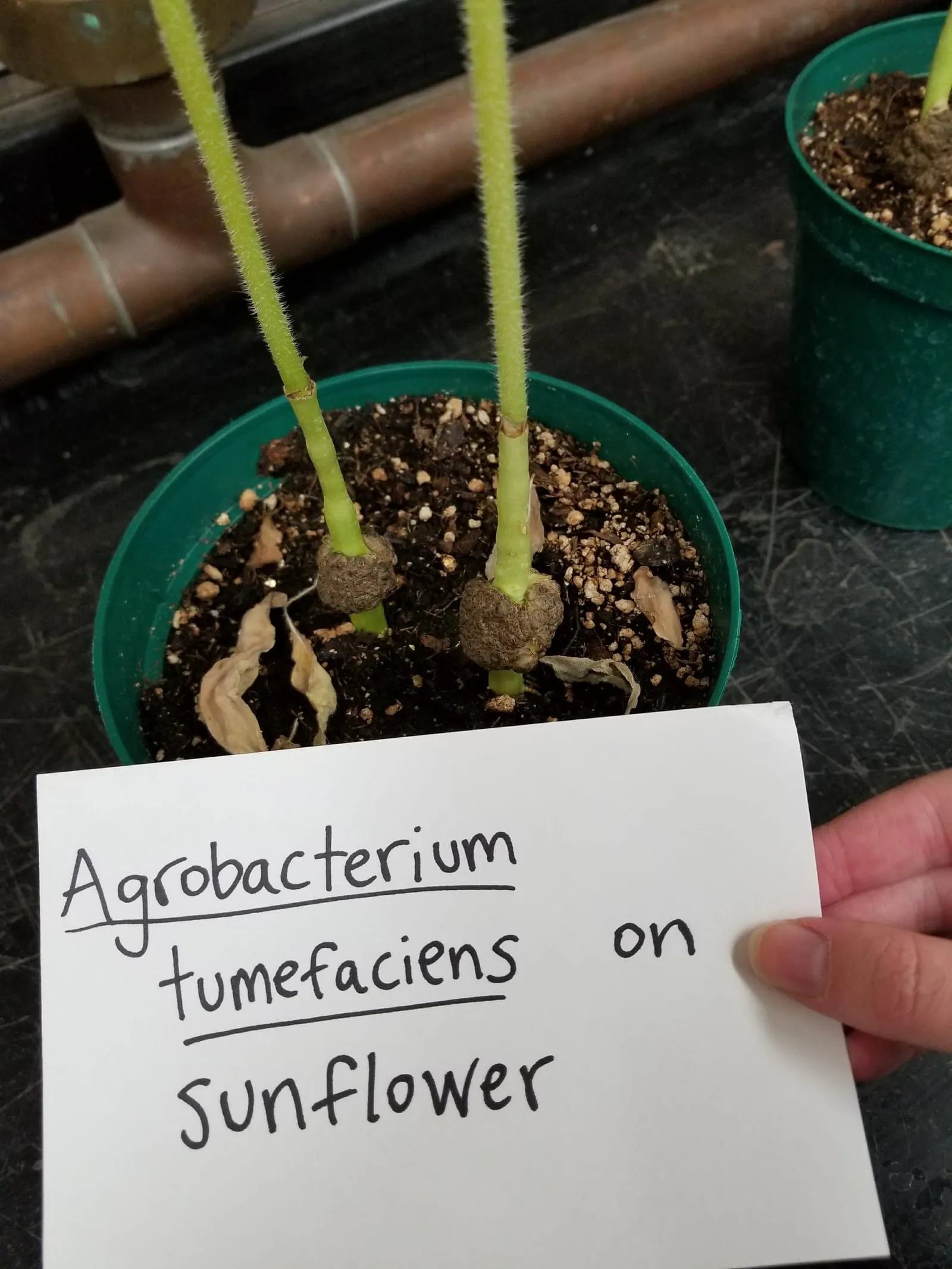
Agrobacterium tumefaciens
Soil-borne bacterium that enters plants through wounds and induces tumor-like galls on roots, crown, and lower stems. Galls reduce vigor and shorten plant lifespan; on Rubus the disease is often fatal.
Modified care for zone 8a
Tracking chill-hour accumulation each winter is more consequential in zone 8a than in most of apple's range. After a winter that delivers fewer than 300 chill hours, reduced or erratic fruit set should be expected. Knowing this in advance allows realistic planning rather than mid-season frustration.
Disease pressure warrants a structured spray program. Fire blight is aggressive in the warm, wet springs common to zone 8a; copper applied at green tip helps, and selecting varieties with fire blight tolerance reduces baseline risk. Cedar Apple Rust, Apple Scab, and Powdery Mildew are all present; removing nearby juniper hosts reduces Cedar Apple Rust inoculum where that is practical.
Consistent summer irrigation is necessary. Zone 8a's heat and extended growing season cause premature fruit drop when soil moisture fluctuates during fruit development. Mulching the root zone moderates soil temperature and reduces irrigation frequency.
Frequently asked questions
- Can you grow apples in zone 8a?
Yes, but variety selection is the critical constraint. Most standard apple varieties require 800 to 1,000 chill hours and will not perform reliably in zone 8a, which typically accumulates 300 to 500 hours. Low-chill varieties such as Anna and Gala are the practical options for this zone.
- How many chill hours does zone 8a get for apple trees?
Zone 8a typically accumulates 300 to 500 chill hours per winter, though the number varies meaningfully by site and season. Cooler locations within the zone and years with extended cold spells can push accumulation higher; warm winters near the zone's southern edge may deliver fewer than 300 hours.
- When do apple trees bloom in zone 8a?
Low-chill apple varieties in zone 8a typically bloom in late January through February. This early bloom window overlaps with frost risk in many parts of the zone, where last frost dates commonly fall in late February to mid-March.
- What diseases are most concerning for apple trees in zone 8a?
Fire blight is the primary concern in zone 8a's warm, humid springs. Cedar Apple Rust, Apple Scab, and Powdery Mildew are also present. A fungicide program starting at green tip, combined with resistant variety selection where available, reduces pressure from all four.
+−
+−
+−
+−
Apple in adjacent zones
Image: "Malus domestica 'Stark's Earliest'. Locatie De Kruidhof 02", by Dominicus Johannes Bergsma, via Wikimedia Commons, licensed under CC-BY Source.

Related