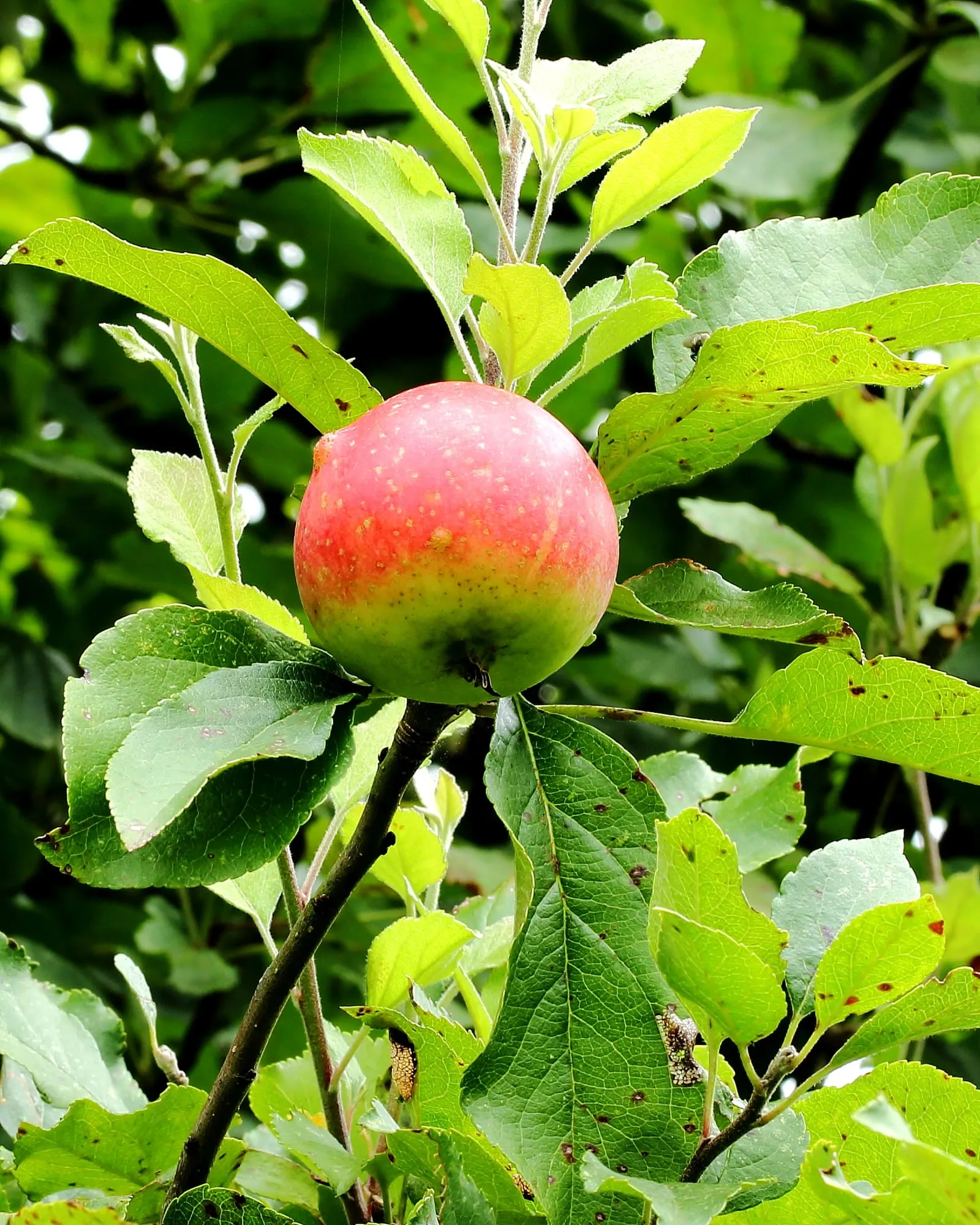
fruit tree in zone 8b
Growing apple in zone 8b
Malus domestica
- Zone
- 8b 15°F to 20°F
- Growing season
- 260 days
- Chill needed
- 400 to 1000 below 45°F
- Suitable varieties
- 1
- Days to harvest
- 120 to 200
The verdict
Zone 8b sits at the southern edge of reliable apple production. Most apple varieties require 400 to 1,000 chill hours (hours below 45°F between November and February), and zone 8b typically accumulates only 200 to 400 chill hours depending on the specific location and year. That gap rules out the majority of commercial and heirloom varieties outright.
Anna is the primary exception for this zone. Developed in Israel for low-chill climates, Anna performs acceptably with as few as 200 chill hours, making it one of the few varieties reliably suited to zone 8b conditions. Even so, crop load and fruit quality vary considerably year to year based on winter weather. In warm winters, bloom may be erratic or fruit set poor.
For growers willing to accept those limitations, zone 8b can produce edible apples. It is not a sweet spot for the crop; it is the outer margin.
Recommended varieties for zone 8b
1 cultivar suited to this zone, with disease-resistance and zone-fit annotations.
| Variety | Notes | Zone fit | Disease resistance |
|---|---|---|---|
| Anna fits zone 8b | Mild sweet flavor, crisp, similar to Gala in eating quality; fresh-eating apple bred for warm climates. Bears very early in season. | | none noted |
Critical timing for zone 8b
Anna blooms early, often in late January to February across zone 8b, coinciding with the warmest part of winter in this zone. The 260-day growing season provides ample time from bloom to harvest, but early bloom increases exposure to late cold events. A frost at 28°F or below after petal fall can kill developing fruitlets.
Harvest for Anna typically falls in late June to July in zone 8b, substantially earlier than apple harvest windows in cooler zones. Fruit ripens fast in summer heat and has a narrow harvest window of roughly one to two weeks before quality declines. Growers should plan to pick promptly and not expect long storage life from warm-climate fruit.
Common challenges in zone 8b
- ▸ Low chill hours limit apple variety selection
- ▸ Citrus greening risk
- ▸ Nematodes in sandy soils
Disease pressure to watch for
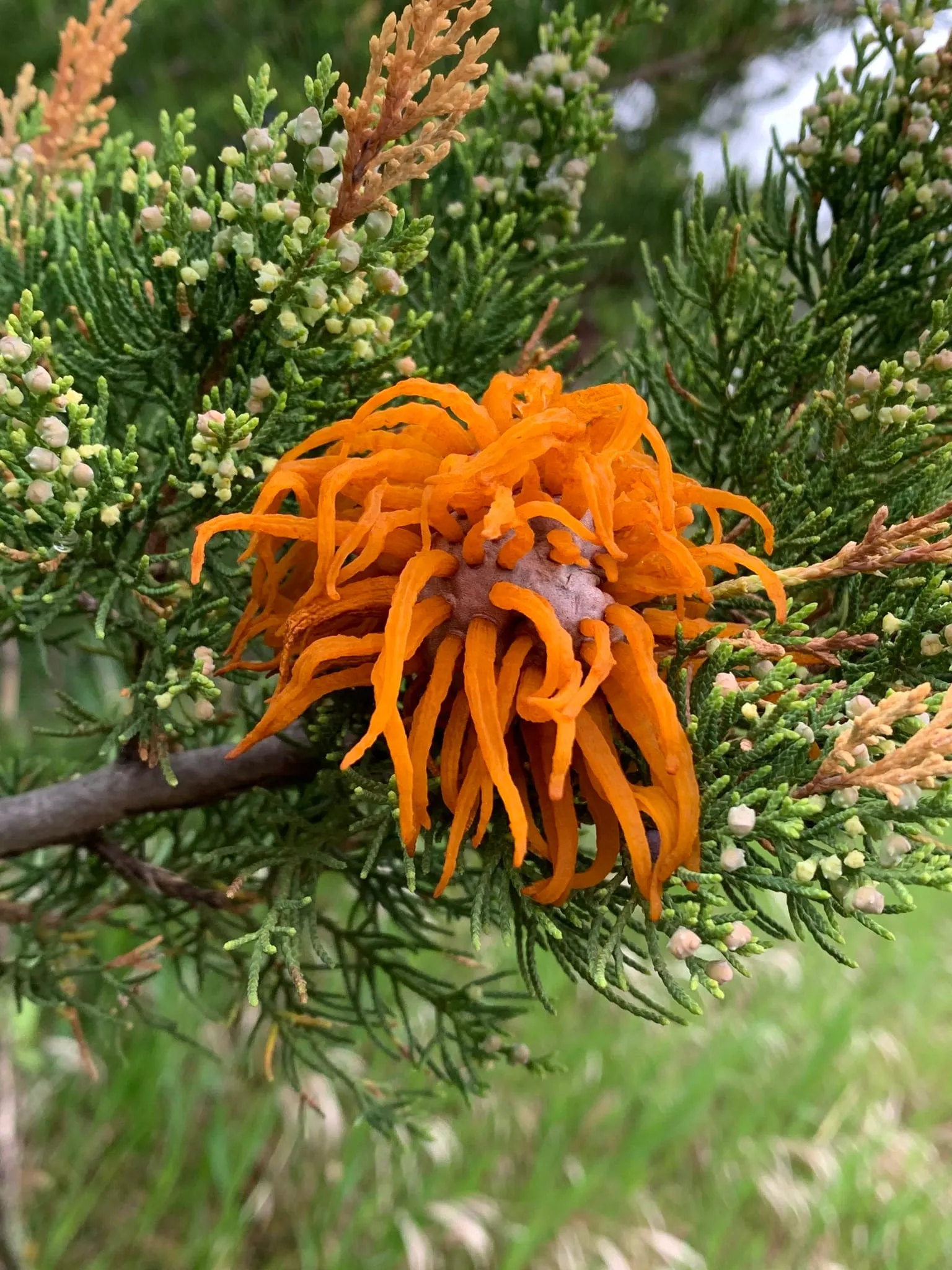
Gymnosporangium juniperi-virginianae
Two-host fungal disease alternating between apple and eastern red cedar. Severe pressure in regions with abundant cedar.
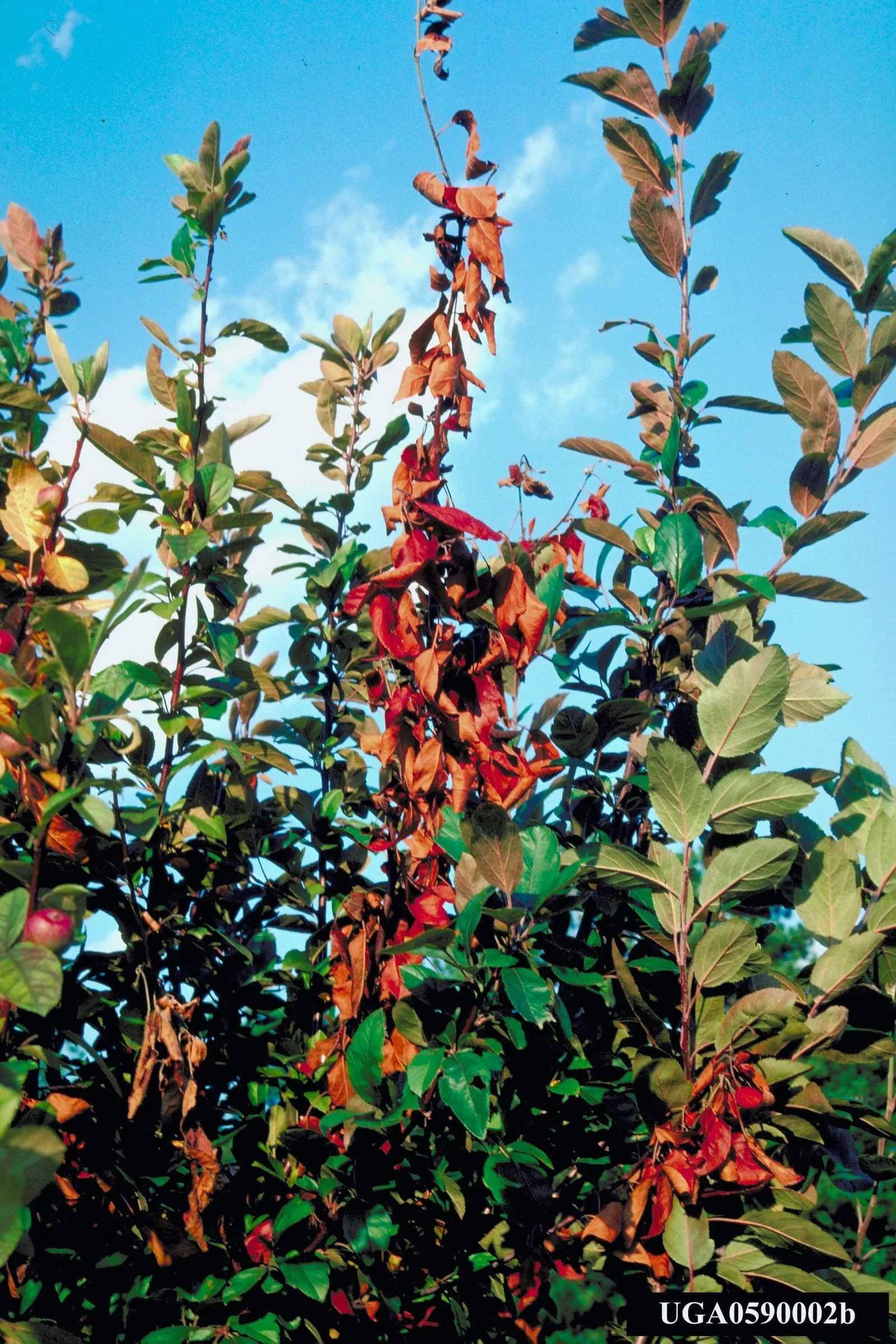
Erwinia amylovora
Devastating bacterial disease that can kill trees rapidly. Most severe in warm wet springs.
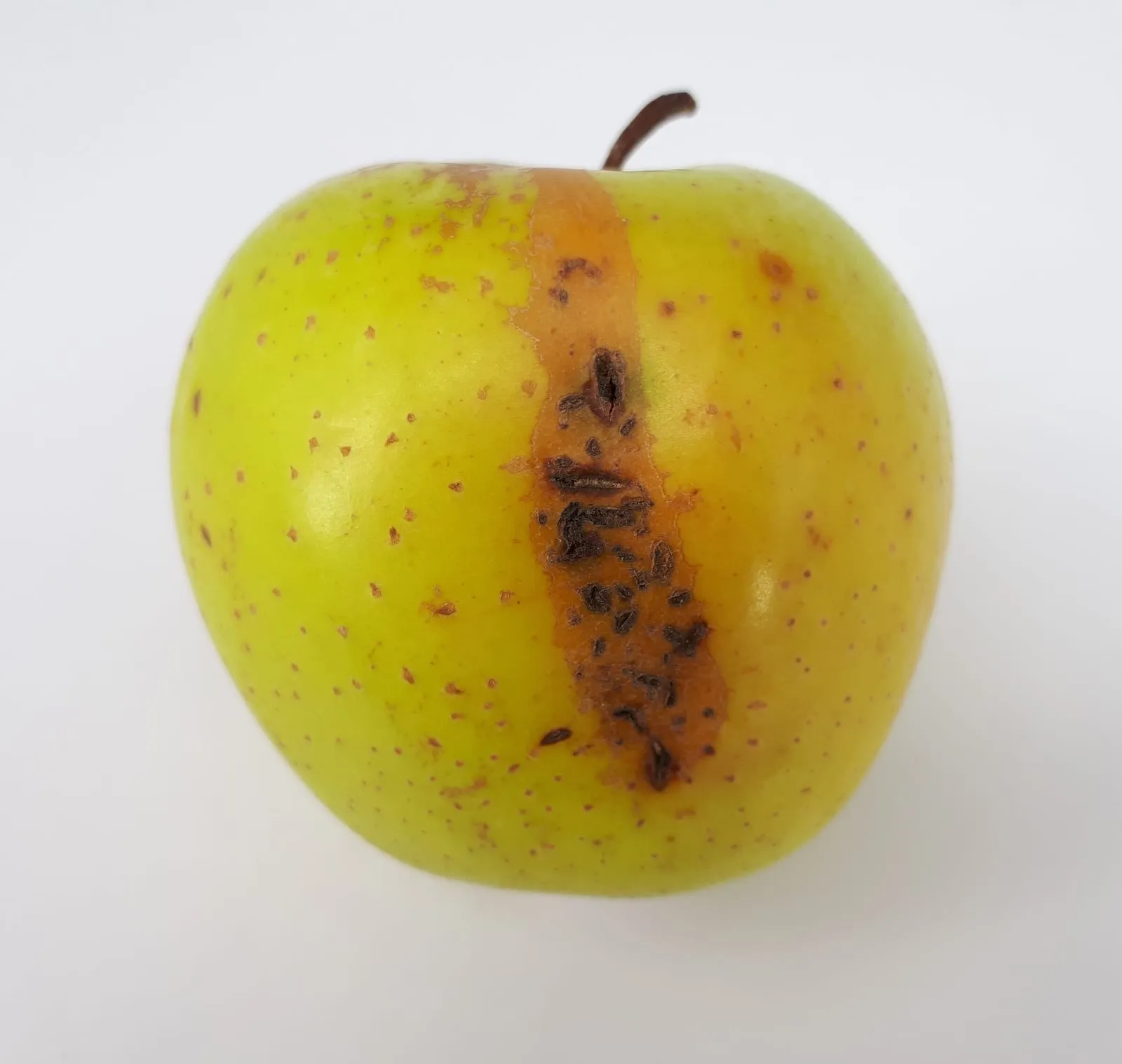
Venturia inaequalis
The most widespread apple disease in humid regions. Reduces fruit quality and defoliates trees.
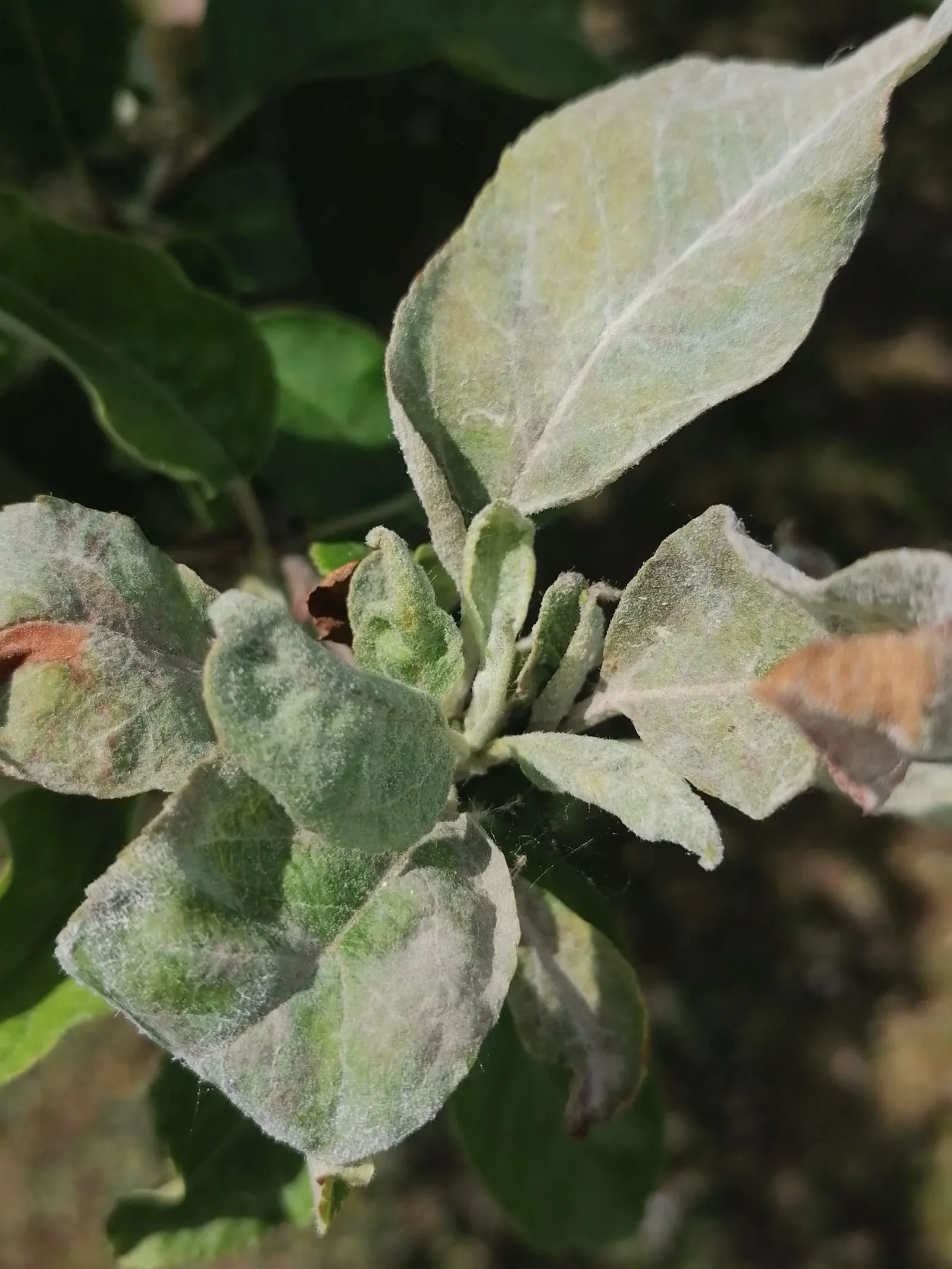
Podosphaera leucotricha
Surface-feeding fungal disease that distorts new growth and reduces yields.
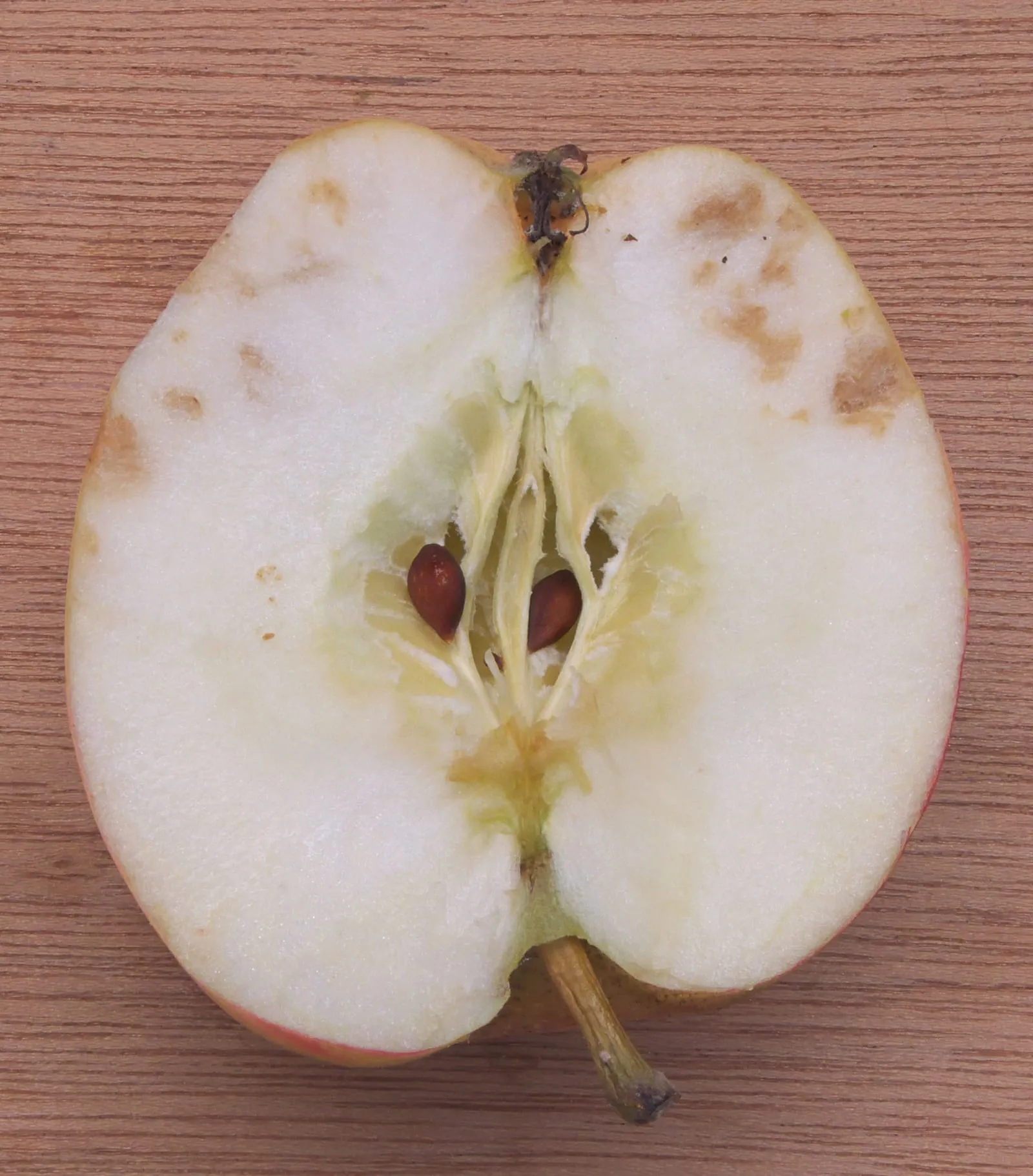
Physiological disorder
Damage from direct intense sun exposure on fruit or bark, particularly on plants suddenly exposed by pruning, defoliation, or hot weather. Distinct from sunburn (which is reversible).
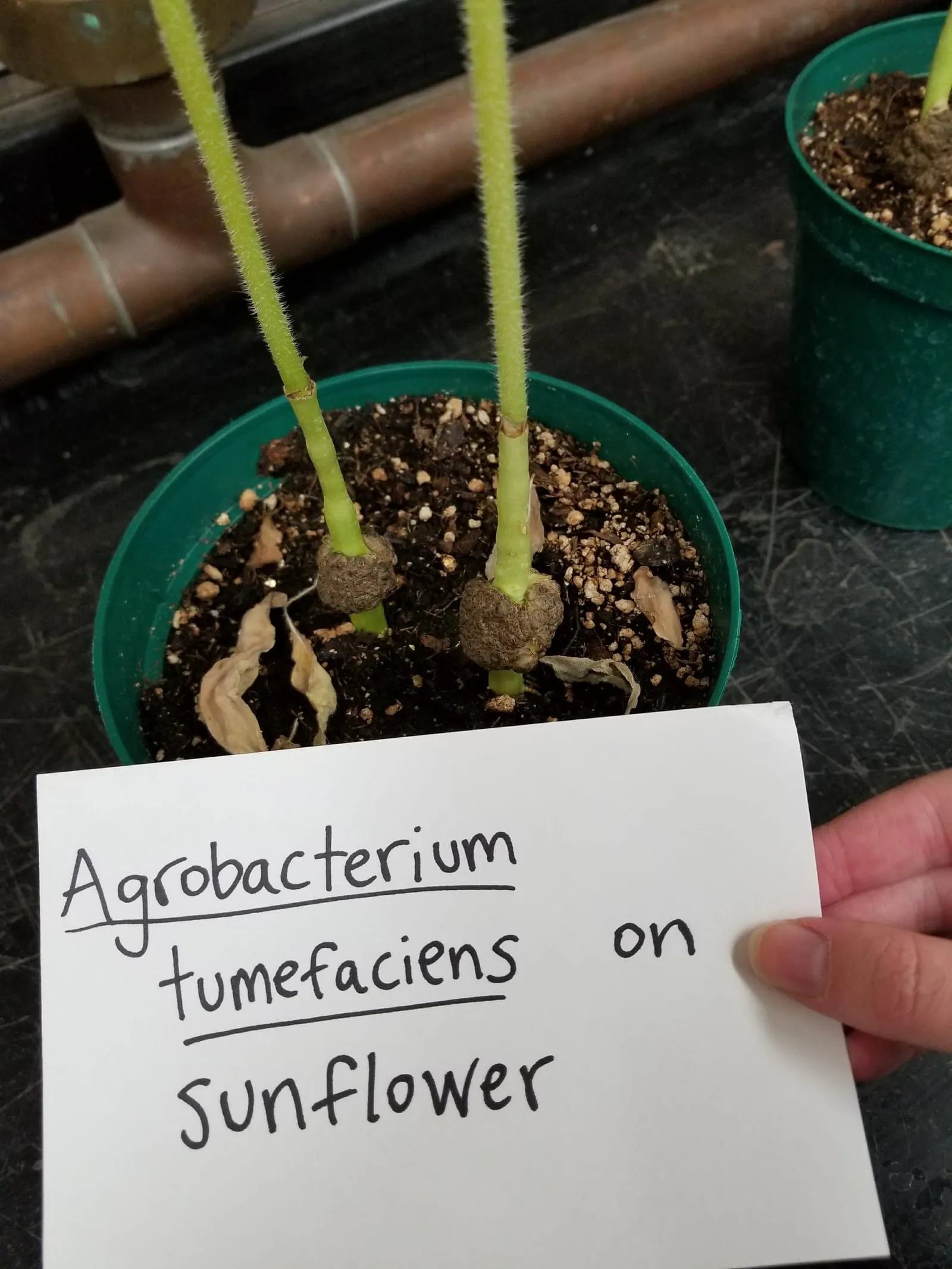
Agrobacterium tumefaciens
Soil-borne bacterium that enters plants through wounds and induces tumor-like galls on roots, crown, and lower stems. Galls reduce vigor and shorten plant lifespan; on Rubus the disease is often fatal.
Modified care for zone 8b
Variety selection is the first and most important modification for zone 8b. Planting a standard high-chill variety will result in poor or absent bloom regardless of how well the tree is otherwise maintained.
Fire blight is a serious concern in warm, humid conditions. Zone 8b's mild winters allow the bacterium to persist, and warm wet springs create ideal infection windows. Copper-based sprays at bloom and strict pruning of infected wood are baseline management steps. Avoid excess nitrogen, which promotes the vigorous shoot growth that fire blight exploits.
In sandy soils, nematode pressure can weaken trees over time. Consider rootstock selection carefully; some rootstocks offer better nematode tolerance than others. Mulching heavily and maintaining soil organic matter helps buffer the impact on tree health.
Frequently asked questions
- Can I grow apples in zone 8b?
Yes, but variety selection is critical. Most apple varieties need 400 to 1,000 chill hours that zone 8b cannot reliably deliver. Anna is the primary variety suited to this zone, with a chill requirement around 200 hours. Expect variable yields depending on winter temperatures each year.
- Why does Anna apple work in hot climates when most apples don't?
Anna was bred specifically for low-chill environments and requires only around 200 chill hours to break dormancy and bloom reliably. Standard varieties bred in temperate climates need two to five times that accumulation, which zone 8b winters rarely provide.
- When should I harvest Anna apples in zone 8b?
Expect harvest in late June to July in most zone 8b locations. The fruit ripens quickly in summer heat and has a short window before it softens. Check for ripeness by skin color and taste rather than calendar date alone.
- What diseases should apple growers in zone 8b watch for?
Fire blight is the primary threat, favored by the warm wet springs common in zone 8b. Cedar apple rust, apple scab, and powdery mildew are also present. A preventive spray program starting at bloom and resistant variety selection where possible reduce season-long pressure.
+−
+−
+−
+−
Apple in adjacent zones
Image: "Malus domestica 'Stark's Earliest'. Locatie De Kruidhof 02", by Dominicus Johannes Bergsma, via Wikimedia Commons, licensed under CC-BY Source.

Related