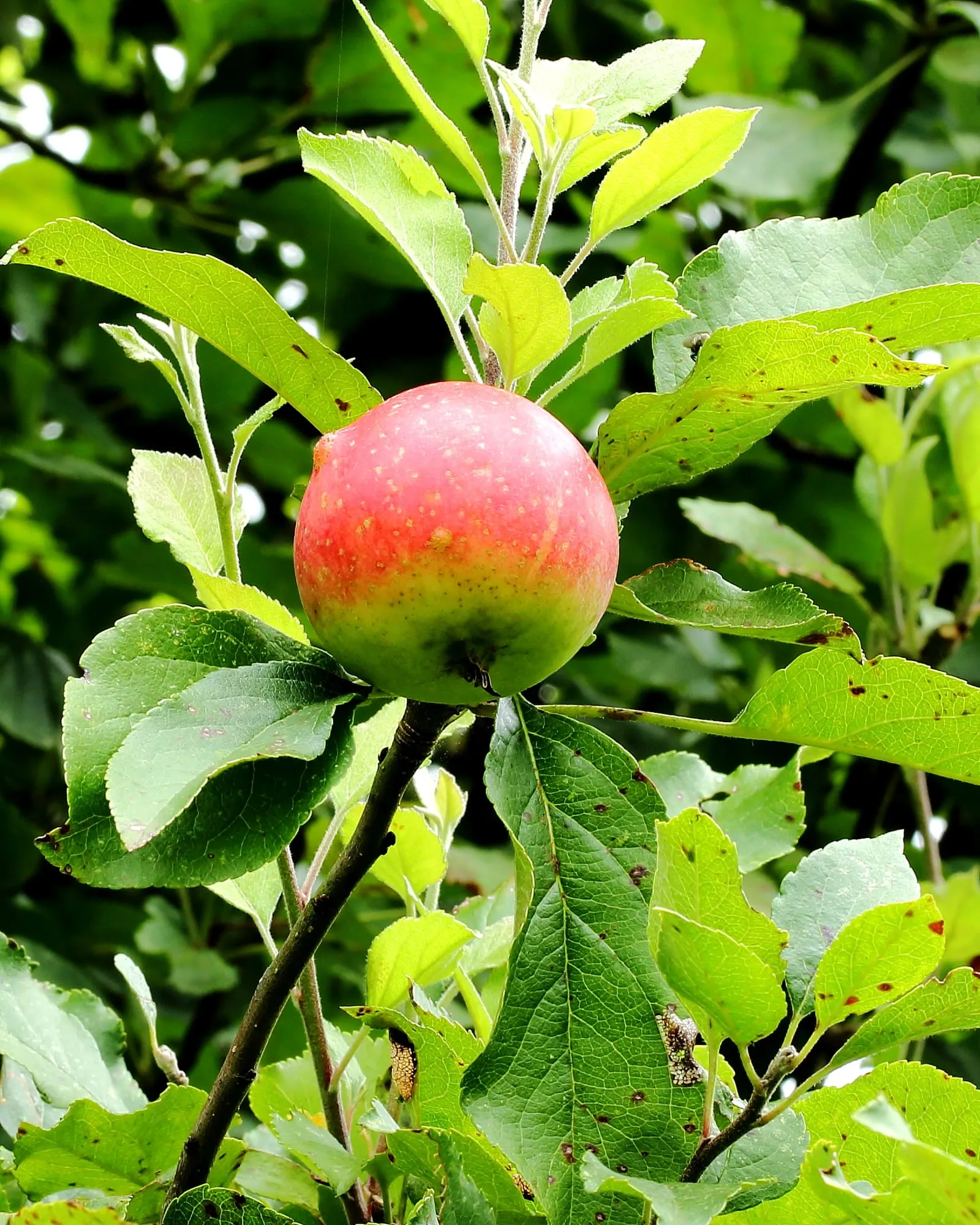
fruit tree in zone 7a
Growing apple in zone 7a
Malus domestica
- Zone
- 7a 0°F to 5°F
- Growing season
- 210 days
- Chill needed
- 400 to 1000 below 45°F
- Suitable varieties
- 6
- Days to harvest
- 120 to 200
The verdict
Zone 7a sits squarely in the productive range for apple growing. Minimum winter temperatures of 0 to 5°F present no cold hardiness problem for standard apple rootstocks or varieties. More importantly, zone 7a accumulates enough winter chill to satisfy the full apple variety spectrum, which requires between 400 and 1,000 hours below 45°F. Most zone 7a locations log 700 to 900 chill hours in a typical winter, comfortably covering high-chill varieties like Honeycrisp and Goldrush, though growers in warmer urban pockets or coastal microclimates should verify local accumulation before planting high-chill selections.
This is not a marginal zone for apple. The 210-day growing season allows even late-ripening varieties to reach full maturity without pushing against frost. The real constraint in zone 7a is not temperature or chill but disease pressure. High summer humidity drives cedar-apple rust, fire blight, and brown rot at intensities that growers in drier or cooler climates rarely face. Variety selection and a proactive spray program determine success here far more than any cold hardiness concern.
Recommended varieties for zone 7a
6 cultivars suited to this zone, with disease-resistance and zone-fit annotations.
| Variety | Notes | Zone fit | Disease resistance |
|---|---|---|---|
| Honeycrisp fits zone 7a | Explosively crisp, juicy, sweet-tart with floral notes; the standout fresh-eating apple of the last 30 years. Excellent in lunch boxes, salads, and 6-month cold storage. Struggles in heat (bitter pit in zones 8+). | |
|
| Liberty fits zone 7a | Tart-sweet McIntosh-style flavor, juicy with crisp tender flesh; good fresh, excellent for sauce and pies. Top low-spray choice for the eastern US. | |
|
| Enterprise fits zone 7a | Sweet-tart, firm, complex flavor that improves in storage; late-season eating and cider apple, holds 5+ months in cold storage. Excellent low-spray choice. | |
|
| Goldrush fits zone 7a | Intensely flavored sweet-tart yellow apple with high sugar and high acid; mellows over 2-3 months in storage to become exceptional. Excellent fresh and for cider. | |
|
| Gala fits zone 7a | Sweet, mild, juicy with thin skin; the classic kid-friendly snacking apple. Good fresh and in salads, less acid than older varieties so it browns quickly when cut. | | none noted |
| Williams Pride fits zone 7a | Sweet, juicy, slightly tart with rich flavor; one of the best early-season apples (ripens July). Eats fresh, doesn't store long. | |
|
Critical timing for zone 7a
Apple bloom in zone 7a typically falls between late March and mid-April, depending on variety and local elevation. The zone's average last frost date spans a similar window, placing bloom in direct overlap with lingering frost risk. Early-blooming varieties carry the most exposure; mid-season bloomers gain a few degrees of buffer as average temperatures stabilize in April.
Harvest spans a long window across the 210-day season. Early varieties such as Gala can be ready by late July or early August. Mid-season varieties like Honeycrisp and Liberty typically ripen in September. Late-ripening varieties like Goldrush and Enterprise push into late October or November. Growers should plan for staggered picking across multiple weeks rather than a concentrated single-variety harvest.
Common challenges in zone 7a
- ▸ Cedar-apple rust
- ▸ Brown rot
- ▸ Fire blight
- ▸ High humidity disease pressure
Disease pressure to watch for
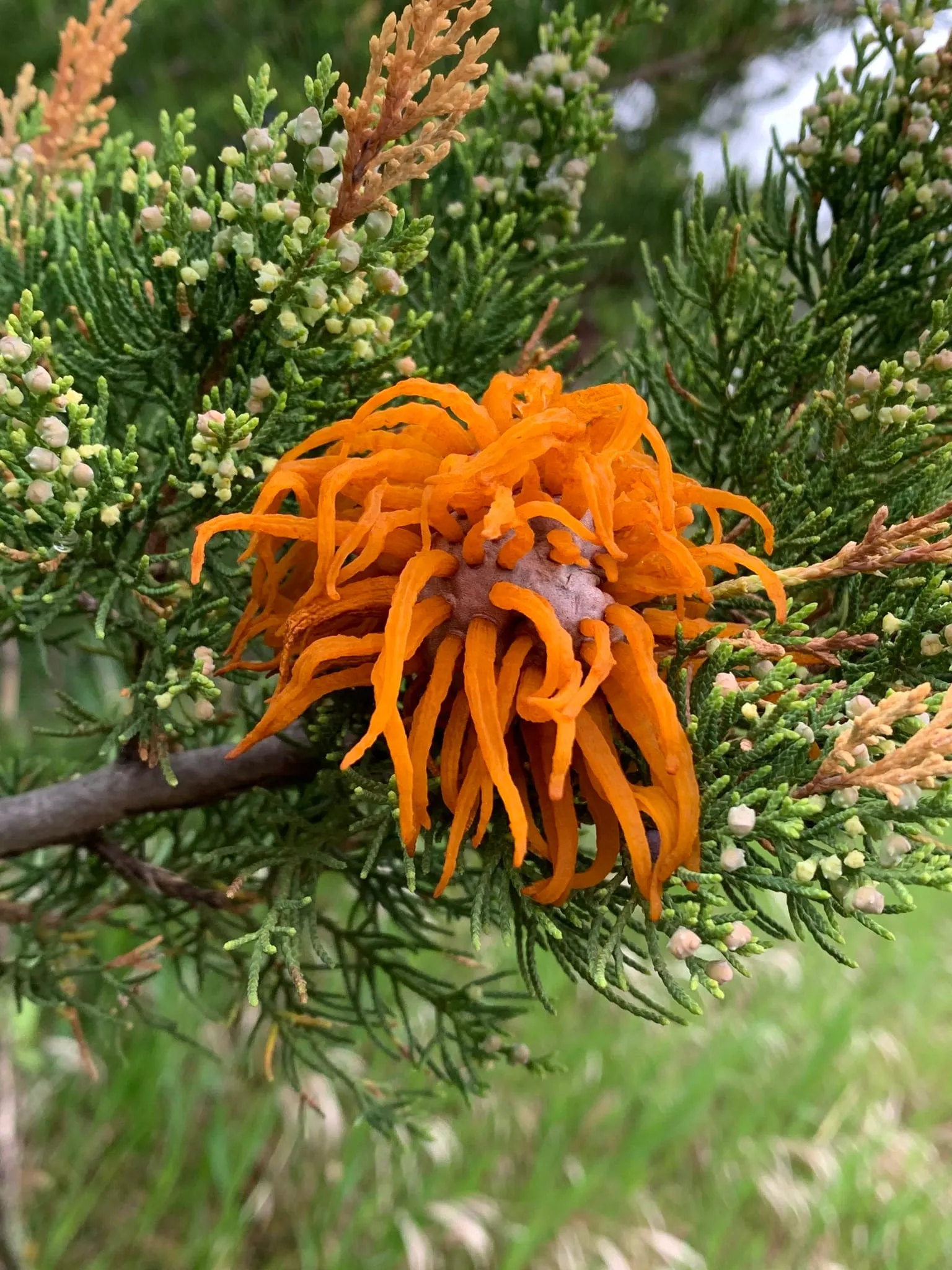
Gymnosporangium juniperi-virginianae
Two-host fungal disease alternating between apple and eastern red cedar. Severe pressure in regions with abundant cedar.
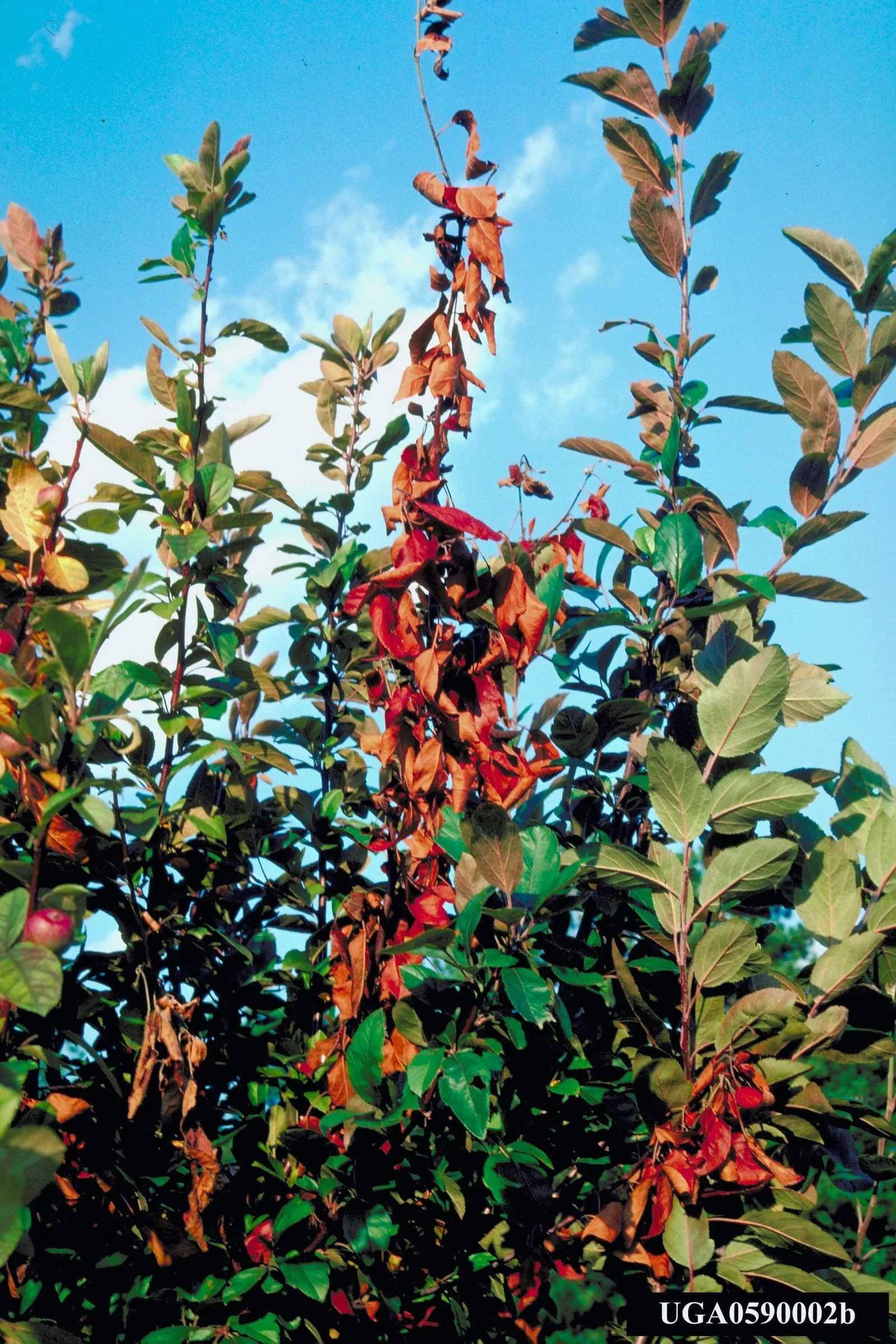
Erwinia amylovora
Devastating bacterial disease that can kill trees rapidly. Most severe in warm wet springs.
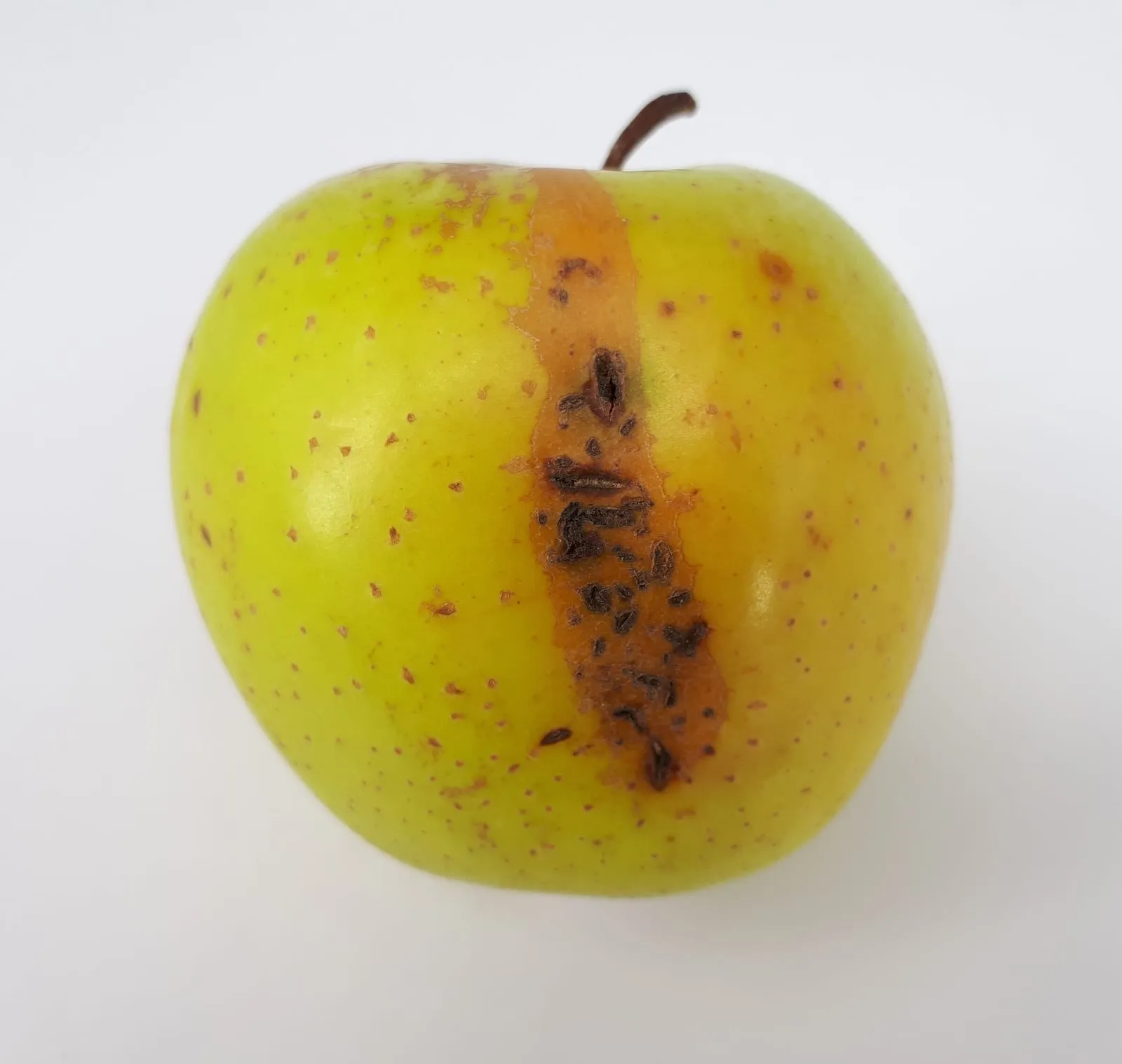
Venturia inaequalis
The most widespread apple disease in humid regions. Reduces fruit quality and defoliates trees.
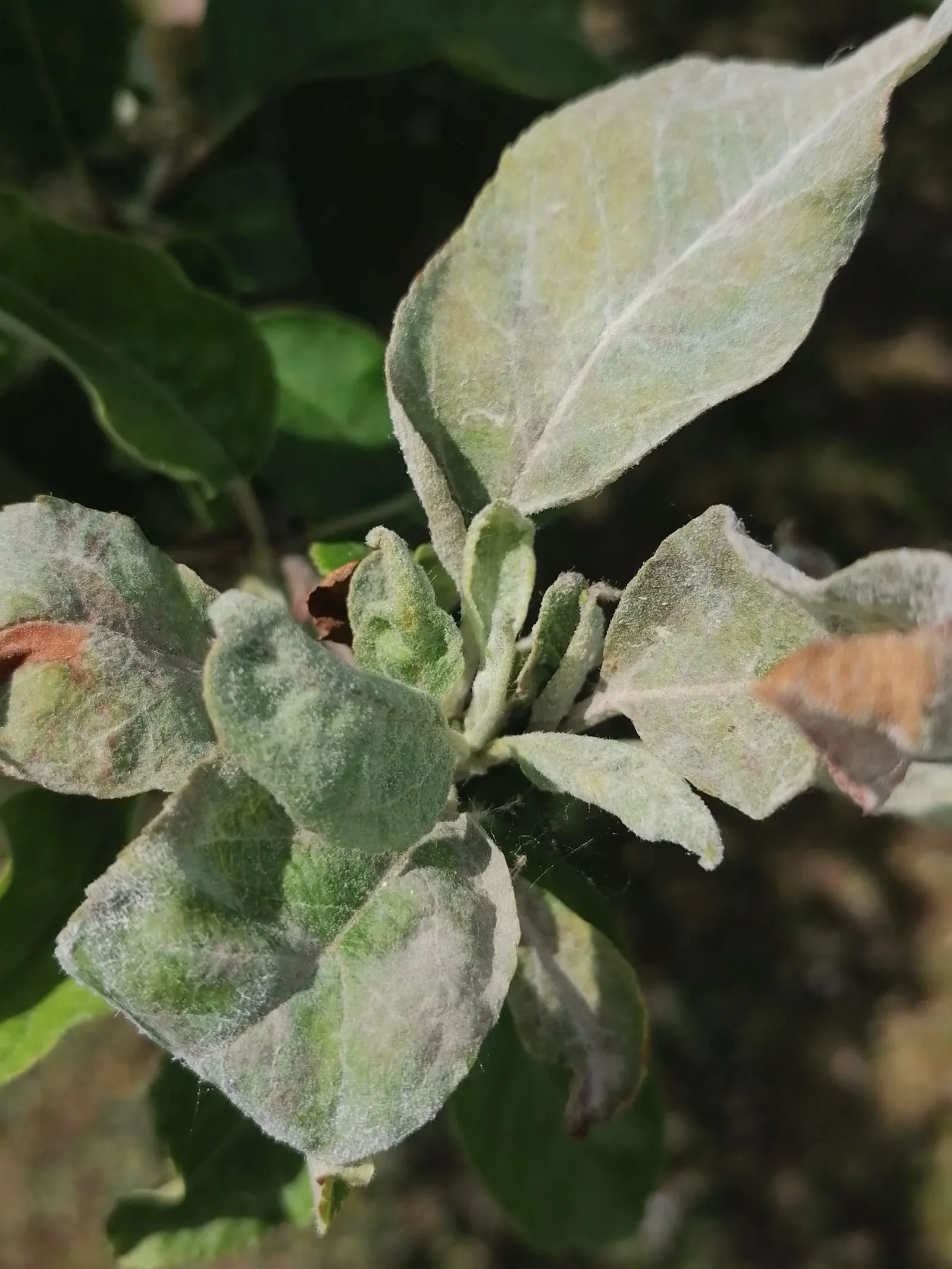
Podosphaera leucotricha
Surface-feeding fungal disease that distorts new growth and reduces yields.
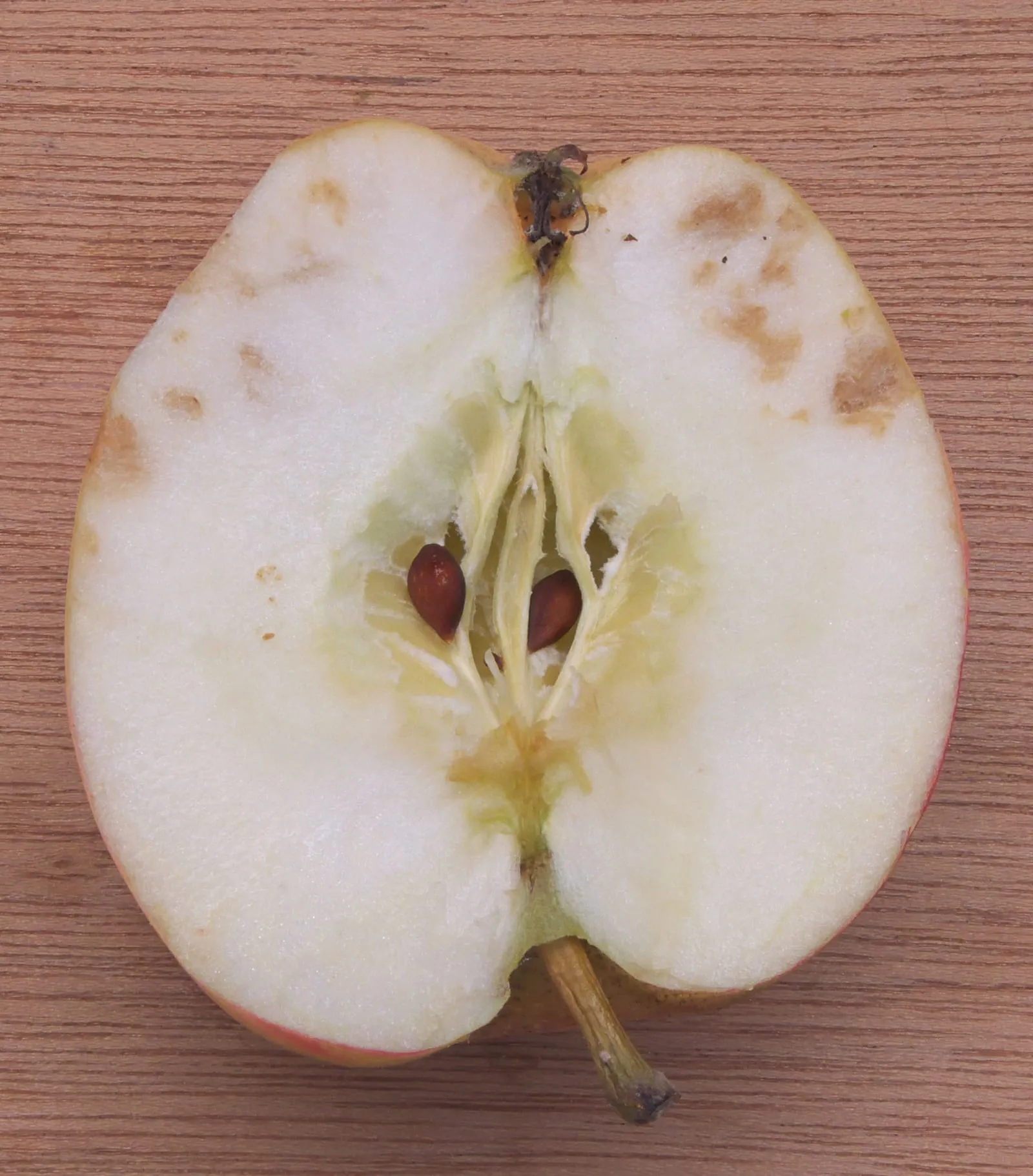
Physiological disorder
Damage from direct intense sun exposure on fruit or bark, particularly on plants suddenly exposed by pruning, defoliation, or hot weather. Distinct from sunburn (which is reversible).
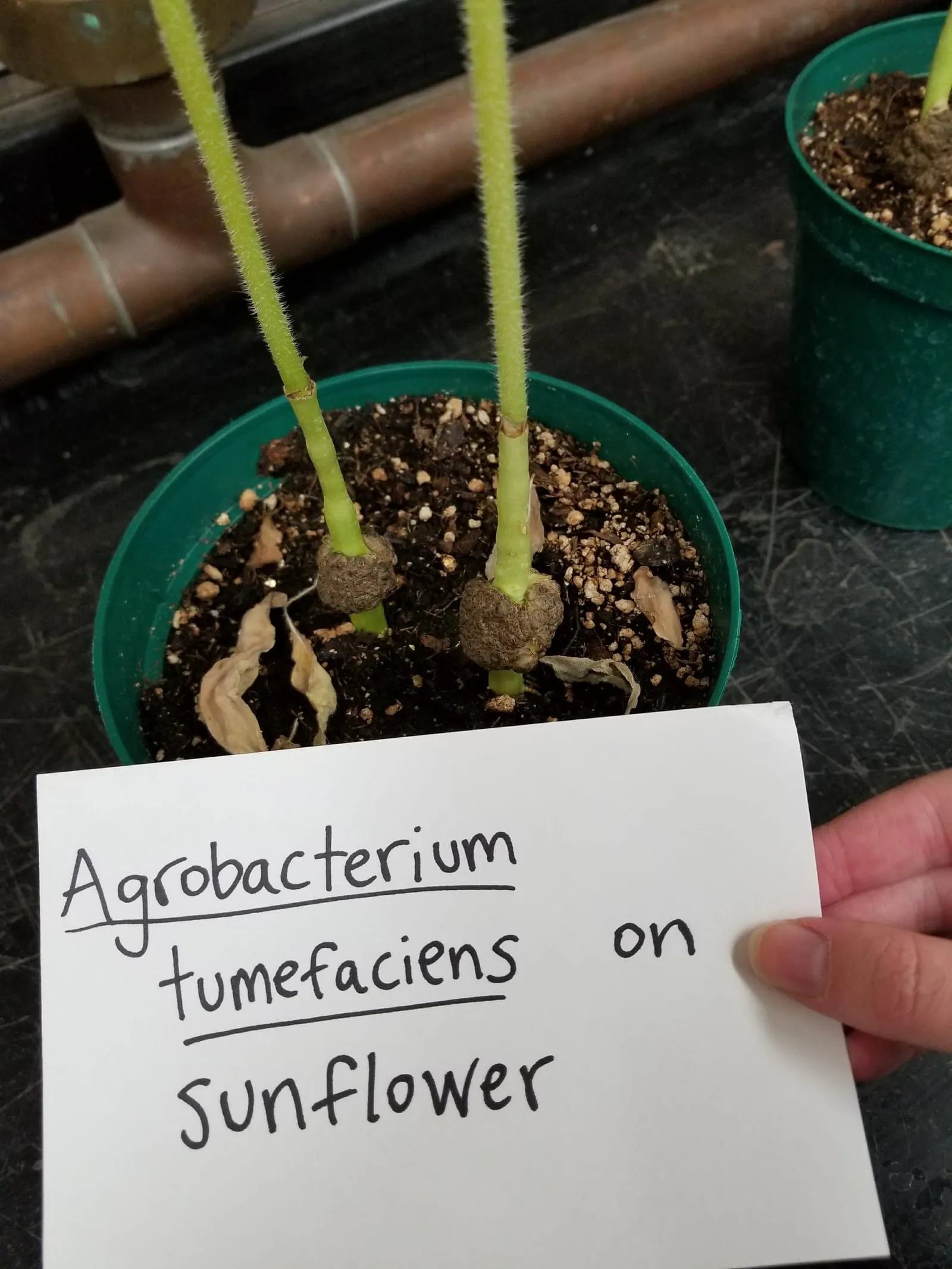
Agrobacterium tumefaciens
Soil-borne bacterium that enters plants through wounds and induces tumor-like galls on roots, crown, and lower stems. Galls reduce vigor and shorten plant lifespan; on Rubus the disease is often fatal.
Modified care for zone 7a
Disease management requires more sustained attention in zone 7a than in drier or cooler parts of the apple range. Cedar-apple rust is a persistent problem wherever eastern red cedar grows nearby, which covers most of zone 7a's geographic footprint. A preventive fungicide program beginning at pink bud and continuing through petal fall addresses rust, scab, and powdery mildew simultaneously.
Fire blight is the higher-stakes concern. Warm, wet springs create conditions where the disease spreads rapidly through susceptible varieties. Copper applications at green tip and streptomycin during bloom (where legally permitted) are standard tools. Selecting inherently resistant varieties like Liberty, Enterprise, or Williams Pride substantially reduces fire blight risk and lightens the overall spray burden. Brown rot becomes relevant as harvest approaches during humid late-summer weather; thinning fruit clusters and maintaining canopy airflow through annual pruning reduce incidence without chemical inputs.
Frequently asked questions
- Does zone 7a get enough chill hours for apple trees?
Yes. Apple varieties require 400 to 1,000 chill hours below 45°F, and most zone 7a locations accumulate 700 to 900 hours in a typical winter. High-chill varieties like Honeycrisp and Goldrush are generally within reach. Chill hour deficit is rarely the limiting factor in zone 7a; disease pressure is the primary management challenge.
- Which apple varieties perform best in zone 7a?
Disease-resistant varieties like Liberty, Enterprise, and Williams Pride handle zone 7a's high humidity with a lighter spray program and are strong first choices. Honeycrisp, Goldrush, and Gala also perform well but require more attentive management for fire blight and cedar-apple rust.
- Is fire blight a serious concern for apples in zone 7a?
It is one of the most significant threats. Warm, wet spring conditions during bloom favor rapid spread. Resistant variety selection, copper sprays at green tip, and prompt removal of infected wood during the growing season are the standard management approaches for zone 7a growers.
+−
+−
+−
Apple in adjacent zones
Image: "Malus domestica 'Stark's Earliest'. Locatie De Kruidhof 02", by Dominicus Johannes Bergsma, via Wikimedia Commons, licensed under CC-BY Source.

Related