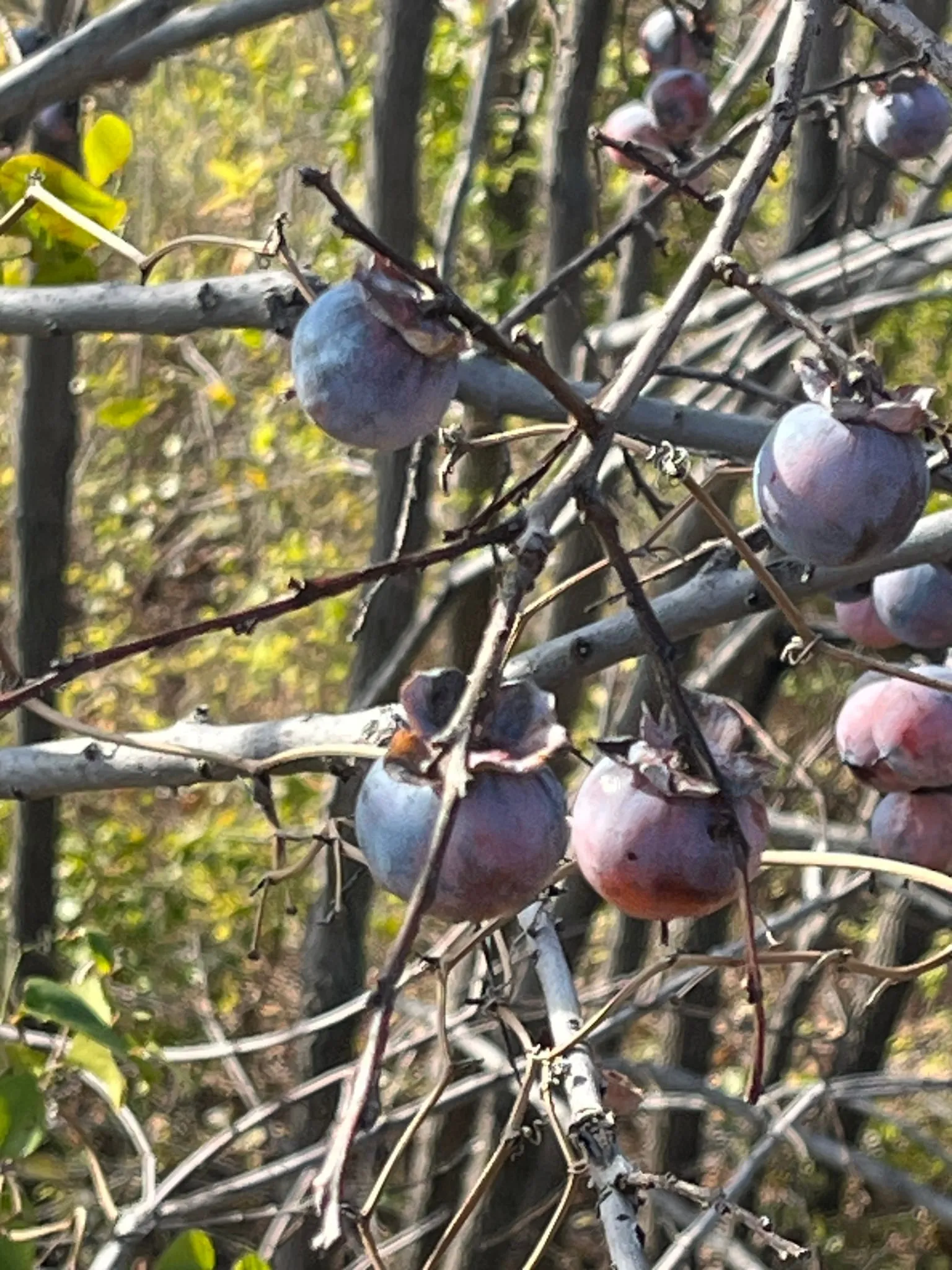
fruit tree in zone 7b
Growing american persimmon in zone 7b
Diospyros virginiana
- Zone
- 7b 5°F to 10°F
- Growing season
- 220 days
- Chill needed
- 100 to 400 below 45°F
- Suitable varieties
- 2
- Days to harvest
- 180 to 240
The verdict
American persimmon (Diospyros virginiana) is native to the eastern United States, with its natural range centered squarely in the mid-Atlantic and Southeast. Zone 7b sits well within that native range, making it a strong fit rather than a marginal one.
The crop requires 100 to 400 chill hours to break dormancy reliably. Zone 7b winters routinely deliver 700 to 1,000 chill hours, so undersatisfied dormancy is not a concern here. The more relevant question is whether summer heat is sufficient to develop fruit sugar, and with a 220-day growing season and warm piedmont summers, it is.
Varieties like Yates and Prok were selected in part for performance in this region. Neither requires any zone-specific accommodation. Growers in zone 7b can expect consistent flowering, reliable fruit set in established trees, and full sugar development before first fall frost.
Recommended varieties for zone 7b
2 cultivars suited to this zone, with disease-resistance and zone-fit annotations.
| Variety | Notes | Zone fit | Disease resistance |
|---|---|---|---|
| Yates fits zone 7b | Very sweet, soft when ripe with intense honey flavor; fresh eating and baking (puddings, breads). Productive but needs a pollinator. | | none noted |
| Prok fits zone 7b | Sweet, large fruit with rich flavor; fresh and baking. Reliable producer, partially self-fertile. | | none noted |
Critical timing for zone 7b
American persimmon blooms late in spring, typically mid-April through early May in zone 7b, which is a meaningful advantage. By the time flowers open, the risk of a killing frost has nearly passed, and late-frost damage to bloom is uncommon compared to earlier-blooming tree fruits.
Harvest runs October into November. Fruit on most American persimmon selections is astringent until fully ripe, and many growers wait for a frost event to hasten softening. In zone 7b, first fall frost typically arrives in late October to early November, which aligns naturally with peak harvest timing. The 220-day growing season provides adequate time for full fruit development without pushing into hard freeze territory.
Common challenges in zone 7b
- ▸ Cedar-apple rust pressure heavy in piedmont
- ▸ Japanese beetles
- ▸ Brown marmorated stink bug
- ▸ Late summer disease pressure
Modified care for zone 7b
American persimmon in zone 7b requires little adjustment from standard care. No winter protection is needed; the species handles the zone's 5 to 10°F minimum temperatures without damage.
The more pressing management concerns are insect pests. Japanese beetle pressure is heavy through much of zone 7b's piedmont region during July and August. Feeding on foliage is rarely fatal to established trees but repeated defoliation weakens them over time; row covers are impractical at tree scale, so many growers tolerate low to moderate feeding or use targeted kaolin clay applications.
Brown marmorated stink bug poses a direct fruit quality threat. The pest feeds on ripening persimmons in late summer and early fall, causing corky internal damage that is not visible until cut. Timing harvest to pick fruit slightly before peak softness and allowing it to ripen off-tree is one practical mitigation.
Frequently asked questions
- Does American persimmon need a pollinator in zone 7b?
American persimmon trees are often dioecious, meaning male and female flowers occur on separate trees. Many named selections like Prok are parthenocarpic and will set seedless fruit without a male pollinator, but fruit size and yield typically improve with one nearby. Check variety-specific notes before planting a single tree.
- When is American persimmon fruit ready to eat in zone 7b?
Fruit ripens October through November in zone 7b. Astringent varieties are unpleasant until fully soft, which often happens after a frost event or extended cold nights. Fully ripe fruit will feel almost gelatinous and detach easily from the stem.
- How long before an American persimmon tree fruits in zone 7b?
Seedling trees can take 6 to 10 years to bear. Grafted trees on named selections typically fruit within 3 to 5 years. Yates and Prok, both grafted selections, are the faster path to production in this zone.
+−
+−
+−
American Persimmon in adjacent zones
Image: "Diospyros virginiana 450936388", by pynklynx, via Wikimedia Commons, licensed under CC0 Source.

Related