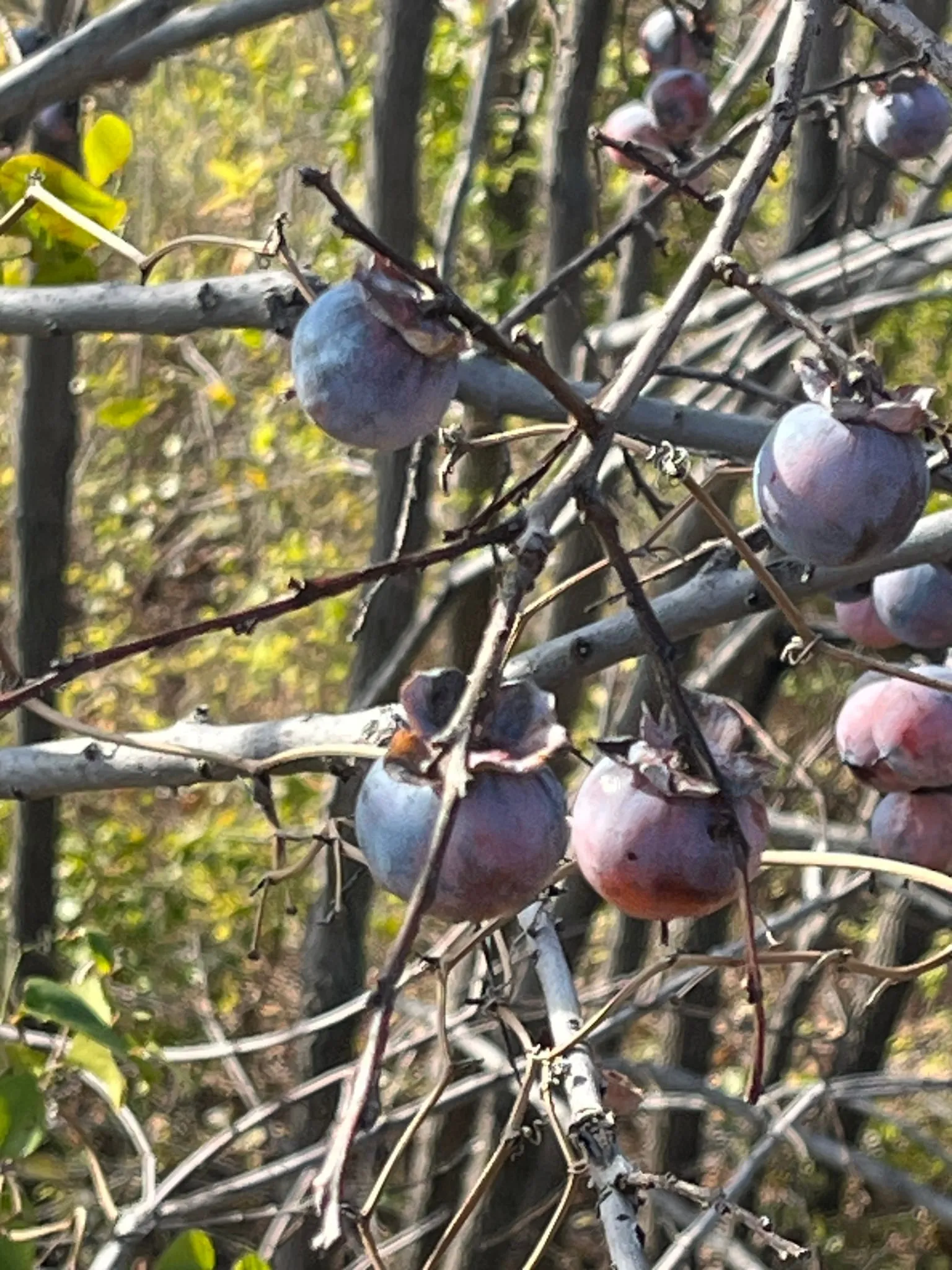
fruit tree in zone 7a
Growing american persimmon in zone 7a
Diospyros virginiana
- Zone
- 7a 0°F to 5°F
- Growing season
- 210 days
- Chill needed
- 100 to 400 below 45°F
- Suitable varieties
- 3
- Days to harvest
- 180 to 240
The verdict
American persimmon is native to the eastern United States, and zone 7a sits squarely within its natural range. This is a sweet spot, not a marginal zone. The chill-hour requirement of 100 to 400 hours is comfortably met in most zone 7a winters, which typically accumulate 700 to 1,000 chill hours between November and February. Oversatisfaction of chill hours is not a concern for this species.
The minimum winter temperatures of 0 to 5°F present no hardiness problem. American persimmon tolerates temperatures well below zero, and established trees rarely show cold damage at zone 7a lows. Varieties Meader, Yates, and Prok were all selected for performance in mid-Atlantic and upper-South conditions, which maps closely to zone 7a. Of the three, Prok is often cited for consistent production in humid climates with variable winters. The 210-day growing season provides ample time for fruit to develop full sugar content before the first fall frost.
Recommended varieties for zone 7a
3 cultivars suited to this zone, with disease-resistance and zone-fit annotations.
| Variety | Notes | Zone fit | Disease resistance |
|---|---|---|---|
| Meader fits zone 7a | Sweet, soft, rich complex flavor reminiscent of dates and apricot when fully ripe; eat soft only, astringent until then. Fresh, baking, drying. Self-fertile cold-hardy native selection. | | none noted |
| Yates fits zone 7a | Very sweet, soft when ripe with intense honey flavor; fresh eating and baking (puddings, breads). Productive but needs a pollinator. | | none noted |
| Prok fits zone 7a | Sweet, large fruit with rich flavor; fresh and baking. Reliable producer, partially self-fertile. | | none noted |
Critical timing for zone 7a
Bloom in zone 7a typically falls in late April to mid-May, after the last frost date for most of the zone. American persimmon blooms later than many fruit crops, which reduces frost damage risk to flowers. Late cold snaps in early April are unlikely to catch open blooms, though an unusually late frost (past May 1) could clip a portion of the flower set.
Harvest runs from late September through November depending on variety. Meader tends toward earlier ripening; Yates and Prok extend into October and November. Flavor improves substantially after the first light frost softens the astringency, so growers in zone 7a benefit from leaving fruit on the tree into October rather than harvesting at color change alone. The 210-day growing season gives all three varieties time to reach full ripeness.
Common challenges in zone 7a
- ▸ Cedar-apple rust
- ▸ Brown rot
- ▸ Fire blight
- ▸ High humidity disease pressure
Modified care for zone 7a
American persimmon is among the lower-maintenance fruit trees for zone 7a conditions. No extra winter protection is needed for established trees. The main adjustment for zone 7a growers is managing the consequences of high summer humidity on late-season fruit.
Brown rot can develop on ripe fruit, particularly after wet weather in September and October. The practical response is to harvest promptly once fruit softens and not leave dropped fruit on the ground, which serves as inoculum for the following season. Unlike apple or pear, American persimmon is not significantly affected by fire blight or cedar-apple rust, so the disease pressure list for zone 7a broadly does not apply with the same force here. Thinning is rarely necessary, as the tree self-thins in most years. Pruning should be kept minimal; American persimmon fruits on new growth from older wood and tolerates moderate structural pruning in late winter without significant productivity loss.
Frequently asked questions
- Do I need two American persimmon trees in zone 7a to get fruit?
Most American persimmon trees are dioecious, meaning individual trees are either male or female. Prok is parthenocarpic and can produce seedless fruit without pollination. Meader and Yates benefit from a male pollenizer nearby, though a single tree will sometimes set a light crop. If planting only one tree, Prok is the most reliable choice for solo planting.
- When should I harvest American persimmon in zone 7a?
Wait until fruit is fully soft and begins to drop naturally, typically October through November. Harvesting at color change alone results in astringent fruit. A light frost accelerates the softening process and improves sweetness. Fruit that has fallen to the ground is still usable if collected promptly.
- How many chill hours does American persimmon actually need?
The published range is 100 to 400 hours below 45°F. Zone 7a typically delivers 700 to 1,000 chill hours in a normal winter, so chill hour accumulation is not a limiting factor. Warm-winter years in zone 7a still exceed the minimum with margin to spare.
+−
+−
+−
American Persimmon in adjacent zones
Image: "Diospyros virginiana 450936388", by pynklynx, via Wikimedia Commons, licensed under CC0 Source.

Related